
Why Does Time Feel Slower During Emergencies and Crashes?
Key takeaways
- Time does not actually slow down during an emergency. Your brain does not gain faster vision.
- In a free-fall experiment, people judged their own fall to last 36 percent longer than it did.
- The stretch comes from memory: fear lays down denser memories, and denser memories read as longer time.
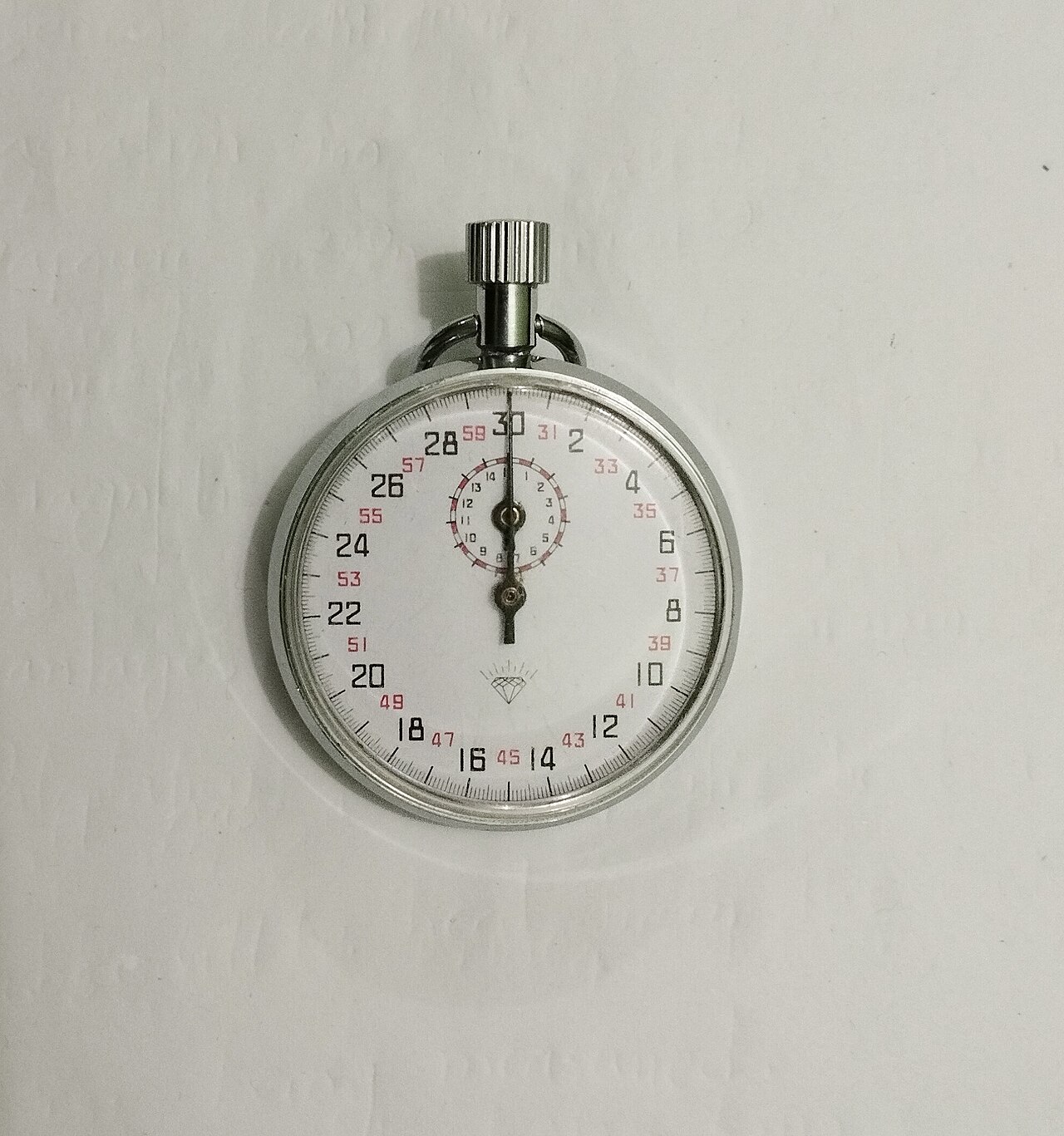
Ask anyone who has survived a car crash and you will hear the same story. The world went into slow motion. The skid lasted forever.
Every detail stood out. The feeling is vivid and consistent across people who have never met. It is also, in one important sense, an illusion.
Time does not slow down during an emergency. Your eyes do not see faster, and your brain does not process the world at a higher frame rate. What changes is how the event is remembered.
Fear makes the brain record far more detail than usual, and when you look back at that dense recording, it feels as if it must have taken longer.
This article explains the two rival ideas about slow-motion time, the free-fall experiment that tested them, what the amygdala does during fear, and why the memory explanation fits the evidence.
Two ways time could slow down
When people say time slowed down, they could mean two different things. The first is perception: during the event, the brain takes in more snapshots per second, like a slow-motion camera. If that were true, a person in danger should be able to see things that are normally too fast to see.
A flickering light that blurs into a steady glow at normal speed should become readable in a crisis.
The second is memory: during the event, perception runs at its normal pace, but the brain writes a much richer record. Later, when the person replays that record, the extra detail makes the event feel longer. The slow motion happens in the retelling, not in the moment.
These two ideas make different predictions, so they can be tested. The perception idea predicts better vision during fear. The memory idea predicts normal vision during fear plus an inflated estimate afterward.
A team at Baylor College of Medicine built an experiment to tell them apart.
The free-fall experiment
The researchers needed a frightening event that was safe, repeatable, and short. They found it at an amusement park in Dallas, Texas. Volunteers climbed a Suspended Catch Air Device tower, a structure used for free-fall rides, and dropped backward from a platform 46 meters up.
They fell 31 meters for 2.49 seconds before landing in a net.
Twenty volunteers took part, 13 in daytime sessions and 7 at night. Before the fall, each volunteer had a personal vision threshold measured. The team used a wrist device called a perceptual chronometer.
It flashed digits that alternated with their negative images faster and faster until the volunteer could no longer read them. Daytime volunteers reached a threshold of about 47 milliseconds per frame, and nighttime volunteers about 33 milliseconds.
During the fall, the device showed digits alternating slightly faster than each volunteer's threshold. If fear truly sped up perception, the volunteers should have been able to read those too-fast digits while falling. If perception stayed normal, the digits should have stayed unreadable.
After landing, the volunteers did a second task. They used a stopwatch to reproduce how long the fall had felt. They had already done the same for another person's fall, which gave the team a comparison point.
The results were clear. The volunteers could not read the too-fast digits during the fall. Their accuracy in the air was no better than a control group that did the same task while standing on the ground.
Perception did not speed up.
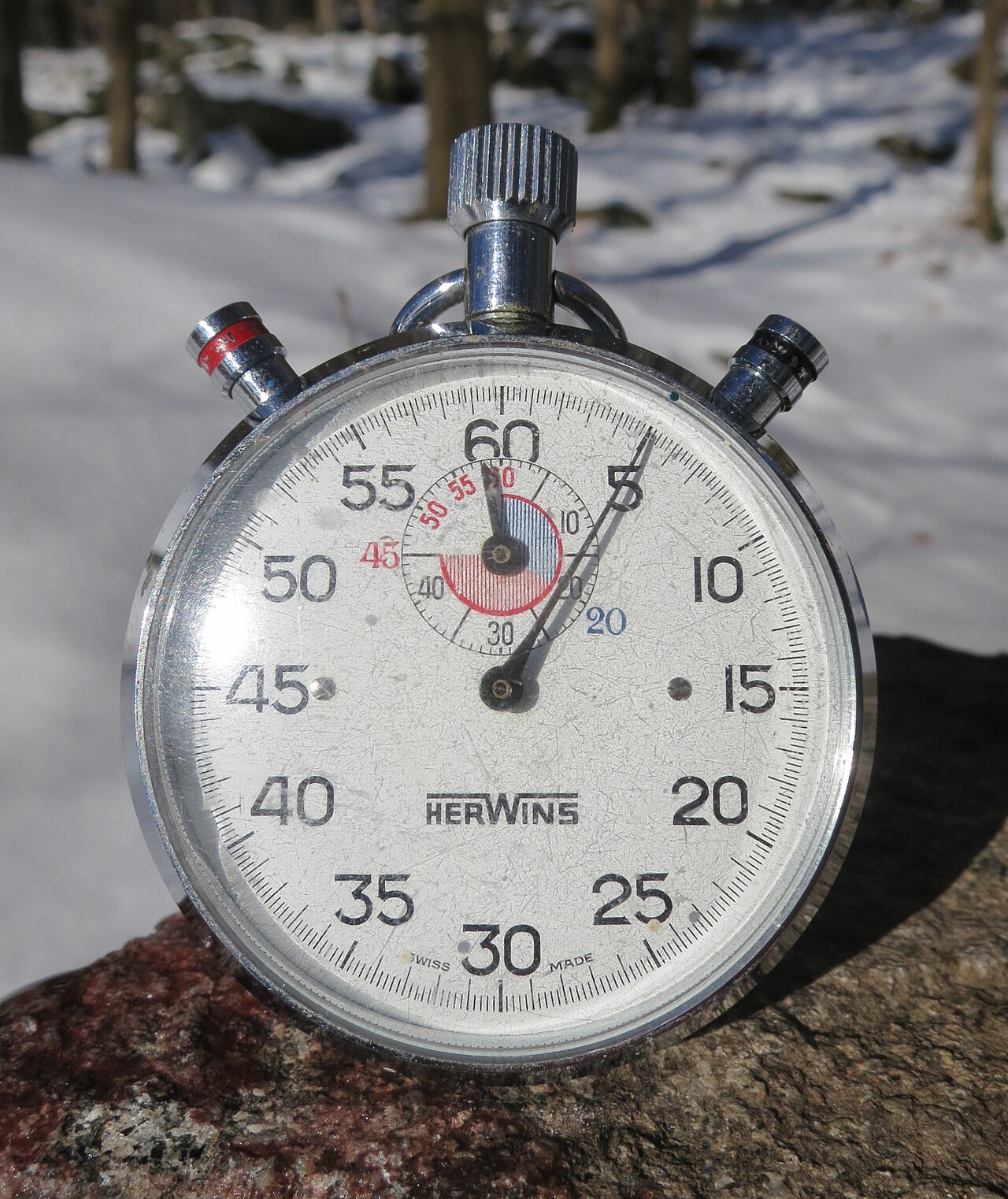
But the duration estimates stretched. On average, volunteers judged their own fall to last 36 percent longer than another person's fall. Their remembered fall ran about 2.96 seconds, against a real fall time of 2.49 seconds.
They felt slow motion without gaining any faster vision.
The study, by Chess Stetson, Matthew Fiesta, and David Eagleman, was published in PLOS ONE in 2007. Its conclusion was direct: time-slowing is a function of recollection, not perception.
What the amygdala does during fear
The explanation centers on a small almond-shaped region deep in the brain called the amygdala. The amygdala reacts to threat and emotion. In ordinary life, most experience is handled by the everyday memory system, which keeps a thin record.
Much of a normal day is never stored in detail, which is why you cannot recall every face you passed on the street.
During a frightening event, the amygdala drives a second, denser track of memory. It lays down an extra set of records alongside the normal ones, packed with emotional and sensory detail. That is why people remember the exact sound of brakes, the color of the other car, and the smell of the air during a crash, while forgetting what they had for lunch that day.
The brain has no built-in clock for judging how long something lasted. To estimate duration, it looks back at how much it recorded. A thin record reads as a short time.
A dense record reads as a long time. The crash felt long because the record was thick, not because the event itself stretched.
Eagleman has summed up the point with a simple image: your brain is not like a video camera. It does not record at a fixed frame rate. It builds duration from memory after the fact, and a richer memory makes a longer-feeling event.
Why slow motion feels real in the moment
If the stretch happens in memory, why does it feel as if it happens live? Part of the answer is that memory starts forming within seconds. By the time you are out of danger and telling someone what happened, the dense record is already in place.
The retelling feels like a replay of the event, and the replay runs long.
Another part is attention. During danger, attention narrows to the threat. You notice details you would normally ignore.
That flood of noticed detail is real, and it is part of why the memory is dense. The feeling of "I saw everything" is accurate. The inference "so time must have slowed" is where the mind overreaches.
There is also a sampling effect. People rarely report the emergencies they barely noticed. The crashes, falls, and near-misses that stick in memory are the ones with the densest records.
Quiet emergencies leave thin records and get forgotten, so the stories that circulate are the ones that felt stretched.
What the experiment does not prove
The free-fall study has limits, and honest reporting should name them. The fall lasted only 2.49 seconds, while real emergencies can last much longer. The volunteers knew the fall was safe, even though it felt frightening.
A real car crash carries genuine danger, pain, and consequences that a ride cannot reproduce.
The study also tested one kind of perception: the ability to read rapidly flickering digits. It showed that visual time resolution does not improve during fear. It did not test every perceptual skill.
Reaction speed, attention, and decision-making under threat are separate questions with their own research.
What the study does show is that the most common version of the slow-motion claim, that the brain gains faster vision in danger, did not hold up. The burden of proof now sits with anyone who claims otherwise. Later research has continued to support the memory account, and the free-fall design remains a standard example of how to separate perception from recollection.
Everyday versions of the same effect
The same mechanism shows up in calmer moments. A first visit to a new city feels longer in memory than a routine commute of the same length, because the new city lays down more memories. A boring meeting feels endless in retrospect for the opposite reason: the mind wanders, checks the clock, and stores many small time markers.
Novelty stretches remembered time in the same direction as fear, but fear is stronger because the amygdala adds emotional weight to the record. That is why a two-second fall can feel like three seconds, and why a ten-second skid can feel like a minute. The clock did not change.
The record did.
This also explains a familiar mismatch. Two people in the same crash can disagree about how long it lasted. The passenger who saw it coming may have a denser record than the driver who was focused on steering.
Each person's estimate is honest, and each is built from a different record. Duration is a reconstruction, not a measurement.
Frequently asked questions
Does adrenaline slow down time?
Adrenaline prepares the body for action, raising heart rate and sharpening attention. It does not slow the clock or speed up vision. The free-fall study found no improvement in visual time resolution during fear.
The slow-motion feeling comes from denser memory, not from adrenaline changing the speed of perception.
Why do some people act fast in emergencies if time does not slow?
Fast action comes from training, reflexes, and focused attention, not from extra time. A practiced driver brakes without thinking. A trained responder follows drilled steps.
Attention narrows to the threat, which makes action feel deliberate, but the event itself runs at normal speed.
Is the slow-motion feeling a sign of a disorder?
No. Feeling that time slowed during a frightening event is common and normal. It reflects how memory works under threat.
If intrusive memories, nightmares, or distress persist long after the event, talking to a doctor or mental health professional is a sensible step. This article is general information, not medical advice.
Can you train yourself to experience slow motion?
There is no reliable way to make time feel slower on demand. Training can improve attention and reaction speed, which helps in real emergencies. It does not change the speed of perception.
The best preparation is practice of the actions you would need, so they run without conscious thought.
The bottom line
Time feels slower in emergencies because fear writes a denser memory, not because the brain speeds up. The free-fall experiment proved the point: volunteers judged their fall 36 percent longer than it was, yet they could not read digits that were too fast to see at normal speed. The slow motion lives in the record, not in the moment.
That is why the crash feels endless when you tell it later, and why the clock never agreed. For more on how the mind reads signals, see why we have fingerprints and what they are for, how lie detector tests work and why courts stay skeptical, and what dark matter is, explained without jargon.
Tags: time perception, brain, memory, psychology
Latest in Science
- Why do we have fingerprints and what are they for
- How do lie detector tests work and why are courts skeptical
- What is dark matter explained without jargon
- How do seismographs detect earthquakes from far away
Subscribe to the Rive News newsletter for one clear science explainer each week.
Related stories

Why diamond is hard and graphite is soft when both are carbon
Diamond and graphite are both pure carbon, yet diamond is 10 on the Mohs scale and graphite is 1 to 2. The difference is not the atoms;

Why Hot Water Can Freeze Faster Than Cold: The Mpemba Effect Explained
Hot water can freeze faster than cold under specific conditions. The Mpemba effect, named for a 1963 schoolboy experiment, still divides

How Magnets Work at the Atomic Level: Spins, Domains, and Iron
Magnetism comes from electrons: their spin and orbits make each atom a tiny magnet. In iron, quantum forces align these atomic magnets into