
How does altitude make exercise feel harder? Explained simply
By Rive News / Research desk | Rive News / Published October 24, 2026 at 9:00 AM PKT
Key takeaways
- Oxygen is still about 20.9% of the air at altitude; the air itself is thinner, so each breath carries fewer oxygen molecules.
- Lower oxygen pressure shrinks the gradient that pushes oxygen from lungs into blood, so blood oxygen and aerobic power (VO2 max) drop measurably above about 1,500 metres.
- Over days and weeks the kidneys release EPO, red blood cell count rises, and the same workout starts to feel normal again.
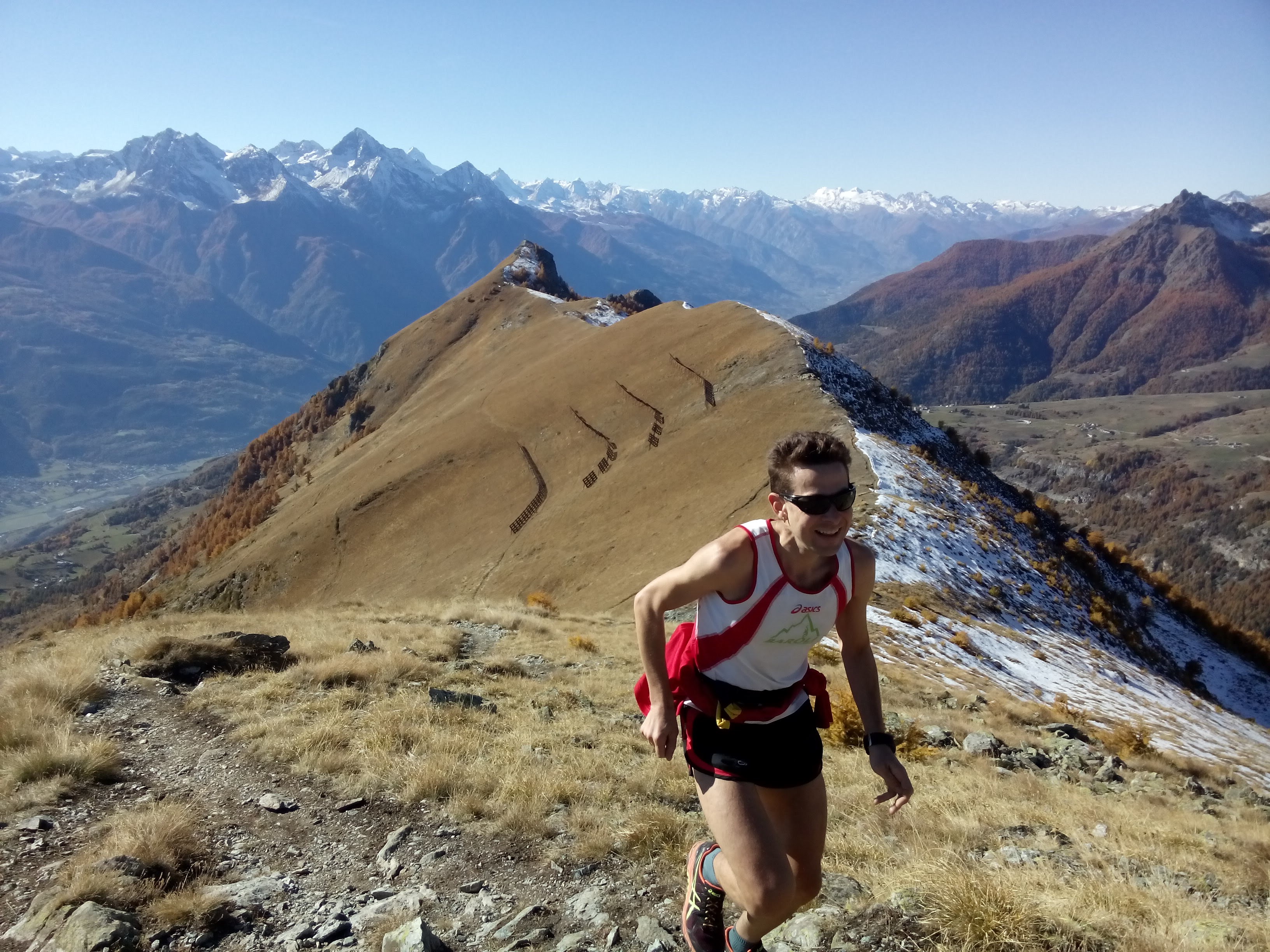
[A mountain runner pushes along a high ridge with snow-capped peaks behind him. Photograph: Rollopack]
Image Credits: Wikimedia Commons
Climb a few thousand metres and the same jog that felt easy at sea level suddenly leaves you gasping. Your lungs are working the same air, and your legs are doing the same work, but something invisible has changed.
That something is oxygen pressure. Air at altitude still holds the same fraction of oxygen, roughly 20.9 percent, but because the whole atmosphere is thinner, each breath squeezes out fewer oxygen molecules for your muscles.
This article explains how altitude makes exercise feel harder, including the thinner-air oxygen story, the lungs-to-blood transfer, your body's emergency response, and the slower adaptation that makes it easier again.
The air is the same, but thinner
Stand on a beach or on a mountain ridge and every breath is 20.93 percent oxygen. The IDEA Health & Fitness Association notes this holds from the Dead Sea, 417 metres below sea level, to the summit of Everest. What changes is everything else about the air.
The higher you go, the less atmosphere presses down from above. So oxygen's partial pressure, its pushing power, drops even though its share of the mix never changes. At sea level that pressure sits near 159 mmHg; at 5,000 metres it is roughly 86 mmHg, and on Everest's summit it falls to about 53 mmHg, according to textbook applications of Dalton's law and respiratory physiology summaries.
A helpful comparison: a racing guide for mountain athletes estimates that at 7,000 feet the oxygen partial pressure is already about 21 percent lower than at sea level. That is the air over a mile-high city, not an extreme expedition.
Less pressure means less oxygen reaches your blood
Oxygen moves from your lungs into your blood down a pressure gradient, and at altitude that gradient flattens. With less pressure driving oxygen across, each breath loads fewer oxygen molecules onto hemoglobin. The result is less oxygen in the arterial blood feeding your muscles, a drop the physiology literature records as reduced percent oxyhemoglobin saturation.
The performance data make this concrete. Wehrlin and Hallén's 2006 study in the European Journal of Applied Physiology found aerobic capacity falls in a straight line as altitude rises. Above roughly 1,500 metres, VO2 max and endurance performance typically fall 7 to 10 percent for every additional 1,000 metres, and a PMC review of altitude research puts the average loss at 0.9 percent for every 100 metres above 1,100 metres.
Your sea-level engine has not changed, but its ceiling has lowered. A pace that sat comfortably at 70 percent of your max at sea level can demand 80 percent or more up high, so the legs burn earlier and recovery between efforts drags. Mountain-racing coaches report unacclimatized athletes losing 8 to 12 percent of VO2 max at just 7,000 feet.
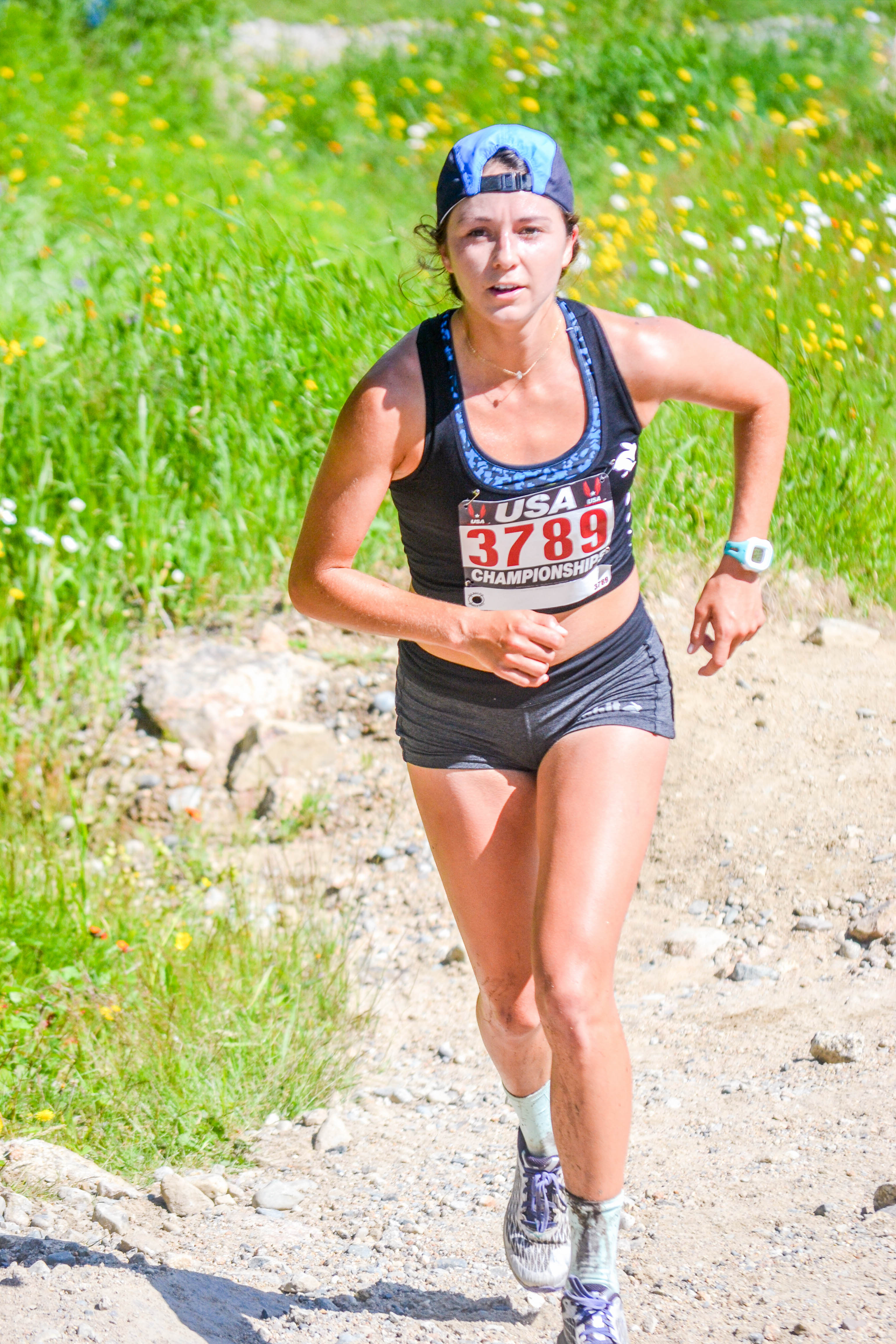
[Runners at the 2016 Loon Mountain Race, where thin air takes the edge off sea-level pace. Photograph: Gianina Lindsey]
Image Credits: Wikimedia Commons
Your heart and lungs run their emergency plan
The body does not accept the shortfall quietly. Breathing deepens and quickens almost immediately, an attempt to pull more oxygen through despite the thin mix. Heart rate climbs too, and the heart pumps more blood per minute at rest and during moderate effort, as a 2025 review of altitude physiology in Signal Transduction and Targeted Therapy describes.
There are side effects. Blowing off extra air also blows off carbon dioxide, which makes the blood slightly alkaline, and the drier mountain air steals more water with every breath. That is why altitude days leave you thirstier and more drained than the mileage alone explains.
None of this restores full power. The same review notes that maximal heart rate can even dip slightly at altitude, so the top end of performance stays capped. This is why a hard sea-level session cannot simply be repeated on day one at altitude.
Days and weeks: your blood adapts
The deep fix takes days to weeks. Sensed by the kidneys, the oxygen shortfall triggers release of erythropoietin, EPO, which orders the bone marrow to manufacture more red blood cells. More red cells mean more hemoglobin, the protein that ferries oxygen, so each litre of blood can carry more of it.
The effect is measurable. In Benjamin Levine and Jim Stray-Gundersen's 1997 study, both altitude groups raised red-cell mass by about 9 percent and VO2 max by roughly 5 percent, according to a Grandaha review of the research. In lifelong highlanders the build is bigger still: Fox's Human Physiology notes Andean natives carry about 19.8 grams of hemoglobin per 100 ml of blood versus 15 at sea level.
That study also gave athletes the practical recipe: live high, train low. Sleeping around 2,500 metres drove the blood adaptation, while dropping to 1,250 metres for hard sessions let the legs keep race pace. For a regular trip, the translation is simpler: arrive a few days early, keep the first days easy, drink more water than you think you need, and let the workouts feel hard without chasing sea-level numbers.
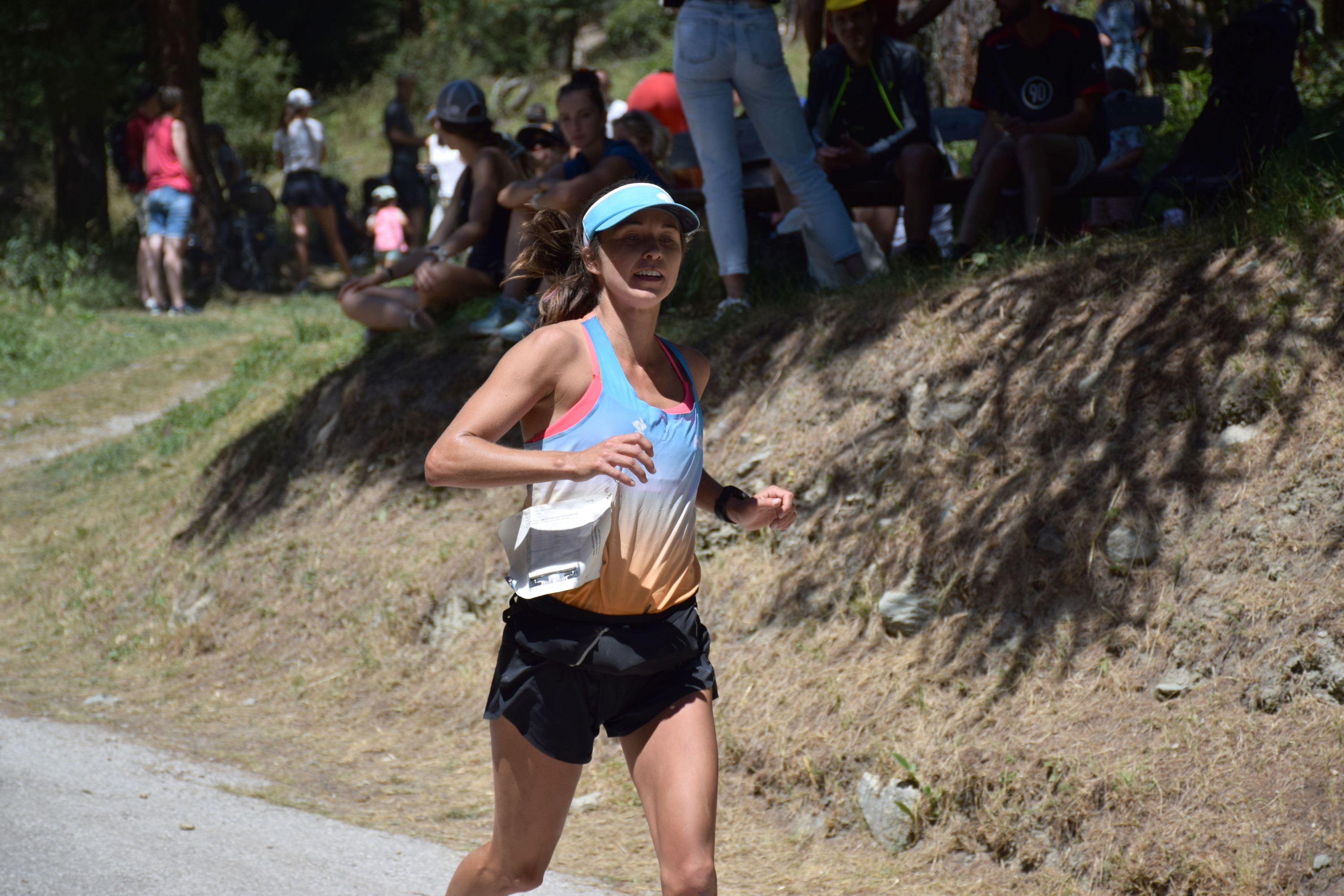
[Trail runner Dani Moreno at the 2022 Sierre-Zinal mountain race in the Swiss Alps. Photograph: Johann Conus]
Image Credits: Wikimedia Commons
This article is for general information only and is not medical advice; talk to a clinician about any symptoms.
Frequently asked questions
Is there really less oxygen in the air at altitude?
No, and this is the most common misunderstanding. The fraction stays at 20.93 percent from the Dead Sea to Everest, according to the IDEA Health & Fitness Association. What falls is barometric pressure, which cuts oxygen's partial pressure and therefore the number of oxygen molecules per breath.
At what altitude does exercise start to feel harder?
Measurable effects begin surprisingly low. Research summarized from Wehrlin and Hallén's 2006 work shows VO2 max declining from about 1,500 metres, at 7 to 10 percent per extra 1,000 metres. Even a mile-high city can cost unacclimatized athletes 8 to 12 percent of their aerobic power.
How long does altitude adaptation take?
The emergency response is instant: breathing and heart rate adjust within hours. The real fix, new red blood cells driven by EPO from the kidneys, takes days to weeks. That is why athletes in Levine and Stray-Gundersen's 1997 study spent multi-week training blocks at altitude before the benefits showed.
Does training at altitude make you faster at sea level?
It can, if done the live-high, train-low way. Levine and Stray-Gundersen's 1997 subjects raised red-cell mass about 9 percent and VO2 max about 5 percent by sleeping high and training lower, where full speed was still possible. Simply training hard in thin air usually backfires, because every session runs slower.
The bottom line
Altitude makes exercise harder because thinner air delivers less oxygen per breath, even though oxygen's share of air never changes. Your heart and lungs compensate within minutes, and your blood catches up over days and weeks by building more red blood cells. The practical move: give yourself a few easy days at altitude before any hard effort, and judge the workout by effort, not by your sea-level pace.
Tags: altitude, exercise, endurance, physiology
The Rive News research desk writes plain-language explainers built on peer-reviewed studies and established institutions.
Related
- How to Train for Your First 5K Run
- Why your heart rate stays elevated after exercise
- What is the difference between football boots and running shoes?
- A cramp that will not go away
Subscribe for one plain-language sports explainer every morning.
Rive News publishes verified, evergreen explainers. Every key claim is sourced; see Sources in the article front matter.
Related stories
Why Is Altitude Sickness Worse for Some People?
Altitude sickness hits some people harder because of genetics, ascent speed, and prior history, not fitness level. Here is what raises risk
Why Do You Get Blisters When Hiking and How to Prevent Them
Friction plus moisture plus heat equals a blister. Learn why hiking breeds all three, and the boots, socks, and tape system that keeps
How to choose hiking boots for beginners: fit, features, and break-in
Beginners should buy for fit first: snug everywhere, tight nowhere, with a thumb's width at the toes. Here is how to size, test,