
Why Do You Bonk on Long Bike Rides?
Key takeaways
- Bonking is the sudden collapse that happens when muscle and liver glycogen stores both run empty, usually after 90 to 180 minutes of riding without food.
- It is your brain, not your legs, that ends the ride: falling blood sugar triggers a protective shutdown of effort.
- Eating 30 to 90 grams of carbohydrate per hour from the start of a long ride prevents it almost entirely.
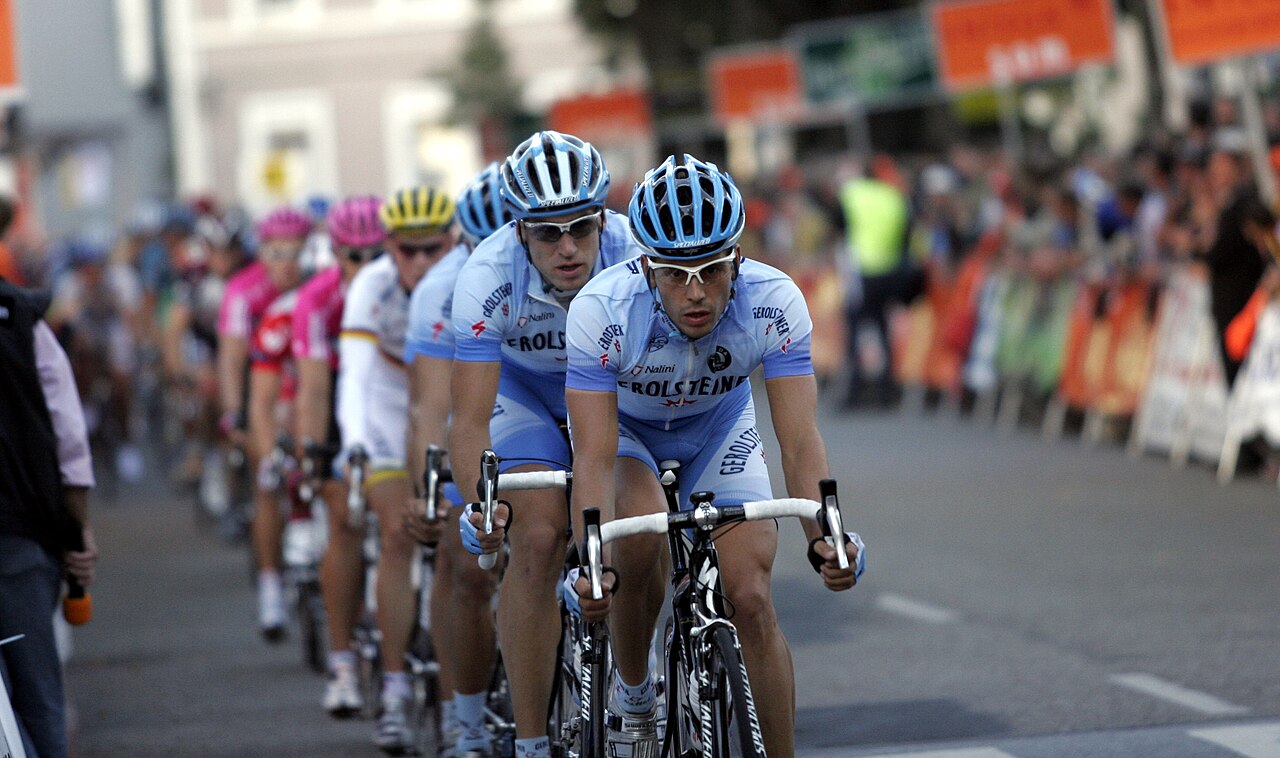
Three hours into a ride, the group lifts the pace on a drag you have ridden a hundred times, and instead of responding, your legs just are not there. Power vanishes.
Mood collapses. The ride home feels impossible.
Cyclists call this bonking. Runners call it hitting the wall. It is the same fuel crisis, and it is the best-documented energy failure in sports science.
This article explains what bonking is, how the body's two fuel tanks empty, why the brain ends the ride before the legs are truly done, how intensity accelerates the whole process, and how to fuel so it never happens.
What bonking really is
Bonking is what happens when the muscles run out of stored carbohydrate and the liver runs out of glycogen to push glucose into the bloodstream. Two reservoirs, both empty, at the same time.
The science is blunt. A 2018 review in the journal Nutrients, summarised by The Cycling Week, pinpointed muscle glycogen depletion as the central failure mode of the bonk, with stores often dropping by 70 to 80 percent during a single hard three-hour ride.
The symptoms are distinctive and miserable. Legs go weak and powerless.
The mind goes foggy, irritable, even emotional. Cyclists describe a grey despair that arrives all at once, not a gradual tiredness. That suddenness is the signature: one minute you are riding fine, the next you are done.
A bonk is hard to bounce back from mid-ride. The best strategy is prevention, and prevention is almost entirely a fuelling problem.
The two fuel tanks and how they empty
The body carries two carbohydrate tanks, and they behave very differently.
The big tank is muscle glycogen: roughly 400 to 500 grams stored across the working muscles of a well-fuelled trained cyclist, The Cycling Week reports. This powers the legs directly, and it is a generous reserve.
The small tank is liver glycogen: just 80 to 110 grams. The liver is the only organ that can release glucose back into the bloodstream to keep blood sugar stable, which makes this small tank disproportionately important. When it empties, blood glucose falls, and the crisis begins.
Together the tanks hold somewhere between 2,000 and 2,400 calories of carbohydrate fuel. At a moderate cycling pace burning 600 to 800 calories per hour, that buys roughly three hours of riding.
At race pace, less. The Academy of Nutrition and Dietetics puts the endurance athlete's total at 1,800 to 2,000 calories, enough for 90 to 120 minutes of vigorous cycling, according to BikeTips.
Here is the cruel detail: the tanks are separate. You can bonk with fuel still left in your legs, because muscle glycogen cannot top up your blood sugar. Only the liver can do that, and the liver's tank is tiny.
Why the brain pulls the plug
Here is what most riders get wrong about the bonk: it is not your muscles running out of fuel that ends the ride. It is your brain pulling the plug to protect your blood sugar.
Roadman Cycling, drawing on the carbohydrate metabolism research of Tim Podlogar, Sam Impey and Professor Asker Jeukendrup, describes bonking as acute hypoglycaemia: low blood sugar caused by the liver running out of glycogen. The liver's 80 to 100 grams last roughly 90 to 120 minutes of hard riding if you eat nothing. When it empties, blood glucose falls, and the brain, which runs almost entirely on glucose and keeps no meaningful reserve of its own, senses the threat.
The brain's response is to slam the brakes on your effort. The grey-out, the despair, the collapse in power, that is a protective shutdown, not a mechanical failure.
Sports dietitian Andrea Docherty told Cycling Magazine that without fuel for the brain, a cyclist can feel irritable, emotional, dizzy, and confused. The legs feel heavy and powerless from local muscle glycogen depletion, but the mental collapse is systemic.
This is also why a bonk feels so hard to reverse. Once the brain has decided the situation is an emergency, it takes time and a genuine rise in blood sugar to call the emergency off.
Intensity: the bonk accelerator
The single biggest variable in how fast you bonk is intensity. Higher intensity burns proportionally more carbohydrate, and the relationship is steep.
At 70 percent of functional threshold power, a rider burns perhaps 60 percent carbohydrate. At 90 percent, that climbs toward 90 percent carbohydrate.
Cross the threshold into a hard effort and glycogen advantage disappears entirely. You are burning carbs either way.
Carbohydrate is also the more efficient fuel at high intensity. It is about 7 percent more efficient than energy from fats during exercise above 60 percent of VO2 max, according to Hincapie Sportswear's explainer. That efficiency is why the body prefers glycogen when the pace rises, and why hard group rides empty the tanks so much faster than steady solo miles.
Trained cyclists spare glycogen slightly better by oxidising more fat at submaximal intensities. But heat, altitude, and surges all push carbohydrate burn back up.
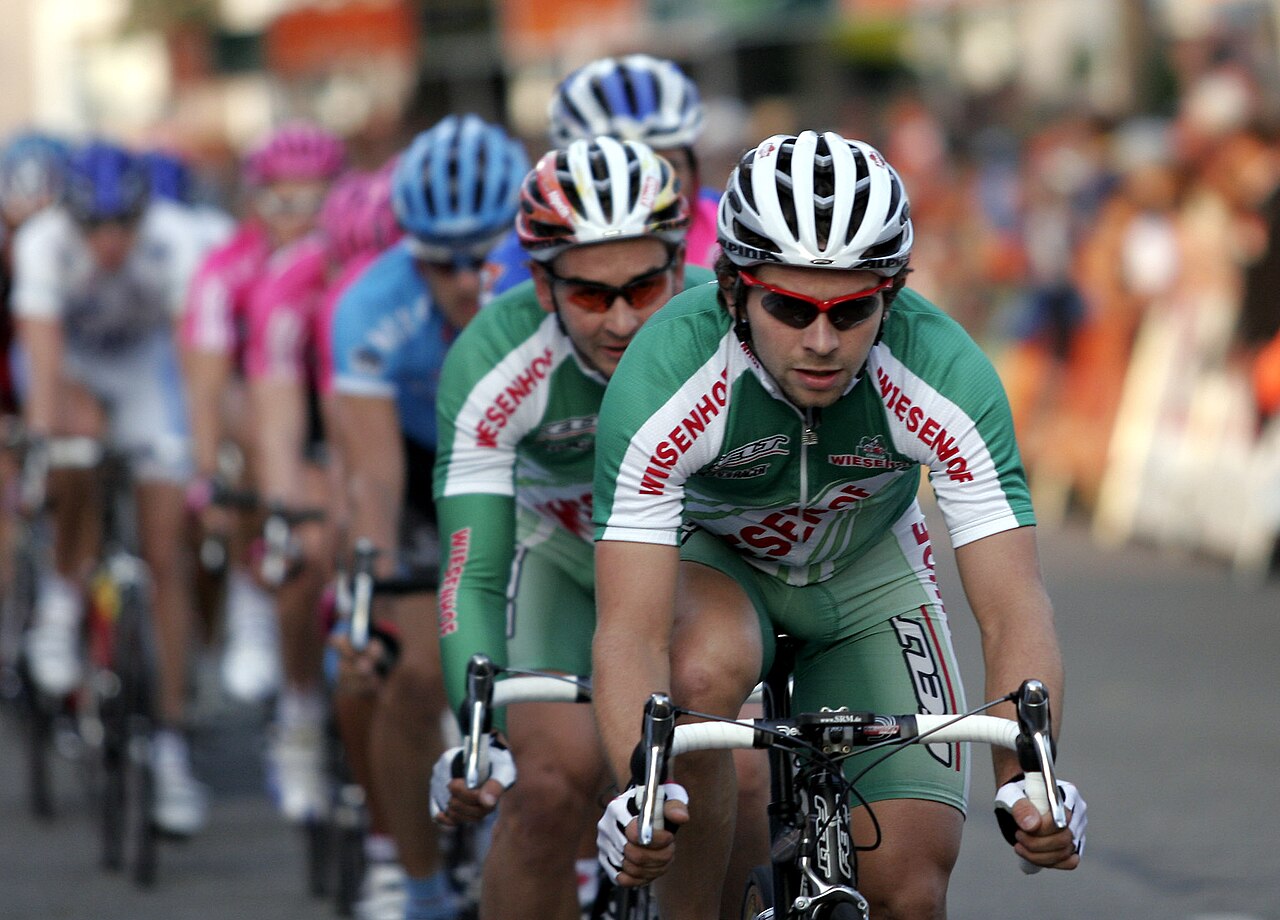
A steady rider can cruise for three hours. A rider attacking every climb might bonk inside 75 minutes on the same fuel.
How to ride without bonking
The bonk is one of the most preventable failures in cycling. The fix is a system, not a single trick.
Start eating before you feel empty. The cardinal rule of fuelling is that you are always fuelling for where you will be in half an hour, not where you are now. Ingested food takes 15 to 30 minutes to lift blood sugar, so by the time the first symptoms arrive, the liver is already running dry.
Begin fuelling early. Docherty recommends taking in easily digestible carbohydrate starting about 15 to 20 minutes into a long ride, for any ride longer than 60 to 90 minutes.
Sports drinks, gels, dried fruit, and energy chews all work. An energy gel typically provides about 25 grams of carbohydrate.
Aim for the right hourly rate. The gut can absorb only about 60 grams of single-source carbohydrate per hour; push above that and you get stomach distress, not extra energy.
With a glucose-plus-fructose blend at roughly a 2 to 1 ratio, using multiple transporters, riders can absorb 90 to 120 grams per hour. Docherty's practical guidance is 30 to 60 grams per hour, adjusted for body size, muscle mass, and training status.
Pace the early hours to spare glycogen. Every unnecessary surge in the first hour is fuel you will not have in the third. Riding steady early is a fuelling strategy as much as a pacing one.
Pre-fuel properly. Starting a long ride under-fuelled is like skipping breakfast before a hard day: the tanks start half empty. A carbohydrate-rich meal two to three hours before the ride, plus a proper dinner the night before for rides over 90 minutes, does most of the work.
Train the gut and the engine. Regular long rides teach the stomach to absorb fuel at effort and teach the body to burn more fat at submaximal pace, leaning less on the limited sugar stores. Like runners learning why their legs feel heavy during a run, cyclists learn to read the early signs and eat before the crisis.
Frequently asked questions
How long does it take to bonk on a bike?
Without eating, roughly 90 to 180 minutes depending on intensity, fitness, and starting glycogen. A well-fuelled trained cyclist on a steady ride can push toward three hours. A poorly fuelled rider on a hard group ride might bonk inside 75 minutes.
What is the fastest way to recover from a bonk?
Simple, fast-digesting sugars: a sports drink, gels, or chews. Solid food like an energy bar takes too long to break down to raise blood sugar quickly. Slow down, keep sipping, and expect 15 to 30 minutes before you feel human again.
Can you bonk on a short ride?
Rarely, but hard efforts under 90 minutes can do it if you started depleted, for example riding fasted after skipping meals. Rides under 90 minutes generally do not need on-bike fuelling if you ate beforehand.
Does fat adaptation prevent bonking?
Not really. Fat adaptation increases fat oxidation at low intensities, which helps on long steady rides.
But at high intensity the body must burn carbohydrate, and the liver's small glycogen tank still empties. Well-fuelled high-carb riding remains the reliable prevention.
Why do I feel emotional when I bonk?
Because your brain is running out of fuel. Low blood sugar affects mood, concentration, and emotional control directly. The irritability and near-tears feeling that cyclists report are neurological symptoms of hypoglycaemia, not weakness of character.
The bottom line
You bonk on long bike rides because your fuel tanks are smaller than your ambition. Four hundred grams of muscle glycogen and a hundred grams in the liver buy about three hours of moderate riding, and hard efforts spend it far faster. When the liver empties, blood sugar falls, and the brain ends the ride to protect itself.
The fix is gloriously simple: eat early, eat often, and pace the first hour like the third hour depends on it. Get the nutrition system right and the bonk simply stops happening.
Latest in Sports & Outdoors
- Why cyclists ride in a peloton
- Trail vs road running shoes: what is the real difference
- Why runners get a second wind
- Why altitude sickness hits some people harder
Subscribe to the Rive News newsletter for one science-backed sports explainer every week.
Related stories
Why Is Altitude Sickness Worse for Some People?
Altitude sickness hits some people harder because of genetics, ascent speed, and prior history, not fitness level. Here is what raises risk
Why Do You Get Blisters When Hiking and How to Prevent Them
Friction plus moisture plus heat equals a blister. Learn why hiking breeds all three, and the boots, socks, and tape system that keeps
How to choose hiking boots for beginners: fit, features, and break-in
Beginners should buy for fit first: snug everywhere, tight nowhere, with a thumb's width at the toes. Here is how to size, test,