
How to Choose a Kayak for Beginners: A Simple Buying Guide
By Rive News
Research desk | Rive News
Key takeaways
- Beginners do best with a recreational kayak: 10 to 11 feet long, wide, and stable, weighing roughly 25 to 40 pounds.
- Pick by water type first (calm lakes, slow rivers, or coast). The wrong boat for the water makes every trip a fight.
- Expect to pay $300 to $600 for a solid entry-level kayak. Check weight capacity and transport before buying.
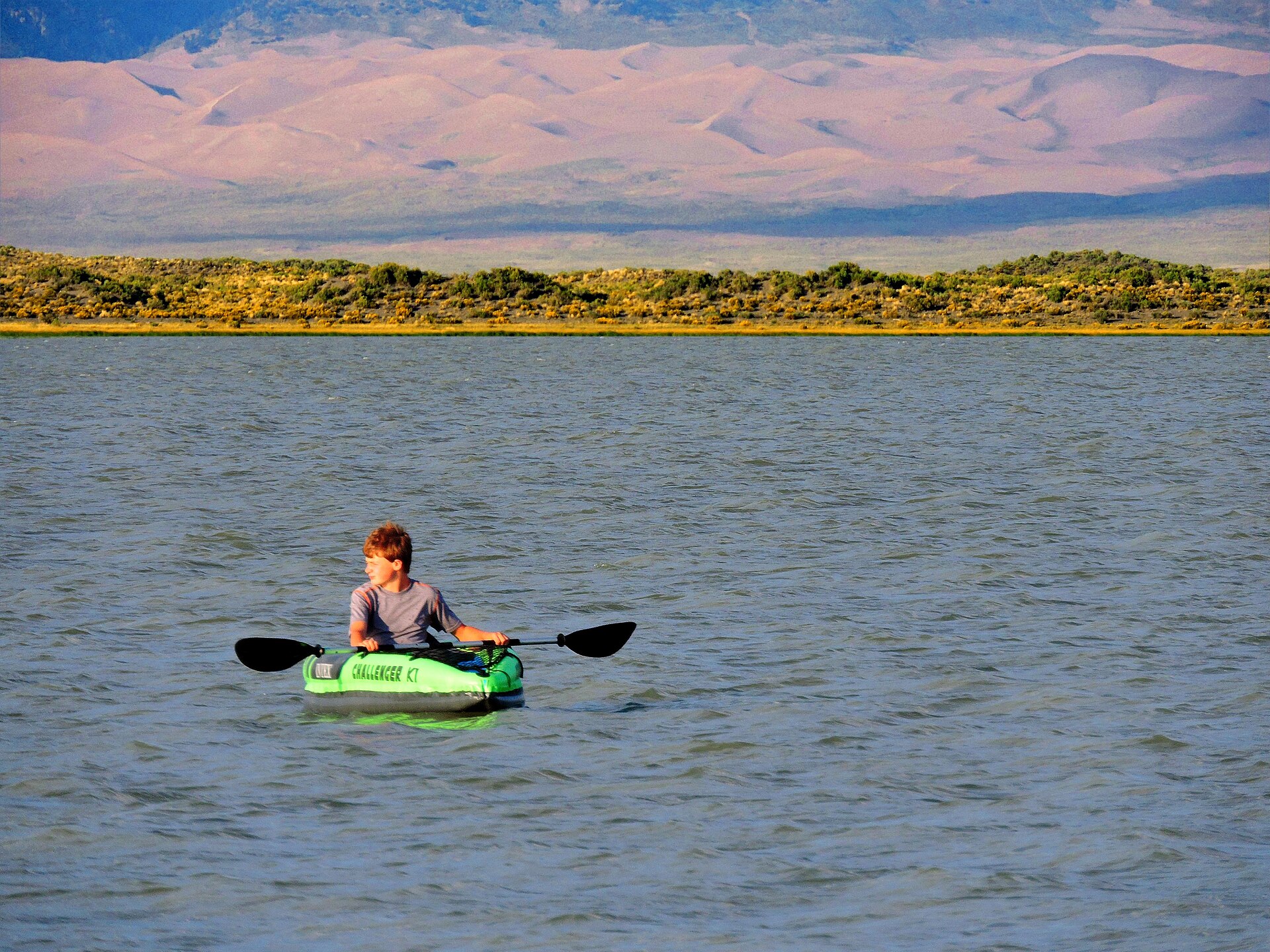
Choosing your first kayak is simpler than the internet makes it look. Five decisions decide whether you paddle happily or fight your own boat all afternoon: where you will paddle, what class of kayak you need, the hull shape, the weight, and how you will transport it.
This guide walks through each decision in order, including the length, weight, material, and price numbers that matter for first-time buyers.
Step 1: Decide where you will paddle
Everything flows from the water. Calm lakes and slow-moving rivers want a different boat than choppy coastal water.
Most beginners paddle flatwater: lakes, ponds, and gentle rivers. For that, the recreational kayak is the default answer.
GILI Sports notes that recreational kayaks are wide and stable. They are easier to maneuver than longer touring boats. They come in both sit-on-top and sit-inside varieties. Longer touring kayaks suit multi-day trips on open water but trade away the forgiving stability a beginner needs.
If you plan to fish, paddle with kids, or stand up to stretch, lean toward a sit-on-top. For the full comparison, see sit-on-top vs sit-inside kayaks and who each suits.
Step 2: Pick the right length and width
For a solo beginner on calm water, a 10 to 11 foot recreational kayak is the sweet spot, according to GetBoat's 2026 buying guide. That size balances stability on the water with a manageable weight on land. It still carries enough buoyancy (float) for a full day out.
A few reference points:
- 9 to 11 feet: solo recreational hulls, typically 25 to 40 pounds (11 to 18 kg). Easy for one person to load on a roof rack. This is where most beginners should shop.
- 12 to 14 feet: longer recreational and light touring shapes, roughly 40 to 60 pounds. Faster and roomier, with dry-storage bulkheads (sealed compartments), but heavier to carry and harder to turn.
- Longer than 14 feet: sea and touring kayaks. Built for distance and rough water, not for learning.
Wider boats feel steadier. The tradeoff is speed: a wide hull pushes more water. For a beginner, stability wins that trade every time.
Step 3: Understand the hull shape
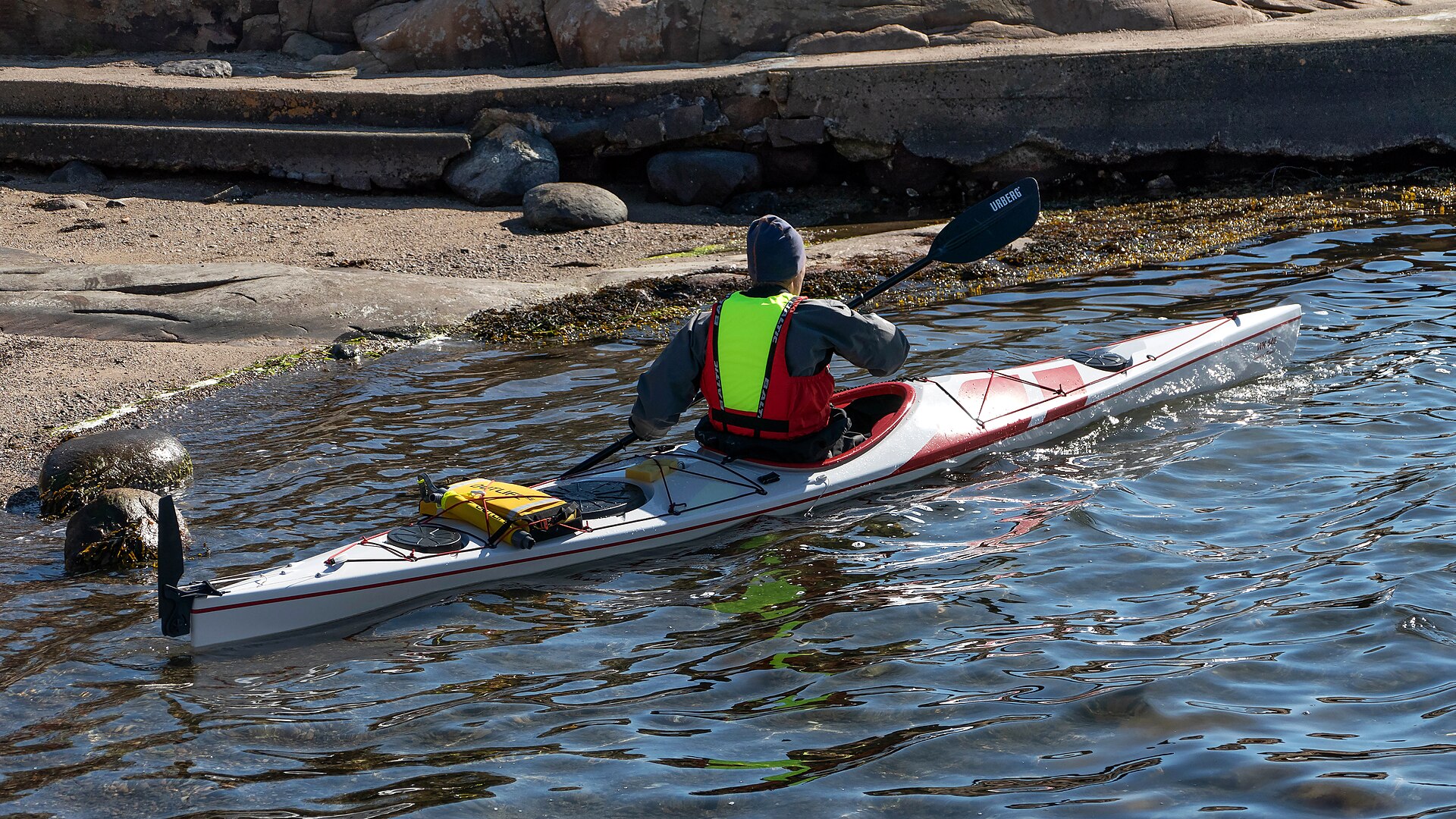
The hull, the bottom of the boat, decides how the kayak behaves. FishersLine's buying guide breaks it into two main shapes:
- Flat hulls are very stable and slow. They are the natural pick for beginners on calm lakes and slow rivers.
- V-shaped (slightly rounded) hulls track straighter and move faster, but feel tippier. They suit varied water once basic strokes feel natural.
Related to the hull is the idea of primary stability, how steady the boat feels sitting still. Beginners should prioritize primary stability. Secondary stability, how the boat behaves when leaned, matters more for advanced paddling.
Step 4: Check the material
Most entry-level kayaks are plastic. The type of plastic affects weight, durability, and price:
- Rotomolded polyethylene is the most common. It is tough, resists scrapes and rock hits well, and costs less. The downside is weight: it is the heavier option.
- Thermoformed ABS is lighter and easier to load solo, often at a slightly higher price. It handles most knocks well but is a touch less resistant to hard impacts than polyethylene.
Fiberglass and composite boats are lighter still but cost much more. They belong to later purchases, not first ones.
Step 5: Confirm weight capacity, not just weight
Two different numbers confuse first-time buyers. The kayak's own weight decides whether you can load it solo. Its weight capacity decides whether it floats you plus your gear safely.
Add your body weight, paddle, life jacket, cooler, tackle box, and anything else you carry. Then pick a kayak whose capacity sits comfortably above that total, not just barely over it. A boat loaded near its limit sits low, feels sluggish, and handles worse.
Step 6: Plan transport and storage before you buy
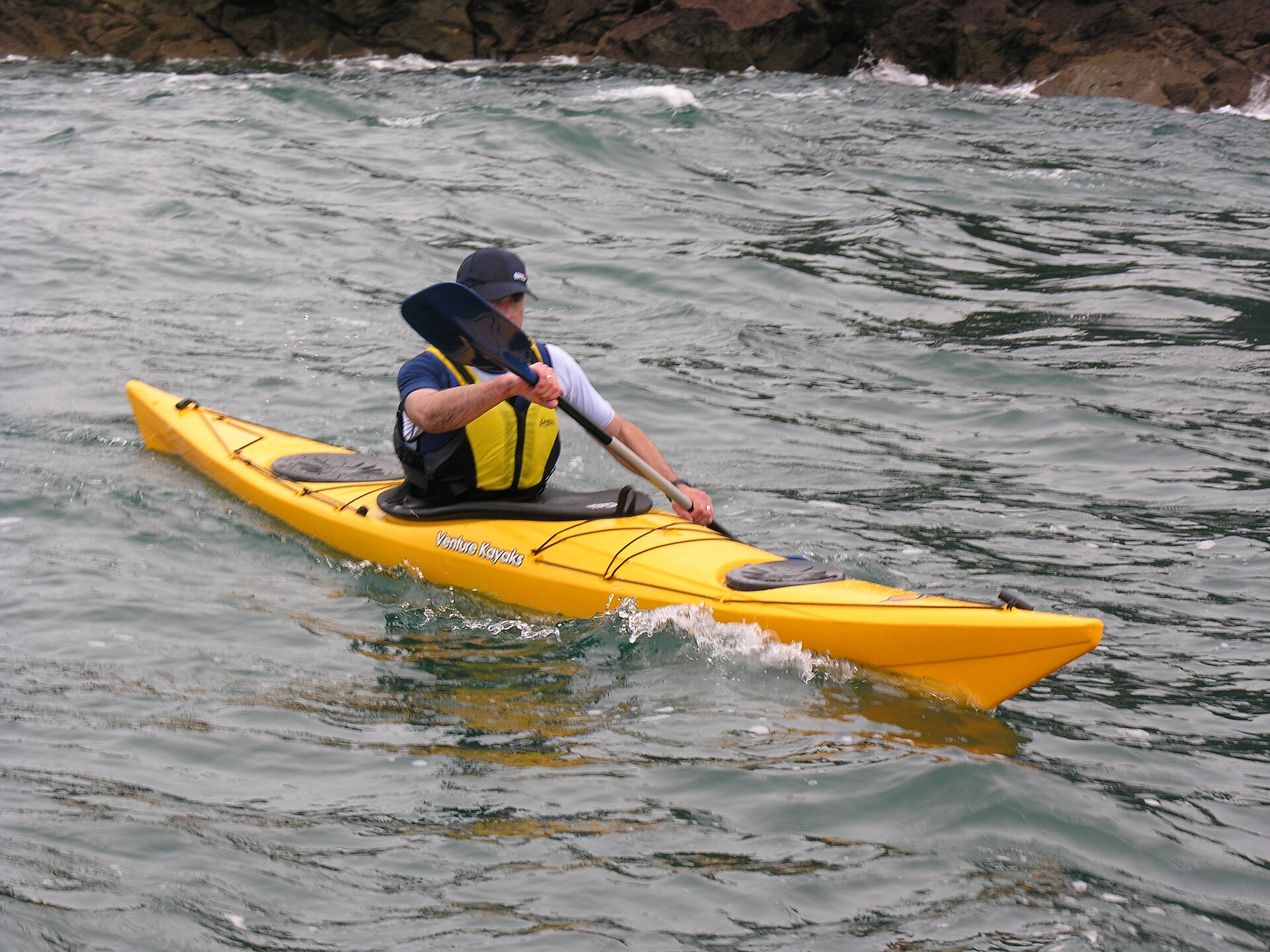
A kayak you cannot move is a kayak you will not use. Measure your car and your storage space first.
A 9 to 11 foot kayak fits most sedans and compact SUVs on a roof rack with standard crossbars. Foam blocks and straps are enough for many short boats.
Longer hulls may need a proper rack or a small trailer. Remember the paddle, usually 1.5 to 3 pounds, and the life jacket, which must fit you, not just the boat.
Where you keep it matters too. Sunlight degrades plastic over time, so shaded or covered storage extends the boat's life by years.
How much should a beginner spend?
Entry-level kayaks typically run $300 to $600, according to reviewer Elliana Young's buying roundup. Boats like the Sun Dolphin Journey 10 sit at the budget end, while the Perception Pescador 10 is a common step up. Above $1,000 you enter serious fishing and touring territory, which most beginners should skip.
Used boats can cut the price in half. Check for cracks, warped hulls from bad storage, and missing hatch covers. A used recreational kayak from a known brand often beats a new boat from a no-name maker.
What to skip as a beginner
A few common first-timer mistakes are easy to avoid. Do not buy a sea kayak for a pond. Do not buy for whitewater unless you are taking a whitewater course.
And do not choose based on color or accessory bundles: seats, hatches, and rod holders matter far less than hull shape, length, and whether you can lift the thing.
If you tip, here is how kayaks tip and how to avoid it. For cold-water trips, read what to wear kayaking in cold water before you launch.
Frequently asked questions
What type of kayak is best for beginners?
A recreational kayak, 10 to 11 feet long, wide, and flat-hulled. It trades speed for the stability beginners need most.
Is an inflatable kayak good for beginners?
Inflatable kayaks are affordable, portable, and fine for calm water. But they puncture more easily and track worse than hard-shell boats. They suit occasional use, not regular paddling.
Do I need lessons before buying?
One introductory lesson or a guided rental session answers most of your questions better than any article. Many shops let the rental fee count toward a purchase.
How do I know if the kayak fits me?
Sit in it (or on it) before buying if possible. Your knees should bend slightly with feet on the foot pegs. You should be able to rotate your torso. Too snug means cramps. Too loose means no control.
The bottom line
Buy the boat for the water you have, not the water you dream about. A 10 to 11 foot recreational kayak with a flat, wide hull, a weight you can lift alone, and a price between $300 and $600 covers almost every beginner's first two seasons. Get the fit and the water type right and the brand name barely matters.
---
Rive News is the research desk behind this publication, covering science, health, and the outdoors with evidence-first explainers.
Related stories
- Sit on Top vs Sit Inside Kayak: Who Each Suits Best
- Why Kayaks Tip and How to Avoid It
- What to Wear Kayaking in Cold Water
Enjoying these explainers? Subscribe to the weekly newsletter for one evidence-backed story every morning.
Rive News follows a corrections policy: factual errors are corrected promptly with a visible update note. Standards: no invented quotes, no fabricated data, every statistic cited.
Related stories

Why Is Altitude Sickness Worse for Some People?
Altitude sickness hits some people harder because of genetics, ascent speed, and prior history, not fitness level. Here is what raises risk

Why Do You Get Blisters When Hiking and How to Prevent Them
Friction plus moisture plus heat equals a blister. Learn why hiking breeds all three, and the boots, socks, and tape system that keeps hiker

How to choose hiking boots for beginners: fit, features, and break-in
Beginners should buy for fit first: snug everywhere, tight nowhere, with a thumb's width at the toes. Here is how to size, test, and break i