
Sit on Top vs Sit Inside Kayak: Who Each Suits Best
By Rive News
Research desk | Rive News
Key takeaways
- Sit-on-top kayaks suit warm weather, fishing, and nervous beginners. They are easy to board, hard to sink, and simple to climb back onto after a tip.
- Sit-inside kayaks suit colder water, longer distances, and rough conditions. They are lighter, faster, and keep you drier with a spray skirt.
- Neither design is "safer" in the abstract. Safety comes from matching the boat to the water and your skill.
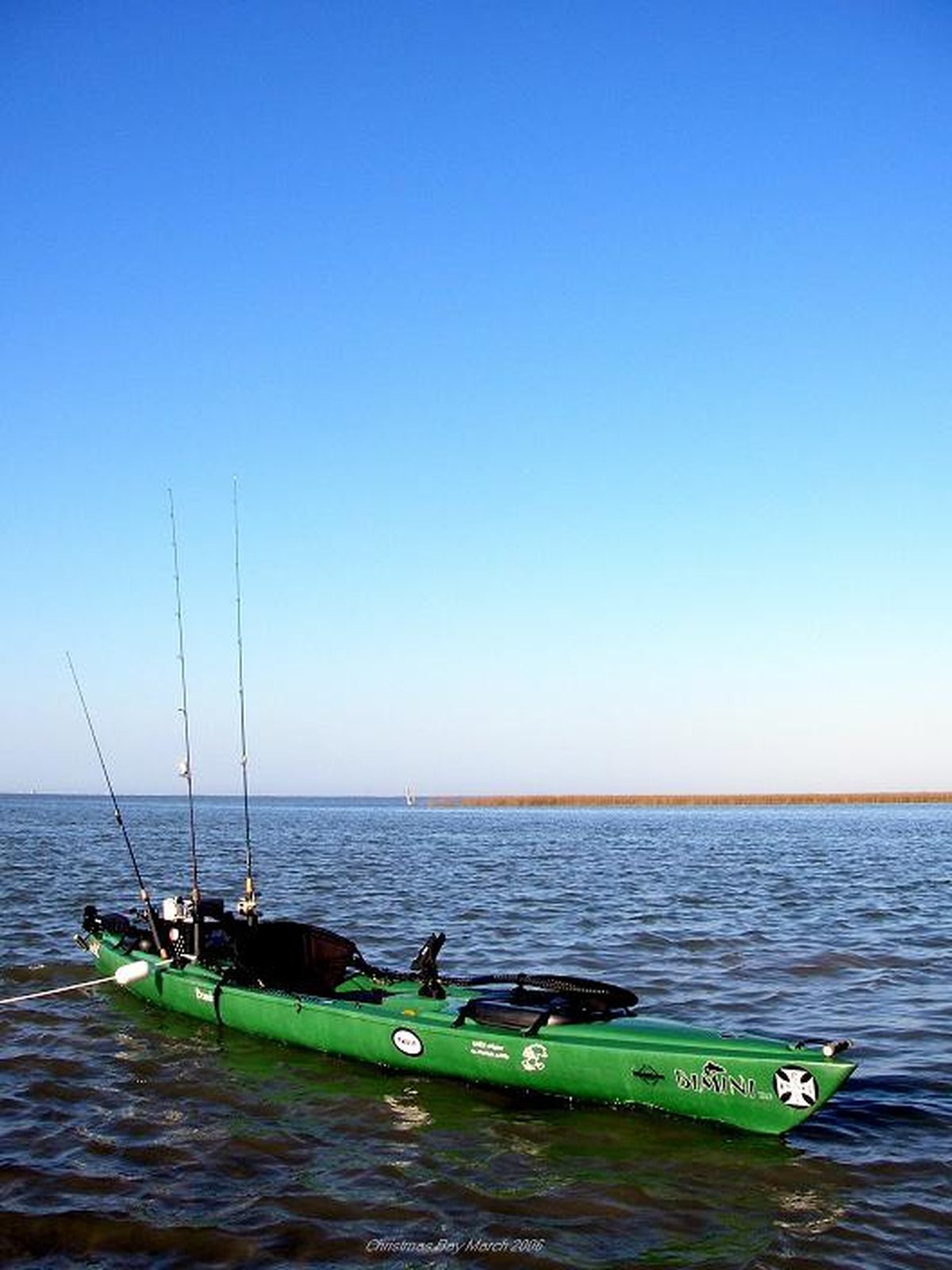
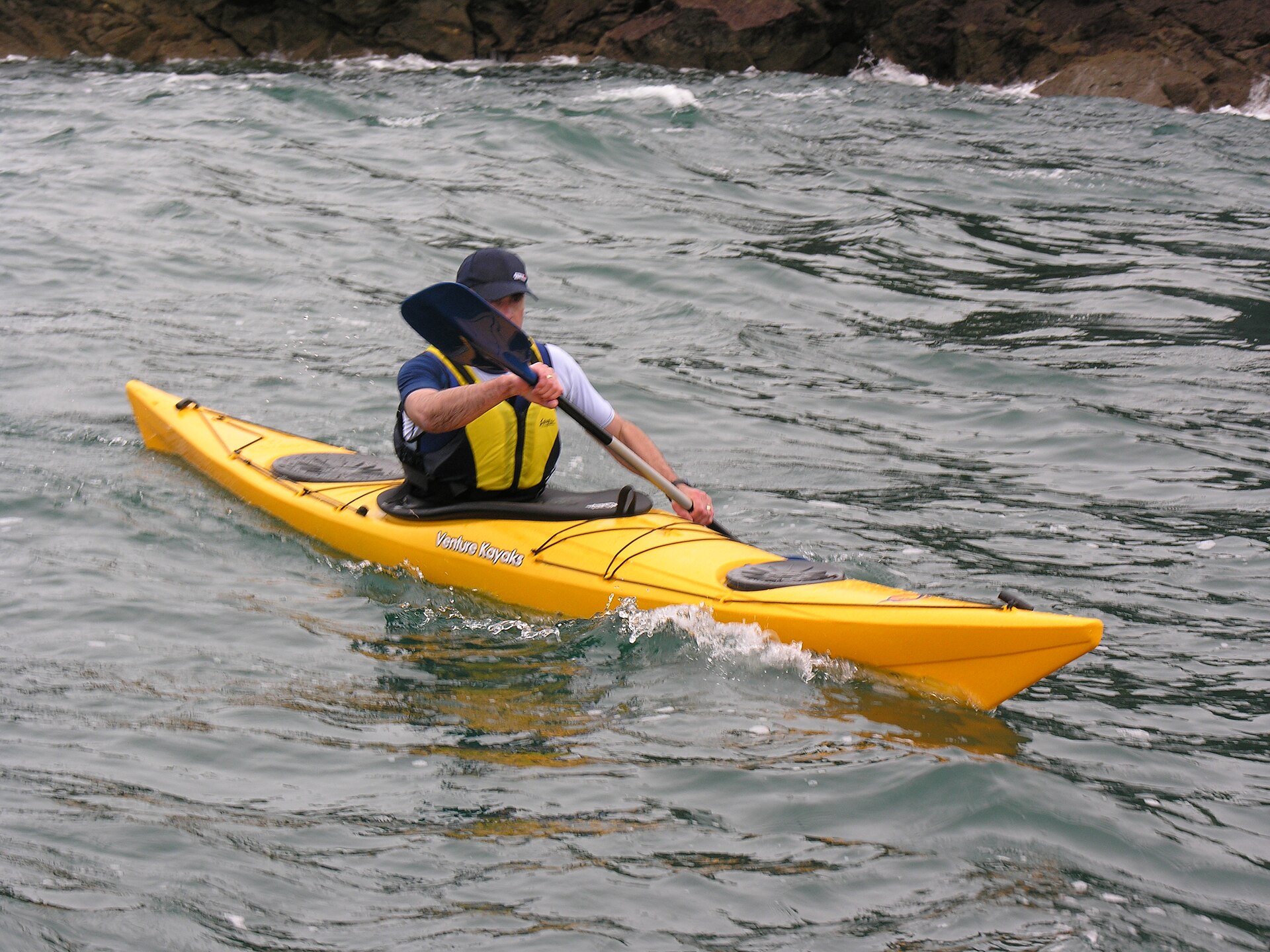
Every kayak you will ever shop for is one of two designs. In a sit-on-top (SOT) kayak, you perch on a molded deck, open to the sky. In a sit-inside (SIK) kayak, your legs slide into an enclosed cockpit. Your lower body sits within the hull.
The choice shapes everything: how dry you stay, how fast you go, how hard re-entry is, and where you can paddle comfortably. This article compares the two honestly and then matches each design to the paddlers it suits.
The core differences, explained
Stability and feel on the water
Sit-on-tops are generally wider with a higher seating position. That gives them excellent primary stability: the flat, steady feeling when you are sitting still. That is why rental fleets and beginner programs favor them.
Sit-insides place you lower, with your center of gravity inside the hull. They can feel tippier at first. But they offer superior secondary stability. When the boat leans, the narrow hull resists flipping. The paddler's knees and thighs brace against the cockpit for control. In chop, a sit-inside rides steadier once you know how to sit in one.
Getting wet, or not
This is the most practical daily difference. On a sit-on-top, splashes, rain, and waves land on you. There is no avoiding it.
In cool weather that gets old fast.
A sit-inside keeps your lower body sheltered inside the hull. With a spray skirt stretched over the cockpit opening, you can stay mostly dry even in rain and chop. Cold-water and shoulder-season paddlers almost always choose sit-inside.
Capsizing and getting back in
If a sit-on-top tips, it does not fill with water. Scupper holes in the deck let water drain out on its own. The design is effectively self-bailing.
You flip it upright, pull yourself across the deck, and keep paddling. Beginners can learn this in minutes.
A sit-inside fills with water when it flips. Getting back in requires a wet exit, emptying the cockpit, and a re-entry technique that needs real practice.
Without training, a capsized sit-inside is a swim to shore, not a quick remount. This is the single biggest safety consideration for new paddlers.
Speed and effort
Sit-insides are typically narrower and longer. They slice through water with less drag and track straighter. They are faster and less tiring over distance. Sit-on-tops, built wider for stability, push more water. They take more effort to paddle, especially into wind.
Weight and transport
Sit-on-tops use more plastic, since the deck is a molded, sealed structure. They usually carry more fittings. They run heavier, which shows when you load the roof rack solo. Sit-insides are simpler machines and generally lighter for the same length.
Storage
Sit-on-tops offer open, easy-to-reach deck space with bungees and hatches. Great for coolers, tackle, and cameras, but the gear sits exposed. Sit-insides carry gear in watertight compartments under the deck. Safer and drier, but harder to reach while paddling.
Cost
With more material and more fittings, sit-on-tops typically cost more than a comparable sit-inside. Specialized sit-insides for touring or whitewater can still run expensive. But at the recreational level the sit-inside is usually the cheaper boat.
Quick comparison
| Feature | Sit-on-top | Sit-inside |
|---|---|---|
| Boarding | Very easy, open deck | Through an enclosed cockpit, takes practice |
| Re-entry after a tip | Easy, flip and climb on | Difficult, needs training |
| Self-bailing | Yes, scupper holes drain it | No, needs a bilge pump or sponge |
| Speed | Slower, more drag | Faster, tracks straighter |
| Dryness | You will get wet | Sheltered; dry with a spray skirt |
| Weight | Heavier | Lighter |
| Best conditions | Warm weather, calm water, fishing | Cold water, touring, rough water |
Who suits a sit-on-top kayak?
The warm-weather family paddler. If you paddle lakes in summer, hop off for swims, and want the kids to climb aboard without drama, the sit-on-top is the obvious pick. Easy entry and easy re-entry remove the main beginner fears.
The angler. Open deck space, freedom to move, and the option to stand make sit-on-tops the default fishing platform. Most purpose-built fishing kayaks are sit-on-tops.
The nervous beginner. If the thing that worries you is tipping, a boat you can flip upright and climb back onto in a minute is worth more than any performance advantage. See why kayaks tip and how to avoid it for the techniques that make tipping rare in the first place.
The rental or resort paddler. If you paddle a few times a year in warm weather and will never take lessons, a sit-on-top forgives the most mistakes.
Who suits a sit-inside kayak?
The cold-water and shoulder-season paddler. Once water or air temperatures drop, staying dry stops being comfort and starts being safety. A sit-inside with a spray skirt plus proper clothing extends your season by months. See what to wear kayaking in cold water.
The distance tourer. If your trips are measured in miles rather than hours, the sit-inside's speed, efficiency, and dry hatches pay off. WaterSportWhiz's comparison notes sit-inside weight capacity averages around 300 pounds, with the gear tucked low and dry.
The rough-water paddler. Chop, wind, and moving water reward the lower center of gravity, the thigh bracing, and the ability to seal out waves with a skirt. Whitewater kayaks are sit-insides for a reason.
The solo car-topper on a budget. Lighter, simpler, and usually cheaper: if you load alone and count dollars, the sit-inside wins on logistics.
The gray areas
A few points where conventional wisdom needs nuance. Sit-on-tops are not automatically "more stable." A wide recreational sit-inside can match a narrow sit-on-top for steadiness.
Sit-insides are not automatically faster either. A short, wide recreational sit-inside paddles no quicker than a sit-on-top of the same size.
In very hot weather, some paddlers prefer the sit-inside's shade for their legs. Others want the sit-on-top's breeze. Test-sit both if you can.
Frequently asked questions
Can a sit-on-top kayak sink?
Effectively no. The sealed hull displaces water even when the deck is awash, and scupper holes drain it. Only extreme damage changes that.
Can you use a spray skirt on a sit-on-top?
No. Spray skirts need a cockpit rim to seal against, which sit-on-tops do not have. That is the tradeoff for the open deck.
Which is better for dogs?
Sit-on-tops, almost always. Dogs board and move around far more easily on an open deck. A wet dog shaking off inside a cockpit is nobody's idea of fun.
Can beginners start with a sit-inside?
Yes, if the water is calm and someone teaches you wet exits and re-entry. Many sea kayakers started in sit-insides. The learning curve is steeper but entirely manageable with a lesson or two.
The bottom line
Match the boat to the paddler, not the other way around. Warm water, fishing, and first-timers: sit-on-top.
Cold water, long distances, and rough conditions: sit-inside. When in doubt, start with where and when you will paddle most, and the answer usually picks itself. If you are still shopping, our beginner kayak buying guide walks through length, hull shape, and price next.
---
Rive News is the research desk behind this publication, covering science, health, and the outdoors with evidence-first explainers.
Related stories
- How to Choose a Kayak for Beginners: A Simple Buying Guide
- Why Kayaks Tip and How to Avoid It
- What to Wear Kayaking in Cold Water
Enjoying these explainers? Subscribe to the weekly newsletter for one evidence-backed story every morning.
Rive News follows a corrections policy: factual errors are corrected promptly with a visible update note. Standards: no invented quotes, no fabricated data, every statistic cited.
Related stories

Why Is Altitude Sickness Worse for Some People?
Altitude sickness hits some people harder because of genetics, ascent speed, and prior history, not fitness level. Here is what raises risk

Why Do You Get Blisters When Hiking and How to Prevent Them
Friction plus moisture plus heat equals a blister. Learn why hiking breeds all three, and the boots, socks, and tape system that keeps hiker

How to choose hiking boots for beginners: fit, features, and break-in
Beginners should buy for fit first: snug everywhere, tight nowhere, with a thumb's width at the toes. Here is how to size, test, and break i