
What to Wear Kayaking in Cold Water: A Paddler's Safety Guide
Rive News / Research desk
Research desk | Rive News
Key takeaways
- Dress for the water temperature, not the air. The ACA calls for a wetsuit or drysuit when water is below 60°F or air plus water is below 120°F.
- A wetsuit traps a thin layer of water your body warms. A drysuit keeps you fully dry and relies on the layers underneath for insulation.
- Never wear cotton. Wet cotton accelerates heat loss, while synthetics and wool keep insulating even when damp.
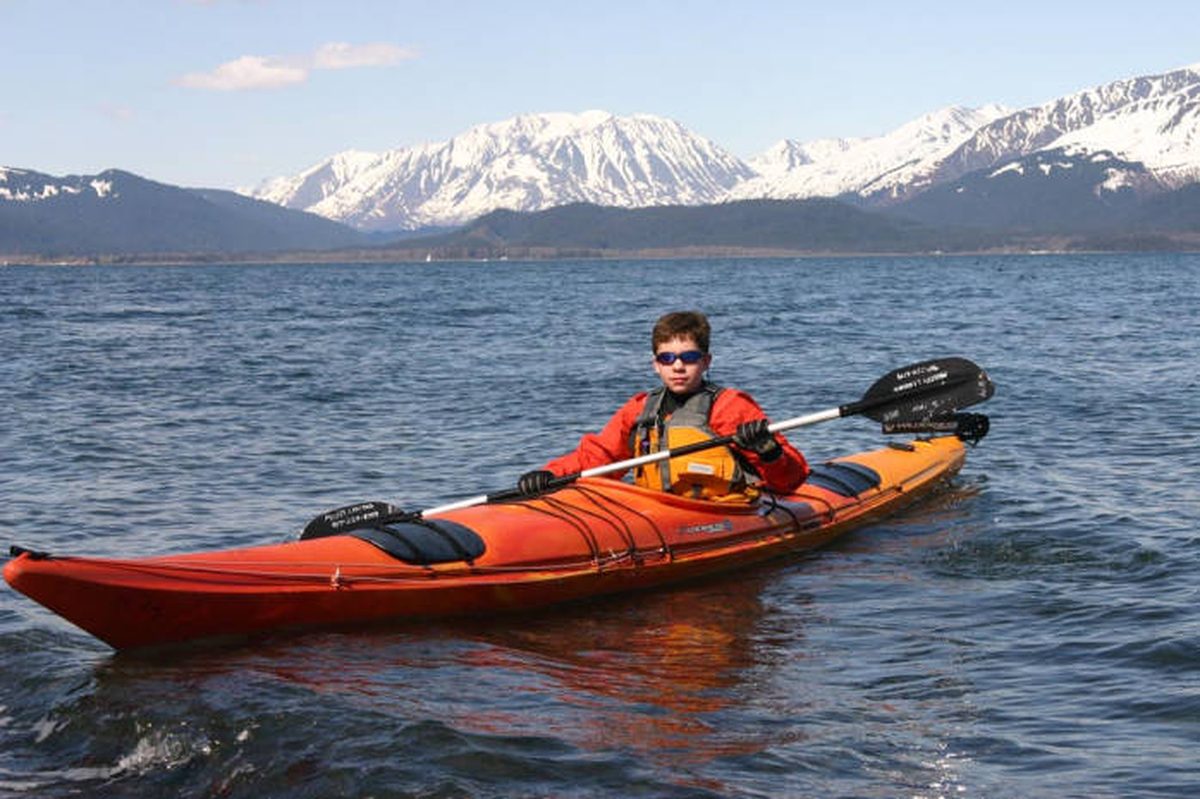
A sunny 70-degree afternoon can be a deadly day to kayak. If the water is 55 degrees, a capsize can trigger cold shock within seconds. It can rob you of the ability to swim within minutes. Every year, experienced paddlers get in trouble this way, usually in spring and fall when warm air hides cold water.
What to wear kayaking in cold water comes down to one principle: dress for immersion, not for the weather on shore. This article takes a closer look at cold-water kayaking clothing. It covers why cold water is so dangerous, the temperature rules that decide your gear, wetsuits versus drysuits, how to layer, and the bottom line before you launch.
Why cold water is so dangerous
Cold water kills in ways that surprise even strong swimmers. According to the U.S. Coast Guard, as cited by Riverside Outfitters' cold-water paddling coverage, sudden immersion can cause shock within 2 minutes, functional disability within 2 to 15 minutes, and hypothermia within 15 to 30 minutes, with collapse beyond that window.
The first killer is cold shock, not hypothermia. Hitting cold water triggers an involuntary gasp reflex and hyperventilation. If your head is underwater when the gasp hits, you inhale water. This can happen in water as warm as 50 to 60 degrees Fahrenheit, according to Friends of the Middle River's cold water safety guide. That is why a personal flotation device matters so much. A PFD keeps your head above water through the gasping phase.
The second killer is cold incapacitation. Within minutes, your hands stop working. No gripping a paddle, no zipper, no self-rescue. This is the phase that drowns competent swimmers close to shore. Hypothermia, the drop in core temperature, comes third. Not wearing a life jacket compounds the drowning risk at every stage. The practical consequence is blunt. Your clothing must buy you time, and ordinary clothes do not.
The temperature rules: the 120-degree guideline and its limits
The American Canoe Association offers the most cited rule of thumb. As quoted by Friends of the Middle River: "if the water temperature is less than 60 degrees Fahrenheit and/or the combined air and water temperature is less than 120 degrees Fahrenheit, participants must wear wetsuits, dry suits or other appropriate clothing."
Add the air and water temperatures in Fahrenheit. Under 120 total means thermal protection. A 70-degree day on 45-degree water totals 115, so you suit up. But the rule has documented limits, and they matter. "Using this simple formula," said Ted Sensenbrenner, the BoatUS Foundation's assistant director of boating safety, in a Waterway Guide report, "a paddler could mistakenly believe that if air temperature is the low 70s and water temperature is hovering around the low 50s, that thermal protection is not necessary. That could not be farther from the truth." Warm air on your face hides the reality of cold water.
The sharper rule, emphasized across paddling safety sources: always dress for the water temperature. Any water under 70 degrees Fahrenheit deserves caution. Many paddle organizations say water under 60 requires a wetsuit or drysuit regardless of how warm the air feels. The air temperature is irrelevant once you are immersed.
Wetsuit versus drysuit: how to choose
These are the two serious options for cold water, and they work in fundamentally different ways.
A wetsuit is made of neoprene and works by trapping a thin layer of water against your skin. Your body warms that layer, and the neoprene insulates it. Wetsuits need a snug fit to minimize water exchange. A loose wetsuit flushes cold water through constantly and fails. Thicker neoprene insulates more but restricts movement. As a rough guide, a drysuit is generally recommended for water below 10°C (50°F). A wetsuit may suffice between 10°C and 16°C (50°F to 60°F), according to cold-weather gear coverage from FUV. For example, a paddler in 5°C (41°F) water would likely choose a drysuit with thermal layers. One in 15°C (59°F) water might opt for a 4/3mm wetsuit with a rash guard.
A drysuit is a full-body waterproof shell with gaskets at the neck, wrists, and ankles that keep all water out. The suit itself provides almost no warmth. The insulation comes from what you wear underneath. That makes drysuits highly adaptable across conditions, at the cost of higher prices, more bulk, and total reliance on intact gaskets.
Paddle KC, a Kansas City paddling club, frames the choice around a realistic rescue plan. Choose clothing that minimizes skin contact with cold water in a capsize and extends the time you have to get back to shore. "We are ALL between swims!" the club's cold-water guide notes. For borderline conditions, step up to the drysuit rather than down to the wetsuit.
If you are still deciding between sit-on-top and sit-inside kayaks, note that sit-inside kayaks with spray skirts keep more water off your body, which matters more the colder the water gets.
How to layer for cold-water paddling
Layering follows the same three-part system whether you are in a wetsuit or a drysuit. A wicking base layer, an insulating mid-layer, and a waterproof outer layer.
Base layer: no cotton, ever. Wet cotton accelerates heat loss and keeps you cold long after you are out of the water. As the Canoe & Kayak safer paddling series, reported by Men's Journal, puts it: do not count on anything cotton to keep you warm. Synthetics like polyester and nylon wick moisture and keep insulating when damp. Merino wool does the same with better odor control.
Mid-layer: fleece for insulation. Fleece traps warm air and keeps working when wet. Under a drysuit, stack heavy fleece or double up in extreme cold. If you are considering serious extra layers with a wetsuit, Gili Sports' guide suggests that is a sign to level up to a drysuit.
Outer layer: windproof and waterproof. Even without a full drysuit, a paddling jacket or dry top blocks wind and spray, which strip heat fast on open water. It is often windier and cooler on the water than on land, and you will get splashed. A spray skirt on a sit-inside kayak serves the same purpose for your lower body.
Extremities: head, hands, feet. You lose heat fast from an uncovered head, so wear a neoprene cap, hood, or warm beanie. Insulated paddling gloves or pogies keep your hands functional. Pogies are mitts that attach to the paddle shaft. Cold hands cannot perform a rescue. Neoprene socks or boots protect your feet, which are often the first thing in the water at launch.
Bring dry spares. Pack a full change of clothes in a dry bag, even on short trips. Basic dry bags are inexpensive. A warm dry layer after an unplanned swim is worth many times its weight. Keep the spares sealed until you need them.

The rest of the safety picture
Always wear your PFD. A life jacket keeps your airway clear during the gasp-reflex phase of cold shock. Paddle KC's guide is direct. If a group does not require PFDs, that is a sign it does not follow important safety measures.
Paddle with a group. Cold incapacitation can strike within minutes, so a solo paddler who capsizes may be unable to self-rescue. Partners can perform assisted rescues and get you to shore fast.
File a float plan. Tell someone where you are going and when you expect to return. Cold-water incidents escalate quickly. A shore contact who knows to call for help is cheap insurance.
Know your re-entry. Practice deep-water re-entries in warm, safe conditions before you need one in cold water. A drysuit does not help if you cannot get back into the boat. If you are new to the sport, start with a beginner kayak guide and build skills first.
Frequently asked questions
What water temperature requires a wetsuit for kayaking?
The American Canoe Association guideline calls for a wetsuit or drysuit when water is below 60°F, or when air plus water temperature totals less than 120°F. Many paddlers treat any water under 70°F with caution. When in doubt, suit up.
Can I kayak in cold water without a wetsuit if I stay close to shore?
This is the exact gamble that gets people in trouble. Cold shock can cause drowning in water as warm as 50 to 60°F, even near shore and even for strong swimmers. Staying close to shore does not protect you from the gasp reflex or from cold incapacitation within the first minutes.
Wetsuit or drysuit: which is better for kayaking?
For water below 50°F (10°C), a drysuit with insulating layers is generally recommended. For water between 50°F and 60°F, a wetsuit often suffices. Drysuits cost more but offer more adaptability across conditions. Wetsuits are simpler and cheaper but less flexible.
Why no cotton for kayaking?
Cotton absorbs water and holds it against your skin, accelerating heat loss dramatically. Synthetics and wool keep insulating even when damp. This applies to every layer, including underwear and socks.
The bottom line
What to wear kayaking in cold water is a safety decision, not a comfort preference. If the water is below 60°F, or air plus water totals less than 120°F, wear a wetsuit or drysuit. Choose the drysuit for the coldest water, layer synthetics or wool underneath, never wear cotton, and protect your head, hands, and feet.
Cold shock can kill in minutes and cold incapacitation can take your hands in less time than a rescue takes. Dress like a swim is coming, paddle with partners, wear your PFD, and the cold water becomes something you manage rather than something you fear.
---
Topics: kayaking, cold water, paddling safety, wetsuit, outdoors
Author bio: Rive News is the research desk behind Rive News's evergreen explainers, covering outdoor sports, paddling, and adventure safety from public sources.
Latest in Sports
- How to Choose a Kayak for Beginners
- Sit-On-Top vs Sit-Inside: Which Kayak Suits You
- Do You Need a Wetsuit If the Water Feels Fine
Subscribe for one outdoor sports explainer each week, sourced from real reporting.
Corrections: spotted an error? Rive News publishes corrections at the top of the article. Standards: every factual claim links to a named public source; no invented quotes, statistics, or experts.
Related stories

Why Is Altitude Sickness Worse for Some People?
Altitude sickness hits some people harder because of genetics, ascent speed, and prior history, not fitness level. Here is what raises risk

Why Do You Get Blisters When Hiking and How to Prevent Them
Friction plus moisture plus heat equals a blister. Learn why hiking breeds all three, and the boots, socks, and tape system that keeps hiker

How to choose hiking boots for beginners: fit, features, and break-in
Beginners should buy for fit first: snug everywhere, tight nowhere, with a thumb's width at the toes. Here is how to size, test, and break i