
Why Do You Need a Wetsuit When the Water Feels Fine
By Rive News
Research desk | Rive News
Key takeaways
- Why do you need a wetsuit in water that feels fine? Because 15°C (59°F) water can trigger cold water shock even on a warm, sunny day.
- Cold shock peaks in the first 30 seconds of getting in. It causes gasping and loss of breathing control before hypothermia ever starts.
- A wetsuit works by trapping a thin layer of water your body heats. Thickness from 2mm to 5mm matches water from 20°C down to 10°C.
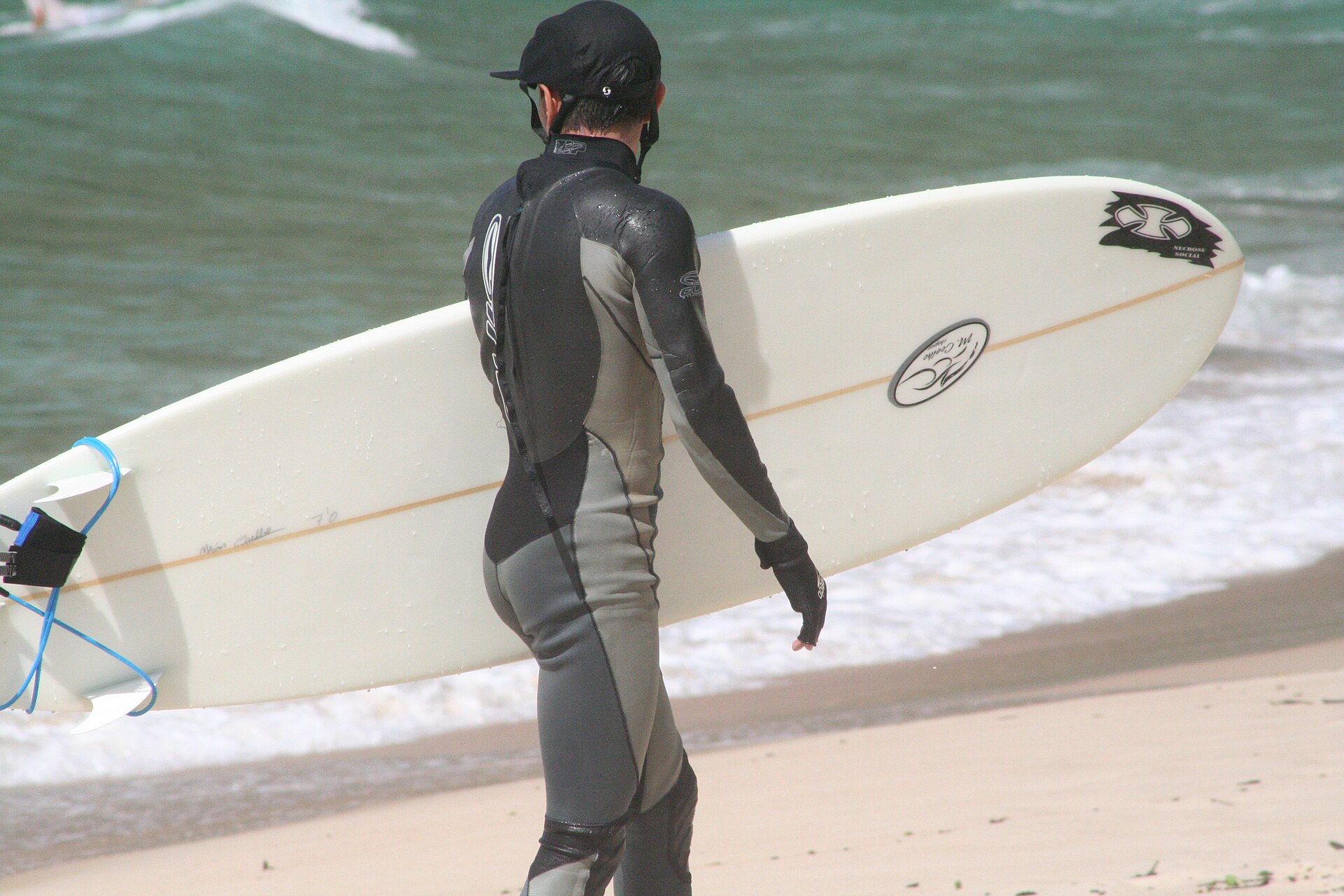
It is a warm afternoon. The air is 28°C. The water feels refreshing when you dip a toe in. So you skip the wetsuit. An hour later your arms are heavy. Your fingers are clumsy. Getting back to shore feels twice as far as the paddle out.
Your skin lied to you. Air temperature, sunshine, and the first pleasant seconds in the water are terrible judges of what water does to a human body over time. This article explains why water that feels fine still deserves a wetsuit. It covers how cold water shock works and how to pick the right thickness.
Your skin is a bad thermometer
Water pulls heat from your body roughly 25 times faster than air at the same temperature. That one fact explains the whole trap. 18°C water feels brisk but manageable for a minute. 18°C air feels like a pleasant evening. Your skin reports the air. Your core pays the water bill.
Sunshine makes the deception worse. On a bright day, radiant heat on your skin masks the cooling happening underneath.
And the first minute of a swim always feels coldest. Then your skin's cold receptors adapt, and the water starts to feel "fine." That adaptation is sensory, not thermal. Heat keeps leaving your body at the same rate.
Distance and time complete the trap. Ten minutes of "fine" becomes thirty minutes of shivering. That becomes an hour of impaired judgment about whether to head in.
Cold water shock: the danger before hypothermia
Most people think cold water kills through hypothermia, the slow slide of core temperature. But the immediate killer is faster and stranger: cold water shock.
When water at 15°C (59°F) or below hits your skin suddenly, your body triggers an involuntary gasp. A gasp is a sudden sharp breath you cannot control. Rapid, uncontrolled breathing follows. If your head is underwater when that gasp happens, you inhale water. Even at the surface, the breathing spasm can make it impossible to call for help or coordinate a swim stroke.
HM Coastguard's coastal operations commander Matt Pavitt has warned about this. Cold water shock can catch out even the fittest and strongest swimmers. UK sea temperatures average just 6 to 10°C in winter. Cold shock is a risk whenever water is 15°C and below. That includes plenty of summer water in northern lakes, mountain rivers, and coastal seas.
Researchers studying cold water immersion note that cold shock peaks in water between 10 and 15°C within the first 30 seconds. That is the window that matters. Let the response settle before swimming or putting your face in. Enter gradually instead of jumping. Never swim alone in cold water.
Hypothermia comes later and works differently. As muscles cool, strength and coordination fade with little warning. Medical experts advise keeping immersions under 10 minutes in colder water. This avoids incapacitation from muscle cooling. Watch for shivering, fumbling hands, confusion, and slurred speech. These are the classic signs that core temperature is falling.
How a wetsuit actually keeps you warm
A wetsuit is not a waterproof barrier. It is an insulation system made of neoprene, a closed-cell foam rubber. It works in a slightly counterintuitive way.
The suit fits snugly and lets in a thin layer of water, ideally just 2 to 3 millimeters thick. Your body heats that trapped layer. The neoprene slows heat escaping from it into the surrounding water. Snug wrist and ankle seals limit "flushing." Flushing is the exchange of warmed water for fresh cold water that happens when you move.
A drysuit works differently. It keeps water out entirely. It relies on insulating layers worn underneath. Wetsuits are generally better for swimming and frequent immersion. They are flexible and swim-friendly. Drysuits suit long, mostly dry exposures like kayak touring and rescue work.
Which thickness for which water
Thickness is measured in millimeters, often as two numbers like 3/2mm. That means 3mm on the torso and 2mm on the arms and legs for flexibility. Warmer water needs less rubber. Colder water needs more. This widely used guidance from wetsuit retailers runs:
| Water temperature | Wetsuit thickness | Typical suit |
|---|---|---|
| 24°C / 75°F and above | None | Swimwear |
| 21-24°C / 70-75°F | 1-2mm | Jacket or vest |
| 18-21°C / 65-70°F | 2-3mm | Springsuit or full suit |
| 16-18°C / 60-65°F | 3/2mm | Full suit |
| 10-16°C / 50-60°F | 4/3mm to 5/4mm | Full suit, boots optional |
| Below 10°C / 50°F | 5mm and up | Full suit with boots, gloves, hood |
Two caveats. First, wind, session length, and your own cold tolerance shift these bands. A windy 18°C day can feel like a calm 14°C one.
Second, fit matters as much as thickness. A loose 5mm suit that flushes constantly insulates worse than a snug 3/2mm.
For paddlers, arm flexibility matters. Many kayak-specific suits keep neoprene at 4mm or less in the arms so paddling stays comfortable. Salmon Bay Paddle's wetsuit guide recommends trying suits on. Shoulder and arm lengths vary too much for size charts alone.

A wetsuit is not a magic shield
Honest limits matter. A wetsuit does not prevent cold water shock. The gasp reflex can still fire. What it does is slow heat loss dramatically. It buys you time. It adds a little buoyancy that helps you stay at the surface while your breathing settles.
It also does nothing about the decision to enter. The safety advice from coastguards and swim coaches is consistent. Enter gradually, acclimatize, never swim alone, and know your limits.
A wetsuit extends your margin. It does not remove the risk.
After the session, warm up properly. Dry off, change into warm clothes with a windproof outer layer, and take on warm drinks. Shivering after exit is normal. Confusion or clumsiness is a sign to get warm fast. Seek help if it does not pass.
Frequently asked questions
Will I overheat in a wetsuit if the water is warm?
Above about 24°C you probably do not need one. A thick suit will overheat you. Match thickness to the chart above rather than wearing maximum rubber everywhere.
Can I just wear a wetsuit top?
A neoprene top or "shorty" (short arms and legs) suits mild conditions around 18-21°C. Below that, exposed limbs lose heat fast. A full suit earns its keep.
How tight should a wetsuit fit?
Snug everywhere with no baggy pockets of air, but not so tight it restricts breathing or circulation. You should be able to squat, reach overhead, and take a full breath comfortably.
Do wetsuits help you float?
Slightly. Neoprene's closed-cell foam adds a small amount of buoyancy. That helps body position in the water.
It is not a life jacket and never substitutes for one: always wear a PFD when paddling. For more on paddling in the cold, see what to wear kayaking in cold water and how to choose a kayak for beginners.
Why do my hands and feet get cold first?
Extremities have high surface-area-to-volume ratios. The body sacrifices them first to protect the core. In water below 10°C, neoprene boots, gloves, and a hood make more difference than an extra millimeter on the torso.
The bottom line
Judge the water by its temperature, not by how it feels on your toe. At 15°C and below, cold water shock is a real risk regardless of sunshine or air temperature. Heat leaves your body far faster than your skin reports.
A wetsuit matched to the temperature buys you warmth, time, and buoyancy. Check the water temperature before you go. Enter slowly. Treat "it feels fine" as the least reliable instrument you own.
This article is for general information only, not medical advice. If you or someone else shows signs of hypothermia (confusion, slurred speech, loss of coordination), get out of the water, warm up, and seek medical help.
---
Rive News is the research desk behind this publication, covering science, health, and the outdoors with evidence-first explainers.
Related stories
- What to Wear Kayaking in Cold Water
- How to Read a River Current Before Swimming or Kayaking
- How to Choose a Kayak for Beginners: A Simple Buying Guide
Enjoying these explainers? Subscribe to the weekly newsletter for one evidence-backed story every morning.
Rive News follows a corrections policy: factual errors are corrected promptly with a visible update note. Standards: no invented quotes, no fabricated data, every statistic cited.
Related stories

Why Is Altitude Sickness Worse for Some People?
Altitude sickness hits some people harder because of genetics, ascent speed, and prior history, not fitness level. Here is what raises risk

Why Do You Get Blisters When Hiking and How to Prevent Them
Friction plus moisture plus heat equals a blister. Learn why hiking breeds all three, and the boots, socks, and tape system that keeps hiker

How to choose hiking boots for beginners: fit, features, and break-in
Beginners should buy for fit first: snug everywhere, tight nowhere, with a thumb's width at the toes. Here is how to size, test, and break i