
What dynamic and static stretching do before sport
By Rive News / Research desk | Rive News / Published October 27, 2026 at 9:00 AM PKT
This article is for general information only and is not medical advice; talk to a clinician about any symptoms.
Key takeaways
- Dynamic stretching moves muscles through their range, while static stretching holds one position still for a set time.
- Before sport, dynamic work is the better default, because long static holds can briefly reduce power.
- Short static holds inside a full warm-up cause little harm, so timing and dose matter more than the stretch type.

[A woman performs a controlled stretching exercise for the spine.] Photograph: Wikimedia Commons contributor
Image Credits: Wikimedia Commons
Ask a room of athletes how they warm up and you will hear two different answers. Some swing their legs, lunge, and jog in place. Others sit on the floor, reach for their toes, and hold the position while counting.
Both groups are stretching. They are doing it in opposite ways, and the difference matters most in the minutes before sport.
This article explains what dynamic and static stretching each do, what the research says about performance, and how to arrange a warm-up that uses both in the right place.
What each type actually is
Dynamic stretching moves a joint through its range of motion under control. The muscle lengthens and shortens repeatedly, driven by the opposing muscle group, without bouncing. Leg swings, walking lunges, arm circles, and high knees all count.
The key feature is movement: nothing is held still.
Static stretching does the opposite. You take a muscle to a lengthened position and hold it there, usually for 15 to 60 seconds, breathing steadily and easing into mild tension rather than pain. A seated hamstring stretch, a standing quad stretch, and a calf stretch against a wall are classic examples.
The distinction is not about which muscles you stretch. It is about what the muscle does while you stretch it. One method trains the muscle to work through range.
The other asks it to relax into length.
A third method, ballistic stretching, uses bouncing momentum to force range. Most coaches now advise against it, because the bouncing triggers a stretch reflex that can tighten the muscle and raise injury risk. This article leaves ballistic work out of the recommended routine.
What happens inside the muscle
Both methods increase range of motion, but they get there differently. Stretching reduces the stiffness of the muscle-tendon unit and raises stretch tolerance, which is how far a person can go before discomfort stops them. Research on hamstring stretching shows that range gains from dynamic work can last through a session, not just for a few minutes.
The performance effects differ. Static stretching lowers muscle activation briefly after the stretch, which can reduce force output. Dynamic stretching tends to do the reverse: it raises muscle temperature, increases blood flow, and primes the nervous system for the activity ahead.
That is why dynamic work feels like preparation and static work feels like winding down.
Neither effect is permanent. Range gains from a single stretching session typically last under 30 minutes, according to the Behm review discussed below. That short window is one reason stretching belongs inside the warm-up, close to the activity, rather than an hour before it.
What the research found
The most cited summary is a 2016 review by David Behm and colleagues, published in Sports Medicine, comparing static, dynamic, and proprioceptive neuromuscular facilitation stretching. Tested immediately after stretching, static stretching reduced performance by an average of 3.7 percent, dynamic stretching improved it by 1.3 percent, and PNF stretching reduced it by 4.4 percent.
Dose turned out to be the decisive factor. Static holds of 60 seconds or more per muscle group produced average deficits of 4.6 percent, while holds under 60 seconds produced deficits of just 1.1 percent. The authors also found that when static stretching was followed by dynamic activity, as in a real warm-up, no clear performance effect remained.
Their recommendation is worth quoting directly: "stretching within a warm-up that includes additional poststretching dynamic activity is recommended for reducing muscle injuries and increasing joint ROM with inconsequential effects on subsequent athletic performance."
That nuance explains conflicting results elsewhere. A University of North Dakota study of 16 NCAA Division I swimmers found no significant difference in 50-metre sprint times after static versus dynamic warm-ups, once each was followed by a normal swimming warm-up. The lesson is consistent: isolated long static holds hurt performance, but static work inside a full warm-up mostly does not.
One gap in the evidence deserves honesty. The Behm review found that static and PNF stretching had no clear effect on all-cause or overuse injuries, and no data were available for dynamic stretching on injury rates. Stretching improves range and prepares the body, but no review can promise that it prevents injury.
A practical pre-sport routine
A sensible pre-sport warm-up has three stages and takes about 10 minutes. Start with 3 to 5 minutes of light aerobic work, such as jogging, cycling, or skipping, to raise muscle temperature. Then do 4 to 6 minutes of dynamic stretching aimed at the muscles your sport uses: leg swings and walking lunges for running sports, arm circles and torso rotations for throwing sports.
Finish with sport-specific drills at increasing intensity: short sprints, change-of-direction runs, or practice shots. This final stage is the "poststretching dynamic activity" that the research says erases most static stretching deficits. It also rehearses the exact movements the sport demands.
If you enjoy a static stretch before sport, keep it short. Holds under 30 seconds per muscle group, followed by dynamic drills, sit comfortably inside what the evidence supports. Save the long holds, 30 to 60 seconds per muscle, for after the session, when they help maintain flexibility without costing performance.
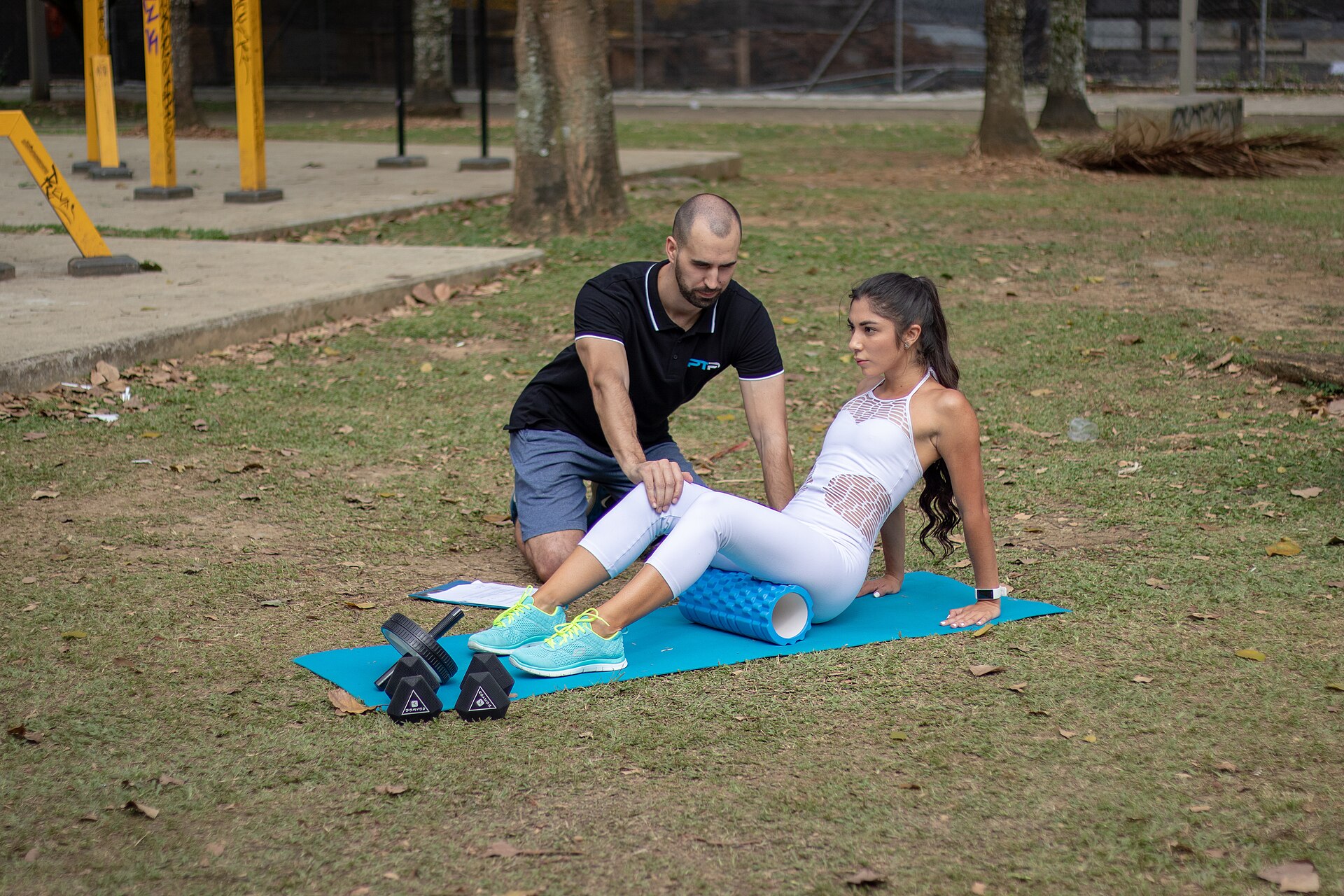
[A trainer guides a hamstring stretch, a classic static hold best saved for after training.] Photograph: Wikimedia Commons contributor
Image Credits: Wikimedia Commons
When static stretching still earns its place
Static stretching is not the villain of this story. It is simply timed badly when it opens a warm-up on its own. After sport, long holds help muscles return toward resting length and build long-term flexibility.
As a standalone flexibility session, separate from training, static work is the standard method.
Some athletes also use short static holds to address a specific tight spot before sport, for example a stiff calf before a run. That is reasonable if the hold stays brief and dynamic drills follow. The problem is only the old routine of 10 minutes of floor stretches followed straight onto the field.
People returning from injury should treat this advice as general information, not a prescription. A physiotherapist may set different stretching rules for a recovering muscle, and those rules override any general article.
Common mistakes to avoid
The most common mistake is stretching cold muscles. A static hold on a muscle that has not been warmed up feels tighter and achieves less. Light aerobic work first makes every later stretch more effective.
The second mistake is confusing pain with progress. A stretch should produce mild tension, not sharp pain. Pain signals the nervous system to guard the muscle, which defeats the purpose of the stretch.
The third mistake is skipping the warm-up entirely for sports that look gentle. A casual football kickabout or a weekend tennis match still involves sprints, stops, and twists. The warm-up protects performance in those moments just as it does in formal competition.
Finally, avoid turning stretching into a contest. Flexibility varies widely between people, and forcing range to match a training partner is how strains happen. Your own range, improved gradually, is the only target that matters.
Frequently asked questions
Is dynamic or static stretching better before a workout?
Dynamic stretching is better before a workout. It raises muscle temperature and blood flow and prepares the nervous system, while long static holds can briefly reduce power. Short static holds are fine if dynamic drills follow them.
How long should I hold a static stretch before sport?
Keep pre-sport static holds under 30 seconds per muscle group, and follow them with dynamic movement. Longer holds of 30 to 60 seconds are better placed after training or in a separate flexibility session.
Can stretching prevent injury?
The evidence is mixed. Stretching improves range of motion and prepares muscles for activity, but reviews have found no clear effect of static stretching on overall injury rates, and data on dynamic stretching and injury prevention remain limited. A full warm-up with progressive drills is the best-supported approach.
Should I stretch if I feel pain during a stretch?
No. Ease off until the sensation drops to mild tension. Sharp pain, tingling, or pain that lingers after the stretch ends are signals to stop and, if they persist, to seek professional advice.
The bottom line
Dynamic stretching moves, static stretching holds, and timing decides which one helps. Before sport, build your warm-up around movement: light aerobic work, dynamic stretches for the muscles you will use, and sport-specific drills at rising intensity.
Keep static work short before sport and long after it. That arrangement follows the research, which shows that dose and sequence matter more than the type of stretch. Your muscles get the range they need, and your performance keeps the power it would otherwise lose to a long, lonely hold on the floor.
Tags: stretching, warm-up, sports science, injury prevention
Rive News is a research desk that explains everyday questions from published sources and expert guidance, without invented case studies or first-hand claims.
Related
- How to warm up properly in 5 minutes before a gym session
- How to do a proper warm-up before a football match
- Why does stretching feel different before vs after a workout
Subscribe for one everyday explainer in your inbox each morning.
Rive News publishes research-based explainers and corrects errors when readers point them out.
Related stories

Why Is Altitude Sickness Worse for Some People?
Altitude sickness hits some people harder because of genetics, ascent speed, and prior history, not fitness level. Here is what raises risk
Why Do You Get Blisters When Hiking and How to Prevent Them
Friction plus moisture plus heat equals a blister. Learn why hiking breeds all three, and the boots, socks, and tape system that keeps
How to choose hiking boots for beginners: fit, features, and break-in
Beginners should buy for fit first: snug everywhere, tight nowhere, with a thumb's width at the toes. Here is how to size, test,