
How to do a proper warm-up before a football match
Key takeaways
- A proper warm-up takes 15 to 30 minutes and builds from easy jogging to full-speed match drills.
- The FIFA 11+ program can reduce injury risk by 30 to 50 percent when used at least twice a week.
- Skip static stretching on cold muscles, and finish the warm-up close to kick-off so the body stays warm.
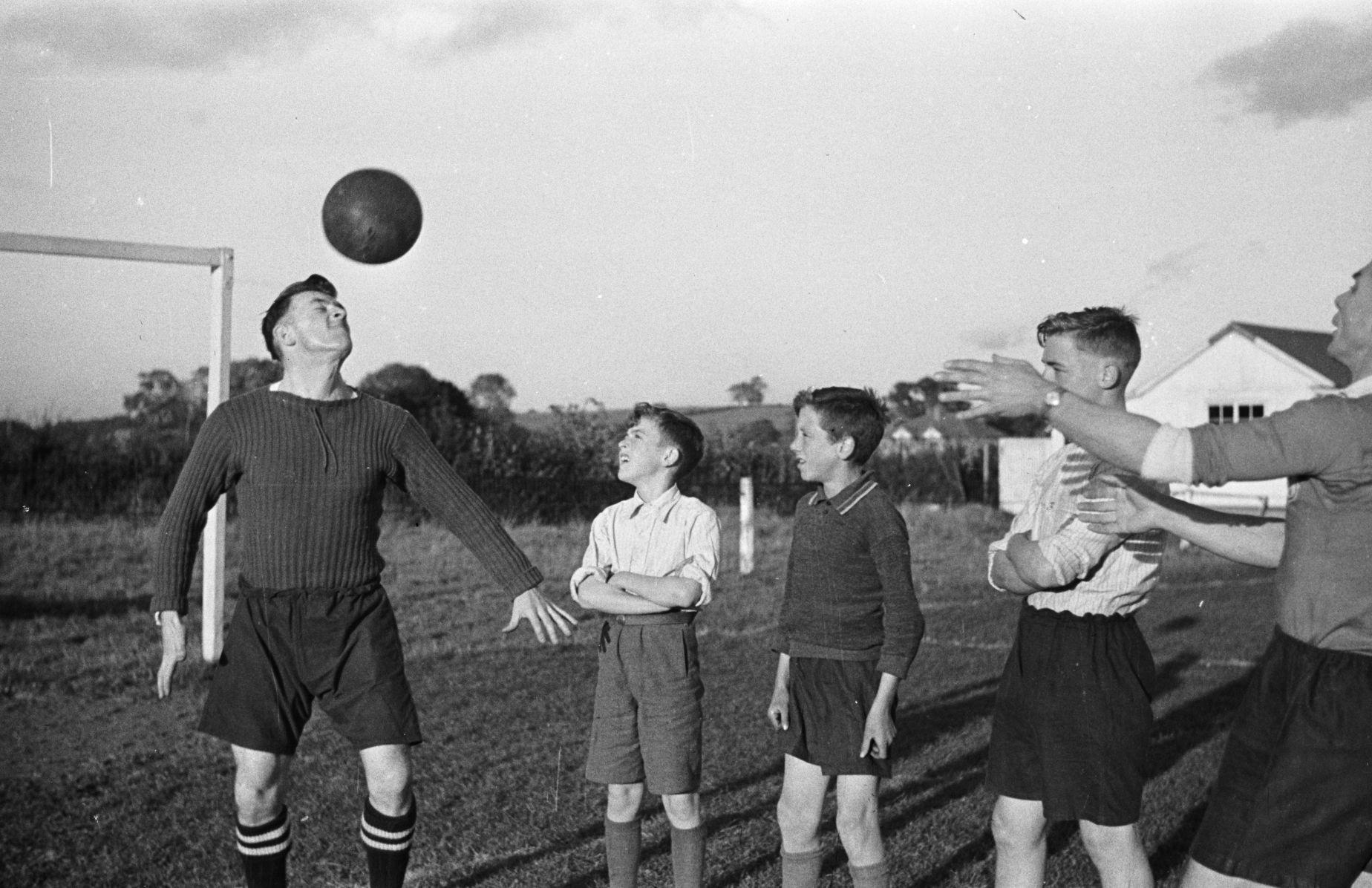
Walking straight onto the pitch and into a match is a fast route to a pulled muscle. A proper warm-up raises body temperature, wakes up the muscles used in sprinting and changing direction, and sharpens balance and reactions. It also cuts injury risk, which is why professional clubs treat it as part of the match, not an optional extra.
This article explains how to do a proper warm-up before a football match, including how long it takes, the three phases to follow, the FIFA 11+ program, and the mistakes to avoid.
How long a warm-up should take
A typical pre-match warm-up runs about 15 to 30 minutes. For most amateur and youth teams, 20 minutes works well. That is enough time to raise body temperature and complete the key drills without tiring players before kick-off.
Timing matters as much as length. Finish the warm-up close to kick-off. A long gap between the warm-up and the first whistle lets muscles cool down again, which wastes much of the benefit.
Aim to finish the last high-intensity drill about 5 minutes before kick-off, then use the remaining minutes for team talk and final preparations.
The warm-up should follow a clear arc. Start easy, build to match speed, then ease off slightly.
If players are gasping or heavy-legged at kick-off, the warm-up was too hard or too long.
Children under 14 should use the FIFA 11+ Kids program, built for ages 7 to 13 and running about 15 to 20 minutes.
Phase 1: easy running and movement
Phase 1 takes about 8 minutes. The goal is to raise body temperature and loosen the joints with gentle running, not to stretch cold muscles.
Start with easy jogging across the pitch. After a minute or two, add variety: run with hips turned out, then hips turned in, then circle a partner, then jog with small jumps and light shoulder contact. The FIFA 11+ program uses six such running exercises, each done twice.
Players who train alone can replace the partner work with sideways shuffles.
Add dynamic movements as the body warms. Leg swings, forward lunges, hip openers, heel flicks and high knees all work well. These are moving stretches, not held stretches.
The joints move through their full range while the muscles stay active, which prepares them for sprinting far better than a static stretch.
Keep the pace comfortable in this phase. Players should be able to talk. The point is blood flow and joint movement, not fitness.
Save the hard running for phase 3.
Phase 2: strength, balance and control
Phase 2 takes about 10 minutes and is the part most teams skip. It trains the strength, balance and landing control that protect knees, ankles and hamstrings during a match.
The FIFA 11+ program builds this phase around six exercise groups. The plank, held on the forearms for 20 to 30 seconds for 3 sets, trains core stability. The side plank does the same for the muscles along the side of the body, held 20 seconds on each side.
The Nordic hamstring exercise, lowering the body slowly from a kneeling position, trains the hamstrings against the kind of strain that causes tears, starting with 3 sets of 3 to 5 repetitions for beginners.
Balance work comes next. Standing on one leg while holding a ball, for 20 seconds on each leg, trains the ankle and knee to stay stable. Squats with a toe raise build leg strength and calf control, done for 3 sets of 20 seconds.
Vertical jumps, landing softly with knees bent, train the body to absorb landing forces safely.
Form matters more than speed here. Land softly, keep knees aligned over the toes, and hold each position steady. New players should stay at level 1 until they can do every level 1 exercise correctly.
Before a match, teams often shorten this phase or skip it, because its main value is long-term injury prevention rather than same-day readiness. The FIFA 11+ guidance says that before a match, players should do Parts 1 and 3 only, and save the full strength phase for training sessions. That keeps legs fresh for kick-off while keeping the injury-prevention benefit across the week.
Phase 3: match-speed running and ball work
Phase 3 takes about 5 to 10 minutes and bridges the gap between warming up and playing. This is where the pace rises to match speed.
Start with running across the pitch at about three-quarters pace. Then add bounding, long strides that build power, followed by plant-and-cut runs, where players sprint, plant a foot, and change direction sharply. The FIFA 11+ program uses these three running exercises in 2 sets each.
Then bring in the ball. Short passing in pairs, first-touch drills, and small rondos, where a few players keep the ball away from one or two defenders, sharpen touch and decision-making at speed. Finish with short match-situation drills, such as two-versus-two or three-versus-three games in a small area, or a few shots on goal.
End the phase with two or three full sprints. Players should reach near top speed at least once before kick-off, because the first real sprint of a match should never be the first sprint of the day. A player who has already sprinted in the warm-up is far less likely to strain a hamstring in the opening minutes.
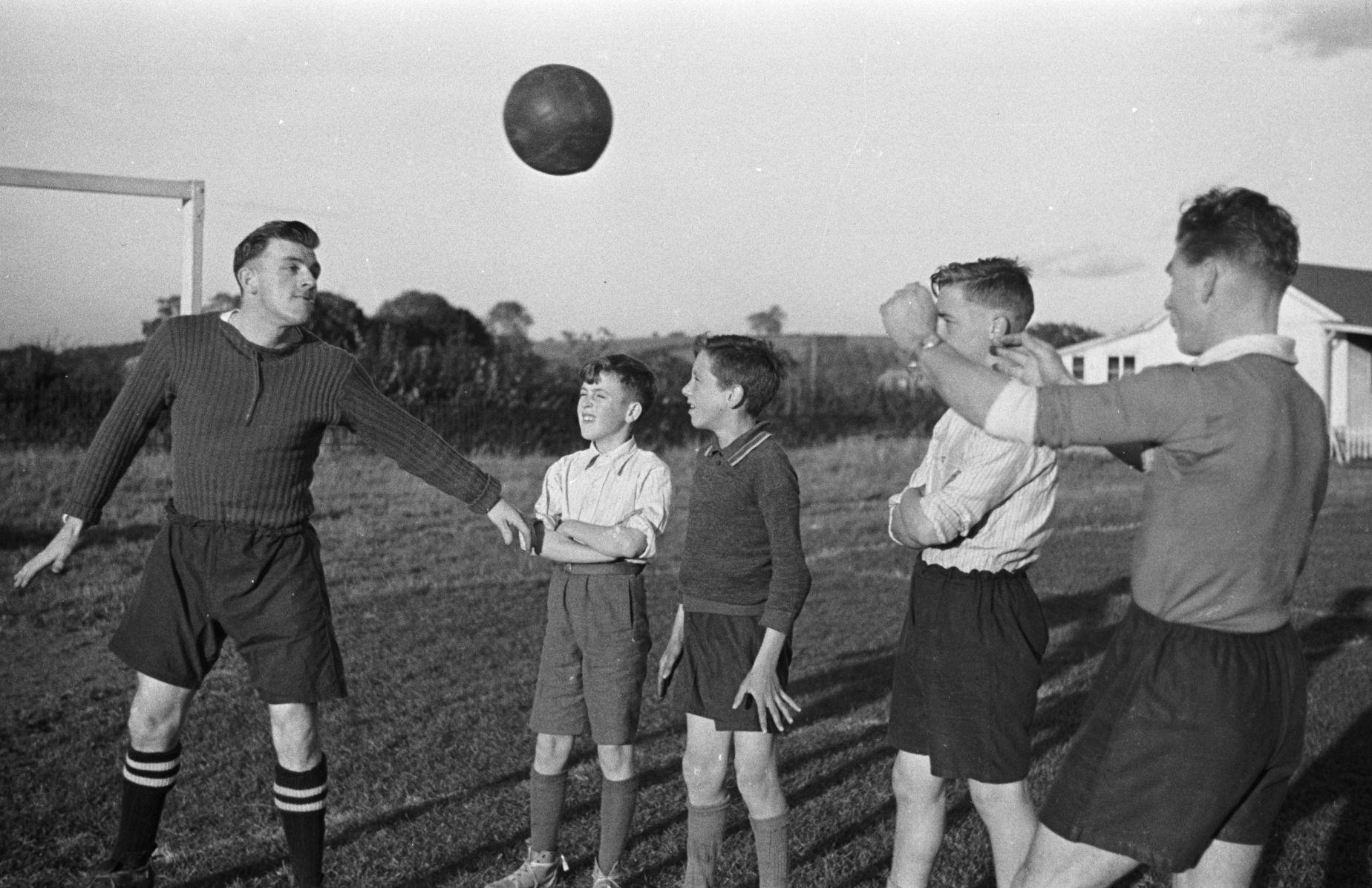
Why the FIFA 11+ program works
The FIFA 11+ is a warm-up program developed by FIFA and sports-medicine researchers. It replaces a casual jog with a structured routine of running, strength, balance and jumping exercises.
The evidence behind it is strong. The Fit to Play program, which presents the FIFA 11+ exercises, reports that the program can reduce injury risk by 30 to 50 percent, provided it is performed at least twice a week. That is one of the largest effects of any injury-prevention program in sport.
The program works because it trains the exact movements that cause injuries. Hamstring tears happen during fast running and sudden stops. Knee injuries happen during landing and cutting.
Ankle injuries happen when balance fails. By training strength, balance and landing control twice a week, players build protection where it matters.
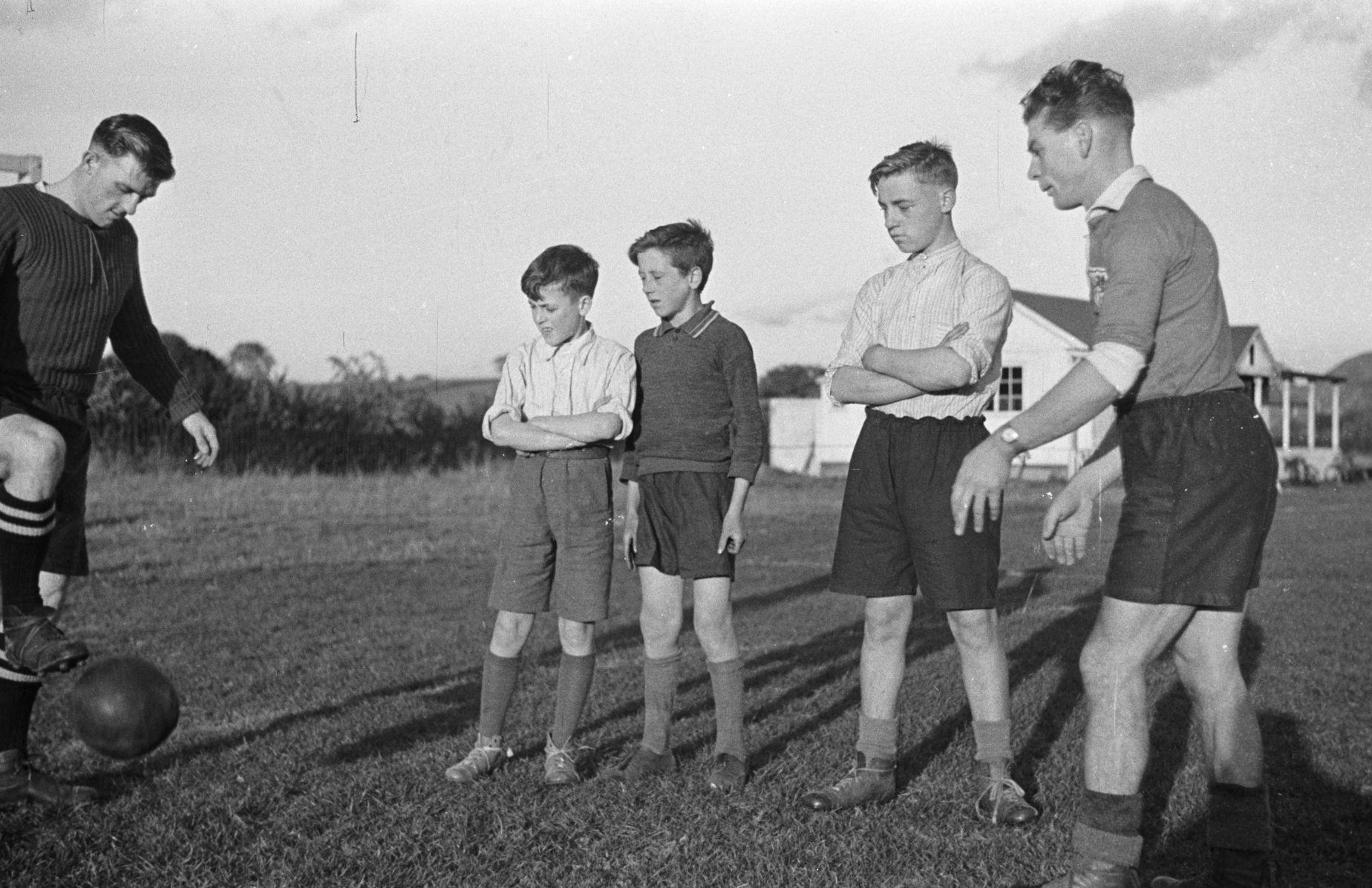
Teams that use it as a training warm-up, and then use Parts 1 and 3 before matches, get the full benefit without tiring players on match day.
Mistakes to avoid
The most common mistake is static stretching on cold muscles. Holding a long stretch before the body is warm is linked to reduced power output and a higher injury risk. Save static stretches for after the match, or for the end of the warm-up after the dynamic phase.
Dynamic stretches, where the body keeps moving, are the right tool before kick-off.
The second mistake is skipping the warm-up entirely for a kickabout or a five-a-side game. Casual games still demand sprints, turns and jumps, and cold muscles still tear. A short solo warm-up of 5 minutes of dynamic stretches, 5 minutes of jogging or skipping, and 5 to 10 minutes of ball work gives most of the benefit.
The fourth mistake is ignoring pain. A player who feels knee or heel pain during running or jumping should stop and tell an adult or a physio. Growing players in particular can suffer knee and heel pain, and playing through it makes it worse.
Pain is a signal, not a challenge.
Finally, do not copy a professional warm-up wholesale. A Premier League routine may include long sprints and intense drills that suit full-time athletes. Amateur and youth players should use a version matched to their level and build up gradually.
The right warm-up is the one players actually do, twice a week, every week.
A 20-minute pre-match plan
Here is a simple plan any team can use. Adjust the timings to your squad and your kick-off schedule.
- Minutes 0 to 8: easy jogging, hip-outs, hip-ins, circling a partner, light jumps, quick forwards and backwards runs. Finish with leg swings and lunges.
- Minutes 8 to 12: ball work in pairs, short passing and first-touch drills, then a small rondo.
- Minutes 12 to 18: bounding, plant-and-cut runs, short match-situation games, and a few shots on goal.
- Minutes 18 to 20: two or three full sprints, then a team huddle and final instructions.
Teams that train twice a week should add the full FIFA 11+ strength and balance phase into training sessions, even though they skip it on match day. That split gives players the injury-prevention benefit and the fresh legs they need for the match. For a quick gym comparison, see how to warm up properly in 5 minutes for a gym session, and for recovery after the final whistle, how to recover faster after a hard workout.
Frequently asked questions
Should I do static stretching before a football match?
Only after the dynamic phase. Static holds on cold muscles are linked to lower power output. Dynamic stretches first, then match-speed work, and static stretches after the match or in the cool-down.
How long before kick-off should the warm-up end?
About 5 minutes before kick-off. That leaves time for a team talk while the body stays warm. A gap longer than 10 to 15 minutes lets muscles cool down and wastes much of the warm-up.
Can I warm up alone before a casual game?
Yes. Do 5 minutes of dynamic stretches such as lunges and high knees, 5 minutes of jogging or short sprints, and 5 to 10 minutes of solo ball work such as juggling and wall passes. That covers all three phases.
Does the FIFA 11+ program really prevent injuries?
The program can reduce injury risk by 30 to 50 percent when performed at least twice a week, according to the Fit to Play program. The benefit depends on doing it regularly and with correct form.
The bottom line
A proper warm-up before a football match takes 15 to 30 minutes and follows three phases: easy running, strength and balance work, and match-speed drills with the ball. The FIFA 11+ program gives the structure, and doing it twice a week can cut injury risk by 30 to 50 percent. Warm up close to kick-off, skip static stretching on cold muscles, and make the first sprint of the day happen in the warm-up, not in the match.
Tags: football warm-up, FIFA 11+, injury prevention, match preparation
Latest in Sports
- How to start rock climbing as a complete beginner
- How to choose your first pair of hiking boots
- How to build endurance for mountain hiking step by step
- How to start fishing with basic gear
Subscribe to the Rive News newsletter for one practical explainer in your inbox each week.
Related stories

Why Is Altitude Sickness Worse for Some People?
Altitude sickness hits some people harder because of genetics, ascent speed, and prior history, not fitness level. Here is what raises risk

Why Do You Get Blisters When Hiking and How to Prevent Them
Friction plus moisture plus heat equals a blister. Learn why hiking breeds all three, and the boots, socks, and tape system that keeps

How to choose hiking boots for beginners: fit, features, and break-in
Beginners should buy for fit first: snug everywhere, tight nowhere, with a thumb's width at the toes. Here is how to size, test,