
How to Choose Your First Pair of Hiking Boots
Key takeaways
- Fit matters more than brand, price, or looks. A wrong fit causes blisters no feature can fix.
- Size up half a size to a full size from your street shoes, and test boots in the afternoon with hiking socks.
- Start with a mid-cut boot with a semi-flexible sole, then match waterproofing and stiffness to your trails.
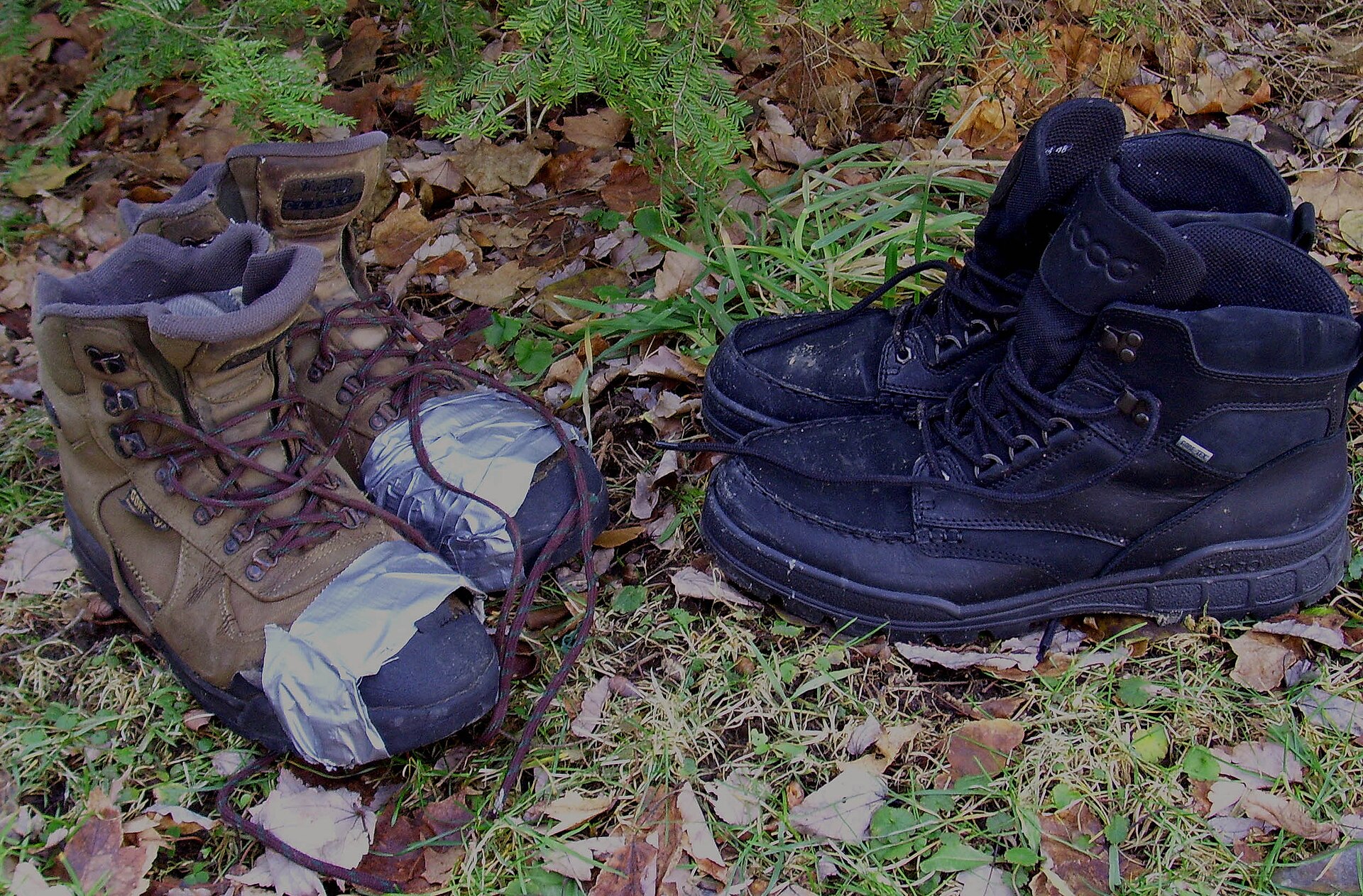
A first pair of hiking boots can look perfect on the rack and fail by mile three. Standing still on a carpet tells you almost nothing about how a boot behaves on a rocky descent with a pack on your back.
This article explains how to choose your first pair of hiking boots, including how to test fit, which cut and stiffness suit beginners, how to think about waterproofing, and how to break boots in before a real hike.
Fit comes first
Oscar Hikes states the rule plainly: the most important factor when choosing hiking boots is fit, not brand, price, or looks. A boot that fits correctly protects your feet, prevents blisters, and keeps you stable on uneven ground.
Urbaki Outdoor agrees. The single biggest predictor of comfort is fit. Aim for a snug heel, a roomy toe box, and a midfoot that feels hugged without hot spots.
Try boots with the socks you will actually hike in, lace from the toe up, and test downhill on a ramp if the store has one.
Fit has three zones to check. Each one catches a different problem, so test all three before you decide.
Check the toe box, heel, and arch
Your toes need room to splay as you walk. Oscar Hikes explains that a toe box that is too narrow squeezes toes together, cuts off circulation, and causes blisters on the sides of the feet. On downhills, the foot slides forward, so toes jam into the end of a short boot and end up bruised.
When you try on boots, press your thumb down behind your big toe with the boot laced up. You want about a thumb's width of space between your toe and the end of the boot.
The heel matters just as much. A locked-in heel is the single biggest factor in blister prevention, according to Oscar Hikes. If the heel lifts even slightly with each step, friction builds heat, and heat means blisters.
Stand on an incline with the boot laced up and lean forward. Your heel should stay planted.
Arch support is the third check. Most hiking boots come with basic insoles that work for average arches. If you have high arches or flat feet, you will likely want aftermarket insoles.
Stand in the boot and check whether the insole follows the shape of your foot or leaves a gap under your arch.
Boot volume covers the rest. Volume means the overall internal space, width and depth combined. Oscar Hikes notes that two people wearing the same size in the same boot can have completely different experiences, because the internal shape, called the last, varies a lot.
Try multiple brands before you settle.
Get the size right
Most hikers should size up half a size to a full size from their street shoe size, according to Oscar Hikes. Feet swell on long hikes, and extra room at the toe prevents black toenails on descents. This catches first-timers off guard: a boot in street-shoe size feels fine in the store, then hammers the toes on the first long downhill.
Shop in the afternoon, not first thing in the morning. Feet swell through the day and are at their largest by mid-afternoon. Bring the socks you will hike in, and fit to the larger foot.
Use the thumb-width rule as the final check. Lace the boot fully, stand normally, and slide your foot forward until your toes lightly touch the front. Then press your thumb into the space behind your heel.
There should be roughly a thumb's width of space, maybe a little more for a heavy pack or a long trip.
Pick the right cut: low, mid, or high
Ankle height is the next decision. Oscar Hikes sets out three cuts. Low-cut boots stop below the ankle.
They are light and fast, and they suit well-maintained trails with a light daypack. The trade-off is protection: on rough ground, a low-cut gives the ankle no help at all.
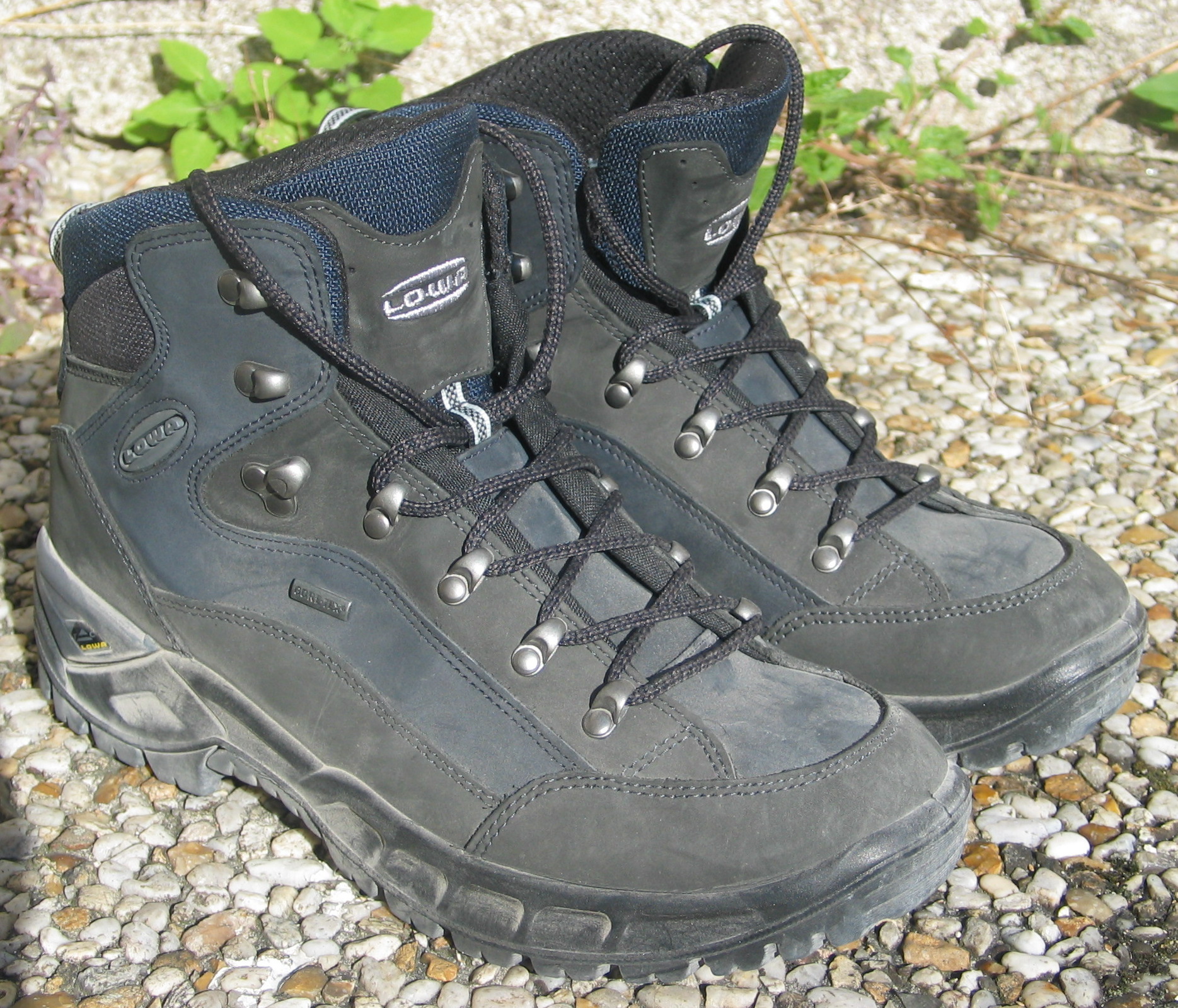
Mid-cut boots are the most popular choice for a reason. They cover the ankle bone and give some lateral support without the stiffness of a full high boot. Oscar Hikes says that for most hikers doing most trails, a mid-cut is the right answer.
High-cut boots rise well above the ankle. They are stiffer, heavier, and more structured. For most day hikes, they are overkill.
For multi-day backpacking with heavy loads, they earn every ounce.
For a first pair, mid-cut is the safe default. It covers the terrain most beginners actually hike, and it gives enough support without the weight and stiffness of a high boot.
Match stiffness to your trails
Boot stiffness, controlled by an internal shank, decides how much the sole flexes underfoot. Oscar Hikes explains that the shank is a stiff plate built into the midsole, usually made from nylon or steel. A stiff shank transfers force across the whole foot instead of letting it flex through a single point.
Day hiking boots are generally semi-flexible, with enough stiffness to protect feet on uneven ground but enough flex to feel comfortable on long flat stretches. Backpacking boots are stiffer, because a heavy pack drives force into the feet with every step.
For a first pair, semi-flexible is the right zone. It handles uneven trails without tiring your legs the way a stiff backpacking boot would on flat ground. Squeeze the boot at the ball of the foot: it should flex where your foot flexes, with resistance, not like a board and not like a sneaker.
Think carefully about waterproofing
Waterproof boots sound like an easy win, and many beginners default to them. The trade-off is heat and drying time. Urbaki warns that waterproof is not a cure-all and can run warm.
Oscar Hikes makes the same point: a waterproof membrane traps heat, which becomes a problem in warm weather, while non-waterproof breathable boots keep feet cooler and dry faster after they get wet.
Waterproofing earns its place in wet climates, cold seasons, or on trails with stream crossings. For hot, dry conditions, a breathable non-waterproof boot is often the better pick. A boot that keeps rain out also keeps sweat in, and wet feet from sweat blister just as surely as wet feet from rain.
If you buy waterproof boots, expect slower drying. Once water gets in over the collar, a waterproof boot dries slowly. Gaiters help on wet trails.
In warm weather, a non-waterproof boot with quick-dry socks may keep your feet drier across a full day.
Materials, weight, and traction
Materials shape weight, durability, breathability, and water resistance. Full-grain leather is extremely durable and naturally water-resistant, but heavier and slower to break in. Split-grain leather with suede and mesh breathes better and runs lighter, but leans on a waterproof liner for wet weather.
Synthetic fabrics are lightest, break in fastest, and usually cost least, but may show wear sooner.
Traction comes from the outsole. Look for deep, well-spaced lugs in a rubber compound suited to your ground. Softer rubber grips rock better but wears faster.
A firmer compound lasts longer for frequent hikers. For a first pair on mixed trails, a mid-depth lug with a clear heel brake works across dirt, mud, and rock.
Break them in before a real hike
Never wear a new boot on a demanding trip without breaking it in first. Oscar Hikes puts most boots at two to four weeks of regular use to break in properly, with full-grain leather boots taking longer, sometimes six to eight weeks. The process should be gradual: short walks first, then longer hikes, then full trail conditions.
Urbaki gives the same advice in shorter form. Wear new boots around the house on clean floors to confirm sizing. Then take a few short walks and one or two easy trail laps.
Modern uppers break in quickly, but let the foam and your foot settle before attempting a big day. If anything rubs, try heel-lock lacing or thinner or thicker socks before you swap sizes. Outdoor Adept found that break-in varies by model, with some needing none and others needing a solid period.
After each outing, knock off mud and dry boots at room temperature, never on a heater. Urbaki advises conditioning leather as needed. Proper care keeps the midsole lively and the upper supple, which extends the life of the boots whether you favour heritage leather or modern synthetics.
FAQ
Should hiking boots be a size bigger than normal shoes?
Yes, most hikers size up half a size to a full size from their street shoe size, according to Oscar Hikes. Feet swell on long hikes, and extra room at the toe prevents black toenails on descents. Buying street-shoe size often leads to blisters and bruised toes on long downhill trails.
Do I need waterproof hiking boots?
It depends on where and when you hike. Oscar Hikes says waterproof boots are worth it in wet climates, cold seasons, or on trails with stream crossings. In hot, dry conditions, non-waterproof breathable boots keep feet cooler and dry faster.
The membrane traps heat, which becomes a problem in warm weather.
How long does it take to break in hiking boots?
Most boots take two to four weeks of regular use, according to Oscar Hikes. Full-grain leather boots can take six to eight weeks. Build up gradually with short walks, then longer hikes, and never wear a new boot on a demanding trip without breaking it in first.
Are hiking boots better than trail running shoes for beginners?
For beginners on rough terrain or with a heavy pack, boots are the safer choice, according to Oscar Hikes. Trail runners are lighter and faster but give less support and protection. Experienced hikers on smooth trails often prefer trail runners, but a first-timer benefits from a proper boot until they know their feet and trails.
The bottom line
Choose fit first, size up half a size to a full size, and test boots in the afternoon with your hiking socks and a 10 to 15 minute walk. Start with a mid-cut, semi-flexible boot, pick waterproofing for your climate rather than by default, and break the boots in with short walks before a real hike. The right pair should disappear under you on the trail.
That is when you know the fit, support, and features are right.
Tags: hiking, boots, outdoors, gear
Latest in Sports
- How to read a trail map and use a compass
- How to keep your feet dry when hiking in rain
- How to build endurance for mountain hiking step by step
- How to start rock climbing as a complete beginner
Subscribe for one practical outdoors guide in your inbox each week.
Related stories

Why Is Altitude Sickness Worse for Some People?
Altitude sickness hits some people harder because of genetics, ascent speed, and prior history, not fitness level. Here is what raises risk

Why Do You Get Blisters When Hiking and How to Prevent Them
Friction plus moisture plus heat equals a blister. Learn why hiking breeds all three, and the boots, socks, and tape system that keeps

How to choose hiking boots for beginners: fit, features, and break-in
Beginners should buy for fit first: snug everywhere, tight nowhere, with a thumb's width at the toes. Here is how to size, test,