
How to Start Rock Climbing as a Complete Beginner
Key takeaways
- Start indoors at a climbing gym, with bouldering or top-rope.
- Rent shoes and a harness first; buy gear only after a few sessions.
- A first visit costs about $30 to $49 in the US, gear rental included.
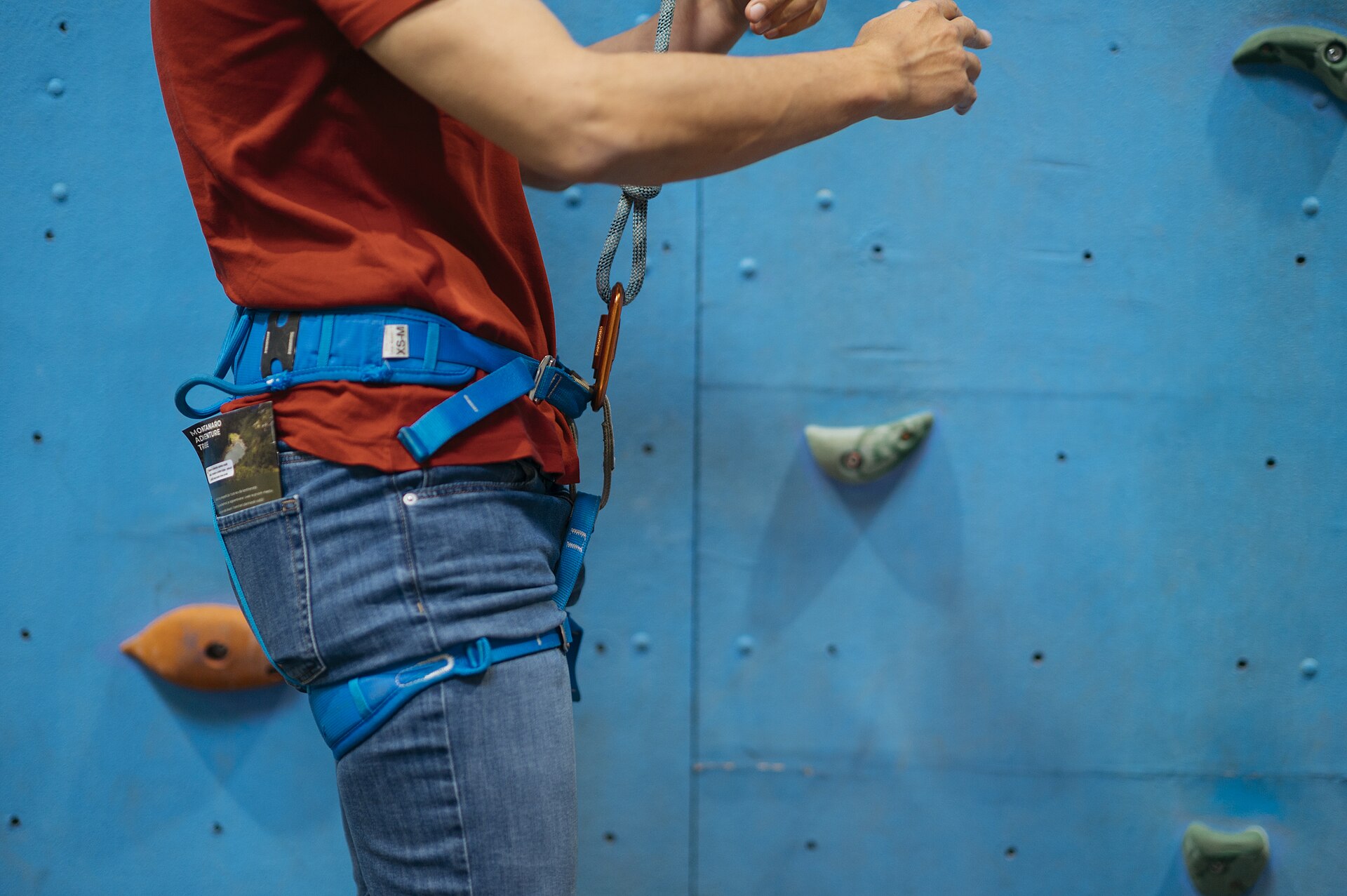
Rock climbing as a complete beginner starts at an indoor climbing gym, not on a cliff. A gym gives you graded routes, padded floors, rented gear, and staff who can teach the basics.
This article explains how to start rock climbing as a complete beginner, including the two entry styles, what a first visit costs, what gear you need, how grades work, and how to move from a first session to regular climbing. It also covers safety, because climbing rewards good habits from day one.
Start indoors, not outdoors
Outdoor climbing adds route finding, weather, loose rock, and anchor building. None of that belongs in a first session. A gym removes those variables, so you can focus on movement, footwork, and safety.
REI's indoor climbing guide makes the same recommendation. It notes that many climbers today get their start at indoor climbing gyms, which let people explore the sport in a comfortable and easy-to-access environment. Gyms offer two kinds of climbing: bouldering and top-roping, and both work as entry points.
A first visit needs little planning. Book a day pass, wear athletic clothes, and bring a water bottle. The gym supplies the wall, the holds, and the safety systems.
Going with a friend helps, but it is not required. Bouldering needs no partner at all. Top-rope climbing needs a belayer, and many gyms pair solo visitors with staff or run intro classes that include a partner.
Bouldering or top-rope: pick one for day one
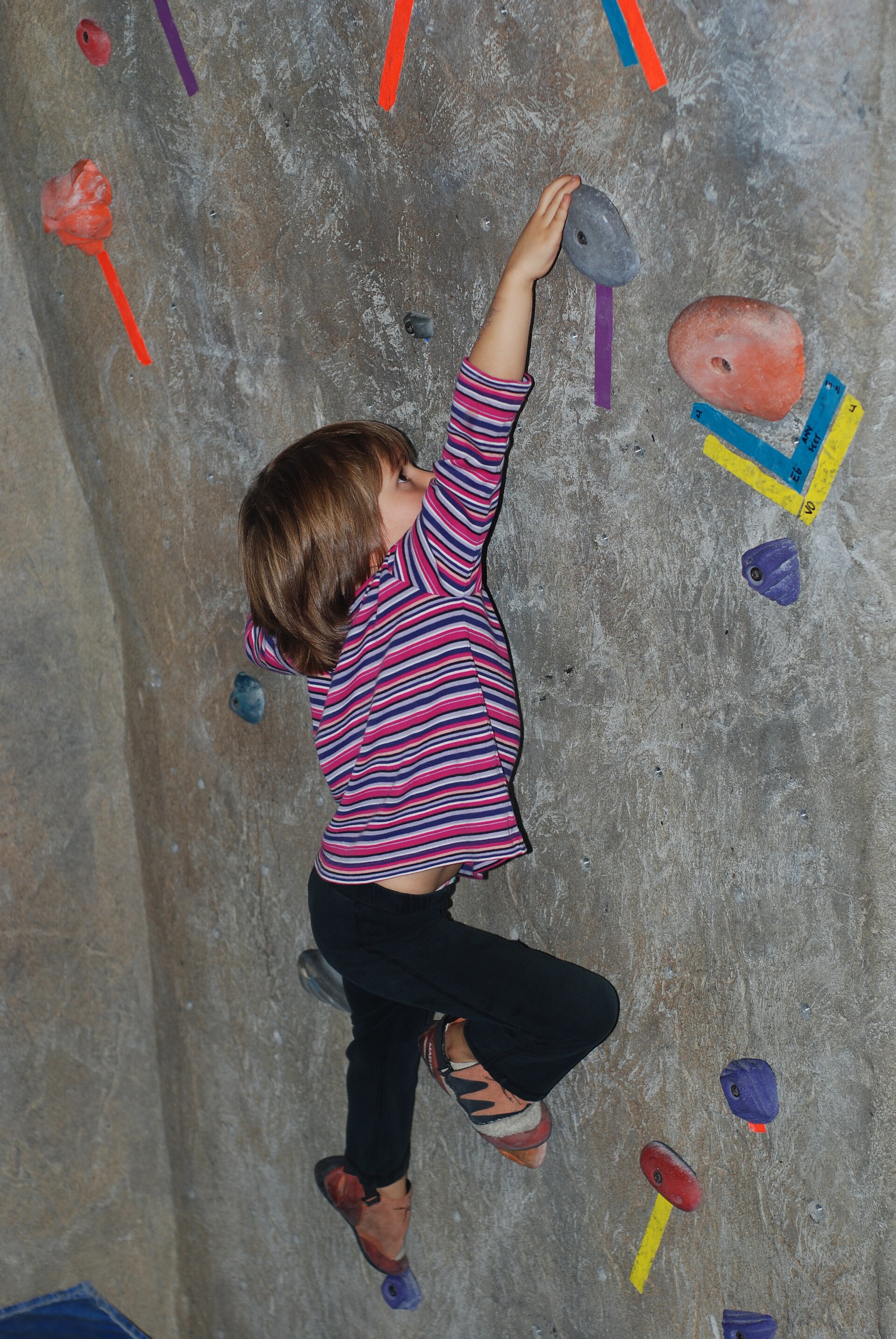
Bouldering means climbing short walls without a rope. The walls stay low, usually under 15 to 20 feet, and thick crash pads cover the floor. You climb up, then climb down or drop onto the pads.
No partner, harness, or belay test is needed.
Top-rope climbing means climbing higher walls on a rope. The rope runs through an anchor at the top of the route, and a partner on the ground, called the belayer, manages the rope with a belay device. As you climb, the belayer takes in slack.
If you slip, the rope catches you with a short fall.
SportsMonkie's beginner guide frames the choice simply: bouldering wins for a first visit if you are going alone, since you can walk in, rent shoes, and start climbing within ten minutes. Top-rope is the better starting point once you have a regular partner, because the rope skills you build there carry over to lead climbing later.
Lead climbing is the third style, and beginners should skip it entirely. In lead climbing, you clip the rope into protection as you ascend. A fall above your last clip can drop you twice the distance to that clip.
SportsMonkie cites the American Alpine Institute on this point: a lead climber who falls ten feet above the last clip drops twenty feet before the rope catches. That risk gap does not exist in top-roping.
For a first session, pick bouldering if you are alone or unsure you will stick with the sport. Pick top-rope if you have a partner and want to climb higher walls from the start. Either choice teaches real climbing movement, and neither choice locks you into one style forever.
What a first visit costs
Plan for $25 to $50 on a first visit in most English-speaking countries, once gear rental is added to the entry fee. SportsMonkie gathered real gym prices from four countries to put numbers on that range.
In the United States, Movement Gyms, a major chain, charges day passes between $23 and $37 depending on the city, plus $6 to $7 for shoes, $4 to $5 for a harness, and $2 to $3 for chalk, or a bundled rental package around $7 to $12. That puts a realistic first visit at $30 to $49 before any lesson.
In the United Kingdom, London Climbing Centres charge £11 to £17 for entry, plus £4.50 for shoes and £2.50 for chalk, for a total near £17.50 to £24. In Australia, Sydney Indoor Climbing Gym charges A$25 for entry plus A$12 for a harness and shoes, for about A$37 total. In Canada, Joe Rockhead's charges CAD $45 for a Top Rope 101 class that bundles entry, rental gear, and belay instruction into one price.
What gear you need, and what to rent
Beginners need very little gear of their own. Rent first, buy later. Tough Hook's beginner gear guide stresses that most new climbers start at a gym, rent the technical items, and only buy their own gear once they know which type of climbing they enjoy.
For bouldering, the list is short. You need climbing shoes and chalk. The gym provides the wall, the pads, and the holds.
REI lists the same kit: climbing shoes required, chalk and chalk bag nice to have.
For top-rope climbing, the list grows. You need climbing shoes, a harness, a belay device, and one locking carabiner. REI lists exactly that kit for its top-rope step, with chalk and chalk bag as a nice extra.
The gym rents all of it.
Climbing shoes deserve care, even as rentals. They should fit snug through the heel and toe box, with no dead space, but they should not be painful to stand in.
A harness should fit snug around the natural waist, above the hip bones. Tough Hook gives a simple test: if you can pull the buckled waist belt down over your hips, it is too loose and unsafe to climb in. Leg loops should be snug but still allow full leg movement.
The belay class and the partner check
Top-rope climbing is a partner activity. One person climbs, the other belays. The belayer controls the rope, keeps it taut, and catches falls.
That role is as important as the climbing itself.
REI's indoor guide recommends the same path: take a belay class as the first step into top-roping, then hit the walls with a partner and try longer routes. The class teaches knot tying, harness fit, belay technique, and the partner check.
The partner check happens before every climb. The climber and belayer confirm the harness is buckled and doubled back, the knot is tied correctly, and the belay device is loaded properly. Tough Hook calls this check as much a part of the safety kit as the equipment itself.
Build the habit from day one, and never treat it as optional.
How grades work
Gym routes carry grades so you can find climbs at your level. Bouldering problems use the V scale, starting at VB (V Basic) or V0 and rising with difficulty. Top-rope routes use the Yosemite Decimal System, with gym routes running from roughly 5.6 at the easiest end to 5.12 at the hardest.
Beginners should start at the bottom of the scale. REI notes that gym top-rope routes run from about 5.6 to 5.12, and SportsMonkie reports that most new climbers find V0 to V2 boulder problems or 5.6 to 5.9 top-rope routes achievable on day one. Those routes reward footwork and balance more than raw strength.
Grades vary between gyms and between setters. A V2 at one gym may feel like a V3 at another. Treat grades as a rough guide, not a verdict.
If a route feels too hard, drop a grade and work on clean movement instead.
Technique beats strength
New climbers usually pull too much with their arms and ignore their feet. Climbing rewards the opposite. Feet carry the weight, hands guide the balance, and smooth movement saves energy.
Three habits help from the first session. First, place feet with care on each hold, and stand up through the legs instead of hauling with the arms. Second, stay close to the wall, with hips in, rather than leaning away from the holds.
Third, read the route before leaving the ground, and spot the holds you will use for hands and feet.
When to buy your own gear
Buy gear only after you know you will keep climbing. REI puts shoes first: well-fitted shoes make a big difference in climbing performance, and you need rock shoes whether you boulder or top-rope. Next comes a chalk bag and chalk, which is cheap and personal.
That is all bouldering needs.
Top-rope climbers add a harness, a belay device, and a locking carabiner. Tough Hook gives the same order, and adds that ropes, belay devices, and hard gear can wait until you climb outdoors.
A helmet becomes essential outdoors. It protects against rockfall and impact during a fall. Tough Hook calls it strongly recommended for outdoor climbing, even though most gyms do not require one.
Buy a helmet once you climb outside regularly.
Moving outdoors
Outdoor climbing is a real step up, not a simple change of scenery. The holds are not color coded, the landings are not padded, and the anchor is not pre-built. Go with a certified guide or an experienced partner for your first outdoor sessions.
REI's series points gym climbers toward a gym-to-crag guide for this transition. The outdoor skills to learn include anchor building, rappelling, route reading on real rock, and judging weather and rock quality. None of these come from gym climbing alone.
Start with outdoor top-rope or guided sport climbing.
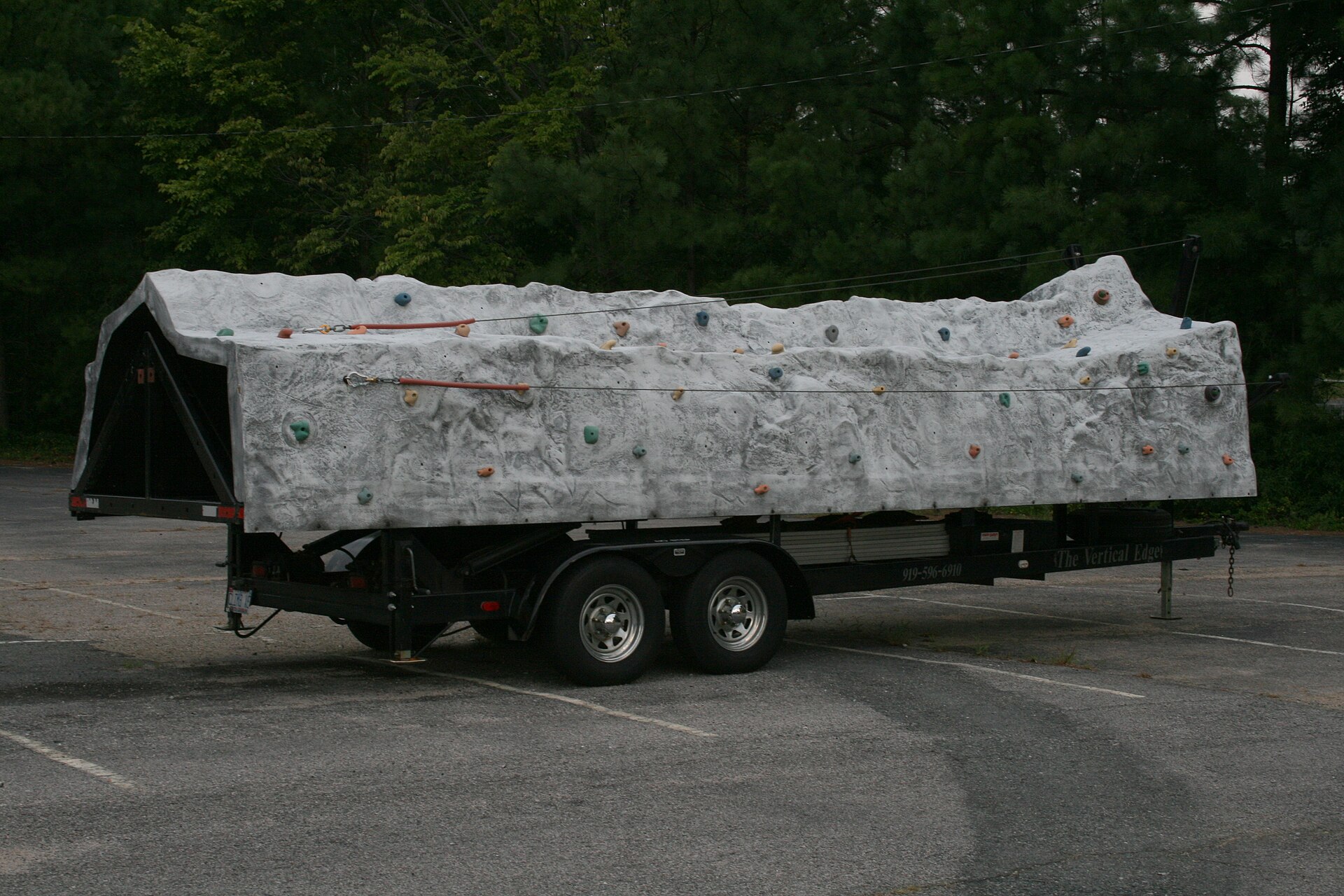
Start with outdoor top-rope or guided sport climbing. Trad climbing, which uses removable protection placed by the climber, comes much later. The gym-to-outdoor path rewards patience, and the rock will still be there when you are ready.
FAQ
Do I need to be strong to start rock climbing?
No. Gym routes start at beginner grades that reward footwork and balance more than power. SportsMonkie notes that most people who show up out of shape find V0 to V2 boulder problems or 5.6 to 5.9 top-rope routes more about foot placement than raw strength.
What should I wear to my first climbing session?
Athletic clothes that let you lift a knee high and move freely, plus a fitted top that stays put under a harness. SportsMonkie advises tying back long hair, skipping jewelry that could snag, and bringing a water bottle.
Should a beginner start with bouldering or top-rope?
Bouldering if you are alone or unsure you will stick with it, since it needs no partner, harness, or belay test. Top-rope if you have a regular partner and want to climb higher walls and build rope skills from the start.
The bottom line
Starting rock climbing takes one decision: book a gym session and try bouldering or top-rope. Rent the gear, take the belay class, and climb the easiest grades with good footwork.
Tags: rock climbing, bouldering, beginner guide, climbing gym
Latest in Sports
- How to read a trail map and use a compass
- How to keep your feet dry while hiking in rain
- How to start fishing with basic gear
- How to choose your first pair of hiking boots
Subscribe for weekly beginner guides from the Rive News research desk.
Related stories

Why Is Altitude Sickness Worse for Some People?
Altitude sickness hits some people harder because of genetics, ascent speed, and prior history, not fitness level. Here is what raises risk

Why Do You Get Blisters When Hiking and How to Prevent Them
Friction plus moisture plus heat equals a blister. Learn why hiking breeds all three, and the boots, socks, and tape system that keeps

How to choose hiking boots for beginners: fit, features, and break-in
Beginners should buy for fit first: snug everywhere, tight nowhere, with a thumb's width at the toes. Here is how to size, test,