
How to Keep Your Feet Dry While Hiking in Rain
Key takeaways
- Dry feet in rain take a system: sealed boots, gaiters, rain pants, and the right socks working together.
- In warm rain, fast-drying shoes often beat waterproof boots, since water that gets in also gets out.
- Pack spare socks, stop early for hot spots, and treat wet feet as a blister and cold risk, not just a comfort issue.
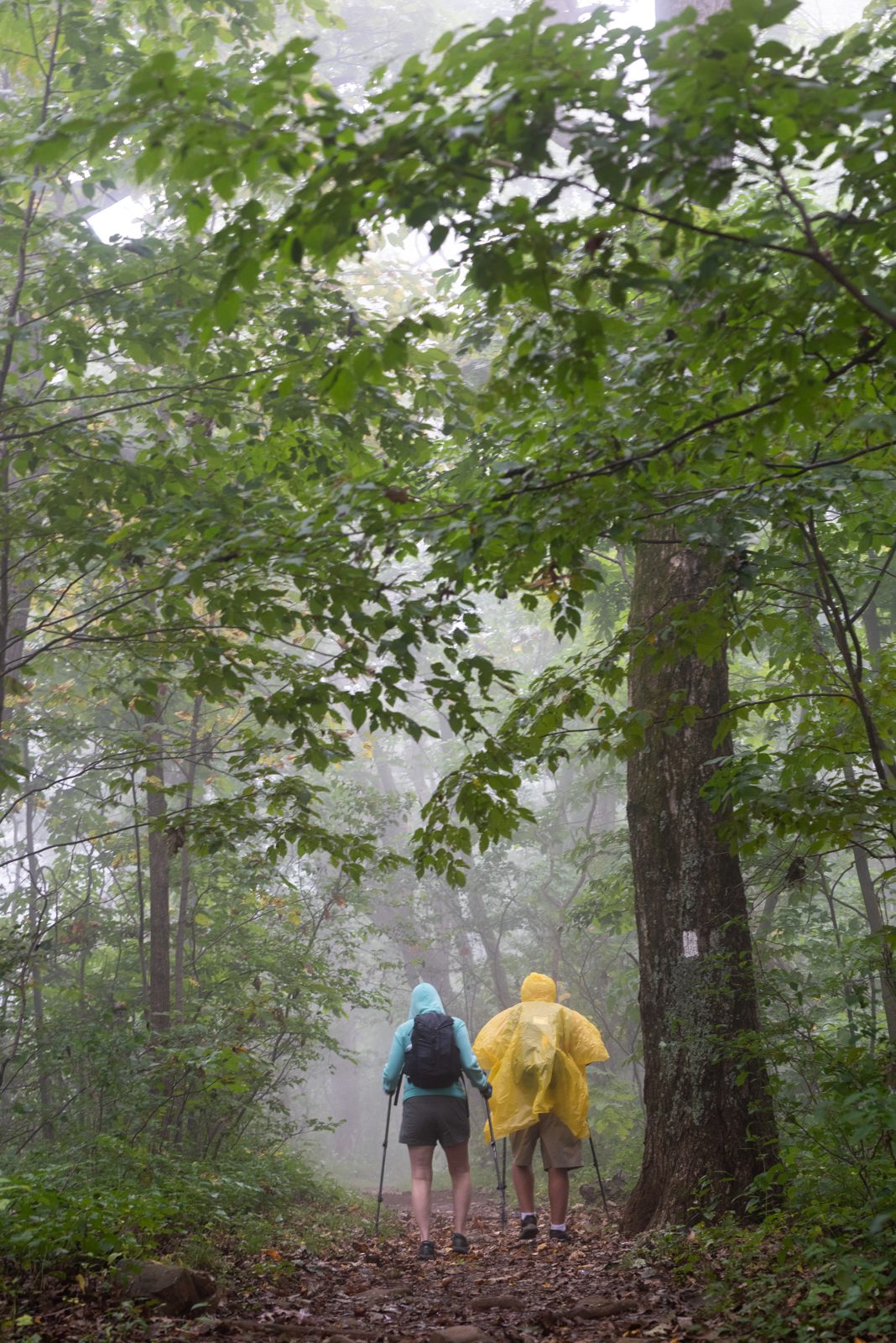
Wet feet start as a nuisance and end as a problem. Soggy socks rub, skin softens, blisters form, and cold feet lose warmth fast. On a long day, the difference between dry feet and wet feet is the difference between a good hike and a slow, painful walk home.
No single product keeps feet dry in real rain. Boots, gaiters, rain pants, socks, and foot care all play a part. The right mix also depends on temperature.
Warm rain and cold rain call for different answers.
This article explains how water actually reaches your feet, what gear helps, and how to manage the day when rain wins anyway.
How water reaches your feet
Most hikers blame their boots when their feet get wet. Boots are only one of four entry points.
The first entry point is the top. Rain runs down your legs, pools at the ankle, and slips over the boot collar. This is the most common leak in steady rain, and it happens even in fully waterproof boots.
The second is the boot itself. Waterproof membranes and coatings work until they are overwhelmed, worn, or soaked through. Seams, lace eyelets, and flex points at the toe are weak spots.
The third is sweat. Feet sweat inside sealed boots, and waterproof boots trap that moisture. On a warm day, your feet can end up wet from the inside even if no rain gets in.
The fourth is the ground. Puddles, mud, wet grass, and stream crossings push water against the boot from below. Water deeper than the boot collar simply flows over the top.
Darn Tough, the sock maker, puts the top-entry problem bluntly: in steady rain, water will trickle down your leg and into your boots no matter how waterproof they are. That is why a system beats a single product.
Start with the right footwear for the day
Footwear choice sets the ceiling for everything else. Match it to the temperature and the route, not just the forecast.
Waterproof boots suit cold rain, shallow mud, and short days. They keep feet drier at first, and warmth matters more than fast drying when the air is cold. LA Mountains, in its rain-hiking guide, advises waterproof boots for cold rain and shallow mud, while warning that they dry slowly after a creek crossing.
Quick-drying mesh shoes suit warm rain, repeated crossings, and wet routes. They will get wet, but they drain and dry fast. Darn Tough gives the same advice for steady rain: prioritise quick drying over water prevention.
High-cut boots help in mud and on rough ground, since they raise the collar above shallow water and give ankle support. Low-cut shoes dry faster and feel cooler but let water in sooner. Choose the height that fits the terrain and the depth of water you expect.
Fit matters as much as waterproofing. Boots that are too tight restrict blood flow and make feet colder. Boots that are too loose rub and raise blister risk.
Try boots on with the socks you will hike in, and walk up and down a slope if you can.
Seal the top with gaiters and rain pants
Gaiters are covers that strap over your lower leg and the top of your boot. They block the gap where rain runs down your leg and into your boot. In steady rain, they are the single most useful add-on after good boots.
Short gaiters cover the ankle and the boot collar. They are light, easy to pack, and enough for trail rain. Tall gaiters reach the knee and suit deep mud, snow, and heavy brush.
Outdoor Gear Lab, in its gaiter testing, found that full-length models with waterproof uppers hold off rain, snow, streams, and morning dew best.
Wear gaiters under rain pants, not over them. Rain pants shed water down over the gaiter, and the gaiter sheds it past the boot. Worn the other way, rain runs into the top of the gaiter and down into the boot.
Rain pants should cover the top of your boots. If your rain pants end above the boot collar, water will run down your leg and in. Full-length side zips make it easy to pull rain pants on and off without removing boots.
Check the closure on your gaiters. A storm flap over the zip, a lace hook, and a snug top band all help. A loose gaiter top is an open funnel.
Tighten it enough to seal, but not so tight that it cuts off circulation.
Choose socks that manage moisture
Socks are the layer that touches your skin, so they decide how wet feet feel even when some water gets in. The rule is simple: no cotton.
Cotton absorbs water, stays wet, and loses its insulating power. Wet cotton against skin also raises blister risk, since damp skin rubs more easily than dry skin.
Merino wool and synthetic blends are the standard choices. Merino wool wicks moisture, stays warm when damp, and resists odour. Synthetics dry faster and often cost less.
A thin sock holds less water than a thick one, so thin merino is a strong choice for warm rain.
Waterproof socks add a second barrier. They sit between your sock and your boot, or replace your normal sock. Outdoor Horizon notes that waterproof socks made with nylon and spandex dry quickly and retain heat, while cotton dries slowly and holds little warmth.
Treat waterproof socks as a delay, not a cure. They slow water down, and they help on crossings and in cold weather. Once water gets inside them, they hold it in just like a boot does.
Pack a dry pair in a sealed bag for the moment they stop helping.
Pack a dry-foot kit
A small dry-foot kit turns a miserable day into a manageable one. Pack it before you leave, and keep it in a sealed bag inside your pack.
Pack at least two spare pairs of socks. LA Mountains advises packing three pairs of socks for wet days, which is a good target for a full day out. One spare pair is rarely enough if the rain lasts.
Add blister tape or moleskin, a small towel or cloth for drying feet, and a plastic bag for wet socks. A tiny tube of petroleum jelly or anti-blister balm helps some hikers, though it is no substitute for dry socks.
Keep the kit in a dry bag or a zip-lock bag. A spare pair of socks that soaks through inside your pack is useless. The same goes for a spare base layer and gloves if you have room.
Foot care on the trail
Stop early for hot spots. A hot spot is the warm, sore patch that comes before a blister. Cover it with blister tape as soon as you feel it.
Walking on it for another hour turns a five-second fix into a painful blister.
Change socks when they are soaked, even if you are not at a planned stop. Sit down, dry your feet with a cloth, let them air for a few minutes, and put on dry socks. The stop costs five minutes and can save the rest of the day.
Keep toenails short and smooth. Long nails jam into the front of the boot on descents, and rough edges catch on socks. Lace boots snugly at the ankle to stop the foot sliding forward downhill.
Watch for signs of trench foot on long, cold, wet trips. This is skin damage from feet staying cold and wet for days. Warning signs include numbness, swelling, blotchy skin, and a heavy, wooden feeling in the feet.
Dry feet, warm socks, and rest are the first response, and medical help is needed if symptoms do not ease.
Crossings and puddles
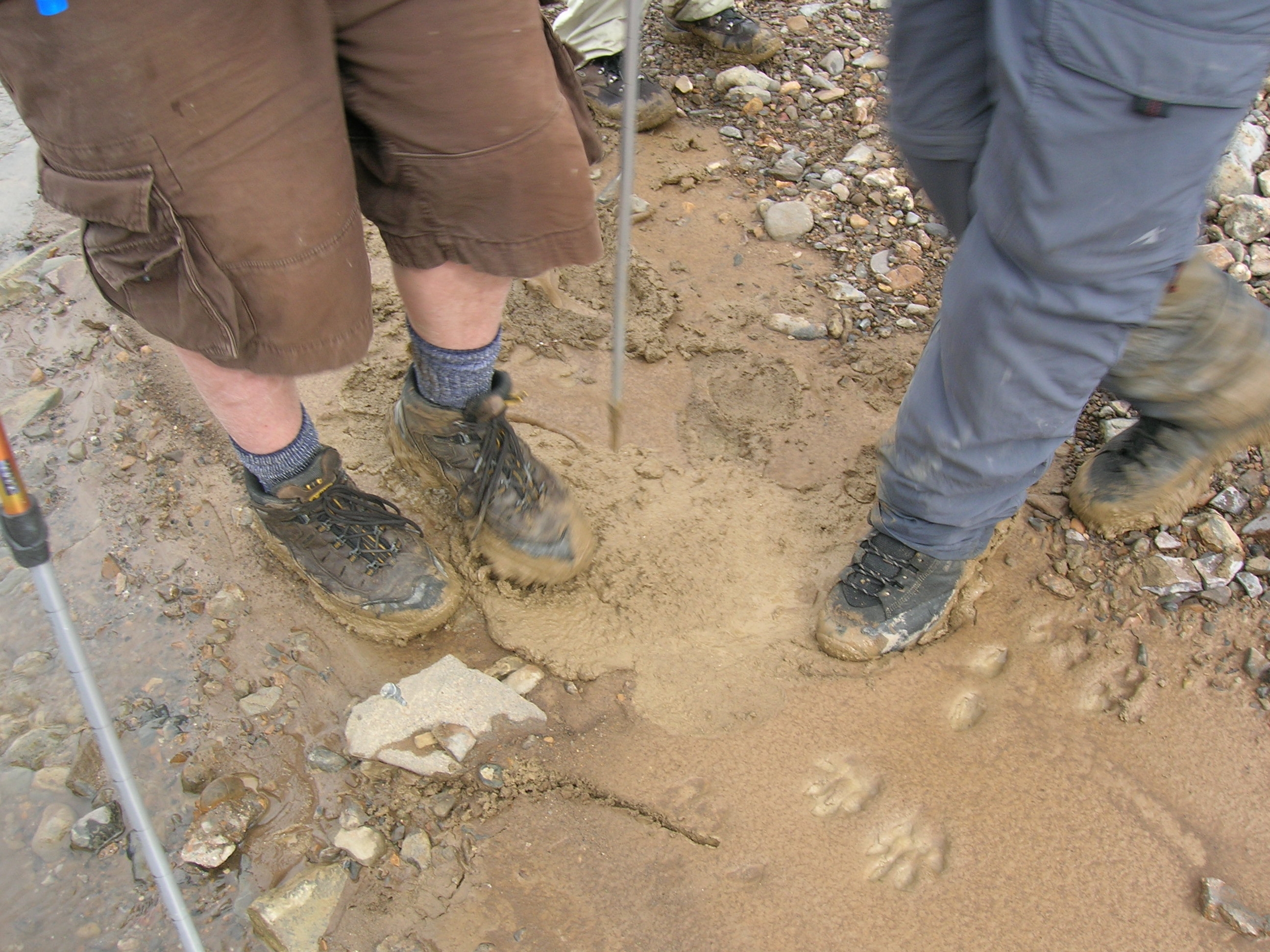
Stream crossings are where dry-foot plans usually fail. Water above the boot collar ends the debate. Plan for crossings before you reach them.
Look upstream and downstream for a better crossing. A narrow section, a log, a line of stable rocks, or a shallow riffle can be far drier than the marked crossing. Outdoor Horizon advises checking for a narrow section, a sturdy fallen log, or a rocky area before stepping in.
If you must wade, change into camp shoes or sandals if you have them. Keep your boots dry by carrying them across. Dry your feet well before putting boots back on.
Do not cross barefoot, since you cannot see sharp rocks or slippery footing clearly.
Warm rain versus cold rain
The warm-rain plan and the cold-rain plan look different, and mixing them up causes trouble.
In warm rain, accept that your feet will get wet. Use draining shoes, thin merino socks, and gaiters to slow the flow. Change socks when you can, and rely on fast drying to recover.
Sweat matters as much as rain, so breathable shoes beat sealed boots.
In cold rain, keep water out as long as you can. Use waterproof boots, tall gaiters, and rain pants. Add waterproof socks for crossings.
Cold wet feet lose heat fast, and in freezing weather moisture can raise the risk of frostbite, as Darn Tough warns.
In snow or near-freezing rain, add insulation. A thicker merino sock, a waterproof outer sock, and gaiters together hold warmth. Carry extra dry socks in a sealed bag and change them the moment your feet feel cold and damp.
Common questions about dry feet
Hikers ask the same questions before almost every wet trip. These answers cover the most frequent ones.
Do waterproof boots keep feet dry all day?
Not in steady rain. Water enters over the collar, through worn coatings, and as sweat. Waterproof boots delay wet feet and help in cold weather, but they are one part of a system.
Are plastic bags inside boots a good idea?
Plastic bags work as a short-term waterproof sock in an emergency, and Outdoor Horizon notes that bread bags make a useful DIY layer. They trap sweat, so they are a stopgap for a crossing or a short stretch, not a full-day answer.
The bottom line
Dry feet in rain come from a system, not a single product. Seal the top with gaiters and rain pants, pick boots for the temperature, wear wool or synthetic socks, and pack spare socks in a sealed bag.
In warm rain, favour shoes that drain and dry fast. In cold rain, favour boots and gaiters that hold water out. Stop early for hot spots, change socks when they soak through, and treat wet feet as a real risk to comfort, skin, and warmth.
Your feet will carry you home, so give them a plan before the rain starts.
Tags: hiking, rain, boots, outdoors
Latest in Sports
- How to read a trail map and use a compass
- How to start rock climbing as a complete beginner
- How to choose your first pair of hiking boots
- How to build endurance for mountain hiking, step by step
Subscribe for one practical outdoors guide in your inbox each week.
Related stories

Why Is Altitude Sickness Worse for Some People?
Altitude sickness hits some people harder because of genetics, ascent speed, and prior history, not fitness level. Here is what raises risk

Why Do You Get Blisters When Hiking and How to Prevent Them
Friction plus moisture plus heat equals a blister. Learn why hiking breeds all three, and the boots, socks, and tape system that keeps

How to choose hiking boots for beginners: fit, features, and break-in
Beginners should buy for fit first: snug everywhere, tight nowhere, with a thumb's width at the toes. Here is how to size, test,