
How to Start Fishing With Basic Gear and Little Money
Key takeaways
- One spinning rod and reel combo, line, hooks, weights, and a bobber cover most first freshwater trips.
- A fishing license and local rules come before any gear purchase.
- Learn one knot and practice casting at home before your first trip.
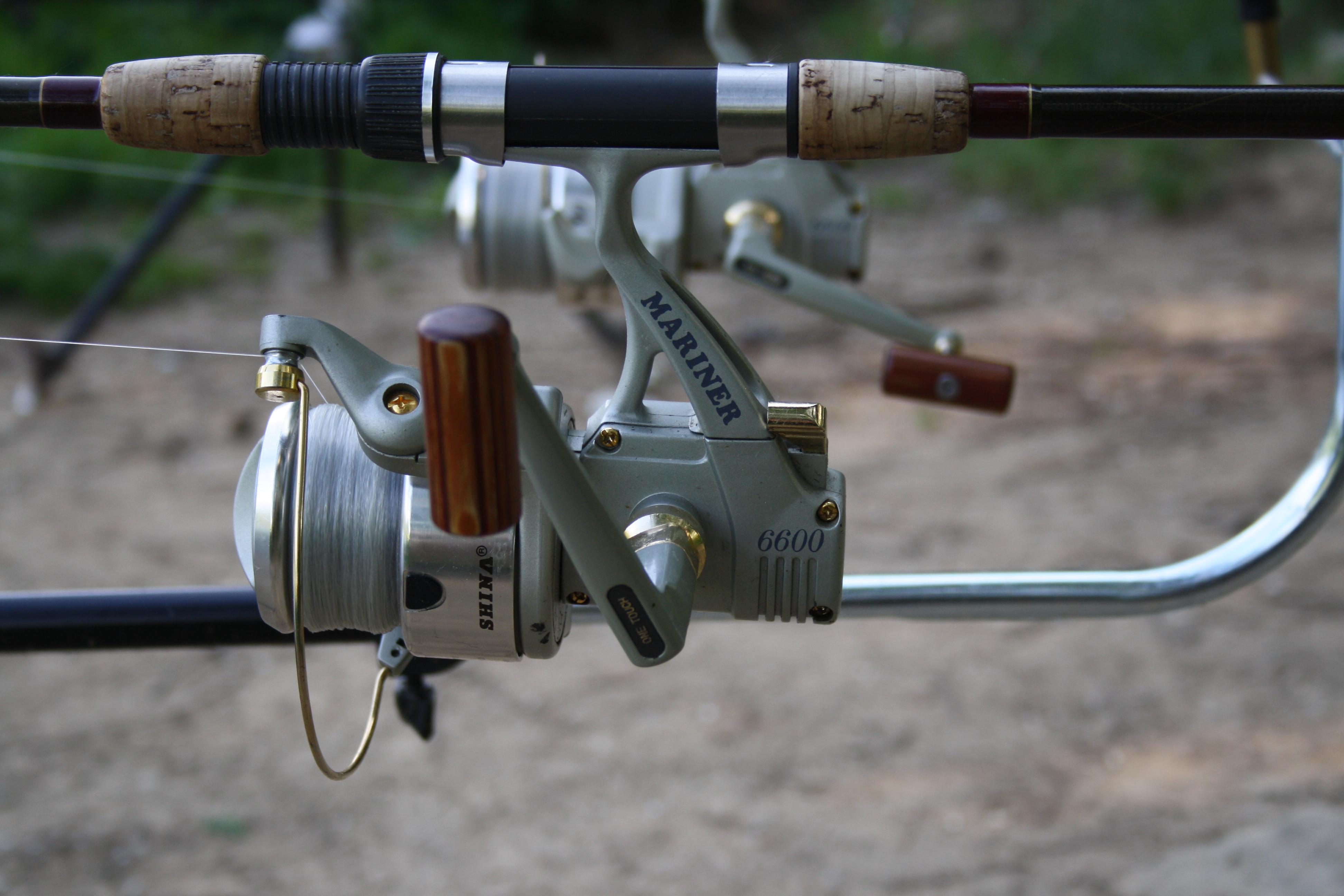
Fishing looks complicated from the tackle aisle. Rows of rods, walls of lures, and reels in a dozen sizes make it seem like you need a small fortune to catch anything. You do not.
This article explains how to start fishing with basic gear, including the beginner kit, how to rig it, how to cast, and the rules to check before you go.
Get legal before you buy anything
A fishing license comes first. In most places, you need one before you fish, and the rules vary by water. The Fish and Wildlife Service advises new anglers to pick up a copy of their state's fishing laws, which list the types of fish, the minimum size limit, and the number of fish you can catch in one day.
Check the specific water you plan to fish, not just the general state rules. Bait, lure, hook, season, and harvest rules can change from one lake or river to another. Fish Finder Outdoors warns that a general gear list is never proof that a method is legal everywhere.
Budget tip: some libraries, state agencies, national fish hatcheries, and national wildlife refuges offer tackle loaner programs for families and beginning anglers. The Fish and Wildlife Service suggests calling around in your area to see what is available. A loaner kit can cover your first trip for free.
The beginner kit
The Fish and Wildlife Service freshwater checklist is short. It lists a state fishing license, a fishing rod and reel, 4- to 12-pound-test monofilament fishing line, a package of fishing weights, fishhooks in number 6 to 10 size, a plastic or cork bobber, a selection of live bait or fishing lures, and a rubber fishing net and rubber glove.
Fish Finder Outdoors gives a similar list: one rod and reel combo, fishing line, hooks and small weights, bobbers or floats, a few simple lures or legal bait, pliers and line cutters, a small tackle box, and the required license and current regulations.
Start with one rod and reel combo rather than buying parts separately. A spinning or spincast combo is easier to learn than a baitcaster. Fish Finder Outdoors recommends a 6 to 7 foot spinning combo in light, medium-light, or medium power as a practical freshwater starting point.
Match the line to the fish. Four- to six-pound monofilament is common for trout and panfish, according to Fish Finder Outdoors, while eight- to twelve-pound line gives more margin for bass and many catfish situations. Monofilament is inexpensive, forgiving, and easy for new anglers to handle.
Keep the tackle box small. A few hooks, split shot, swivels, bobbers, and several reliable lures are enough to learn. Fish Finder Outdoors warns against buying large bulk kits just because the piece count looks impressive: a compact box of tackle you understand beats hundreds of pieces you cannot identify.
Add a few tools. Needle-nose pliers, line cutters, a small towel, drinking water, sunscreen, and weather-appropriate clothing make a bigger difference than another dozen lures. Pliers protect your fingers when you remove hooks, and they let you release fish quickly.
Set up the rod
Set up your gear at home, not at the water. Fish Finder Outdoors advises assembling the rod, attaching the reel, running the line through each guide, and practicing one dependable knot before the trip. A few minutes of practice at home makes the first trip calmer and safer.
Rig in this order, following the Fish and Wildlife Service guide:
- Tie on a fishhook.
- Attach 1 or 2 sinkers, 6 to 12 inches above the hook. The weight keeps your bait down and helps swing it away from shore.
- Clip on a bobber. The bobber tells you when fish are biting, because it moves up and down as fish nibble at the bait. Most bobbers attach with a spring clip and slide up and down the line to set the depth.
Learn one knot you trust. The improved clinch knot is enough to get a beginner fishing. Pass the line through the hook eye, wrap the tag end around the main line several times, pass it back through the small loop near the eye, wet the knot, and pull it snug.
The Fish and Wildlife Service version is specific: pass the line through the hook eye, make 5 turns around the standing line, insert the loose end between the eye and the first loop, bring it through the large second loop, wet the line, and tighten slowly. Practice at home until you can tie it without thinking.
Learn to cast at home
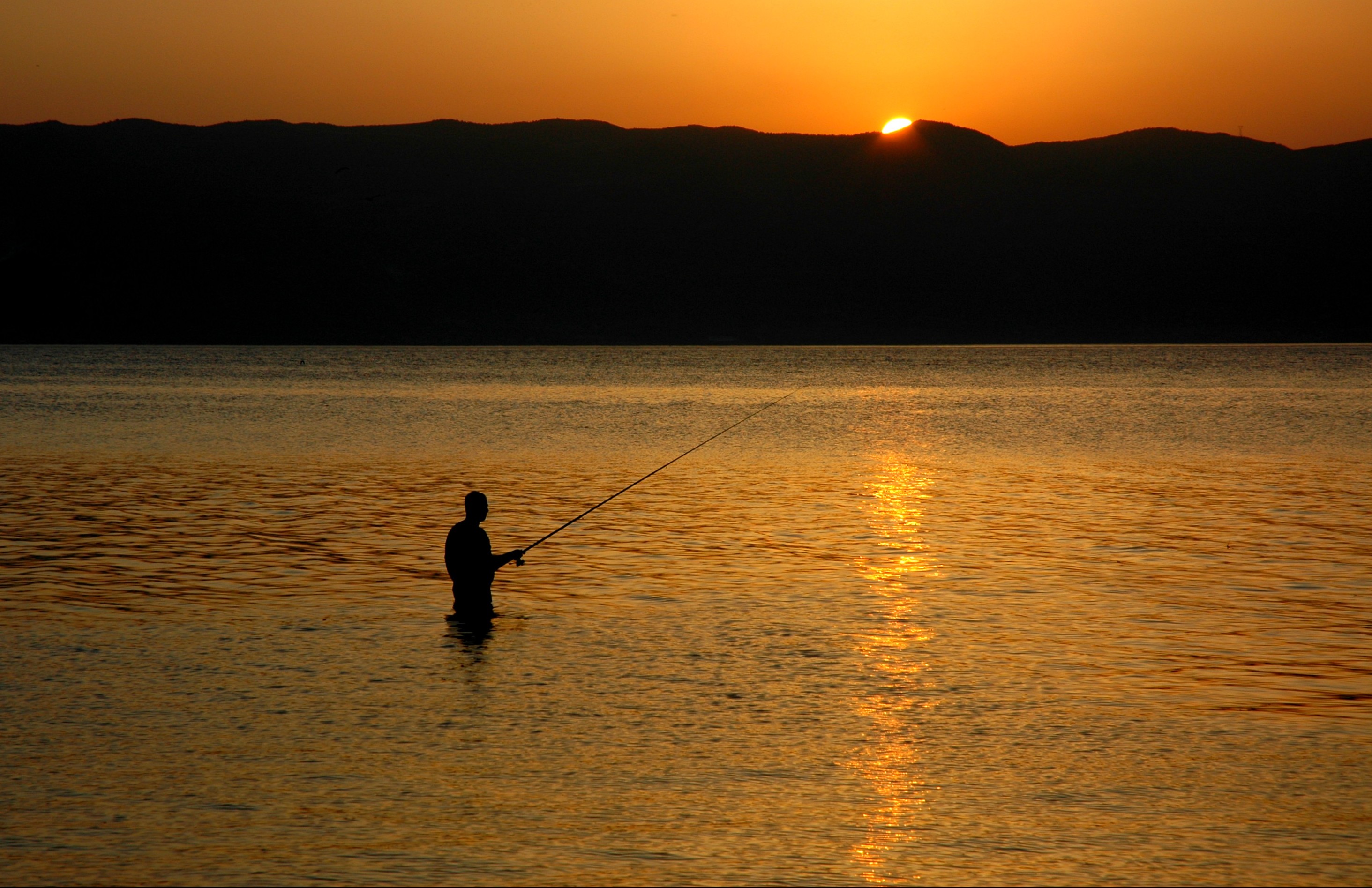
Practice casting without a hook. The Fish and Wildlife Service suggests removing the hook and tying on a rubber weight called a casting plug, then finding an open area away from other people. Keep people, pets, vehicles, power lines, and windows well outside the casting area.
With a spinning reel, hold the line against the rod with your index finger, open the bail, bring the rod back, then swing forward smoothly and release the line. Close the bail by hand after the lure lands.
Accuracy matters more than distance for most beginners. A quiet cast beside a dock, weed edge, or shaded bank often catches more fish than a long cast into empty open water, according to Noah's Outdoors.
If the plug lands close in front of you, you released too late. If it went more or less straight up, you released too soon.
Choose a spot and pick a rig
Fish want food, protection, and comfortable water. Noah's Outdoors advises looking for weed edges, fallen trees, docks, shade lines, points, rock transitions, current seams, creek mouths, or changes in depth. A local pond, lake, or community fishing spot is a better first choice than a remote river.
Three beginner rigs cover most situations:
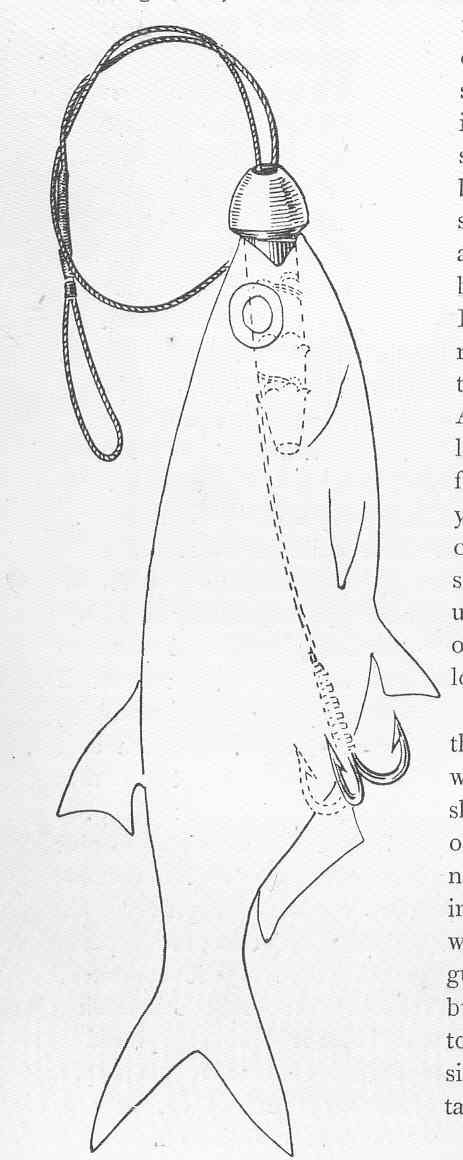
Bobber and hook. The easiest rig for bluegill, crappie, perch, stocked trout, and other fish that feed near the bottom. Add a small hook, one or two split shot, and a bobber set so the bait hangs at the depth you want.
Simple bottom rig. A sinker keeps bait near the bottom while the hook sits on a short leader. This suits catfish, carp, and many saltwater species.
Keep enough tension on the line to notice a bite without dragging the bait constantly.
Small jig. Thread a grub, minnow-shaped plastic, or small worm onto a jig head. Cast, let it sink, then retrieve with slow lifts and pauses.
Jigs can catch bass, crappie, trout, walleye, and many other species depending on size and local rules.
Use bait that matches the fish and the rules. Worms, crickets, minnows, cut bait, dough baits, and artificial lures can all catch fish, but local laws and target species matter. Do not move live bait between waters unless regulations clearly allow it, and never dump unused bait into a new waterbody.
Set the hook and handle the catch
When the bobber goes under, raise the rod tip quickly to set the hook, then reel the catch in. For small bait hooks and many lures, a firm lift or sweep is enough. With circle hooks, do not make a hard hookset; reel until the line comes tight and let the hook work into the corner of the mouth.
Once a fish is hooked, keep the rod bent and the line tight. Let the reel's drag give line when a fish makes a hard run, then gain line back smoothly. Rushing the fight is how lines break and hooks pull free.
Handle fish carefully, especially fish you plan to release. The Fish and Wildlife Service gives three rules: keep fish as wet as possible, minimize airtime, and if the fish has swallowed the hook, cut the line as close to the mouth as possible rather than tearing the hook out.
Wet your hands before handling a fish you plan to release. Keep the fish low and over water when possible. Remove hooks quickly with pliers.
Keep photos brief. Release the fish as soon as it can swim normally. You can revive a tired fish by gently moving it back and forth in the water so water runs through its gills.
Safety matters as much as technique. Fish with a companion who can help in an emergency. Be careful with sharp hooks.
Do not cast near other people, and always look around before making a cast. Wear a Coast Guard-approved personal flotation device or life vest when wading or in a boat.
Leave the water better than you found it
A good angler respects the resource. Carry out what you brought in and never leave behind plastic containers or packaging.
Fishing line is very dangerous to birds and other wildlife, so pick up and recycle it. Never move fish or plants from one water body to another.
Clean your gear between waters. Fishing equipment can move invasive organisms between lakes, rivers, and streams. Clean mud and plants from gear, drain water, and let equipment dry when local guidance calls for it.
Outdoor skills build on each other. If you enjoy reading water and moving through wild places, you may also like how to read a trail map and use a compass and how to choose your first pair of hiking boots.
Questions people ask about starting fishing
Do I need a fishing license to start?
In most places, yes. The Fish and Wildlife Service lists a state fishing license as the first item on its freshwater checklist, with the note that requirements depend on your age. Check the rules for your state and for the exact water you plan to fish.
What line strength should I start with?
The Fish and Wildlife Service suggests 4- to 12-pound-test monofilament for freshwater. Four- to six-pound line suits trout and panfish.
Eight- to twelve-pound line gives more margin for bass and catfish. Match the line to the fish, not to the biggest fish you can imagine.
How much does it cost to start fishing?
The license is usually the largest single cost, and it funds conservation.
The bottom line
Starting fishing takes one rod and reel combo, a small box of terminal tackle, a license, and a little practice at home. Learn one knot, cast a practice plug until it feels smooth, and fish a local pond with a bobber and worm.
Keep the kit small, follow the local rules, and handle every catch with care. The fish will come.
Tags: fishing, beginner guide, outdoors, angling
Latest in Sports
- How to read a trail map and use a compass
- How to start rock climbing as a complete beginner
- How to keep your feet dry while hiking in the rain
- How to warm up properly before a football match
Subscribe for one beginner-friendly outdoor guide in your inbox each week.
Related stories

Why Is Altitude Sickness Worse for Some People?
Altitude sickness hits some people harder because of genetics, ascent speed, and prior history, not fitness level. Here is what raises risk

Why Do You Get Blisters When Hiking and How to Prevent Them
Friction plus moisture plus heat equals a blister. Learn why hiking breeds all three, and the boots, socks, and tape system that keeps

How to choose hiking boots for beginners: fit, features, and break-in
Beginners should buy for fit first: snug everywhere, tight nowhere, with a thumb's width at the toes. Here is how to size, test,