
What makes a running shoe cushioned versus responsive
By Rive News / Research desk | Rive News / Published October 25, 2026 at 9:00 AM PKT
Key takeaways
- Cushioning is impact absorption: foam compresses on landing and spreads force so the landing feels softer.
- Responsiveness is energy return: foam springs back during push-off, giving a livelier, faster feel.
- The two qualities trade off through foam softness, thickness, and stiffness, so the best shoe depends on pace, distance, and weight.
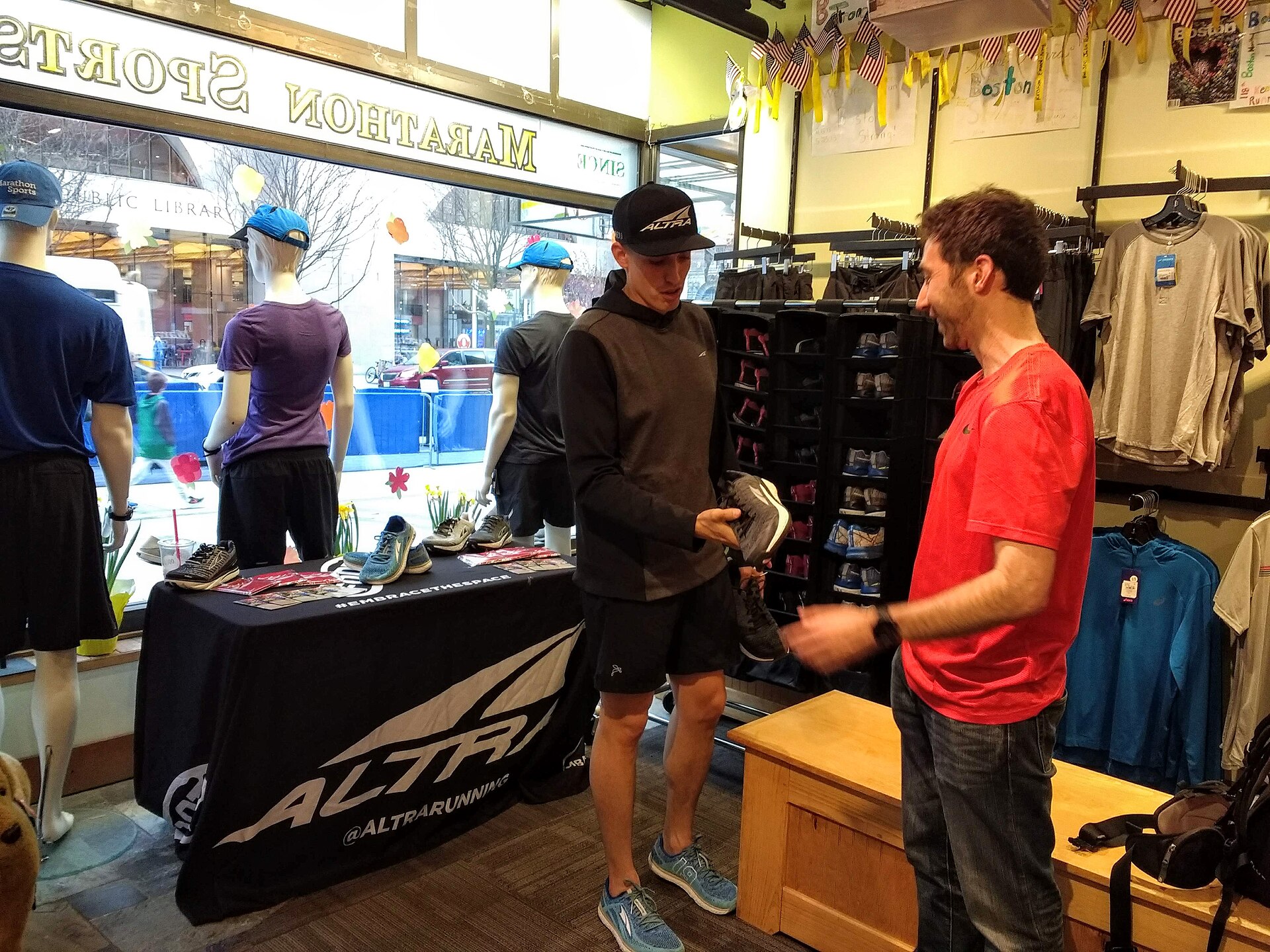
[Running shoes on display. Photograph: Wikimedia Commons contributor]
Image Credits: Wikimedia Commons
Two running shoes can look identical and feel completely different. One swallows the road and feels soft underfoot.
The other feels firm, quick, and springy, as if it wants to push you forward. The difference sits in the midsole, the foam layer between your foot and the outsole.
This article explains what makes a running shoe cushioned or responsive, including foam mechanics, energy return, stack height, and stiffness, and how to pick the balance that fits your running.
Cushioning: what happens on landing
Cushioning starts the moment your foot hits the ground. The midsole foam deforms under load, spreading the impact across a larger area and over a slightly longer time.
That spreading lowers the peak force your foot, ankle, and knee feel at contact. Sneaker Lens describes the same idea as impact absorption: labs measure how much peak force the midsole removes when loaded.
Thickness matters, but it is not the whole story. A thicker foam layer has more material to compress, so it can absorb more impact, which is why maximum-cushion shoes carry tall stacks.
A thin foam layer bottoms out sooner, so the landing feels firmer even if the foam itself is soft. Gulf News notes that material, thickness, and construction all affect how a foam behaves, which is why more cushioning does not automatically mean more bounce.
Softness matters too. A soft foam compresses easily, so the first contact feels plush. A firm foam resists compression, so the landing feels controlled rather than soft.
For easy runs and long distances, comfort and control usually matter more than maximum liveliness, and a softer, thicker foam suits that job. For short, fast efforts, a soft shoe can feel vague, because the foot sinks before it can push off.
Responsiveness: what happens at push-off
Responsiveness is the other half of the stride. After the foam compresses, it recoils as the load comes off.
Some of the energy put into the foam is lost as heat, and some returns as the foam springs back. The returned share is energy return, and it is what makes a shoe feel bouncy rather than flat.
Runner's World quotes Spencer White, vice president of Saucony's Human Performance and Innovation Lab, on the distinction: "It's not about absorbing energy. We want to take that force you create in landing, and help you generate force so you can move."
The contrast White draws is between bouncing on a soft pillow and bouncing on a trampoline. Both are soft, but only the trampoline gives energy back.
Foam chemistry sets the ceiling for energy return. Adidas Boost, made from expanded TPU pellets, is known for energy return around 76 percent, according to Sneaker Lens, along with durability across temperatures.
Puma's nitrogen-infused Nitro Elite, based on PEBA foam, aims higher, with figures quoted by the same source in the 80 to 95 percent range. Those numbers come from lab tests, not road feel, but they show why foam choice matters more than stack height alone.
A 2025 systematic review and meta-analysis, reported by Gulf News, found that the performance effect of advanced running footwear comes from an interaction between bending stiffness and midsole energy return, rather than either property working alone. That finding explains why one thick shoe can feel lively while another feels soft but flat. Foam and structure work together, not separately.
Stiffness: the part most runners overlook
Stiffness is how much the midsole resists bending and squashing. A stiffer foam or a shoe with a plate gives the foot something firm to push against, which shortens ground contact time and speeds up the stride.
A softer foam gives way, so the leg muscles work harder to find a platform, as Find My Footwear puts it. The site uses a beach analogy: running on soft sand feels comfortable but harder, while firmer sand feels faster.
Carbon plates raise stiffness without adding much weight. A plate spreads force along the shoe and stabilises the foam, so more of the foam's rebound goes into forward motion. That is why racing shoes pair a firm, high-energy foam with a full-length plate, while daily trainers often skip the plate for a softer, more forgiving ride.
Heel-to-toe drop adds a second geometry factor. Drop is the height difference between heel and forefoot, as Gulf News defines it.
A higher drop places the heel further above the forefoot, which changes how the foot loads and rolls. Switching abruptly between very different drops can feel bigger than the numbers suggest, so runners changing drop should do it gradually.
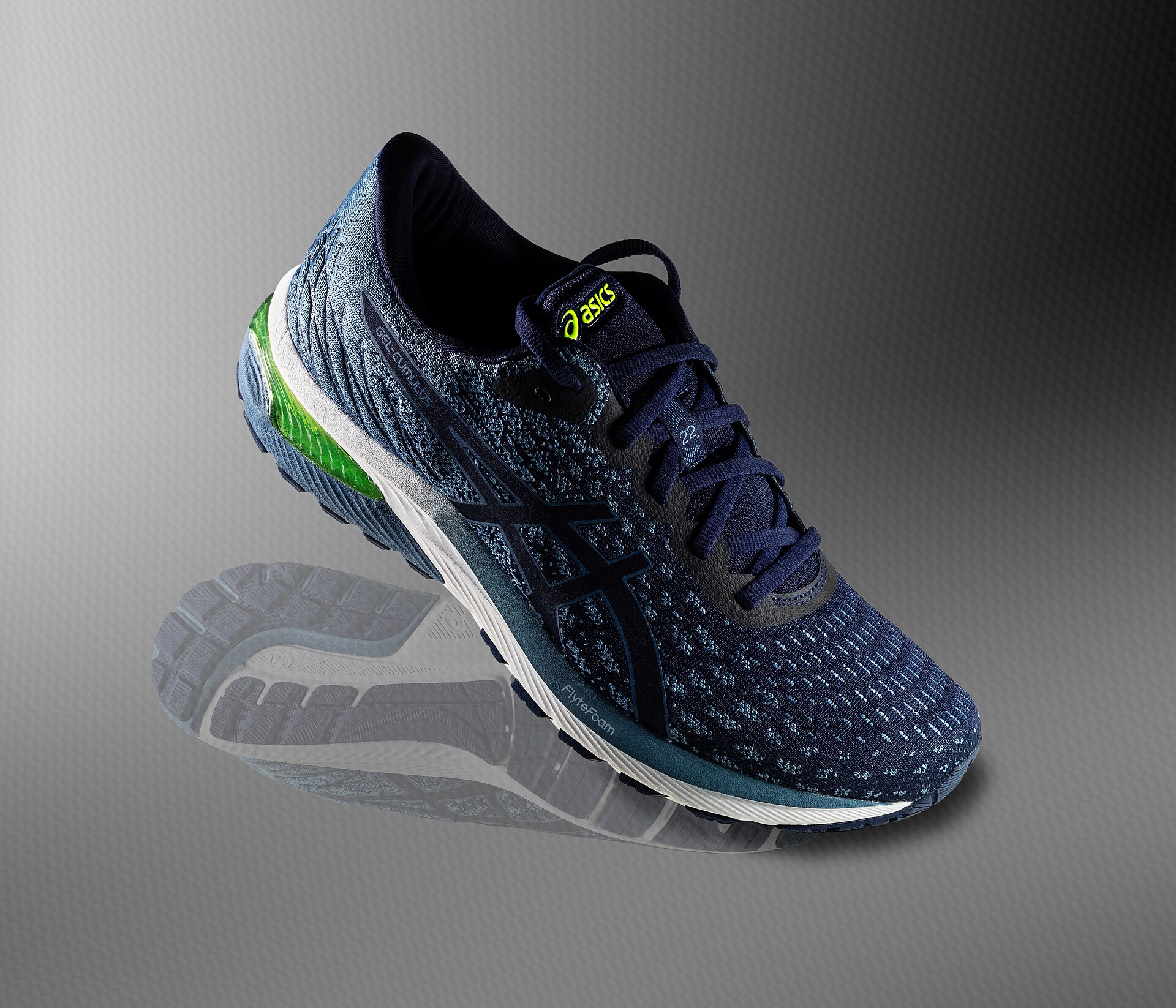
[A pair of road running shoes in profile. Photograph: Wikimedia Commons contributor]
Image Credits: Wikimedia Commons
Why one shoe cannot maximise both
Cushioning and responsiveness pull in opposite directions because they want different foam behaviour. Maximum cushioning wants a soft foam that compresses deeply and absorbs force.
Maximum responsiveness wants a foam that resists compression and snaps back quickly. A single foam can balance the two, but it cannot maximise both at once.
Runner weight changes the balance. A heavier runner compresses a soft foam further, so a shoe that feels plush to a light runner can feel flat and unstable to a heavier one.
A lighter runner may barely compress a firm racing foam, so the same shoe can feel harsh and unresponsive. Pace matters in the same way: a firm, responsive shoe rewards fast turnover, while a soft shoe suits slower, longer efforts where comfort dominates.
That is why brands now split their ranges. Maximum-cushion shoes use thick, soft foam for long-distance comfort. Balanced trainers mix soft foam with a firmer carrier layer for everyday training.
Responsive shoes use firmer, higher-energy foam, often with a plate, for race day. Under Armour's guide describes the same three bands: maximum cushioning, balanced cushioning, and responsive cushioning, each aimed at a different kind of run.
Wear changes the balance over time. Foam loses some rebound as it ages, so a shoe that started lively can feel flatter after hundreds of kilometres. Rotating two pairs, one soft and one responsive, also spreads the wear and lets each foam recover between runs.
How to choose your balance
Start with purpose, not brand. For easy runs, long runs, and daily miles, prioritise cushioning that feels comfortable and controlled.
For tempo runs, intervals, and races, prioritise responsiveness, even if the shoe feels firmer on the first step. Gulf News gives the same advice: for easy running, comfort matters more than maximum stiffness, while a livelier feel calls for a specific responsive foam rather than stack height alone.
Test shoes at running pace, not walking pace. A foam that feels soft when standing can feel firmer and faster when moving quickly, as Runner's World notes from runner feedback.
Walk a few steps, then jog in the shop or on a treadmill if the shop allows it. The shoe's character shows up at stride speed, not at a standstill.
Check three numbers before buying. Stack height tells you how much foam sits underfoot. Drop tells you the heel-to-forefoot difference.
Weight tells you how much shoe you carry each step. None of the three alone predicts feel, but together they narrow the choice, and the foam name tells you the chemistry behind the numbers.
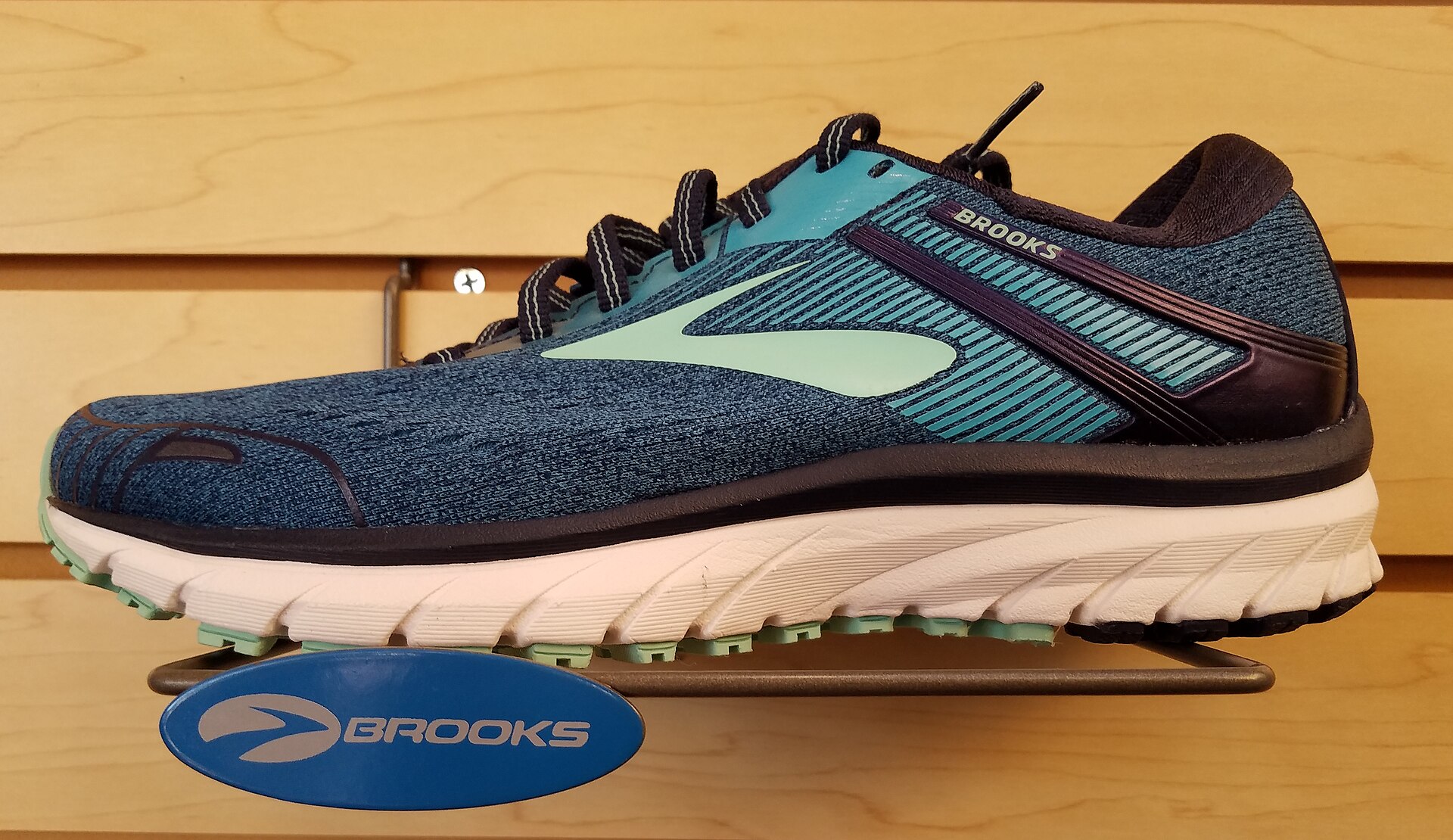
[Running shoes worn during a road run. Photograph: Wikimedia Commons contributor]
Image Credits: Wikimedia Commons
Frequently asked questions
Is a softer running shoe always more cushioned?
Not always. Softness controls the first feel, but thickness and construction control how much impact the shoe absorbs. A thin soft shoe can bottom out quickly, while a thicker firmer shoe can absorb more overall.
Does higher energy return make you faster?
Higher energy return helps, but it works with stiffness and geometry, not alone. A 2025 review found that advanced footwear performance comes from the interaction of bending stiffness and energy return, so foam, plate, and shape all matter together.
Are carbon-plated shoes good for everyday training?
They can be, but most runners save plated shoes for faster sessions and races. Daily trainers usually favour softer foam and more durability, while plated shoes favour stiffness and speed at a higher price.
How do I know when cushioning has worn out?
The shoe feels flatter, less bouncy, and harder on landing than when new, and the foam may show deep permanent creases. If aches appear that were absent before, and the mileage is high, the foam has likely lost much of its rebound.
The bottom line
Cushioning absorbs impact, responsiveness returns energy, and stiffness decides how quickly the two happen. No single foam maximises all three, so pick by purpose: soft and thick for easy miles, firm and lively for fast ones. Test at running pace, check stack, drop, and weight, and let the foam's character, not its brand name, make the decision.
Topics: sports, running, running shoes
Rive News's research desk covers everyday science, family life, money, and technology in plain language, with sources cited for key claims.
Related
- How to Choose Running Shoes for Beginners in 2026
- Why Do Trail Shoes Have Lugs While Road Shoes Do Not?
- Why Do Running Shoes Wear Out on the Outer Edge for Runners?
- How to Train for Your First 5K Run
Subscribe for one plain-language explainer each morning.
Rive News follows a corrections policy: errors are corrected promptly and noted on the article.
Related stories

Why Is Altitude Sickness Worse for Some People?
Altitude sickness hits some people harder because of genetics, ascent speed, and prior history, not fitness level. Here is what raises risk
Why Do You Get Blisters When Hiking and How to Prevent Them
Friction plus moisture plus heat equals a blister. Learn why hiking breeds all three, and the boots, socks, and tape system that keeps
How to choose hiking boots for beginners: fit, features, and break-in
Beginners should buy for fit first: snug everywhere, tight nowhere, with a thumb's width at the toes. Here is how to size, test,