
Why Do Trail Shoes Have Lugs While Road Shoes Do Not?
Key takeaways
- Lugs are raised rubber teeth that bite through loose surfaces to find grip underneath, which is why trail shoes need them.
- Road shoes use flat soles because more rubber on pavement means more friction, and lugs waste energy on hard ground.
- Lug depth is measured in millimeters: 5mm or more for mud, 2 to 4mm for mixed or firmer ground.
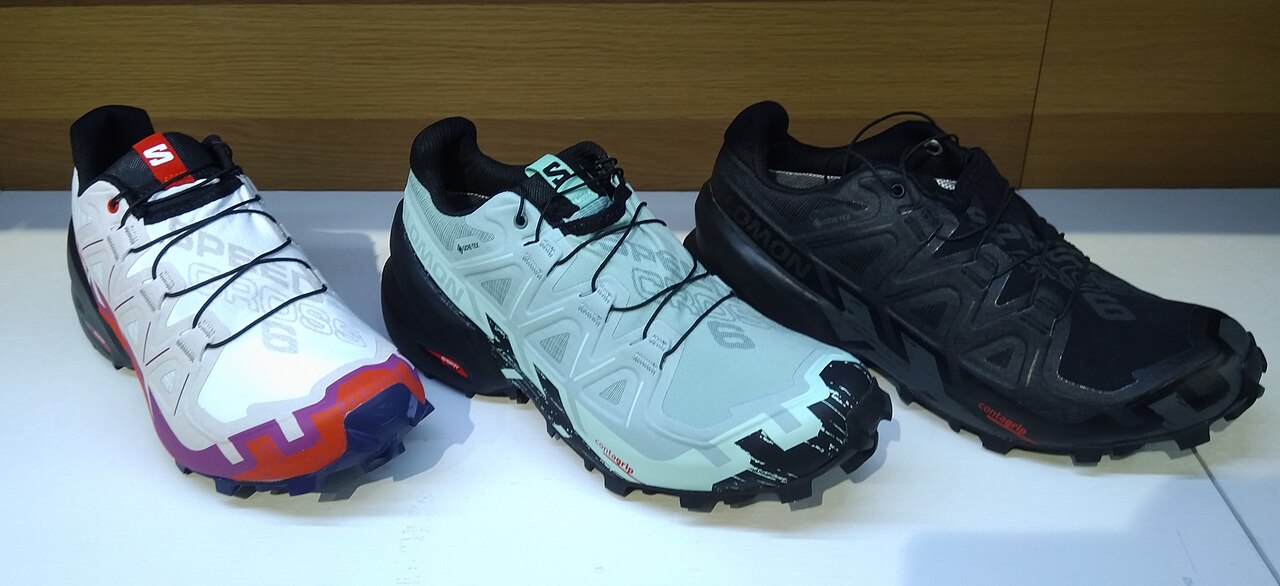
Flip a trail running shoe over and you will see teeth. Flip a road shoe over and you will see a mostly flat sheet of rubber. Both are running shoes, so the difference is not fashion.
It is physics.
Lugs, the raised rubber shapes on an outsole, exist to solve a problem that only appears off the pavement: loose ground. Mud, gravel, wet leaves, and dust all sit between your shoe and anything solid. A flat sole skates across that layer.
Lugs punch through it. Road shoes skip the teeth because on clean pavement, the same teeth would be a disadvantage.
What lugs actually do
Lugs work like tire treads. Wikipedia's article on trail running shoes defines them as raised rubber shapes on the bottom of the outsole designed to provide traction and grip, and notes they are typically measured in millimeters.
On loose surfaces, pronounced lugs bite through the unstable top layer to the firmer surface beneath. The Gear Institute's trail-vs-road comparison explains the mechanism: the teeth penetrate mud, dust, and gravel, and they can also catch the protruding edges of sharp rocks for a positive grip. Without them, a shoe just floats on the loose stuff and slides.
This is why trail shoes keep getting their outsoles redesigned. Different surfaces want different teeth. Deeper lugs that are spaced farther apart shed mud better and perform in wetter conditions, according to inov-8's trail shoe guide.
Shallower, tighter patterns suit hard-packed trails and rock, where big teeth would flex and squirm instead of planting.
The counterintuitive part: lugs reduce friction on pavement
Here is the part most runners get wrong. Lugs do not always improve traction. The Gear Institute flags the common misconception directly: lugs reduce the surface area that is actually touching the ground, so on flat, dry surfaces they deliver less friction than a flat-soled shoe.
Think about it in terms of contact. A flat rubber outsole lays hundreds of square centimeters of rubber against the pavement, and rubber on asphalt grips through friction. A lugged sole touches the ground only at the tips of its teeth, so far less rubber meets the road.
The result is measurably less grip on clean, dry pavement.
That is why road shoes stay flat. On pavement, maximum contact equals maximum friction. Road shoe designers want the largest possible rubber footprint, which is also why road outsoles use softer, stickier rubber compounds in the forefoot.
Why lugs feel bad on roads
Beyond the friction math, lugs feel clunky on hard surfaces. Each tooth is a small column of rubber that compresses and flexes under load. On pavement, that flexing absorbs energy with every step, which reduces running efficiency.
A flat sole wastes nothing.
Soft, tall lugs have another problem on rock. The Gear Institute notes that oversized or soft teeth can feel gummy, slipping off the tops of firm rocks and creating a squirrelly, imprecise feeling on hard, flat surfaces. On dirt, the same shoe feels locked in.
The teeth are tuned for one world and punish you in the other.
This tradeoff explains the lug-depth numbers. Wikipedia reports that shoes with lugs of 5 millimeters and above give the best traction on wet and muddy terrain, while lugs of 2 to 4 millimeters let runners move between roads and firmer surfaces in relative comfort while keeping enough grip for trails. Everything is a compromise between bite and efficiency.
How the rest of the shoe differs
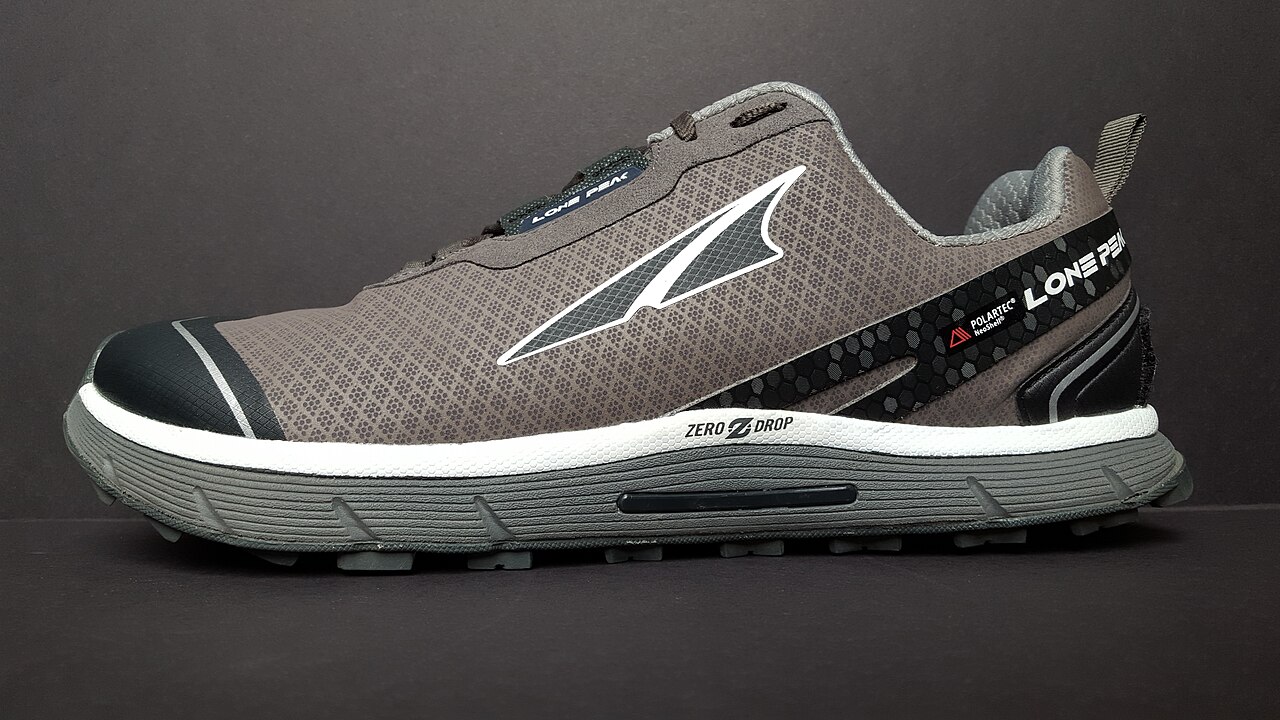
The outsole is the headline difference, but trail shoes and road shoes diverge in other ways because their worlds differ. Road shoes are built for comfort over long, repetitive strides: softer midsoles for cushioning on concrete, breathable open mesh uppers, and a wider, roomier toe box.
Trail shoes lock the foot down. Salomon's comparison notes that trail shoes fit closer to the foot for precision and control on technical, uneven terrain. The uppers use tighter mesh with smaller pores so grit and pebbles cannot work through, and the tongue is often gusseted, which means it is sewn to the upper on the sides to block debris.
Darker uppers shed dirt better than the light colors common on road shoes.
Protection is the other divide. Road shoe midsoles are basically foam, and a sharp rock can poke straight through and bruise the foot. Many trail shoes add a flexible rock plate in the midfoot that spreads the force of landing on sharp objects.
Even trail shoes without a plate often use a protective full-rubber outsole that does a similar job.
When you actually need lugs
The honest answer, from the Gear Institute's testing, is that flat packed trails do not demand trail shoes. A road shoe works fine on suburban paths and smooth river trails, and you might only notice slightly better grip and durability from a trail model. The case for lugs becomes real on steep trails, mud, loose surfaces, and rocky or heavily rooted terrain.
For runners who split time between pavement and dirt, door-to-trail hybrid shoes exist. Salomon describes these as combining a moderately aggressive tread that grips trails while staying comfortable on pavement. They are the right call when your route is half road and half trail, or when you are not sure what the day will bring.
Choosing the right lug for your terrain
Match the teeth to the ground. Deep, widely spaced lugs of 5 millimeters or more suit muddy, wet, soft conditions where the shoe needs to dig and shed debris. Moderate lugs around 3 to 4 millimeters suit mixed terrain and dry dirt.
Shallow, tight patterns suit rocky ground and long distances, where stability and efficiency matter more than bite.
Also consider rubber hardness. Softer rubber grips wet rock better but wears faster on pavement. Harder rubber lasts longer but can feel skittish on slick stone.
Some brands blend zones: softer rubber in the heel and forefoot where grip matters, harder rubber in the midfoot where wear is heaviest.
FAQ
Can I run on roads in trail shoes?
Yes for short stretches, but it is inefficient and wears the lugs down fast. Lugged soles also deliver less friction on dry pavement than flat road soles, so grip in a sudden stop can suffer.
Can I run trails in road shoes?
On flat, packed trails, yes. On mud, loose gravel, or steep descents, expect slipping and less protection from rocks. If your trails are technical, trail shoes are worth it.
How do I measure lug depth?
Manufacturers list it in millimeters in the specs. Deep-lug mud shoes run 5mm and up; versatile trail shoes run 3 to 4mm; door-to-trail models sit near 2 to 3mm.
Do lugs wear out?
Yes. Soft lugs round off with pavement miles, and once the teeth are worn the traction advantage disappears. Rotating a road pair for pavement runs extends a trail shoe's life.
The bottom line
Trail shoes have lugs because loose ground needs teeth to bite through it. Road shoes skip them because flat rubber grips pavement better and wastes less energy. Lug depth, measured in millimeters, tells you which world a shoe is tuned for.
Pick the teeth that match your trails, and keep your road shoes for the road.
Topics: trail running, running shoes, lugs, shoe design, road running
Latest in Sports
- Why do running shoes wear out on the outer edge for some runners?
- Why is walking uphill harder than it looks
- How to get back into a kayak after capsizing
- How to choose a kayak paddle length
Subscribe for weekly outdoor skills explainers in your inbox.
Related stories

Why Is Altitude Sickness Worse for Some People?
Altitude sickness hits some people harder because of genetics, ascent speed, and prior history, not fitness level. Here is what raises risk

Why Do You Get Blisters When Hiking and How to Prevent Them
Friction plus moisture plus heat equals a blister. Learn why hiking breeds all three, and the boots, socks, and tape system that keeps

How to choose hiking boots for beginners: fit, features, and break-in
Beginners should buy for fit first: snug everywhere, tight nowhere, with a thumb's width at the toes. Here is how to size, test,