
Why Do Running Shoes Wear Out on the Outer Edge for Runners?
Key takeaways
- Outer-edge wear means you supinate: your foot rolls outward and loads the lateral border instead of the arch.
- Supination is mostly about foot structure, especially high rigid arches, and shows up in about 5% of runners.
- Neutral, well-cushioned shoes plus a simple lateral wedge are the standard fix; stability shoes make it worse.
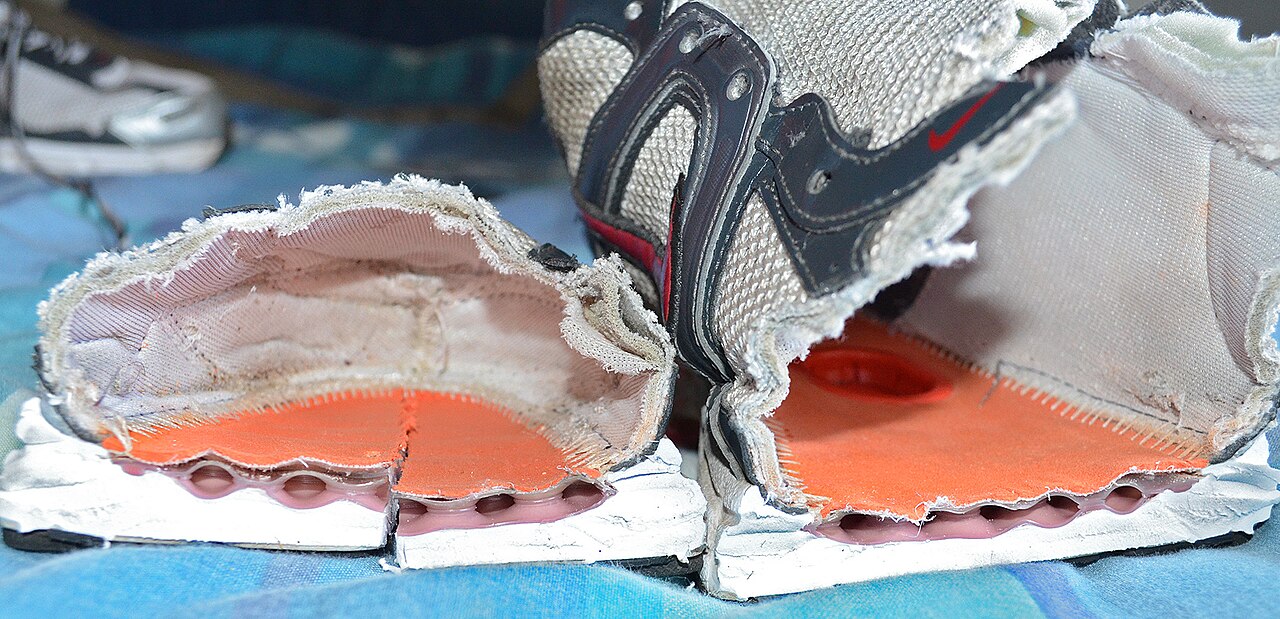
Flip your running shoes over. If the outside edges of the soles are chewed up while the inner edges look fresh, your shoes are telling you how you run. That lopsided wear pattern has a name: supination, also called underpronation.
It means your foot rolls outward during each stride and dumps your weight onto the outer border of your foot.
Not everyone wears shoes this way. Most runners pronate slightly, rolling inward so the arch absorbs shock. Supinators do the opposite, and their shoes pay for it on the outside edge.
This article explains why it happens, how to confirm it, what it means for injury risk, and which shoes actually help.
What supination actually is
Every foot rolls a little during walking and running. According to physical therapist Carol Mack, quoted by Nike, pronation is the foot rolling inward and placing weight on the inner border, while supination is the opposite: the foot rolls outward and places most of the body weight on the outer border. Both motions are normal in balance.
Problems start when either becomes excessive.
Oversupination, also called underpronation, is a greater-than-average outward roll. People with high arches are at higher risk, according to physical therapist Larisa Durrenberger, who Nike quotes in the same guide. She lists rigid high-arched feet, tight calf muscles, poor-fitting footwear, and old injuries that caused compensations as the usual causes.
Supination also changes how shock gets absorbed. The arch is the foot's natural spring. When the foot stays rolled outward, it stays rigid through the stance phase instead of flexing.
Tim Hilden, a gait analysis specialist at the University of Colorado Sports Medicine Lab and Performance Center, told Men's Journal: "The people that are supinators, they don't shock absorb very well. " That lost shock absorption travels up the chain into ankles, shins, and hips.
Why some runners wear the outer edge
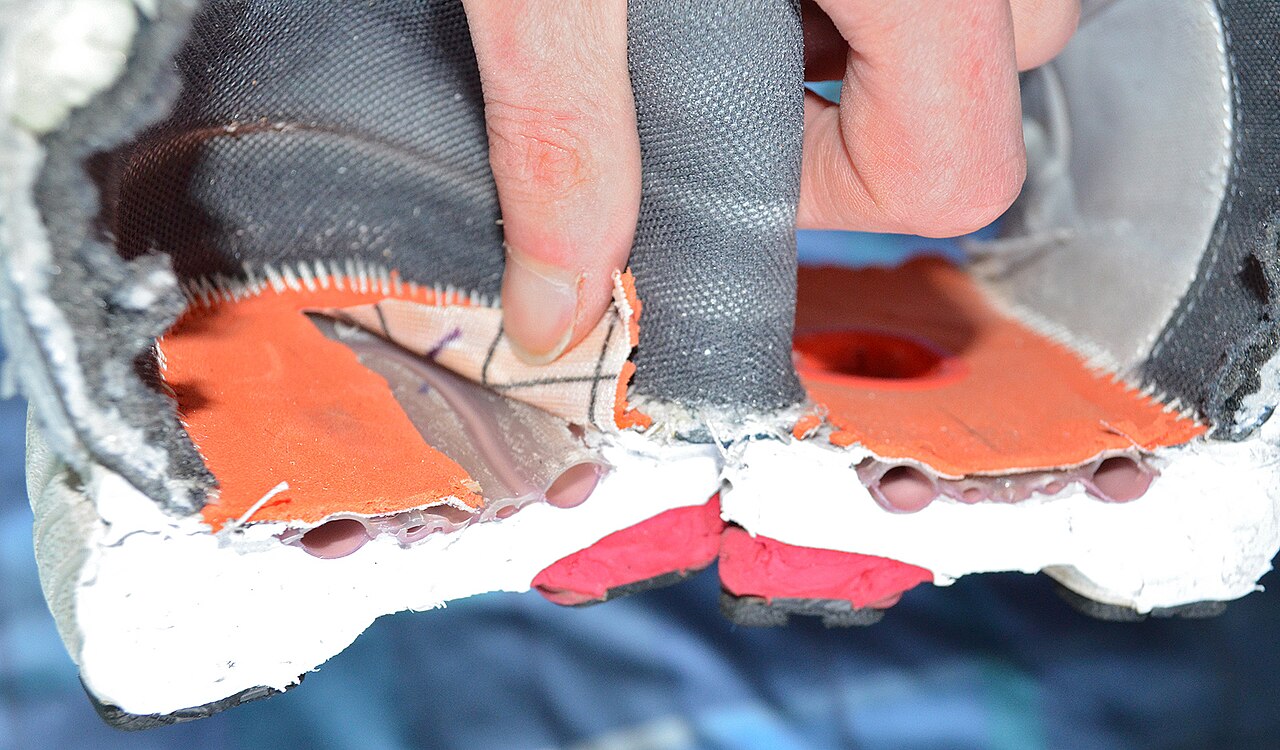
The wear pattern is almost always about structure, not effort. Men's Journal reports that supination is more often due to genetics and geometry than to bad running mechanics. A high-arched, rigid foot simply does not collapse inward the way a flatter foot does.
As Hilden explains it, the issue is alignment and the way forces are applied: some people are built so that their foot rolls outward no matter how cleanly they run.
That said, habits can push a neutral runner toward the outside edge. Landing too far out in front of the body, running on cambered roads that tilt the foot outward, and wearing worn-out shoes with dead cushioning can all load the lateral border more. But if the wear is strong and symmetric across multiple pairs, structure is the likely driver.
One more contributor: shoes themselves. A shoe that is too narrow squeezes the foot and can push weight outward. A shoe with a high heel-to-toe drop tilts the runner forward onto the forefoot's outer edge.
Checking fit is worth doing before blaming your feet.
Reading your own wear pattern
The sole check is the easiest diagnostic in running. Nike's wear pattern test says it plainly: if the outer edge of your shoe shows significant wear and tear, you are likely oversupinating; if the inner edge wears more, you may be overpronating. Even wear across the forefoot usually means neutral mechanics.
The wet foot test adds confirmation. Wet your foot and step on paper or concrete. If the arch area leaves a very thin line or a gap between the heel and ball prints, that rigid, high-arched footprint matches the supinator profile.
Other signs, listed by Men's Journal and podiatrist Dr. Tara Parks, include tight calf muscles, calluses on the outer edge of the foot near the little toe, and a heavy, loud footfall. Supinators tend to land hard because the rigid foot does not soften the landing.
Why it matters: injuries and the tailor's bunion
Outer-edge wear is not just a cosmetic quirk of your shoes. Because supinators miss the ball of the foot, which Hilden describes as the natural shock absorber, impact travels into structures that are not built for it. Business Today notes that underpronation is observed in only about 5% of runners, yet it is linked to stress-related bone and joint injuries in the lower extremities, since the body's natural shock absorbing motion is reduced.
A specific problem is the tailor's bunion, also called a bunionette. This is a bony prominence on the outside of the foot at the fifth metatarsal head, the mirror image of a classic bunion. Parks told Men's Journal that with a tailor's bunion, the fifth metatarsal pushes outward while the little toe drifts inward.
Pushing off the outside of the foot thousands of times per run loads exactly that joint, which is why supinators develop this problem more often.
Ankle instability is another downstream effect. An outward-rolling foot is a foot closer to rolling over entirely. Parks recommends a lower heel-to-toe drop for supinators with unstable ankles, since a high stack under the heel twists more easily.
Which shoes supinators should buy
This is where most advice goes wrong. Shoe stores love to sell "support" shoes to everyone, but the support in a stability shoe pushes the foot inward. On a supinator, that medial post shoves the ankle further outward, which can aggravate the problem, according to reporting from GeekFill's 2026 review roundup.
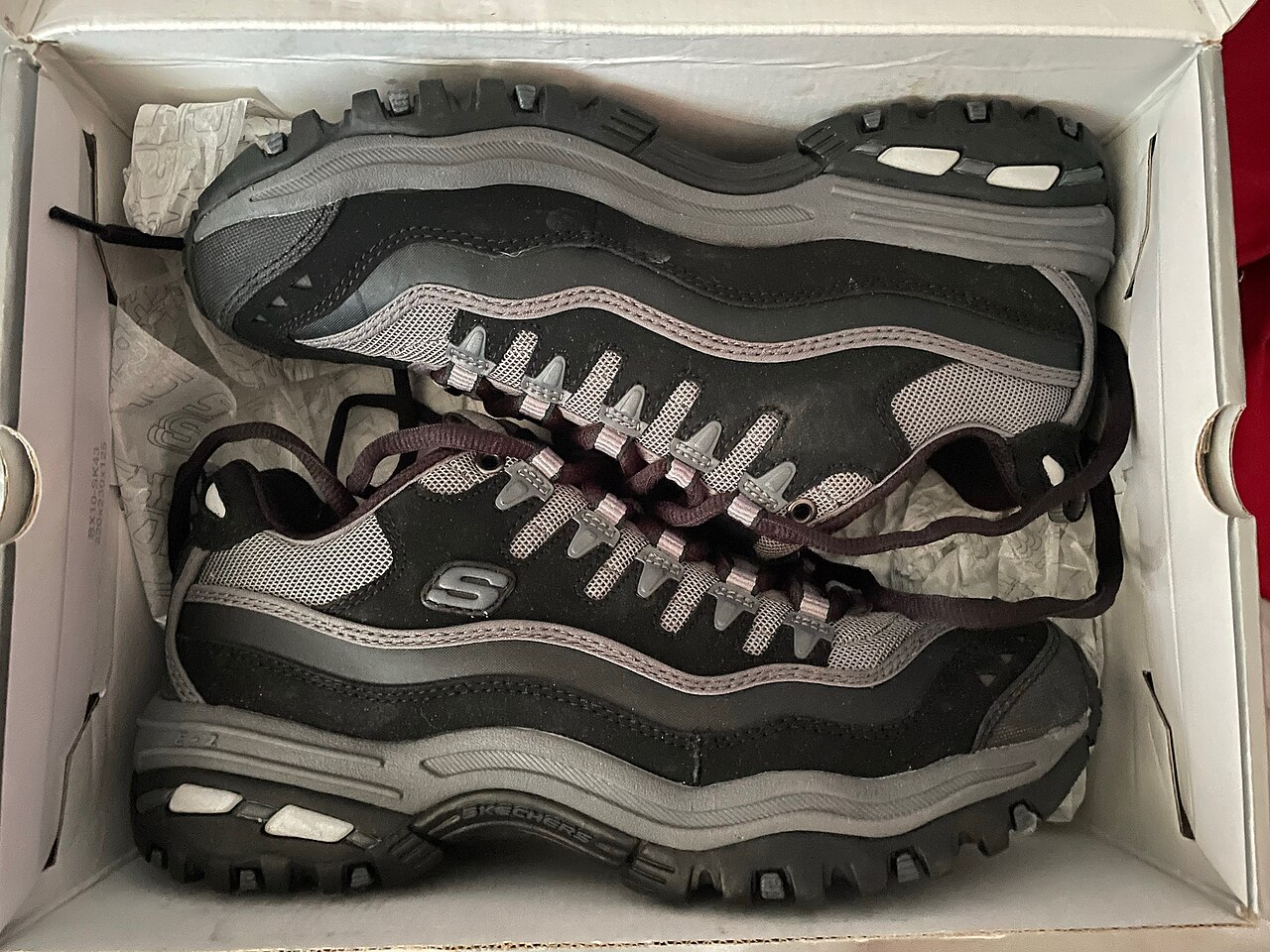
The consensus for supinators is simpler. Buy neutral shoes with generous midsole cushioning and a flexible platform. Nike's guide points to cushioned neutral models like the Pegasus or Vomero lines for their shock absorption.
Men's Journal adds that a moderate heel drop and a roomy toe box help, the latter giving the fifth metatarsal room so a forming bunionette is not squeezed.
Then add a lateral wedge. Hilden's recommendation, quoted in Men's Journal, is refreshingly low-tech: a prefabricated rubber wedge secured to the outside edge of the shoe's insole. Propping up the outer edge reduces the foot's ability to roll outward.
Rubber beats silicone because it does not break down as fast, and contact cement holds it in place for severe cases.
Strength work rounds out the fix. Durrenberger suggests heel raises with a ball squeezed between the ankles to hold a neutral ankle position, lateral band walks for the hips, and single-leg reverse deadlifts for balance. Barefoot-style work on soft surfaces and standing in a tripod foot position, with equal pressure through the big toe, little toe, and heel, also train the foot to stabilize itself.
When to see a professional
Try the wedge and the right shoes first. That combination resolves many cases on its own. Book a gait analysis if pain persists, if a bunion is visibly growing, or if you have recurring ankle sprains.
A physical therapist will film you on a treadmill and check torso lean, arm swing, foot strike, and knee and hip position to find what is actually driving the wear.
Persistent sharp or dull pain in the back, hips, or knees also deserves a professional look, since gait issues rarely stay in the foot. Mack, the physical therapist quoted by Nike, notes that understanding your gait type helps because both overpronation and underpronation can affect running mechanics in ways that hurt performance.
FAQ
Can supination be corrected, or is it permanent?
Foot structure does not change much, but the symptoms can be managed. The right shoes, a lateral wedge, and foot-strengthening exercises usually control outer-edge wear and its side effects.
How long should running shoes last for a supinator?
Most trainers are good for 300 to 500 miles, but supinators often retire shoes earlier because the lateral heel wears through sooner. Replace them when the outer edge feels rounded or the cushioning feels dead.
Do orthotics help supination?
A custom orthotic is rarely the first answer. A simple prefabricated lateral wedge does the specific job of limiting outward roll. Reserve full custom orthotics for cases with pain that the wedge does not fix.
Should supinators run barefoot to strengthen their feet?
Short, easy barefoot walks on grass can help foot strength, but switching to barefoot running is risky for supinators because the rigid foot absorbs shock poorly. Build volume very slowly and stop if anything hurts.
The bottom line
Shoes that wear out on the outer edge are showing you supination in action: the foot rolls outward, the arch never loads, and the lateral border takes the beating. The fix is not a stiffer shoe. It is a neutral, cushioned shoe, a small lateral wedge to limit the outward roll, and some foot-strength work.
Check the wear on your next pair. Your soles are keeping a diary of your stride.
Topics: running shoes, supination, gait, shoe wear, running form
Latest in Sports
- Why do trail running shoes have lugs and road shoes do not?
- What is VO2 max in simple terms and why runners care
- Why is walking uphill harder than it looks
- How to choose a kayak paddle length
Subscribe for weekly outdoor skills explainers in your inbox.
Related stories

Why Is Altitude Sickness Worse for Some People?
Altitude sickness hits some people harder because of genetics, ascent speed, and prior history, not fitness level. Here is what raises risk

Why Do You Get Blisters When Hiking and How to Prevent Them
Friction plus moisture plus heat equals a blister. Learn why hiking breeds all three, and the boots, socks, and tape system that keeps

How to choose hiking boots for beginners: fit, features, and break-in
Beginners should buy for fit first: snug everywhere, tight nowhere, with a thumb's width at the toes. Here is how to size, test,