
How to choose running shoes for flat feet
By Rive News / Research desk | Rive News / Published October 27, 2026 at 9:00 AM PKT
Key takeaways
- Most runners with flat feet do best in stability shoes, which limit the inward roll called overpronation.
- Check the heel counter, the firmer foam on the inner midsole, and a roomy toe box before buying.
- Break in stability shoes gradually over two to three weeks, and see a podiatrist if pain persists.
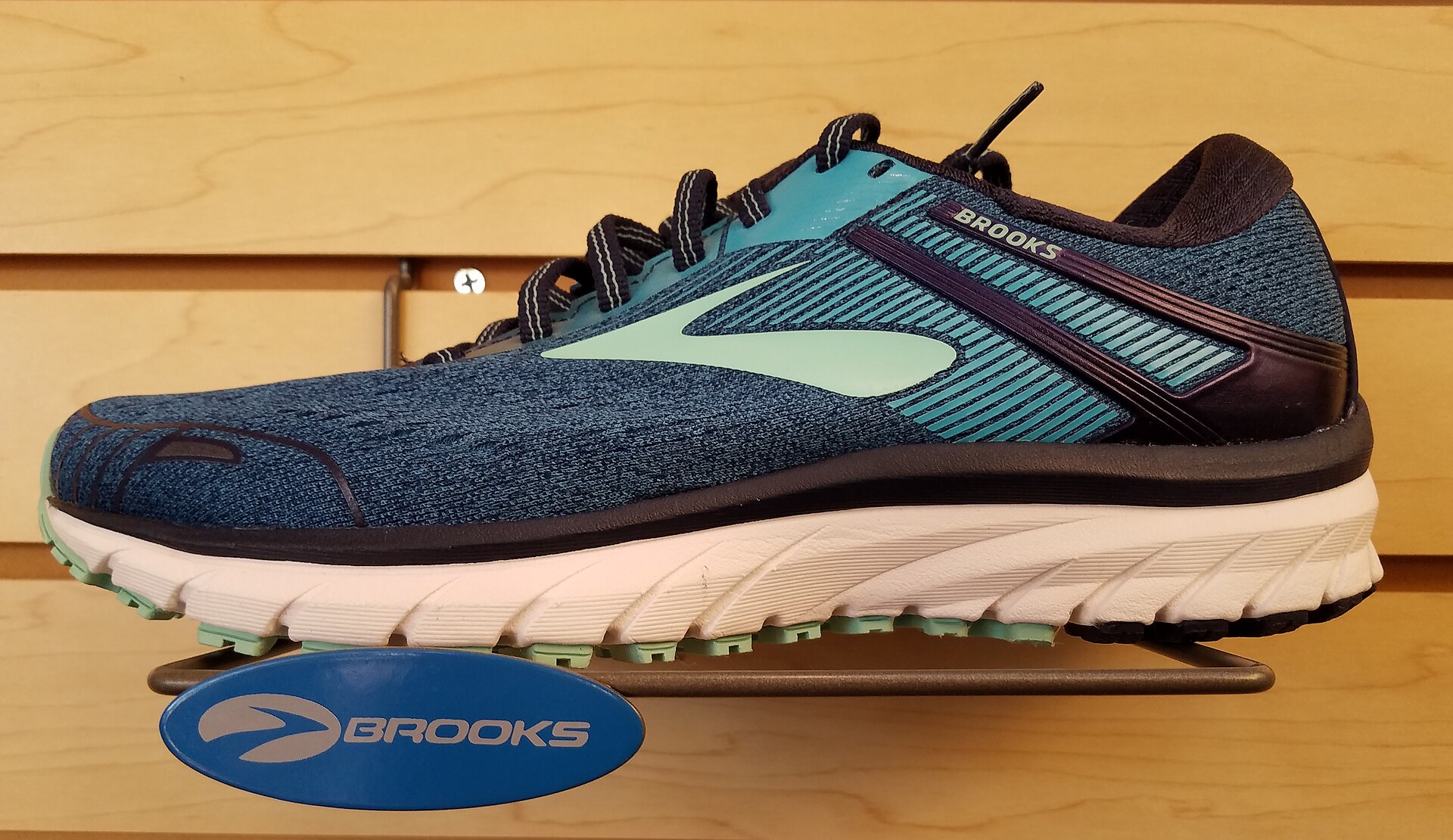
A pair of Brooks Adrenaline stability running shoes, a long-running support model. Photograph: the stability running shoes
Image Credits: Wikimedia Commons
Flat feet mean the arch sits low or touches the ground when standing, and the foot often rolls inward with each step. That inward roll is called overpronation, and it can strain the ankles, knees, and lower back over many miles. The right shoe does not rebuild the arch, but it can guide the foot into a steadier path.
This article explains how to choose running shoes for flat feet, including how to confirm overpronation, which shoe types fit which severity, and how to test fit in a store. It covers stability features, common mistakes, and a gradual break-in plan.
First, confirm what your feet do
Flat feet and overpronation are related but not identical. Flat feet describe arch height at rest, while overpronation describes motion during a stride. Many runners have one without the other, so the buying decision should follow motion, not arch height alone.
A simple check is the wear pattern on an old pair of shoes. Heavy wear on the inner edge of the heel and forefoot suggests the foot rolls inward. A wet footprint test gives another clue: a full, wide print with little arch curve suggests a low arch.
A running store gait check is more reliable than either home test. Staff watch the runner on a treadmill or track and note how far the ankle rolls inward after landing. A podiatrist can go further, checking leg alignment, flexibility, and any pain history before recommending a shoe type or an orthotic.
Start with a stability shoe
For most runners with flat feet, the starting point is a stability shoe. Stability shoes add support on the inner side of the midsole to slow the inward roll, while keeping more cushioning and flexibility than heavier motion-control shoes. Runner's Blueprint notes that most runners who overpronate do well in a stability shoe, and that stronger motion-control shoes fit only severe cases.
Motion-control shoes go further, with firmer construction and broader bases for severe overpronation or heavier runners. They suit runners whose arches collapse hard or whose pain keeps returning despite stability shoes. Neutral cushioned shoes, by contrast, lack the structure that overpronators need, and highly flexible or minimalist shoes can let the foot roll too far.
Well-known stability lines include the Brooks Adrenaline GTS, the ASICS Gel-Kayano, and the New Balance 860 series. Models change yearly, so the category matters more than any single version. A current stability model that fits well beats last year's celebrated shoe in the wrong size.
The features that actually matter
Four features separate a real stability shoe from a soft shoe with an arch label. First, the midsole should use firmer foam on the inner, or medial, side, often called a medial post or dual-density midsole. Pressing the inner midsole with a thumb should feel firmer than the outer side.
Second, the heel counter should be firm. The heel counter is the rigid cup around the back of the shoe, and it keeps the heel from wobbling at landing. If the counter collapses easily under thumb pressure, the shoe will offer little rearfoot control.
Third, the base should be wide and stable rather than narrow and curved. A straight or semi-curved last, which is the mold the shoe is built around, gives a broader platform than the curved lasts used in many neutral shoes. The Foot Practice also recommends a roomy toe box and wide forefoot, since toes spread on landing and cramped toes cause blisters and numbness.
Fourth, the insole should be removable if orthotics are part of the plan. Custom or over-the-counter inserts need depth and a flat bed, and a glued-in insole that cannot come out rules that option out. Runners who already use orthotics should bring them to every fitting.
Fit checks to run in the store
Fit comes before brand, price, and color. Try shoes later in the day, when feet are slightly swollen, which mimics running conditions. Wear the socks used for running, and leave about a thumb's width between the longest toe and the end of the shoe.
Check heel lockdown by walking and jogging in the store. The heel should stay put without the laces being cranked painfully tight. Check the midfoot next: snug, but not pressing on the top of the foot or the ankle bones.
Run a short jog, not just a walk, before deciding. A shoe that feels fine standing still can pinch or slip once the foot strikes repeatedly. Compare at least two or three pairs, and pick the one noticed least during that jog.
Comfort during movement is a better guide than any review score.
Mistakes that cost flat-footed runners
The most common mistake is buying for cushioning alone. A soft, plush shoe can feel wonderful for five minutes and still let the arch collapse on every stride. Softness without structure is the wrong trade for an overpronator.
Another mistake is choosing a narrow shoe for a wide foot. A narrow toe box restricts natural foot expansion and can cause numbness even in a well-supported shoe. Many stability models come in wide versions, and those versions are worth trying before sizing up in length.
A third mistake is ignoring heel-to-toe drop when Achilles problems exist. Guides for flat-footed runners caution against drops above 12 millimeters for runners with Achilles issues, since a high drop changes calf loading. Runners with Achilles pain should ask specifically about drop when comparing models.
Finally, do not keep running in shoes whose support has died. When the inner midsole compresses unevenly or the heel counter leans inward, the shoe no longer controls motion. Replacing worn shoes on schedule protects the knees and ankles more cheaply than treating an injury later.
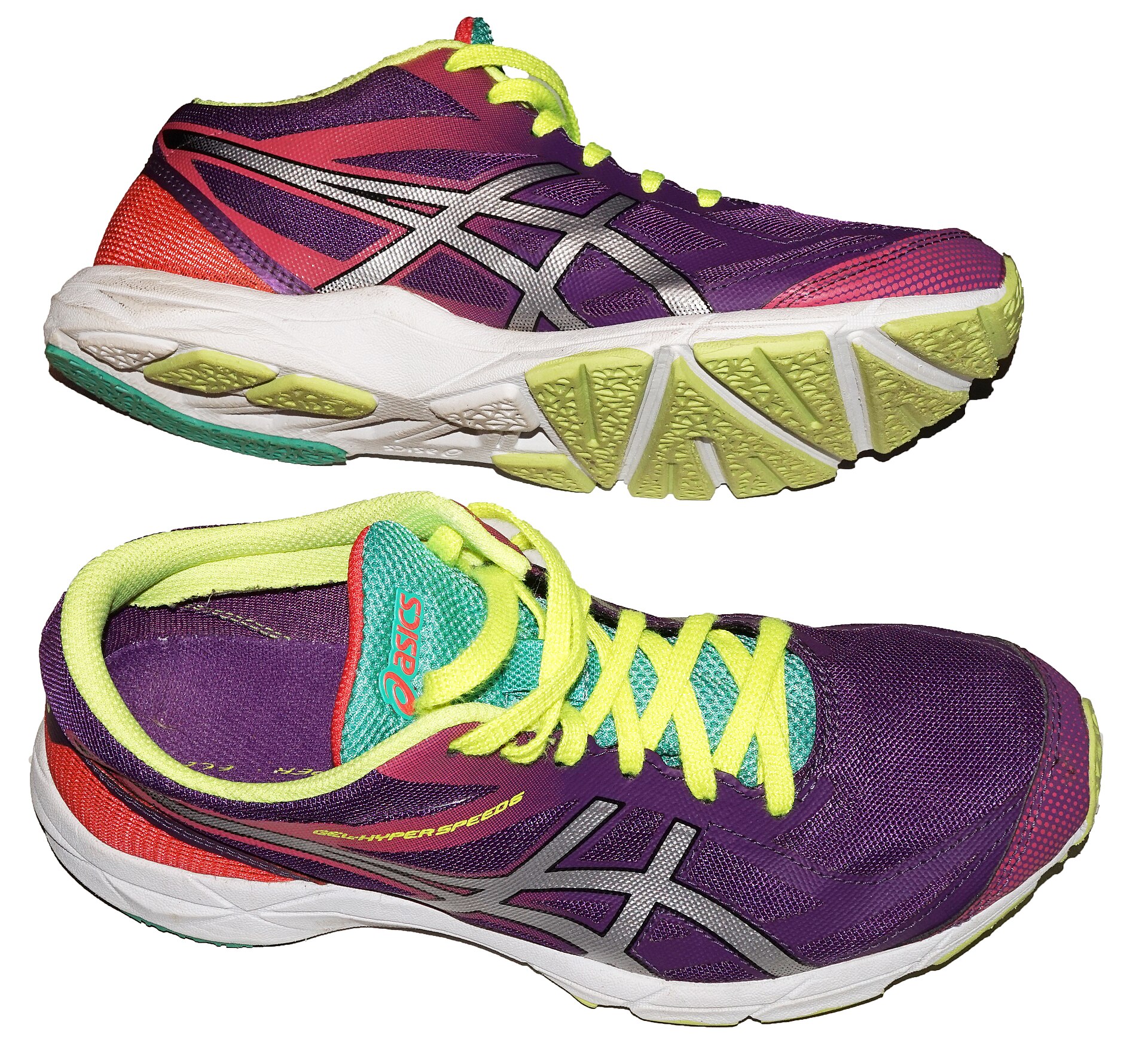
A pair of running shoes photographed before a run. Photograph: the running shoes
Image Credits: Wikimedia Commons
Breaking in the new support
Switching from a neutral shoe to a stability shoe changes how the foot and leg work. Muscles and tendons that were compensating for the roll get a different load, and that adjustment takes time. Guides recommend starting with short runs only, then building distance gradually over two to three weeks.
Some temporary discomfort during that window is common as the body adapts. Soreness that fades as mileage builds is different from sharp pain, swelling, or pain that changes how the runner walks. If pain persists beyond three weeks, the shoe may be the wrong match, and a podiatrist should check the fit and gait.
Strength work helps the shoe do its job. Calf raises, arch lifts, and hip strengthening support the same alignment the shoe encourages. No shoe replaces gradual mileage increases, rest days, and attention to pain signals.
Frequently asked questions
Do flat feet always need stability shoes?
No, flat feet alone do not decide the shoe. A flat-footed runner with a neutral stride and no pain may run fine in a neutral shoe. Stability shoes matter when the foot overpronates during running, or when pain follows the inward roll.
Can insoles replace a stability shoe?
Insoles help, but they work best inside a shoe that already fits the foot type. A soft neutral shoe with an insert still lacks heel control and a stable base. Runners using orthotics should pair them with a stability shoe that has a removable insole and enough depth.
Are motion-control shoes better than stability shoes?
Not for most runners. Motion-control shoes are heavier and firmer, and they suit severe overpronation or heavier runners. For mild to moderate overpronation, a stability shoe gives enough control with more flexibility and comfort.
How do I know the shoe is working?
The signs are steadier landings, less inner-edge wear, and less post-run ache in the ankles, knees, or arches. Keep the first few runs short and note any pain the next morning. If aches fade as mileage builds, the match is likely right.
The bottom line
Choosing running shoes for flat feet starts with motion, not marketing. Confirm overpronation, start with a stability shoe, test the heel counter and inner midsole, and break the pair in over two to three weeks. When pain persists despite a good fit, a podiatrist can check whether the shoe, an orthotic, or something else is the missing piece.
Tags: running shoes, flat feet, overpronation
Rive News is a research desk that writes plain-language explainers from public sources, with no invented experts or first-hand claims.
Related
- How to choose running shoes for beginners in 2026
- Why do your shins hurt when you start running?
- Why do your calves burn on uphill runs?
- What is a good 5K time for a beginner?
Subscribe for one plain-language sports and outdoors explainer each week.
Rive News publishes explainers from cited public sources; corrections are welcome and noted on the article.
Related stories

Why Is Altitude Sickness Worse for Some People?
Altitude sickness hits some people harder because of genetics, ascent speed, and prior history, not fitness level. Here is what raises risk
Why Do You Get Blisters When Hiking and How to Prevent Them
Friction plus moisture plus heat equals a blister. Learn why hiking breeds all three, and the boots, socks, and tape system that keeps
How to choose hiking boots for beginners: fit, features, and break-in
Beginners should buy for fit first: snug everywhere, tight nowhere, with a thumb's width at the toes. Here is how to size, test,