
How to start playing badminton as a complete beginner
By Rive News / Research desk | Rive News / Published October 25, 2026 at 9:00 AM PKT
Key takeaways
- Learn the forehand grip and the split step before chasing power.
- Build your first rally around high clears, not smashes.
- One weekly session with a simple plan beats sporadic hard hitting.
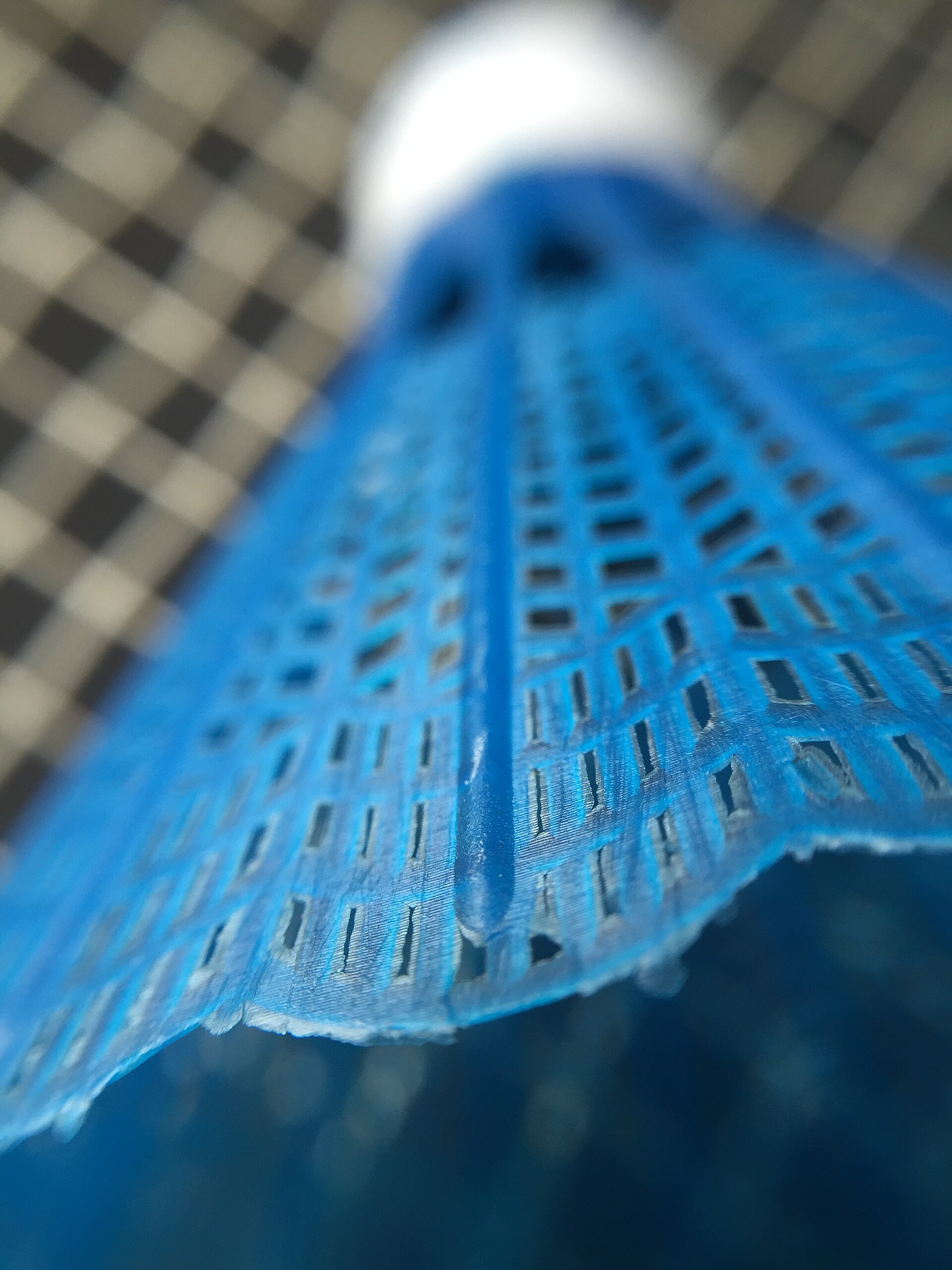
[A close-up of a blue shuttlecock resting against a racket net.] Photograph: Badminton shuttlecock
Image Credits: Wikimedia Commons
Badminton is a racket sport played with a shuttlecock, a light cone-shaped projectile, across a net on a rectangular court. It is fast, but it is also one of the easiest racket sports to start, since rallies can be fun long before anyone hits hard. This article explains how to start playing badminton as a complete beginner, including the grip, footwork, first rally, and a simple first-session plan.
What you need to start
You need very little. A basic racket, a tube of plastic shuttlecocks, and court shoes with non-marking soles are enough. Running shoes are a poor substitute, since badminton involves sharp sideways stops that running shoes are not built to support.
Many leisure centres and sports halls run drop-in sessions where rackets can be borrowed. That is the cheapest way to try the game before buying anything. A club adds coaching and regular partners, which matter more than an expensive racket.
Wear breathable sportswear and bring water. Badminton looks gentle from the sidelines, but a rally moves a player across the whole court in seconds, and beginners sweat more than they expect.
The grip comes first
Every shot starts with how you hold the racket. The basic forehand grip feels like shaking hands with the racket handle, with the V between thumb and index finger lined up along the racket's edge. Keep the hold relaxed, tightening only at the moment of contact.
A tight grip is the most common beginner fault. It locks the wrist, slows the racket, and makes switching to a backhand grip harder. Check your grip before each serve and return, and loosen your fingers whenever your hand feels tense.
The backhand grip is a small rotation of the same hold, turning the hand so the thumb sits differently on the handle. Beginners should learn it early, even if they use it rarely at first, since changing grips mid-rally is a skill that needs practice, not a trick to improvise later.
Coaching guides recommend practising grip changes without a shuttle, switching between forehand and backhand until the change feels automatic. Twenty relaxed switches before a session is a useful warm-up habit.
Footwork: the skill beginners skip
Footwork is how a player moves to the shuttle and recovers afterwards. It matters more than arm strength, because a shot hit from a balanced position beats a powerful shot hit off balance. The Badminton World Federation's coaching material treats footwork as a foundation skill alongside grip and the serve.
Start with the ready position. Stand near the centre of your half of the court, knees slightly bent, weight on the balls of your feet, racket up in front of you. From there you can move in any direction.
Add the split step. Just before your opponent hits the shuttle, make a tiny hop and land with feet apart. That small bounce primes your legs to spring in any direction, and it is the single habit that most improves a beginner's court coverage.
After each shot, recover toward the centre. Beginners often admire their own shot while standing where they hit it, leaving half the court open. A short recovery step after every shot keeps you ready for the reply.
The serve and the 1.15 metre rule
Every rally starts with a serve, and the serve has a strict height rule. Under the Badminton World Federation's Laws of Badminton, the whole shuttle must be below 1.15 metres at the moment it is struck. Hitting it higher is a fault.
For beginners, the low serve is the place to start. Stand in the service box, hold the shuttle by its feathers, and push it gently just over the net into the diagonal service box. The goal is consistency, not deception, so aim for ten clean serves in a row before trying flick or high serves.
A player who cannot serve reliably gives away points before the rally begins. Practising serves for five minutes at the start of a session is time well spent.
Your first rally: clears, not smashes
The clear is the best first shot to learn. It is a high, deep shot from your back court to your opponent's back court, and it buys time to recover while pushing your opponent backward. A good clear uses body rotation and a relaxed arm, with contact above the head, rather than arm strength alone.
Practise clears with a partner feeding shuttles by hand. Take turns hitting ten clears in a row, aiming for height and depth rather than speed. When both players can clear consistently, a rally starts to happen naturally.
Then add the drop shot. A drop is a soft shot that just clears the net and lands near the front of the court, and it works because it uses the same preparation as a clear. Alternating clears and drops teaches disguise from the start, and it forces both players to move.
Smashes can wait. A smash is a steep, powerful downward shot meant to win the rally, and beginners who chase it early tend to hit hard from poor positions. Clean contact from a good position will produce pace soon enough.
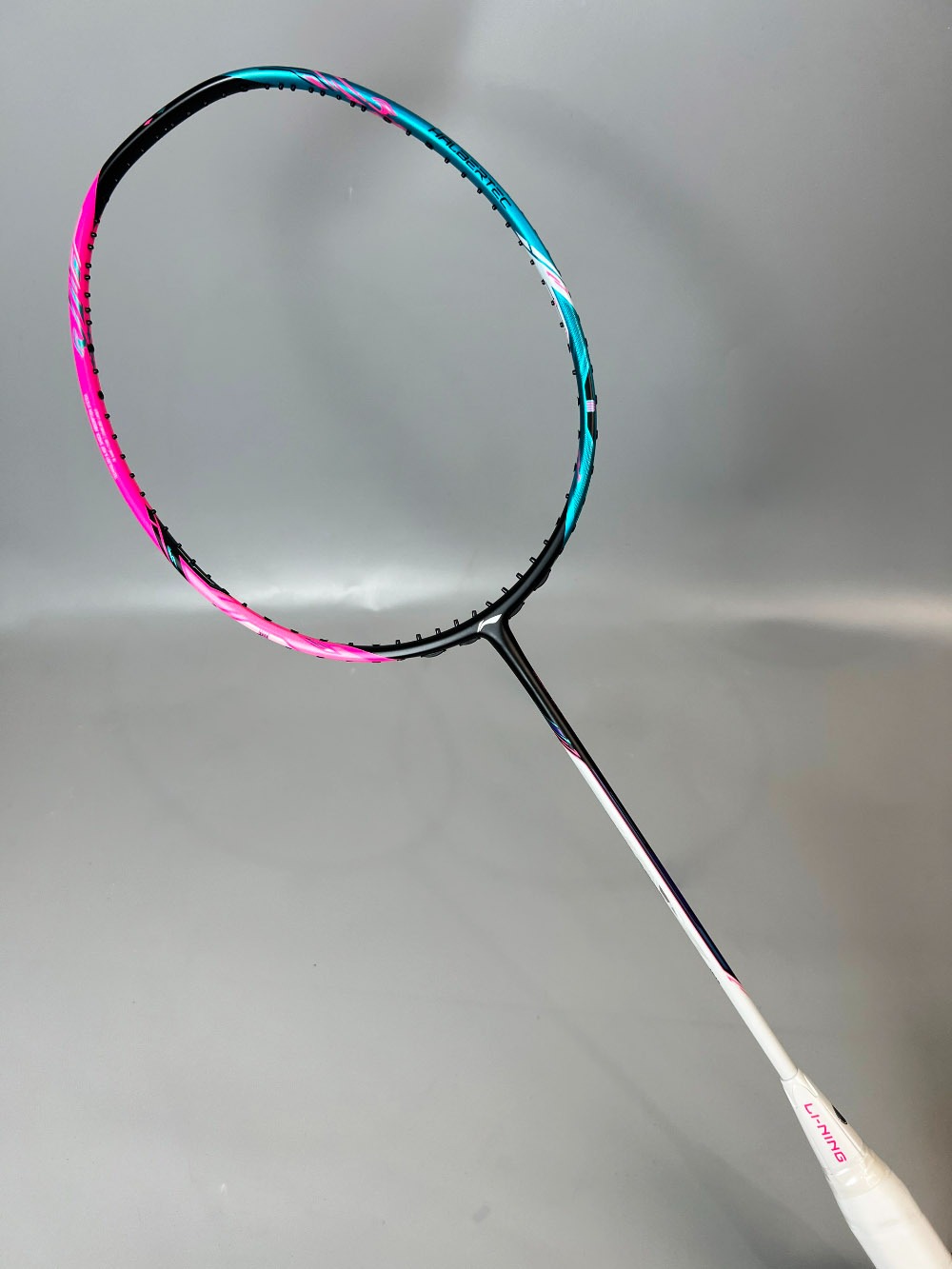
[A badminton racket, the one piece of gear every beginner needs.] Photograph: Badminton racket
Image Credits: Wikimedia Commons
Court movement without a shuttle
Shadow footwork is practice without a shuttle, and it builds habits faster than match play alone. Stand at the centre of the court, move to a corner, and return to the centre. Repeat for all six corners: front left, front right, mid left, mid right, back left, and back right.
Keep steps short near the front court. Use a controlled lunge to reach a front shuttle instead of leaning with your upper body, which leaves you off balance. At the back, move behind the shuttle so you can hit it in front of your body.
Do this slowly at first. Quality beats speed, and a smooth pattern learned slowly transfers to real rallies, while rushed, sloppy steps just rehearse bad habits.
Scoring, simply
Badminton matches are usually played as the best of three games. Each game goes to 21 points, and a player must win a rally to score a point, no matter who served. If the score reaches 20-all, the game continues until one player leads by two points, capped at 30.
In singles, you serve from the right service box when your score is even and from the left when it is odd. In doubles, the same rule applies to the serving side, with partners covering their own halves. Beginners need not master every doubles rotation at first, since social games are forgiving.
The key point for a first session is simpler: keep score loosely, keep rallies going, and treat the game as practice. Counting points matters less than hitting ten shots in a row.
A first-session plan
A useful first session lasts about an hour. Spend five minutes on grip changes and gentle movement, then ten minutes on shadow footwork to the six corners. Practise low serves for five minutes, aiming for the diagonal box.
Then spend twenty minutes on clears with a partner, taking turns and counting consecutive clean hits. Finish with fifteen minutes of relaxed rally games, where the goal is the longest rally, not the most points. A target of five shots, then ten, then twenty gives the session a shape.
Play once a week to start, twice if you enjoy it. Regular short sessions build habits faster than one exhausting monthly outing, and they keep soreness manageable.
Common beginner mistakes
Hitting too hard is the first. Power without position produces errors, and errors end rallies before anyone learns anything. Aim for clean contact and a high clear, and let pace arrive later.
Standing still after a shot is the second. Recovery to the centre feels like wasted movement, but it is what lets you reach the next shuttle. Watch any experienced player and you will see the recovery step after every shot.
Gripping too tightly is the third, and it feeds the other two. A tense hand slows the racket and stiffens the wrist, so check your grip whenever rallies start breaking down.
Skipping the warm-up is the fourth. Five minutes of light movement and gentle lunges prepares legs for the sharp stops badminton demands, and it lowers the chance of a pulled muscle in the first game.
Frequently asked questions
Do I need lessons to start badminton?
No, but a few group sessions help a lot. A coach can fix grip and footwork early, before bad habits settle, and club sessions supply regular partners at your level.
How long until I can play a real match?
Most beginners can enjoy a social game within a few sessions. Clean clears and a reliable low serve are enough for a friendly match, even if rallies stay short.
Is badminton hard on the knees?
It can be, since the game involves lunges and sudden stops. Court shoes, a proper warm-up, and controlled lunges rather than overreaching all reduce strain. Stop and rest if a knee feels sharp pain.
Singles or doubles for a beginner?
Doubles is gentler for a first game, since each player covers less court and rallies last longer. Singles teaches movement faster, so try both and see which you enjoy.
The bottom line
Start with a relaxed forehand grip, a split step, and a steady clear. Add a reliable low serve, recover to the centre after every shot, and let rallies grow from five shots to ten to twenty. Power, smashes, and tactics all come later, and they come faster once the foundations are in place.
Book a drop-in session, borrow a racket, and play one hour this week. The first rally is closer than it looks.
Tags: badminton, beginner sports, racket sports
Rive News is a research desk covering everyday questions with sourced, practical explainers.
Related
- How to start rock climbing as a complete beginner
- How to choose running shoes for beginners
- How to improve your balance for any sport
- How to do a proper warm-up before a football match
Subscribe for one practical explainer a day in your inbox.
Rive News publishes sourced explainers and corrects errors promptly when readers flag them.
Related stories
Why Is Altitude Sickness Worse for Some People?
Altitude sickness hits some people harder because of genetics, ascent speed, and prior history, not fitness level. Here is what raises risk
Why Do You Get Blisters When Hiking and How to Prevent Them
Friction plus moisture plus heat equals a blister. Learn why hiking breeds all three, and the boots, socks, and tape system that keeps
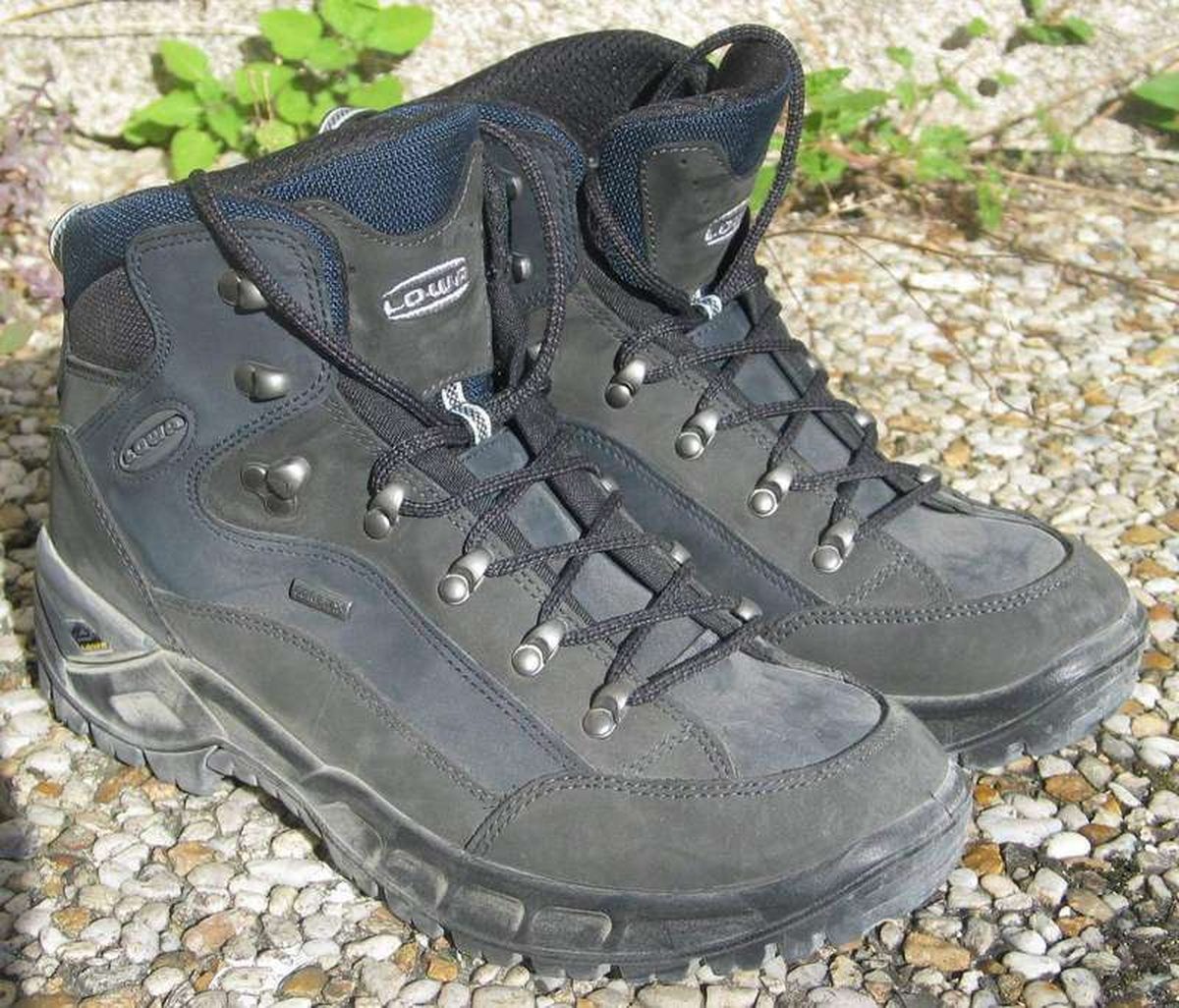
How to choose hiking boots for beginners: fit, features, and break-in
Beginners should buy for fit first: snug everywhere, tight nowhere, with a thumb's width at the toes. Here is how to size, test,