
How to stop swim goggles fogging up for good
By Rive News / Research desk | Rive News / Published October 26, 2026 at 9:00 AM PKT
Key takeaways
- Fog is condensation on the cool inner lens, caused by warm, moist air from your face.
- A good seal and an intact anti-fog coating prevent fog far better than spitting.
- Never wipe the inside of the lens, since wiping strips the coating that stops fog.
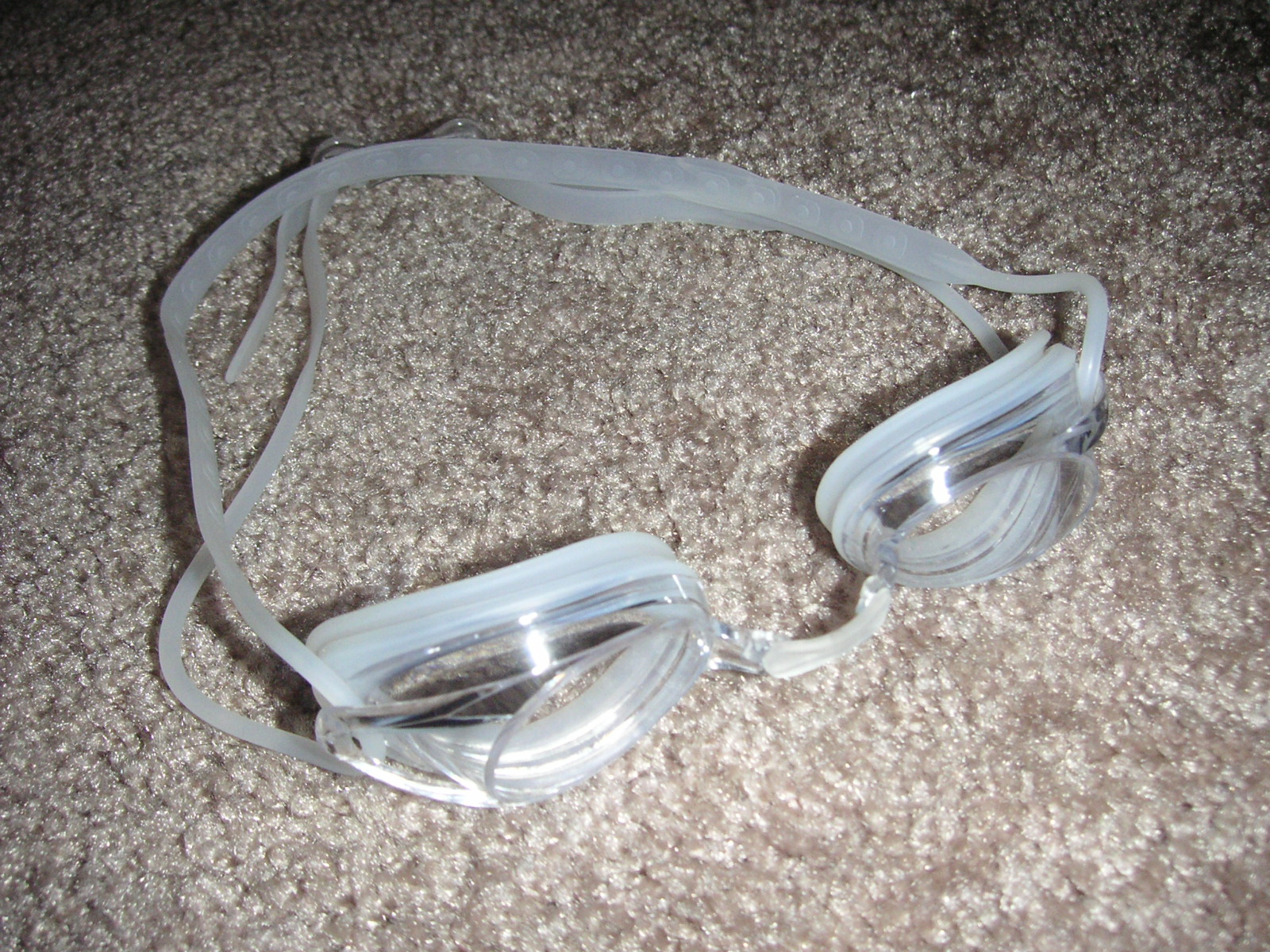
[A pair of swimming goggles with clear lenses, ready for use.] Photograph: the subject
Image Credits: Wikimedia Commons
Foggy goggles are not a mystery. Warm, moist air from your skin meets a cooler lens, and the moisture condenses into tiny droplets that scatter light.
This article explains why that happens, including fit, anti-fog coatings, and the routine that keeps lenses clear. It also covers what to do when fog returns, and when replacement beats another fix.
Why goggles fog at all
Your face gives off heat and moisture during a swim. The air trapped inside the goggle cups warms up, while the lens stays close to the cooler pool water.
When that warm, moist air touches the cool inner lens, it condenses. Thousands of tiny droplets form, and each one bends light in a different direction.
The result is a milky haze rather than a clear view. The lens is not dirty, and the water is not cloudy, so wiping the outside changes nothing.
Anti-fog coatings work by changing how water behaves on the lens. Instead of beading into droplets, water spreads into a thin, clear sheet.
That sheet still sits on the lens, but it does not scatter light the same way. Vision stays usable until the coating wears out or gets damaged.
Fit comes before any trick
A leaking goggle lets water in, and a poor seal lets warm air move in odd ways. Both make fog worse, and neither is fixed by a spray.
JustSwim's goggle guide gives a simple suction test. Press the eye cups onto your eye sockets without the strap, let go, and a good fit should hold by gentle suction for a second or two.
The seal should feel even all the way around. If you must over-tighten the strap to stop leaks, the cup shape is wrong for your face.
Try another model instead of forcing the strap tighter. A tight strap causes headaches, leaves marks, and still leaks once the gasket deforms.
Face shape varies more than marketing suggests. A model that suits a training partner may not suit you, even in the same size.
Protect the coating you already have
Most new goggles arrive with an anti-fog coating on the inner lens. That coating is thin, and it is easy to destroy by accident.
Never wipe the inside of the lens with a towel, a finger, or a shirt. Wiping scrubs the coating off, and once it is gone, fog returns fast.
Rinse the lenses in cool, fresh water instead. SwimSafe's guide makes the same point, warning that touching the inside wears the coating away quickly.
Let the goggles air dry after rinsing. Heat, harsh soap, and direct sunlight can all shorten the coating's life.
Store them in a case or soft pouch. Scratches on the inner lens break the coating's smooth surface and give droplets a place to form.
The pre-swim routine that works
Rinse the goggles in cool water before you swim. A cool rinse also narrows the temperature gap between your face and the lens.
Wet your face at the same time. Closing the gap from both sides reduces the condensation that forms in the first minutes.
Set the seal before tightening the strap. Press the cups into place, check the seal feels even, and only then adjust the strap to snug.
Do not touch the inner lens during this routine. The whole point is to leave the coating untouched and ready to work.
Swim Network's fog guide sums up the same order. It advises a cool rinse, a wet face, and a seal set before the strap, with no contact on the inner lens.
What to do mid-swim
Resist the urge to wipe when fog appears. Wiping during a swim damages the coating and often makes the haze permanent for that session.
Let water flow through the goggle briefly at a turn instead. A quick flush can clear some fog and equalise the temperature inside the cup.
If fog keeps returning every length, the coating may already be worn. Note it for after the swim, rather than fighting it in the water.
Some goggles use a swipe design, where a wet finger reactivates the coating. Only use that method if the maker says the model supports it, since swiping other lenses strips them.
Spit, shampoo, and sprays
Spit is the oldest trick in swimming, and it sometimes helps for a short time. Saliva leaves a thin film that spreads water more evenly, which mimics a coating.
The effect is brief, and it brings bacteria onto a lens that sits against your eyes. Several makers and care guides advise against it for that reason.
Baby shampoo is a common home alternative. A tiny amount, rinsed gently, can leave a similar thin film on an older lens.
Dedicated anti-fog spray is the cleaner option for worn coatings. Apply it to a rinsed lens, follow the maker's timing, and rinse lightly before swimming.
Use only sprays made for swim goggles. Sprays for car windscreens or ski gear can contain solvents that strip or cloud a goggle lens.
When fog means replacement time
A coating fades over months of use, even with good care. JustSwim notes that the coating naturally fades over several months, and replacement is then the simplest long-term fix.
SwimmersWorld's care guide gives a similar rule. Replace the pair once a cool rinse and a correctly applied spray both fail to keep a set clear.
Other signs point the same way. Cracked or hardened gaskets, a stretched strap, and scratches inside the lens all mean the pair is near the end of its useful life.
Regular swimmers often get three to six months from a training pair. Occasional swimmers may stretch that to one or two seasons.
Buying a new pair is cheaper than fighting fog every session. It also restores the seal, which protects vision as much as the coating does.
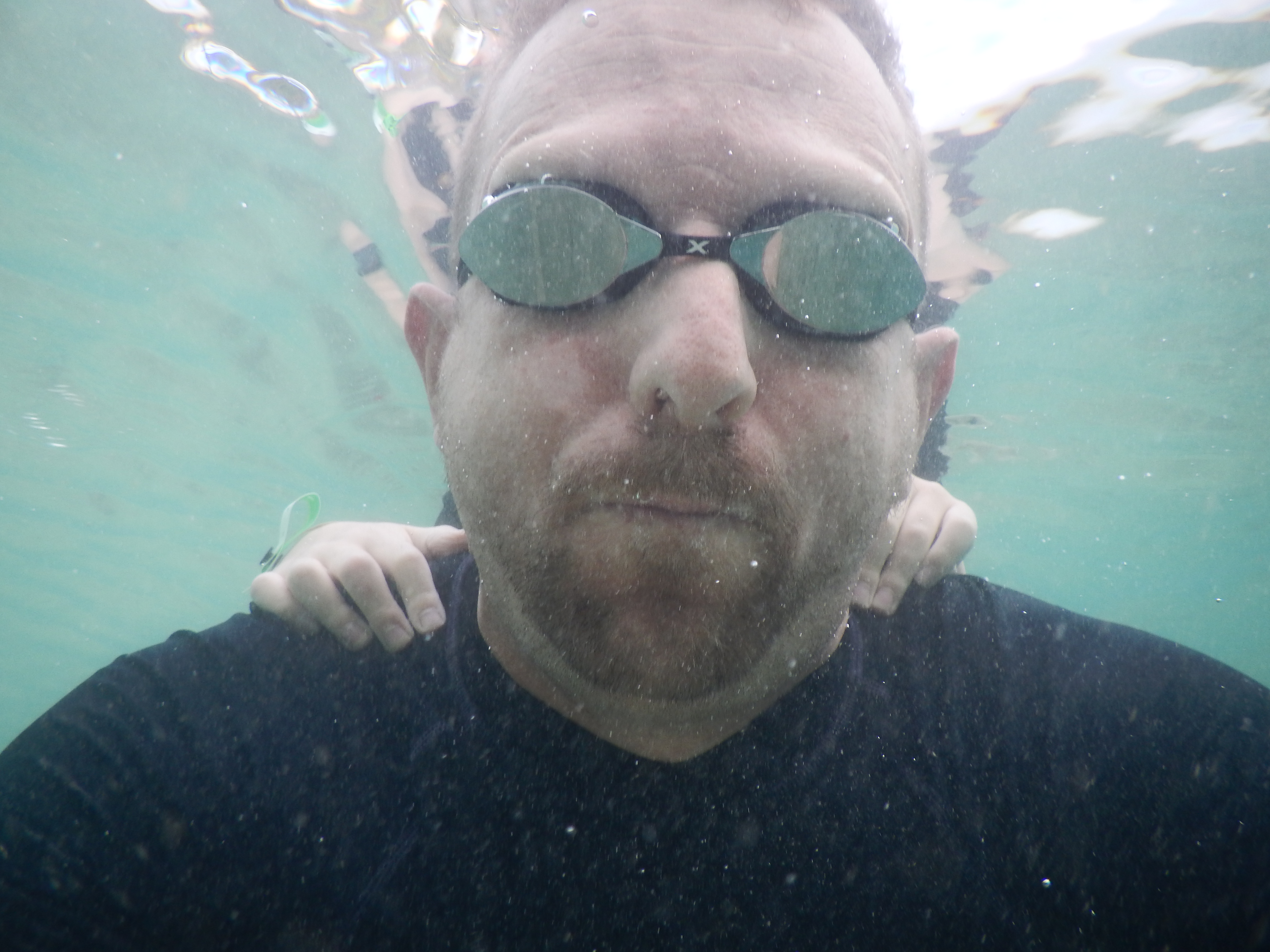
[A swimmer underwater wearing goggles, with a clear view through the lenses.] Photograph: the subject
Image Credits: Wikimedia Commons
Choosing the next pair
Start with fit, not brand. Use the suction test in the shop, and check the seal with the strap loose.
Pick a lens tint for where you swim. Clear lenses suit indoor pools, while smoke or mirrored lenses cut glare outdoors.
Check that the nose bridge adjusts or swaps. A bridge that is too wide tilts the lenses away from the face and breaks the seal at the sides.
Ask about the coating and its care. A pair with a clear care guide is easier to keep fog-free than a pair with no guidance at all.
Keep the receipt and the case. A case protects the lenses in a swim bag, where keys and bottles cause most scratches.
A routine to remember
Before the swim, rinse in cool water and wet your face. Set the seal, then tighten the strap just enough to hold the cups in place.
During the swim, do not wipe the inner lens. Flush briefly at a turn if fog builds, and leave deeper fixes for later.
After the swim, rinse in cool water, shake off excess water, and air dry. Store the pair in a case, away from heat and sunlight.
When fog returns despite that routine, try a swim-specific spray. When spray and rinse both fail, replace the goggles.
Frequently asked questions
Does spitting on goggles really stop fog?
It can help briefly, since saliva leaves a film that spreads water more evenly. It is short-lived, it adds bacteria to the lens, and makers generally advise rinsing or spray instead.
Why do new goggles fog less than old ones?
New goggles carry a fresh anti-fog coating that spreads condensation into a clear sheet. That coating fades over months, and wiping the inner lens wears it away faster.
Should I tighten the strap to stop fog?
No, a strap cannot fix a poor seal or a worn coating. If the cups only seal when the strap is very tight, the cup shape is wrong for your face and another model fits better.
Can I use anti-fog spray on any goggles?
Use only sprays made for swim goggles, and test an unbranded product on a small area first. Sprays for cars or ski gear can strip or cloud a goggle lens.
The bottom line
Fog is condensation, not bad luck, and the fix is a system rather than a trick. Get the fit right, protect the coating, rinse cool before swimming, and never wipe the inner lens.
When that routine stops working, the coating has likely run its course. Replace the pair, and the next swim starts clear again.
Tags: swimming, goggles, anti-fog
Rive News's research desk covers everyday science and pet behaviour from public sources, with no invented experts or first-hand claims.
Related
- Why do goggles fog up and how do anti-fog coatings work
- How to learn to swim as an adult without embarrassment
- How to stay safe swimming in open water
- How to read a river current before swimming or kayaking
Subscribe for one plain-English explainer each day, with sources you can check.
Rive News publishes explainers from verifiable public sources; corrections are made openly when a source is shown to be wrong.
Related stories

Why Is Altitude Sickness Worse for Some People?
Altitude sickness hits some people harder because of genetics, ascent speed, and prior history, not fitness level. Here is what raises risk
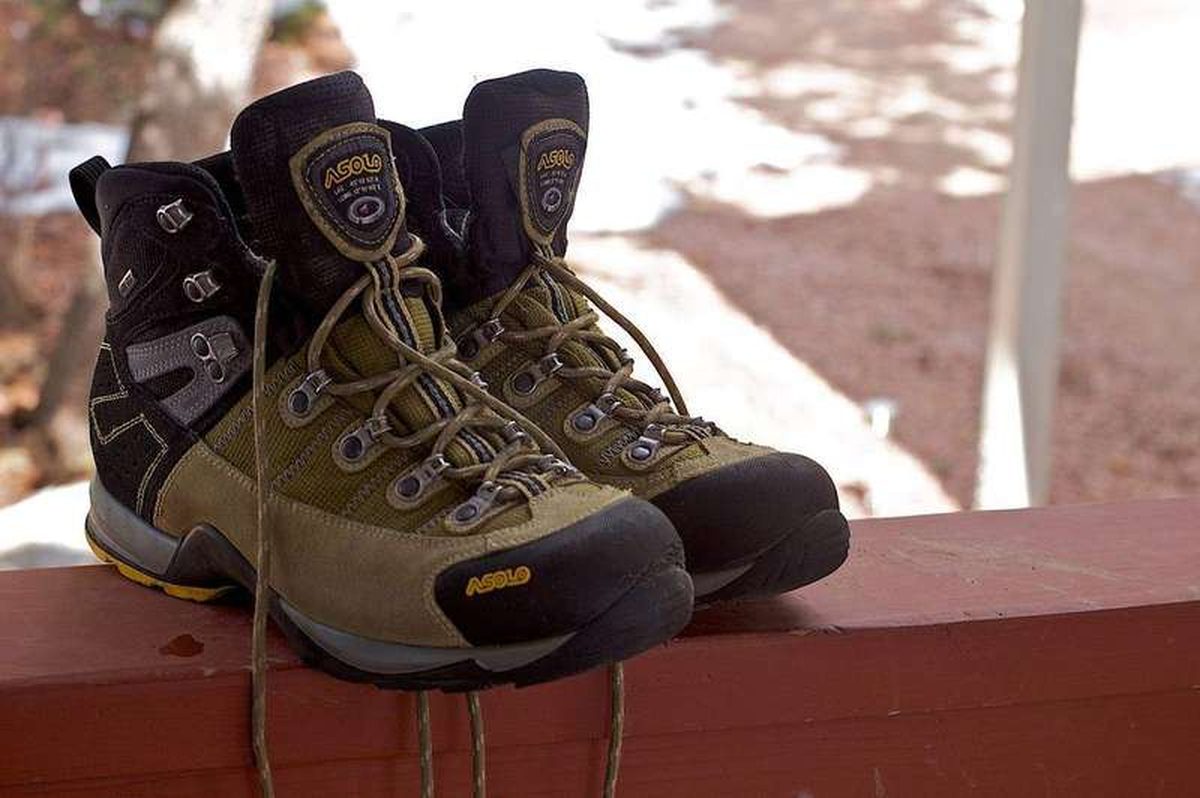
Why Do You Get Blisters When Hiking and How to Prevent Them
Friction plus moisture plus heat equals a blister. Learn why hiking breeds all three, and the boots, socks, and tape system that keeps
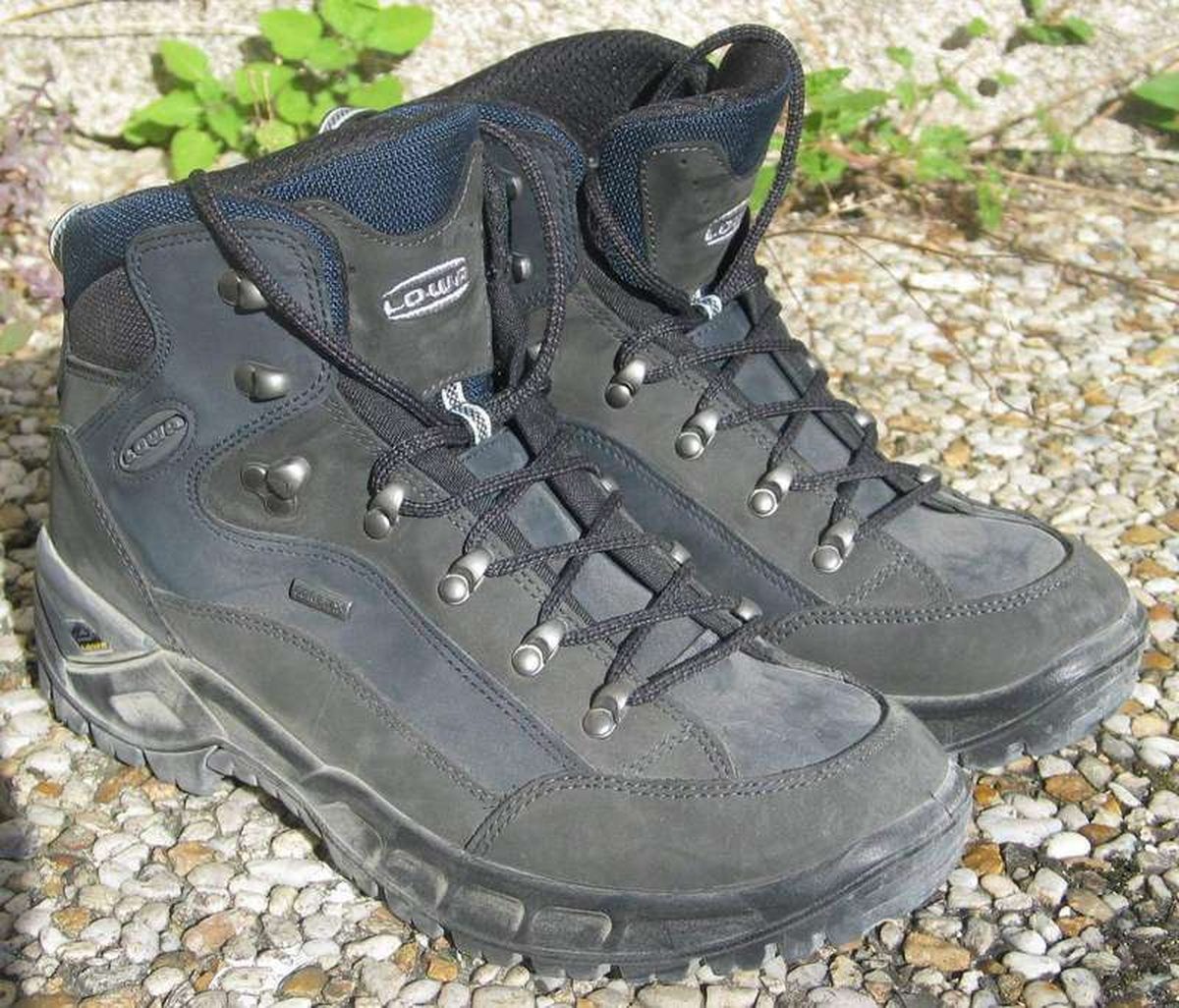
How to choose hiking boots for beginners: fit, features, and break-in
Beginners should buy for fit first: snug everywhere, tight nowhere, with a thumb's width at the toes. Here is how to size, test,