
What Is the Difference Between eSIM and Physical SIM Security
Key takeaways
- A physical SIM can be stolen, cloned, or swapped by tricking a carrier, while an eSIM cannot be physically removed from your phone.
- An eSIM trades those physical risks for a software risk: attackers can target the remote provisioning process instead.
- Your strongest defense is the same for both: stop relying on SMS codes and lock down your carrier account.
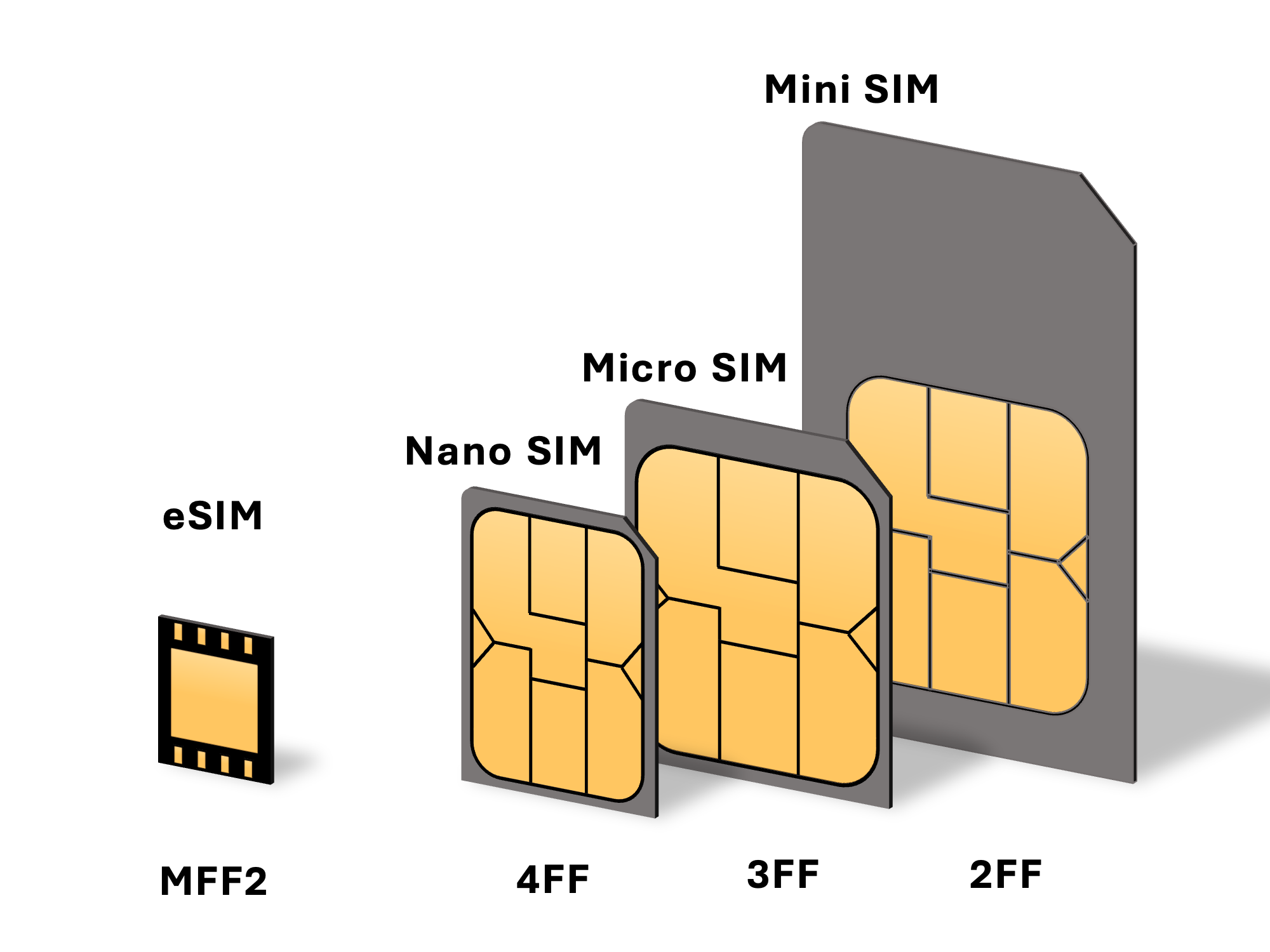
Both kinds of SIM do the same job. They prove to the mobile network that you are you. The difference is where that proof lives.
A physical SIM is a removable card you can hold in your fingers. An eSIM is a chip soldered inside your phone that downloads your carrier profile over the air.
That one design choice changes the whole threat model. The physical SIM can be stolen, lost, or copied. The eSIM cannot be pulled out, but it can be attacked through software.
This article compares the two, including the physical attacks, the provisioning risks, the cases where a physical SIM still wins, and the steps that protect you either way.
What each one actually is
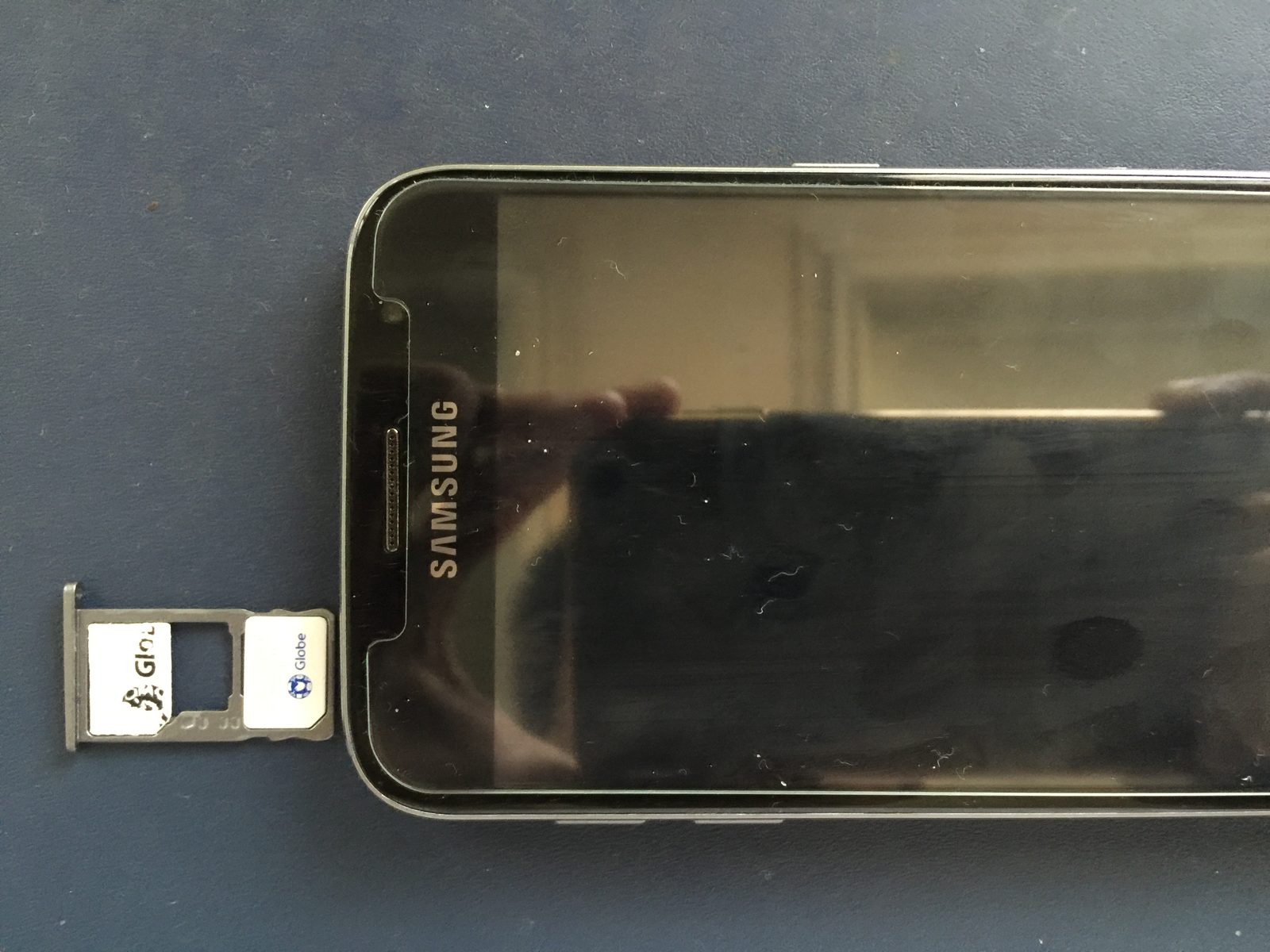
A traditional SIM is a removable smart card. Security Boulevard describes it as a self-contained chip running a small secure operating system that stores your subscriber credentials, most importantly the secret key that authenticates you to the mobile network. You can pull it out and move it between phones.
An eSIM, or embedded SIM, is a chip soldered onto the device during manufacturing. Security Boulevard explains that instead of swapping a card, you download a subscriber profile onto the chip over the air, a process called Remote SIM Provisioning. The chip itself is sometimes called an eUICC.
There is no card to lose, but there is now a software process for getting your profile onto it.
Apple pushed the shift by dropping the SIM tray from US iPhone models starting with the iPhone 14, according to eSIM Station. Most flagship phones since 2018 support eSIM.
The physical SIM: known attacks, physical weaknesses
The physical SIM has been around for decades, so its weaknesses are extremely well understood. Security Boulevard names SIM swapping as the dominant threat. This is not a technical attack on the SIM itself.
It is social engineering against the carrier. An attacker convinces a carrier employee to port your number to a SIM they control, usually by impersonating you with stolen personal information.
Once the attacker has your number, they receive your calls and texts, including SMS two-factor codes. From there, they can take over accounts that rely on phone-based verification. The swappable physical credential is what makes this fraud structurally possible.
SIM cloning is the more technical cousin. Under certain conditions, and with older or weaker SIM configurations, an attacker can extract the secret key and duplicate the SIM. Security Boulevard notes that modern SIMs with stronger cryptography are much harder to clone, but the removable nature of the card means the attack surface exists.
Priyanka Kulkarni, a telecom, media, and technology manager at Aranca, put it bluntly to the Indian Express: physical SIMs can be physically stolen, lost, or cloned, and SIM swap fraud relies on exploiting this physical aspect combined with social engineering at operator call centers, leading to identity theft and financial fraud worldwide.
The scale of physical SIM abuse is real. The Indian Express reported that investigators in Telangana seized more than 230 illegally obtained SIM cards, arrested four people, and confiscated five SIM Box devices used to disguise international calls as local ones.
The eSIM: the physical surface disappears, a software surface appears
The eSIM removes the single biggest physical weakness of the traditional SIM. There is no card to steal, no card to physically clone, and if a device is stolen, the carrier can more easily disable or switch the profile remotely. Security Boulevard calls this a meaningful improvement against the most common real-world threat: casual SIM swapping built around physical cards.
Atul Vivek, chief business officer at NxtCell India, told the Indian Express that eSIMs use advanced encryption to store subscriber information securely, and that because activation and provisioning happen entirely through secure digital channels, eSIM profiles cannot be duplicated or cloned. Cybersecurity expert Shubham Singh agreed that eSIMs are generally safer, since they cannot be physically removed or swapped.
An eSIM also makes life harder for a phone thief. With a physical SIM, the thief pulls the card out in seconds. With an eSIM, the profile stays in the phone, so the carrier can shut it down remotely.
The eSIM's new risks: provisioning and account takeover
"No physical card" does not mean "no attack surface." It means the attack surface moved. The new surface is Remote SIM Provisioning, the software process that puts a subscriber profile onto the eSIM.
Security Boulevard reports that the European Union Agency for Cybersecurity, ENISA, has flagged eSIM profile provisioning as a risk area. If an attacker can push a new profile onto a device or hijack the provisioning process, they could take over the device's connectivity. This is sometimes called eSIM swapping, the digital cousin of the physical swap, where the attack targets the provisioning flow and the account behind it rather than a physical card.
A 2025 case proved the point. Researchers found a vulnerability in Kigen's eUICC technology that let them extract secret keys and download profiles by compromising the chain of trust in the provisioning process.
The flaw scored a critical CVSS base score of 9.1 over the air. Kigen paid a 30,000 dollar reward and worked with the GSMA to close the weakness.
Shubham Singh warned the Indian Express about the account side of the same problem. If your email or carrier account gets hacked, someone might activate your eSIM on another device. That is why strong account security and two-factor authentication are essential.
Kulkarni added that eSIMs are vulnerable to malware and newer threats like memory exhaustion or locking profile attacks, since they can be remotely managed.
Where the physical SIM still wins
The eSIM is not better at everything. The physical SIM has one real security advantage, according to Security Boulevard: simplicity, with no remote provisioning process to attack.
You cannot push a malicious profile onto a traditional SIM over the air, because there is no over-the-air profile mechanism.
There are practical wins too. Arya Tyagi, a cybersecurity researcher, told the Indian Express that in emergencies, a physical SIM can be quickly transferred to another phone for immediate access to the network, which is not yet possible with eSIMs. If your phone dies, you move the card and you are back online in a minute.
A physical SIM also gives you one clean privacy move: pull the card and you are fully disconnected. With an eSIM, you disable the profile through software, which is slower and less certain. Physical SIMs still win on compatibility.
Every phone on the market accepts one, except US iPhone 14 models and newer, according to eSIM Station.
The honest comparison
Security Boulevard's verdict: moving from SIM to eSIM does not simply increase security. It trades a physical attack surface for a software one that is harder to reach but can fail in more impactful ways.
| Attack or risk | Physical SIM | eSIM |
| --- | --- | --- |
| Physical theft or removal | Vulnerable | Resistant |
| SIM swap by social engineering | Vulnerable | Reduced, but still possible at the account level |
| Cloning | Possible on weaker cards | Not applicable |
| Remote provisioning attack | None, no provisioning process | Real risk |
| Emergency transfer to another phone | Easy | Slow, carrier dependent |
For most people, the eSIM is the safer default, because it resists the physical attacks that cause the most consumer harm. But the SIM type is not where your real protection comes from. Both kinds of SIM share one weakness: your phone number itself.
How to protect yourself on either SIM
The strongest step has nothing to do with which SIM you use. Stop relying on SMS codes for anything important. Security Boulevard argues that phone-number-based verification is a weak second factor regardless of whether the number lives on a physical SIM, an eSIM, or a newer iSIM.
App-based authenticators and hardware security keys are dramatically stronger, because they do not depend on the security of your phone number at all.
Next, lock down your carrier account. Use a strong, unique password. Turn on every account lock your carrier offers, including a port-out PIN or number transfer lock.
If an attacker cannot get into your carrier account, the eSIM swap route closes.
Finally, treat your email as the master key. A hacked email account can reset passwords across your life and help an attacker activate your eSIM on another device, as Singh warned. Give it a strong password and an app-based second factor.
Frequently asked questions
Is an eSIM safer than a physical SIM?
Generally yes, for the attacks most people face. It cannot be stolen, removed, or cloned like a physical card. But it adds provisioning and account-takeover risks that a physical SIM does not have.
Can an eSIM be SIM swapped?
Yes, in a different way. Instead of tricking a carrier into activating a physical card, an attacker targets the provisioning process or your carrier account. The defense is the same: lock your carrier account and avoid SMS-based verification.
Does an eSIM change call quality or coverage?
No. eSIM Station notes that eSIM and physical SIM connect to the exact same networks with the exact same quality. The SIM is only an authentication mechanism.
Once you are connected, the experience is identical.
What happens to my eSIM if my phone is stolen?
The profile stays in the phone, so the device stays reachable on the network and the carrier can disable the profile remotely. With a physical SIM, a thief can pull the card out immediately.
Should I switch to eSIM if my phone supports it?
For most people, yes. The physical protections are real, and the provisioning risks are mostly a carrier problem. Keep your carrier and email accounts locked down, and use app-based authentication where it matters.
The bottom line
The difference between eSIM security and physical SIM security is a trade, not a straight upgrade. A physical SIM is vulnerable to theft, cloning, and social-engineering swaps, but it has no remote provisioning to attack. An eSIM closes the physical attacks but opens a software surface where a provisioning flaw or a hacked carrier account can do the same damage.
Pick the eSIM for everyday safety, then protect the accounts behind it, because those are what attackers actually target.
Tags: esim, sim security, sim swap, tech explained
Latest in Tech
- What a VPN Kill Switch Is and Why It Matters
- Why App Updates Keep Getting Bigger Over Time
- Why Software Updates Say Bug Fixes and Improvements
- Edge Computing in Simple Terms With Everyday Examples
Subscribe to the Rive News newsletter for one plain-English tech explainer each week.
Related stories

Apple plans two October launches: smart home hub, OLED MacBook Pro
Apple set October 13 for a smart home launch with a new hub, Apple TV 4K and HomePod mini, then October 27 for OLED MacBook Pro models

How to Check If Your Phone Supports eSIM in 30 Seconds
Dial *#06# and look for an EID number to confirm eSIM support in under 30 seconds. This guide also walks through the iPhone and Android

eSIM vs iSIM: what is the difference?
An eSIM is a dedicated chip on the phone's board, while an iSIM lives inside the processor itself. Qualcomm's Snapdragon 8 Gen