
How face unlock tries to tell twins apart
By Rive News / Research desk | Rive News / Published October 27, 2026 at 9:00 AM PKT
Key takeaways
- Face unlock builds a 3D depth map from 30,000 projected dots, then compares it with a stored face model on the device.
- Identical twins share most of the features that map measures, so the system sometimes cannot tell them apart.
- Apple warns that the false match rate is higher for twins and siblings, and recommends a passcode for those users.

[A person unlocking a phone with their face.] Photograph: a phone user
Image Credits: Wikimedia Commons
Face unlock is a biometric check that compares the face in front of the phone with a face model stored on the phone. It does not compare the user with a photo, and it does not send the face to a server for matching.
This article explains how face unlock tries to tell twins apart, including the depth map it builds, the small differences it measures, and why identical twins remain its hardest test.
What the phone actually measures
Apple's Face ID, the best documented example, uses a TrueDepth camera system that projects and analyses more than 30,000 invisible dots onto the face. Those dots, read by an infrared camera, build a detailed 3D map of the face shape.
That map is turned into a mathematical representation and stored in the Secure Enclave, a dedicated part of the phone's processor. Each unlock repeats the scan and compares the new representation with the stored one.
Depth is the key defence against photos. A flat photo has no depth information, so it cannot match a 3D model, even if it looks identical to a human eye.
The system also checks attention in many setups, requiring eyes open and directed at the device. That step stops a phone from unlocking for a sleeping owner, but it does not help with a twin who is awake and looking at the phone.
Why twins are a special problem
Identical twins share the same DNA and grow from the same fertilised egg, so their faces start from the same genetic plan. Small differences do appear over time, from habits, injuries, sun exposure, and everyday life, but those differences can be tiny.
Face unlock measures the shape of the face at a very fine level. Chris Dore, an attorney specialising in consumer technology, explained in early Face ID coverage that the result comes down to granular measurements, such as the distance between the pupils and from the edge of the mouth to the ear.
For most people, those measurements are distinct enough. For identical twins, the measurements may fall inside the tolerance the system allows, because the system must also accept the same person with a beard, glasses, or a different hairstyle.
That tolerance is the trade-off. A system that demanded a perfect match every time would lock out its owner too often, so it accepts close matches, and twins live inside that close-match zone.
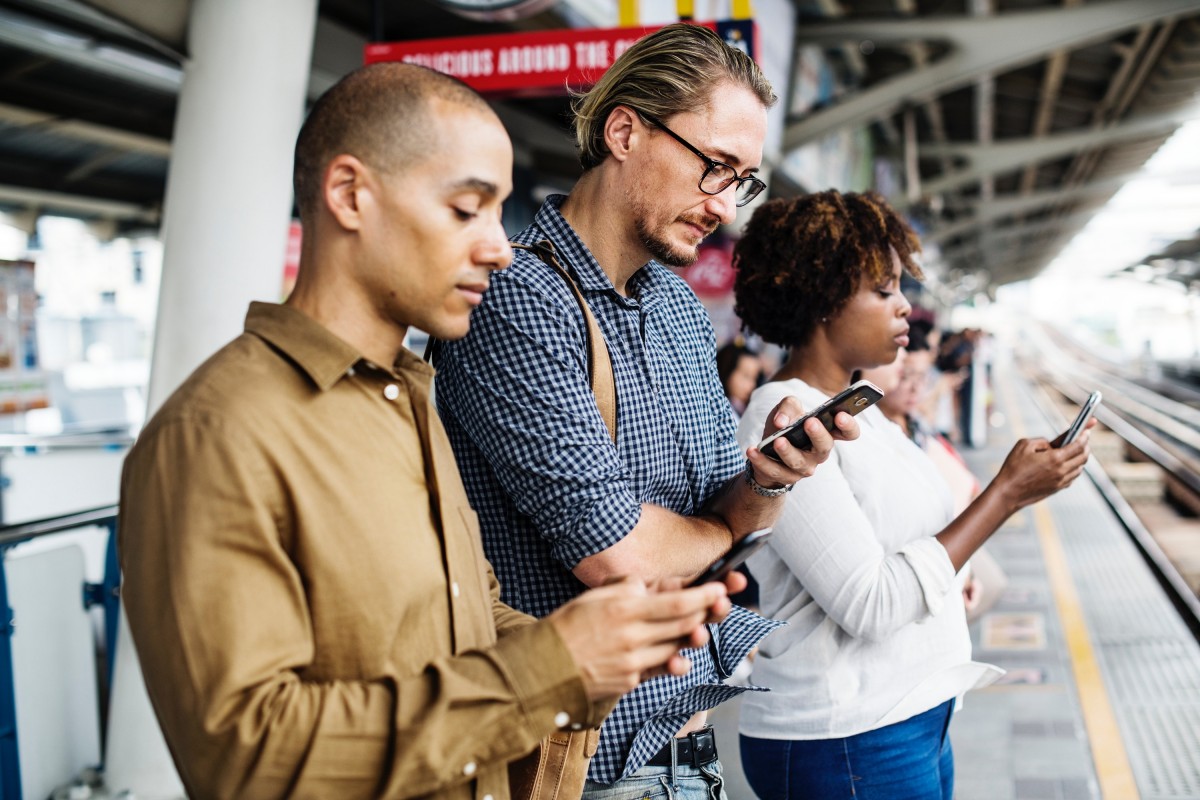
[A person using a smartphone at a railway station.] Photograph: a phone user
Image Credits: Wikimedia Commons
What the twin tests showed
Early twin tests gave mixed results, which is itself the honest answer. Mashable tested two sets of identical twins on the iPhone X, and in both tests the non-registered twin unlocked the phone, according to AIAAIC's incident record.
Business Insider reached the opposite result in its own test. One twin registered his face, then his identical twin brother tried the phone and repeatedly failed to open it, which suggested the system could pick apart the details between those two brothers.
That split result fits how biometric matching works. Whether a twin unlocks a phone depends on how similar that particular pair is, how the phone was set up, and whether the system has learned from earlier unlock attempts.
Apple's own warning, given at the iPhone X launch, accepted that limit. Phil Schiller, then Apple's senior vice president of worldwide marketing, said on stage, "Of course, the statistics are lowered if that person shares a close genetic relationship with you. So, for example, if you happen to have an evil twin, you really need to protect your sensitive data with a passcode.
"
The one in a million figure, explained
Apple states that the chance of a random person unlocking an iPhone X with Face ID is about 1 in 1 million. That figure is often quoted as proof that the system is secure, but it describes a random stranger, not a twin.
For comparison, Apple put the Touch ID fingerprint figure at 1 in 50,000. Face ID is far stronger against a random person, because faces carry more measurable detail than a single fingerprint scan in that comparison.
Twins and close siblings sit outside that random-person figure. Apple states in its Face ID security guidance that the probability of a false match is different for twins and siblings who look like the owner, and for children under 13, whose facial features may not be fully developed.
After 5 unsuccessful match attempts, Face ID requires a passcode. That limit slows guessing, but it does not stop a twin whose face already falls inside the match tolerance on the first try.
Why fingerprints differ for twins
Fingerprints offer a useful contrast. Identical twins share DNA, but they do not share fingerprints, because fingerprint patterns form in the womb under local conditions that differ even for twins.
That is why early advice for twins with Face ID trouble pointed toward Touch ID or a passcode. A fingerprint check measures a trait that twins do not share, while a face check measures a trait they largely do share.
Modern Android face unlock systems vary more widely. Some use only a front camera image, which is easier to fool, while others use infrared depth sensing closer to Face ID, and their twin performance varies with that hardware.
Veins and other ideas for harder cases
Apple explored a further signal in a patent application published in 2019, titled "Vein matching for difficult biometric authentication cases." The filing proposed taking subepidermal images that include blood vessels below the skin.
Identical twins can share very similar facial features, but their vein patterns below the skin differ sharply, according to AppleInsider's report on the patent. That difference could, in principle, separate twins who pass a surface depth check.
A patent is not a shipped product, and Apple has not confirmed that vein matching runs in current Face ID. The idea still shows where the field must go: a harder twin test needs a signal that twins do not share, not a finer measurement of a signal they do share.
Other signals under study include skin texture, heat patterns, and liveness checks that confirm a real, living face. Each adds cost or complexity, and none has yet replaced the depth map as the main check.
What twins should actually do
If a twin can unlock your phone, treat face unlock as convenience, not as a lock. Switch the phone to passcode-only unlocking for sensitive use, and keep the passcode private even from family.
Do not rely on retraining Face ID to fix a twin match. Retraining on the owner's face can help with beards and glasses, but it cannot create a difference between two faces that already measure almost the same.
Also check the phone's alternate appearance or second face settings before assuming a twin match is a bug. Some phones allow a second face to be added on purpose, and a twin added during setup will unlock the phone by design.
For shared devices, the cleanest option is a separate user profile or a separate device. That avoids a security question that no depth map can fully answer for the most similar faces.
Frequently asked questions
Can an identical twin unlock my phone with Face ID?
Sometimes, yes. Mashable's tests found non-registered twins unlocking an iPhone X, while Business Insider's test found a twin repeatedly failing, so the result depends on the pair.
Does face unlock use a photo of my face?
No, it builds a 3D depth map from projected dots and stores a mathematical representation on the device. A flat photo lacks depth, so it cannot match that model.
Is a passcode safer than face unlock for twins?
Yes, for twins who can already unlock each other's phones. A passcode does not depend on face similarity, so it removes the twin-match problem entirely.
Do twins share fingerprints too?
No, fingerprints form under local womb conditions that differ even for identical twins. That is why fingerprint unlock can separate twins who share almost the same face.
The bottom line
Face unlock tells most people apart with ease, because it measures 3D face shape at a fine level and stores that model on the device. It struggles with identical twins because twins share most of what it measures, and its tolerance for everyday appearance changes leaves room for a close twin match.
The mixed twin tests are not a contradiction. They show a system that works well for random strangers, works sometimes for twins, and cannot promise a clean separation for every twin pair.
Tags: face unlock, biometrics, phones
Rive News is a research desk that explains consumer technology from vendor documentation and independent test reporting, without claiming first-hand device testing.
Related
- How Does Face Unlock Work and Can a Photo Fool It
- Passkey vs Password Manager: Which Is Actually Safer?
- What Happens to Your Passkeys If You Lose Your Phone
- How Does a Password Manager Keep Your Logins Safe
Subscribe to Rive News for one plain-English explainer each day.
Rive News publishes research-based explainers; facts are attributed to named sources, and corrections are welcomed.
Related stories
Apple plans two October launches: smart home hub, OLED MacBook Pro
Apple set October 13 for a smart home launch with a new hub, Apple TV 4K and HomePod mini, then October 27 for OLED MacBook Pro models
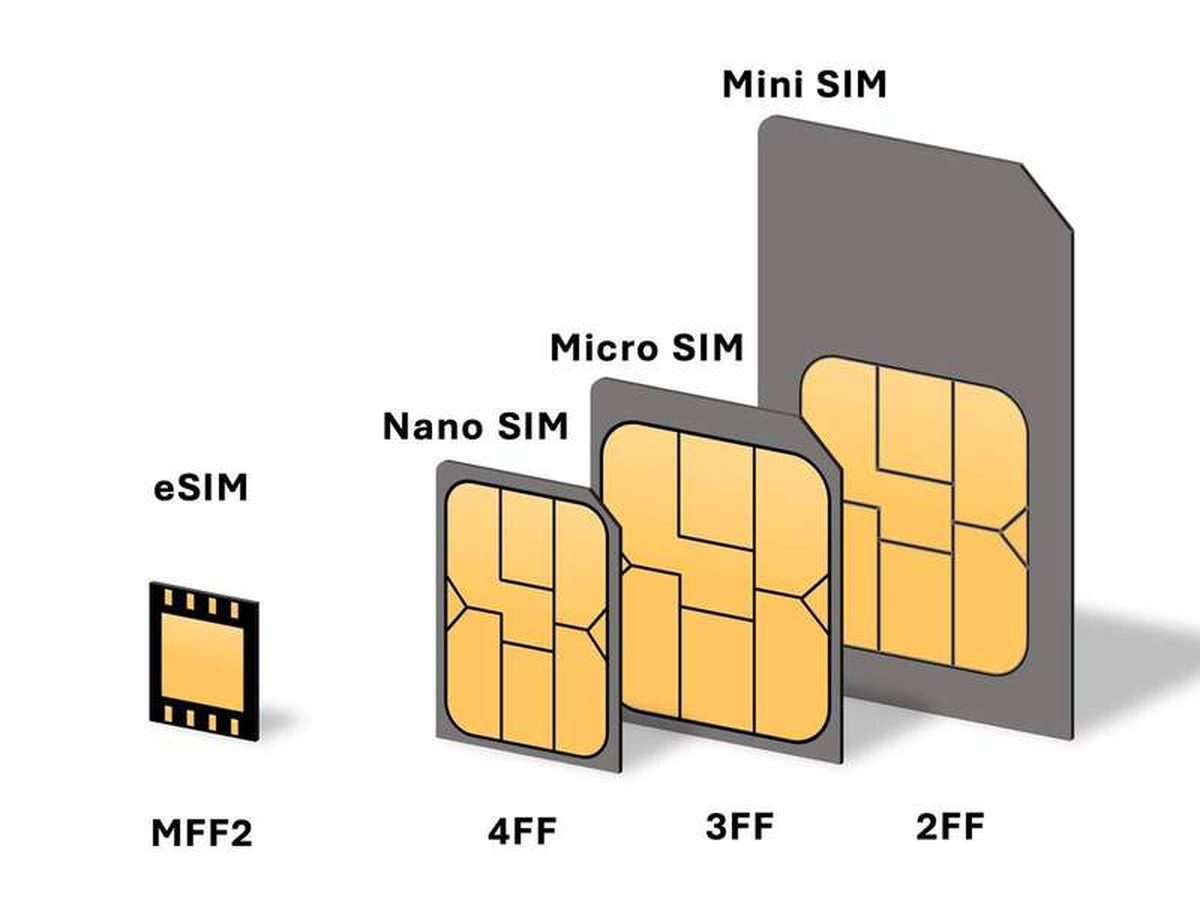
How to Check If Your Phone Supports eSIM in 30 Seconds
Dial *#06# and look for an EID number to confirm eSIM support in under 30 seconds. This guide also walks through the iPhone and Android
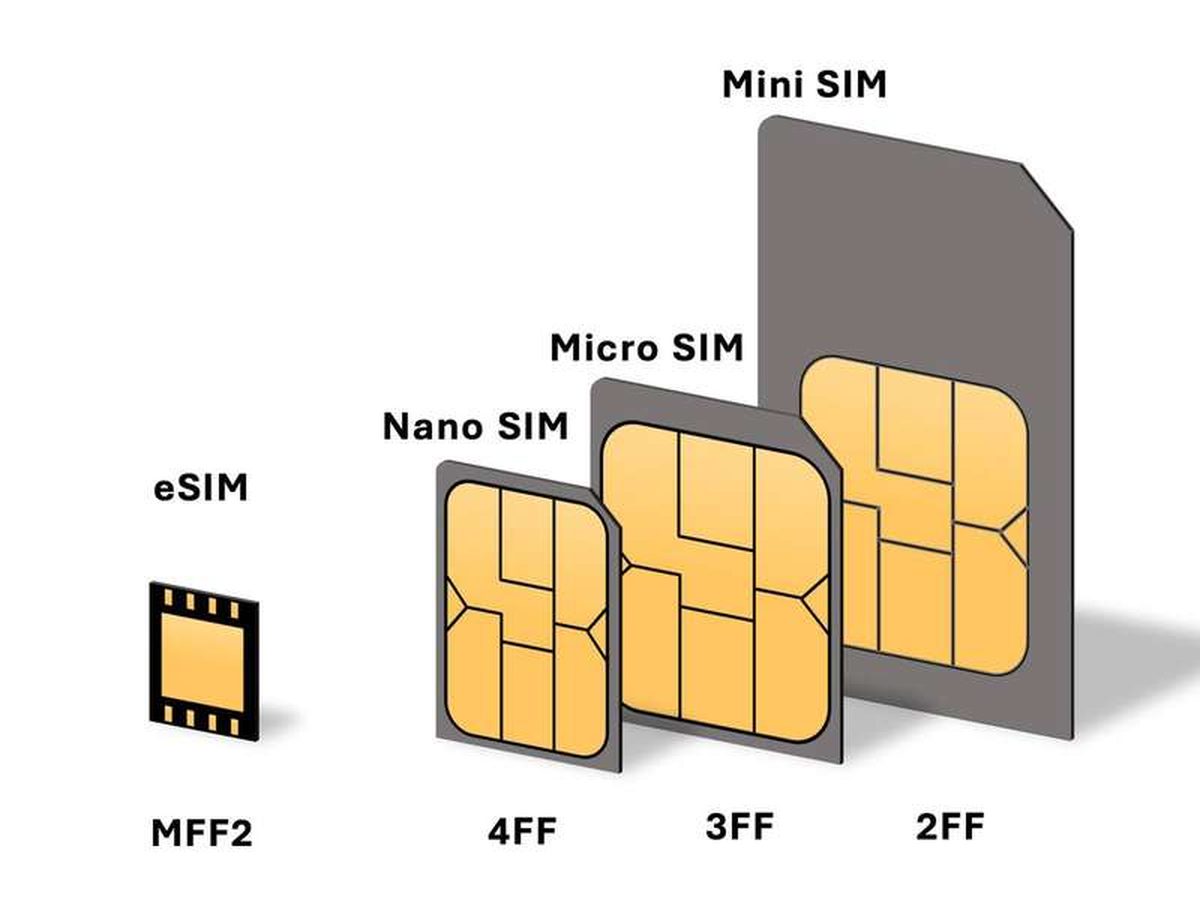
eSIM vs iSIM: what is the difference?
An eSIM is a dedicated chip on the phone's board, while an iSIM lives inside the processor itself. Qualcomm's Snapdragon 8 Gen