
How does NFC payment work without internet sometimes?
Key takeaways
- Your phone never sends your real card number during a tap; it sends a one-time token plus a single-use cryptogram.
- NFC runs at 13.56 MHz and only works within about 4 cm, which is why the tap itself needs no internet.
- The terminal still needs connectivity to finalize most payments, but some terminals store transactions offline and submit them later.
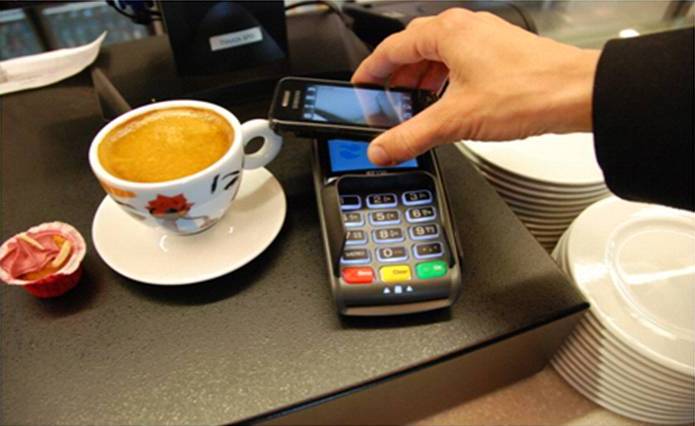
You tap your phone on a reader and the payment clears in under two seconds. Sometimes that works even when your phone has no signal. It feels like magic, but it is really cryptography.
This article explains how NFC payments work, what tokenization does to keep your card number off the wire, and why the tap itself needs no internet while the settlement often does. It also covers the difference between the phone tap and the terminal's side of the deal.
What NFC actually is
NFC stands for Near Field Communication, a short-range wireless standard that lets two devices talk when held very close together. It operates at 13.56 MHz and only works within about 4 centimeters, TechToday explains. You practically have to touch the terminal.
That short range is a security feature. The signal cannot travel across a room, so there is no drive-by skimming from across the shop. Your card or phone stays asleep until the terminal's radio field wakes up its chip, which is why you never get charged walking past a reader.
The terminal generates a low-power magnetic field. When the two come close, the chip in your card or phone draws power from that field itself, without needing a battery, Analytics Insight reports. The full payment exchange then happens in milliseconds.
Tokenization: your card number never travels
The single most important fact about tap-to-pay: your real card number is never transmitted. The 16-digit primary account number on your card never leaves your device during a tap.
When you add a card to Apple Pay, Google Pay or Samsung Pay, your bank's token service issues a unique payment token, a random substitute number tied to your device and card, TechToday explains. The real card number is locked away in the bank's secure vault. The token is all your device ever knows.
Each tap adds a second layer: a one-time EMV cryptogram generated fresh for that transaction. The token plus the cryptogram make intercepted data useless, Aevi explains, because the code cannot be reused for a second payment. Nothing you could retype or have stolen from a form is ever transmitted.
That is what makes tap-to-pay stronger than the old magnetic stripe. The stripe carries the same static card data every time, so a skimmer can copy and reuse it. A tap carries a code that dies after one use.
Why the tap works without internet on your phone
The exchange between your phone and the reader is entirely local. The phone's secure element or hardware enclave holds the pre-provisioned token and generates the one-time cryptogram on the spot, Aevi notes. No round trip to your bank is needed for the tap itself.
This is why your phone can pay in airplane mode with Wi-Fi and Bluetooth manually switched off, or in a dead zone with zero bars. The credential was loaded onto the device when you enrolled the card, and each tap just spends one fresh cryptogram from the local supply. The 13.56 MHz radio link between phone and reader does the rest.
Physical contactless cards work the same way: their secure chip generates transaction-specific authentication data during each tap without any connection at all.
The terminal's side: why the shop still needs a connection
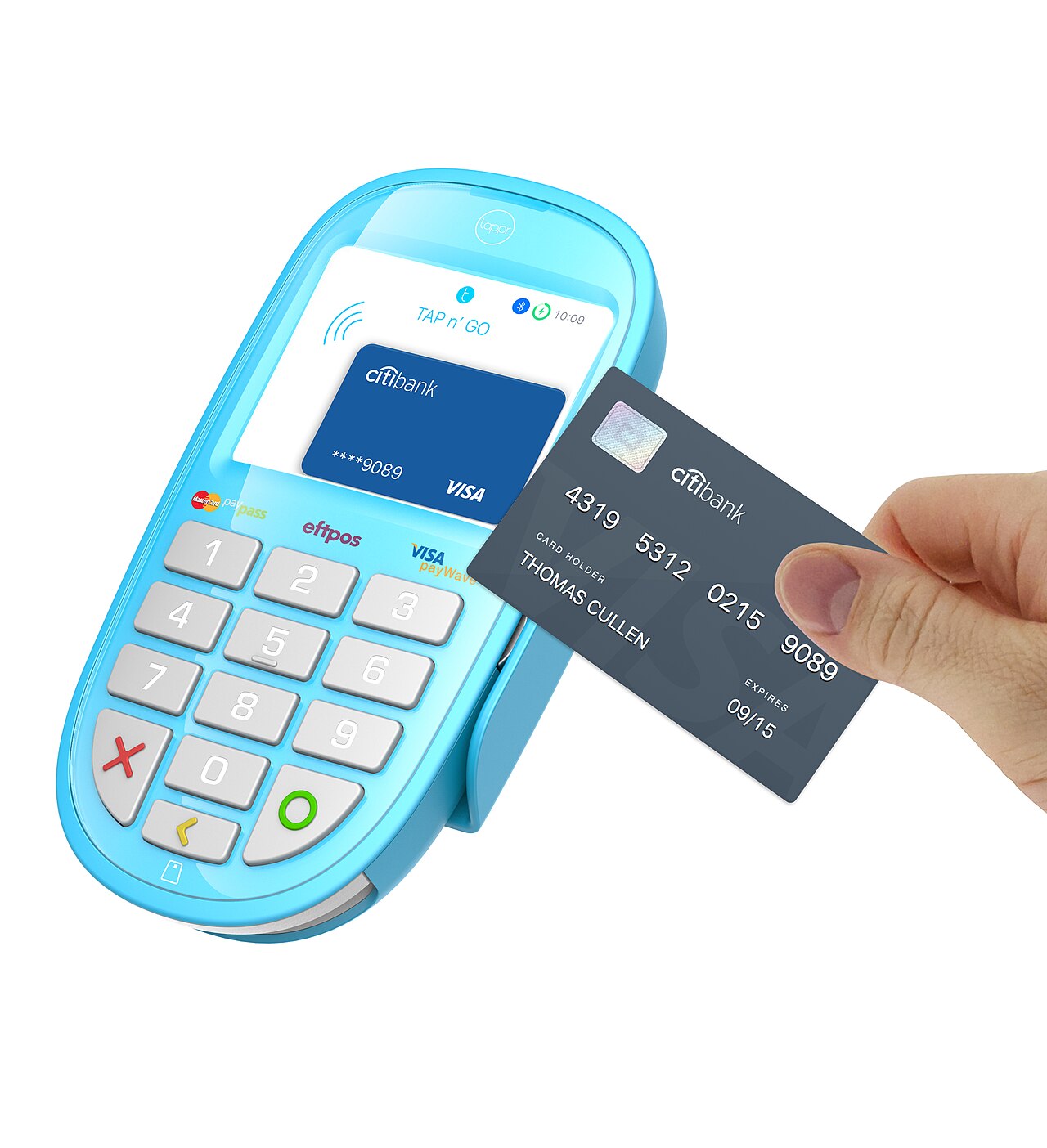
Here is the catch in the word "sometimes." While your phone needs no internet for the tap, the terminal usually needs connectivity to authorize the payment in real time. Contactless payments typically require an internet connection so the terminal can reach the payment network for authorization, WeArePlanet explains.
But terminals have a workaround. Some offer a Store & Forward mode that processes transactions offline and submits them when connectivity returns, which is handy in remote or outdoor environments.
In that mode the shop takes on the risk: it accepts the tap on trust and settles with the bank later. That is why offline taps usually have low value limits.
Bank networks complete the decision behind the tap, combining authorization, account checks and fraud screening before approving or declining, Analytics Insight reports. When the terminal is offline, those checks simply happen later.
What a lost phone exposes (and what it does not)
This architecture changes the stakes of losing your phone. A lost physical card still carries some exposure tied to its chip data, Analytics Insight notes. A lost phone, by contrast, typically exposes only a token linked to that one device, not the underlying account number itself.
Most NFC wallets also require biometric or passcode authentication before a payment goes through. The secure hardware in the device keeps the credentials locked away from the operating system, protecting them against malware, Aevi explains. Remote-wipe and suspend features let you kill the token without touching the real card.
Does tap-to-pay work in airplane mode?
Usually yes. The tap uses the phone's NFC radio talking to the reader, not your cellular or Wi-Fi connection. Keep in mind that some phones bundle NFC with the connectivity toggles, so you may need to leave NFC enabled while the rest of airplane mode stays on.
Is tap-to-pay safer than inserting the chip?
Roughly equal on security, much faster. Both generate transaction-specific authentication data that cannot be reused. The tap essentially matches chip-insert security while finishing in about one to two seconds, which is why it became the default at checkouts worldwide.
Why do small purchases go through without a PIN?
Contactless rules set a local limit below which no PIN or signature is required, because the per-transaction risk is small and the speed matters. Above that limit the terminal asks for verification as usual.
Can someone skim my card by bumping into me?
Extremely unlikely. NFC only reaches about 4 centimeters, and the tap carries a one-time token and cryptogram rather than your card number. Even captured data cannot be replayed for a second payment.
The bottom line
NFC payments work without internet on your side because everything the tap needs, a stored token and a freshly generated cryptogram, already lives on your phone. The terminal may still need its own connection to settle the payment, unless it is configured for offline acceptance. Either way, your real card number never travels, which is what makes the two-second tap safe.
Latest in Tech
- What incognito mode actually hides, and what it does not
- What really happens to your deleted phone photos
- Find your phone even with no internet connection
- How passkeys work, in plain English
Want more practical phone explainers? Subscribe to the Rive News newsletter for one useful teardown every week.
Image Credits: Wikimedia Commons / contributors
Related stories

Apple plans two October launches: smart home hub, OLED MacBook Pro
Apple set October 13 for a smart home launch with a new hub, Apple TV 4K and HomePod mini, then October 27 for OLED MacBook Pro models

How to Check If Your Phone Supports eSIM in 30 Seconds
Dial *#06# and look for an EID number to confirm eSIM support in under 30 seconds. This guide also walks through the iPhone and Android

eSIM vs iSIM: what is the difference?
An eSIM is a dedicated chip on the phone's board, while an iSIM lives inside the processor itself. Qualcomm's Snapdragon 8 Gen