
How Night Mode on Phone Cameras Actually Works
Key takeaways
- Night mode takes a burst of many short, dark frames instead of one long exposure, then merges them into a single bright photo.
- The phone aligns each frame to sub-pixel precision before combining them, which is why you are asked to hold still.
- Before the shutter fires, the camera meters your hand shake and scene motion to decide how many frames to capture and how long each lasts.
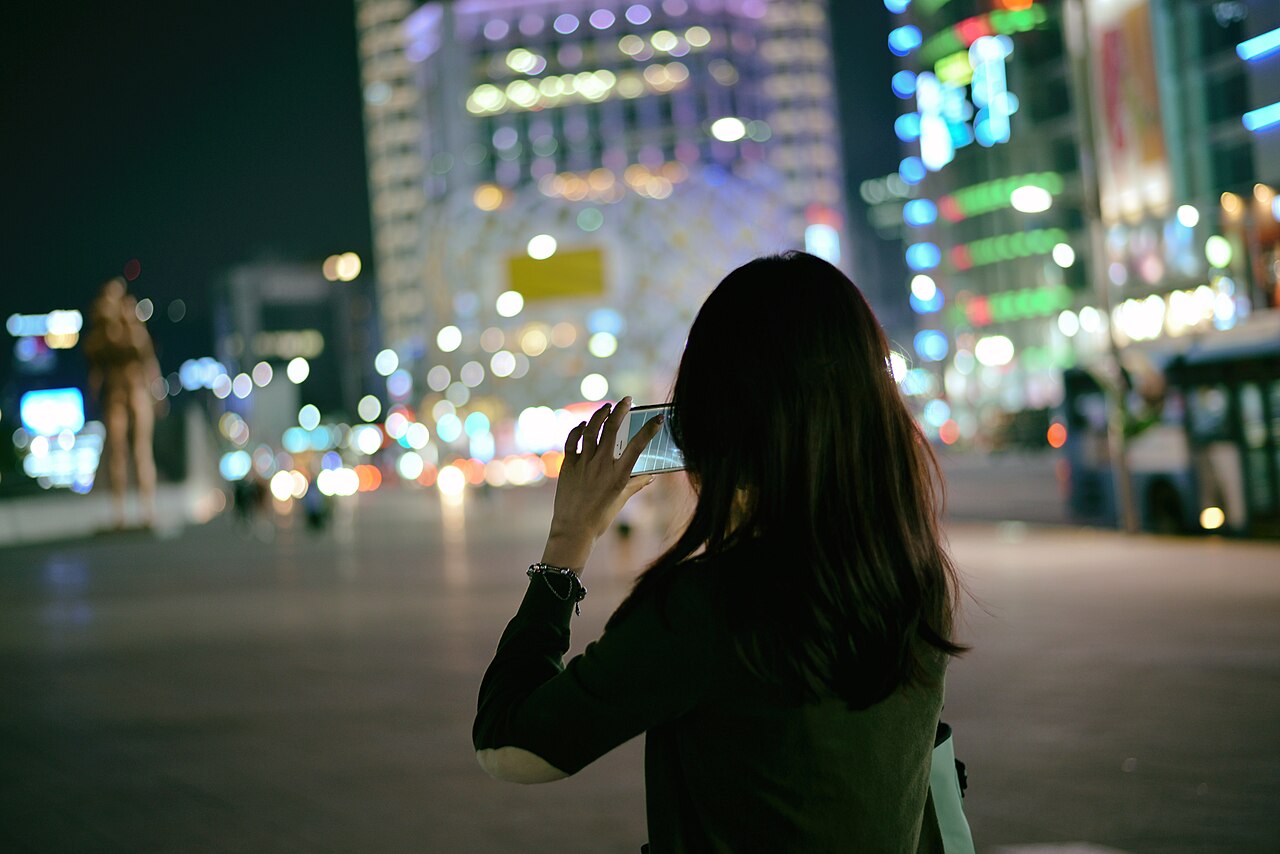
Image Credits: Wikimedia Commons / contributor
Night mode on a phone camera is not a brighter sensor setting. It is a computational photography trick: the phone captures a rapid burst of deliberately underexposed frames and rebuilds them into one bright, low-noise photograph through software.
The idea went mainstream in November 2018, when Google shipped Night Sight on the Pixel 3. According to the product manager Alexander Schiffhauer, writing on Google's official blog on November 14, 2018, Night Sight lets a phone capture "vibrant and detailed low-light photos without a flash or tripod."
This article explains what the phone actually does when you tap the moon icon, including the burst capture, the alignment math, and the motion metering that decides how the shot gets built.
Why one long exposure cannot do the job
A classic night photo on a real camera uses one long exposure, often several seconds, with the camera locked on a tripod. A phone cannot reliably do that handheld. Even a steady-looking hand shifts during a multi-second exposure, and any subject movement smears across the frame.
Low light adds a second problem: noise. With few photons reaching each photosite on the sensor, photon shot noise becomes conspicuous, and the sensor's own electronics add read noise. As the engineers behind Google's Night Sight described it, both effects were major limits on low-light phone photography.
Burst photography attacks both problems at once. Details that stay consistent across frames reinforce each other, while random noise, which differs from frame to frame, becomes less prominent in the merge. It is the same principle behind image stacking in astrophotography, adapted for a handheld phone.
What the phone actually captures: the burst
When you press the shutter in night mode, the phone does not take one picture. It fires a burst of frames, and the exact count depends on how dark the scene is and how steady your hands are.
On the Pixel 3, Night Sight could capture up to 15 exposures in a handheld shot, with individual frames stretching as long as 333 milliseconds when the scene and phone were still enough. In sufficiently dark conditions, the phone keeps collecting frames for several seconds after you tap the shutter, which is why the mode asks you to hold still.
The frames are intentionally dark. Google's own description of Night Sight says it captures "an equal amount of light over a burst of many photos that are dark but sharp," rather than one bright and blurry photo.
Short, dark frames freeze motion. The brightness comes later, from the merge.
Apple, Samsung, and other makers follow the same core principle. Google built Night Sight around burst processing, while Apple uses multi-frame processing in Night mode and Deep Fusion, introduced with the iPhone 11 generation. Each vendor tunes its own pipeline, but the stack-and-merge architecture is shared.
How the phone decides the burst: motion metering
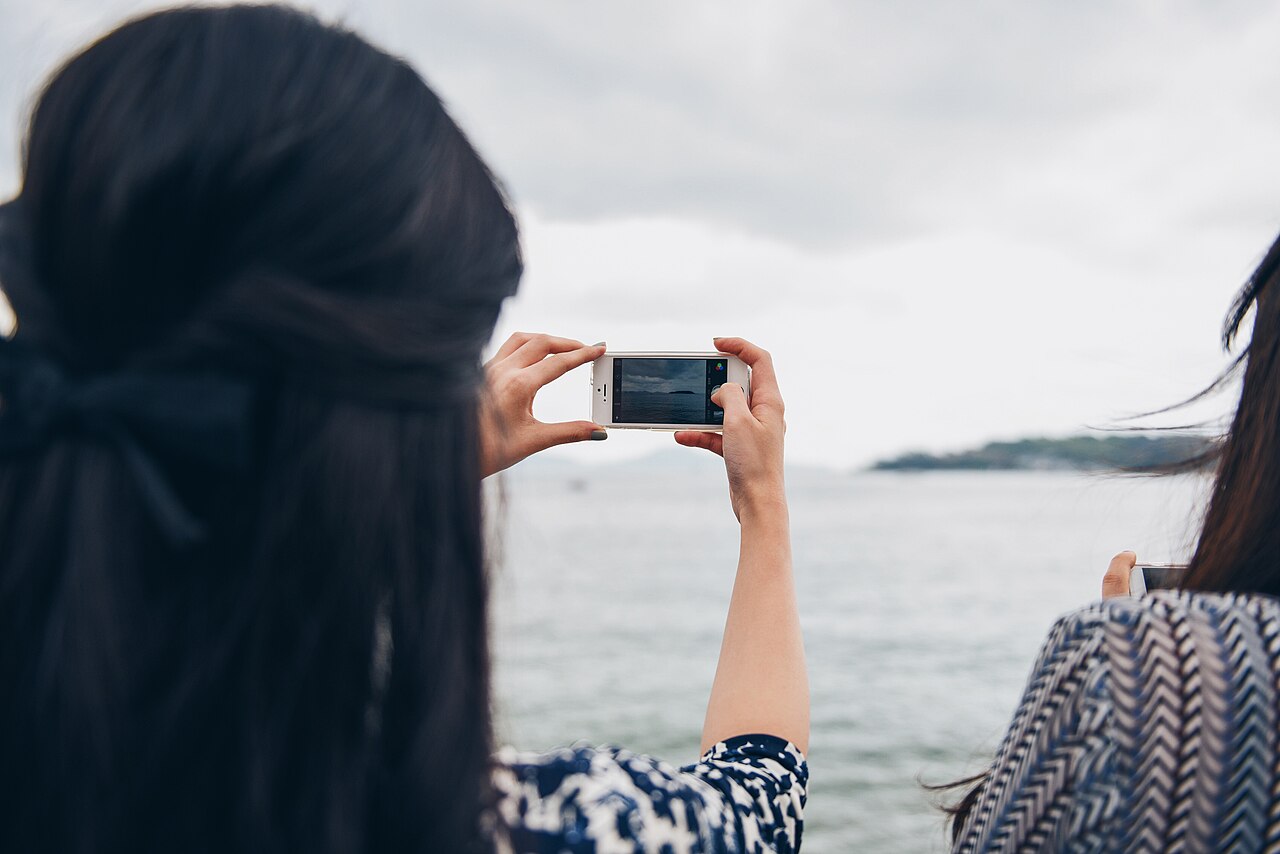
Before you press the shutter, night mode is already measuring. Google calls this motion metering: the phone estimates your natural hand shake, how much motion is in the scene, and how much light is available.
If the phone is stable and the scene is still, Night Sight spends more time capturing light, using longer individual exposures to minimize noise. If the phone is moving or there is significant scene motion, it switches to shorter exposures, capturing less light per frame to minimize motion blur.
This adaptive behavior is why the capture time varies. A still tripod-like shot in a dark room may take longer than a handheld snap on a lit street. The phone is balancing two enemies, noise and blur, frame by frame.
How the frames become one photo
Multiple frames help only if matching details land in the same place before they merge. Even a steady hand shifts slightly between exposures, so averaging unregistered frames would soften edges and double fine details.
Google's HDR+ pipeline solved this with a multiscale alignment step, described in a 2016 paper by Samuel Hasinoff and colleagues titled "Burst photography for high dynamic range and low-light imaging on mobile cameras." The system divides frames into tiles, estimates how each tile moved relative to a reference frame, and refines those estimates to sub-pixel precision before merging.
The merge also has to survive things that do not match across frames. A moving face, a passing car, or a swaying branch cannot sit in the same coordinates in every exposure. Robust burst processing gives less weight to badly aligned data instead of blindly averaging it, which is why ghosting is reduced rather than eliminated.
On the Pixel 3, Night Sight went further by applying merge technology developed for Super Res Zoom even when the camera was not zoomed, squeezing extra detail out of the burst. Modern night modes then run a final round of machine learning, including color balancing: Google says a neural network adjusts the photo so objects show their natural color under unnatural night lighting.
Why your phone asks you to hold still
The single biggest cause of a mushy night mode photo is movement during the burst, yours or the subject's. The alignment math can correct sub-pixel shifts, but it cannot fix a walking person or a waving hand. Bracing your elbows or leaning on something solid makes a real difference.
Moving subjects remain the mode's weak point. Night Sight and its rivals are designed for still scenes, not action. Concerts, kids, and pets in motion will blur, and no amount of stacking can reconstruct a sharp face from frames where it was never sharp.
This is also why the picture is not finished when the shutter button is tapped. In dark conditions the phone keeps gathering frames for a few seconds. If you lower the phone the moment you hear the shutter sound, you have interrupted the burst.
What about astrophotography mode
On a tripod under dark skies, Pixel's Night Sight offers an astrophotography capture that runs for minutes, keeping stars sharp while the Earth turns. It is the same burst-and-merge architecture pushed to its limit, with the phone's stability detected so it can use the longest possible exposures.
Samsung, Apple, and other Android makers have added similar long-exposure night features. They all rely on the same insight: when the sensor is small and the light is scarce, the winning move is to take many bad photos and compute one good one.
Night mode questions, answered
Does night mode work in total darkness?
No. Google is explicit that Night Sight will not work in complete darkness. You do not need much light, but you need some: the sensor still has to collect photons, and software cannot invent a scene.
Why do night mode photos sometimes look fake?
Night modes can make a scene brighter than it appeared to your eyes. Google says Night Sight is designed to capture true-to-life photos, but the color-balancing neural network and noise reduction can still produce that painted, over-processed look, especially on older implementations.
Is night mode just a longer exposure?
No. A single long exposure collects motion blur along with light. Night mode collects an equivalent amount of light across many short, sharp frames and merges them, trading exposure time for computation.
That is the entire trick.
Can night mode freeze a moving subject?
Not reliably. The burst is built for still scenes. Shorter frames reduce motion blur, but a subject moving through the scene will still ghost or smear in the merge.
The bottom line
Night mode is a software engine, not a hardware boost. Your phone measures shake and scene motion, fires a burst of up to 15 short dark frames, aligns them to sub-pixel precision, and merges them into one bright photo with the noise averaged away. Knowing that pipeline explains every quirk: hold still, shoot still scenes, and wait out the countdown.
Latest in Tech
- Why your photos look worse when you pinch-zoom
- Does dark mode really save battery? Only on OLED screens
- Why phone speakers sound worse at max volume
- What is eSIM and how does it work?
Subscribe for one plain-English tech explainer every morning.
Related stories
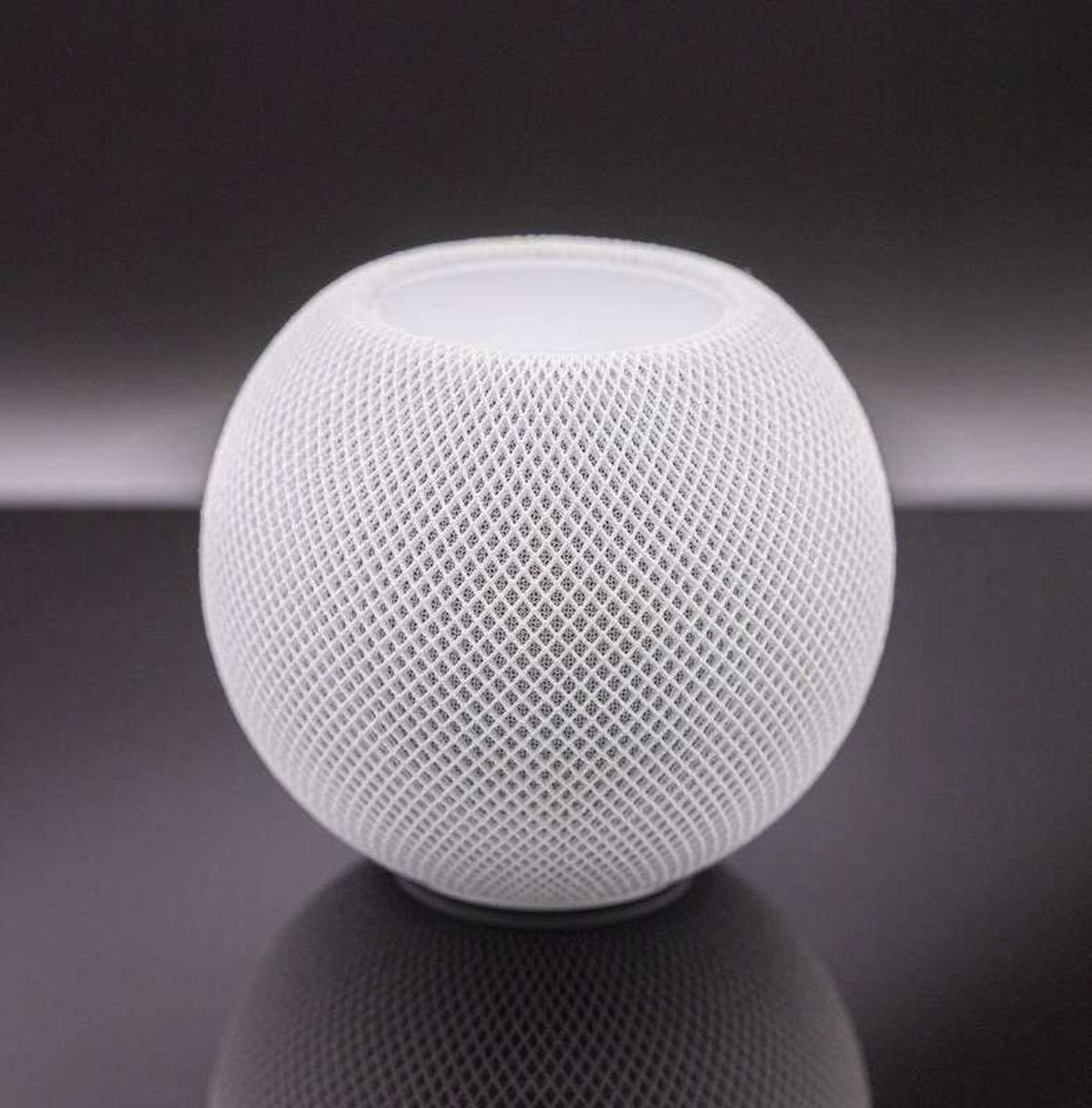
Apple plans two October launches: smart home hub, OLED MacBook Pro
Apple set October 13 for a smart home launch with a new hub, Apple TV 4K and HomePod mini, then October 27 for OLED MacBook Pro models
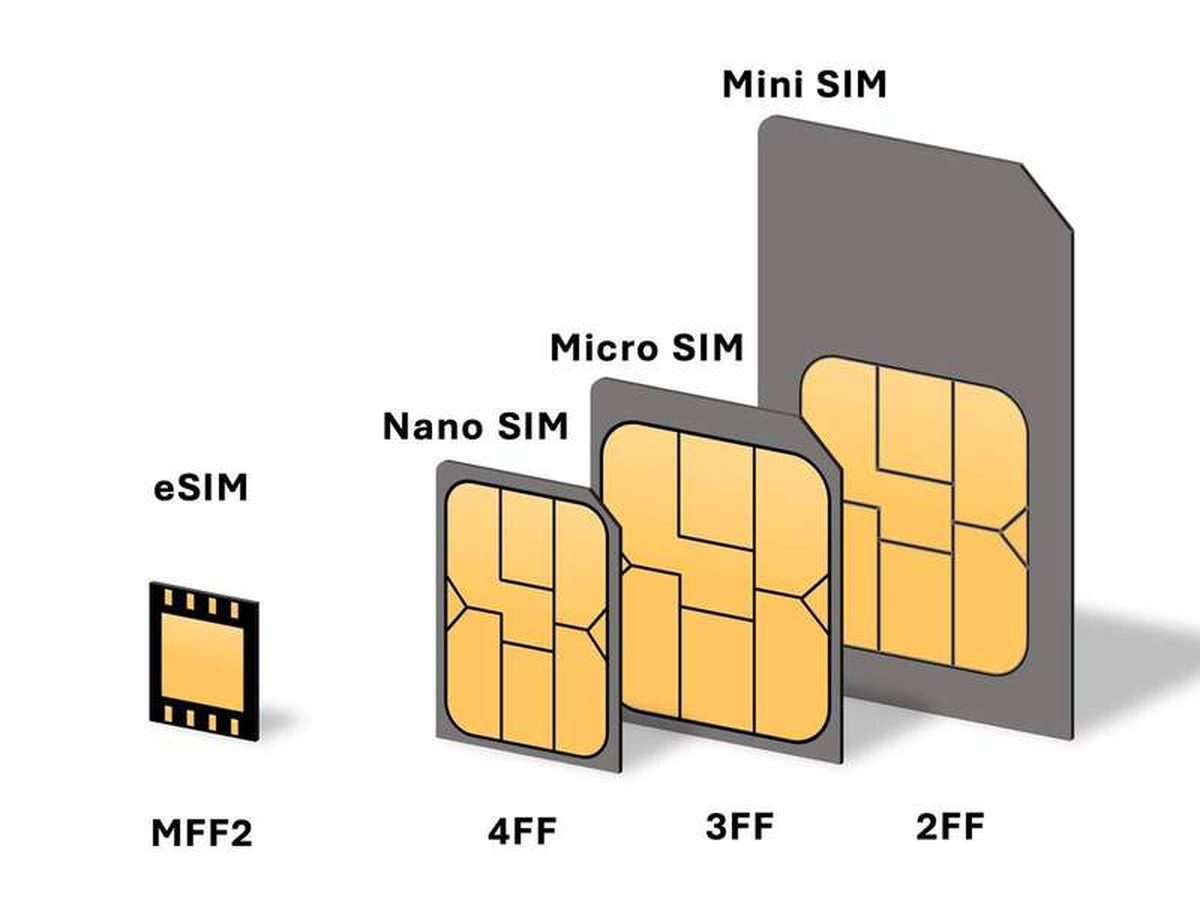
How to Check If Your Phone Supports eSIM in 30 Seconds
Dial *#06# and look for an EID number to confirm eSIM support in under 30 seconds. This guide also walks through the iPhone and Android
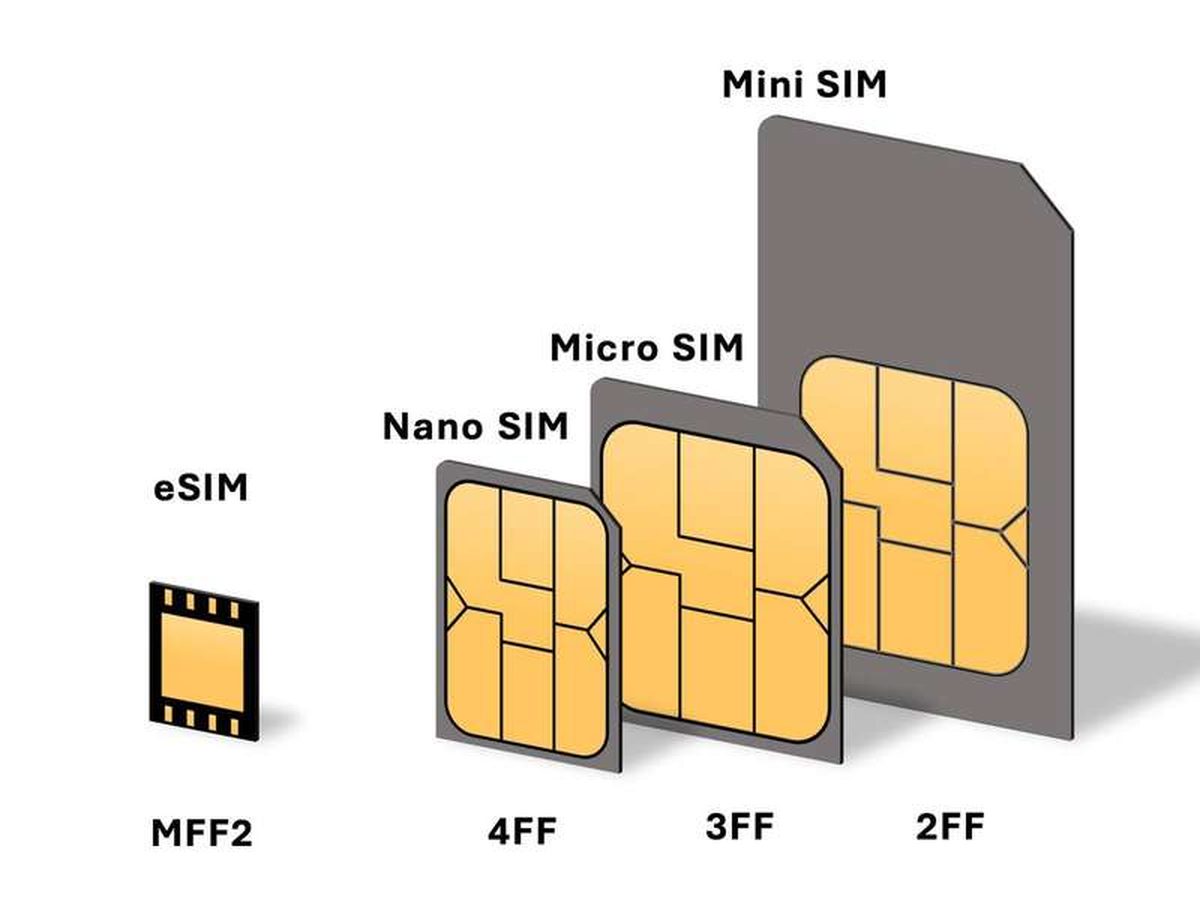
eSIM vs iSIM: what is the difference?
An eSIM is a dedicated chip on the phone's board, while an iSIM lives inside the processor itself. Qualcomm's Snapdragon 8 Gen