
Why Do Phone Cameras Stick Out So Far? Physics, Sensors, Zooms
Key takeaways
- Modern phone bodies are only 7 to 9 mm thick, while flagship camera stacks need 10 to 12 mm or more.
- Larger image sensors capture more light and better night photos, but physics demands they stick out.
- Periscope lenses bend light sideways to fit long zoom optics inside a thin phone, adding bump volume.
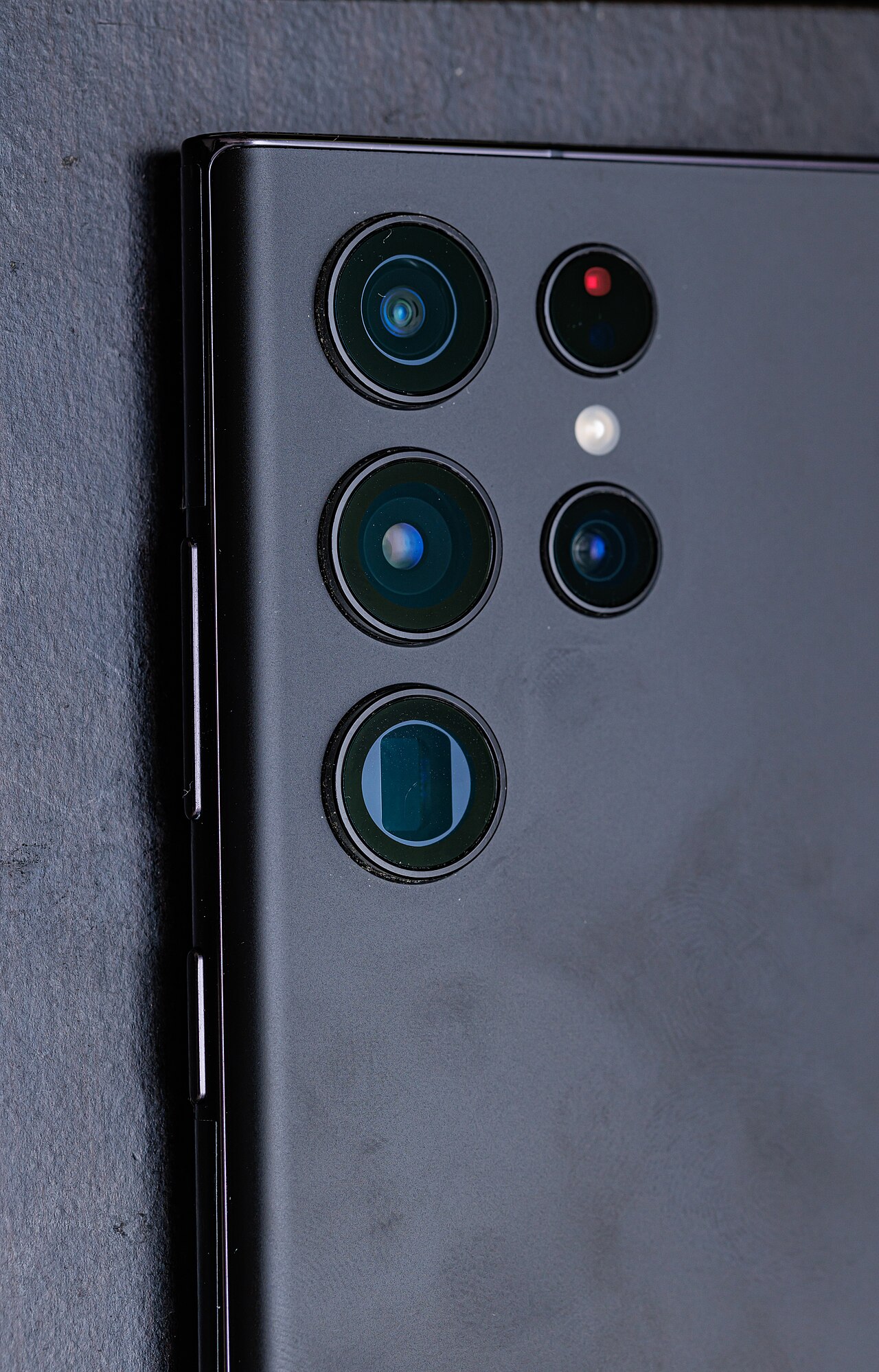
Image Credits: Wikimedia Commons / Dinkun Chen, Raimond Spekking (CC BY-SA 4.0)
Phones keep getting thinner while their camera bumps keep getting thicker, and the contradiction bugs a lot of buyers. A flagship from five years ago had a slim camera island; today's equivalent has a plateau that rocks on a table.
This is not a design failure or a fashion statement. It is a collision between two trends that cannot both win: ever-slimmer phone bodies and ever-larger camera hardware.
This article explains the three forces behind the bump: bigger image sensors that need physical depth, the distance a lens needs from the sensor to zoom, and the periscope optics that fold long zoom paths sideways. It also covers why software cannot shrink the bump and what buyers should actually expect.
Bigger sensors need more room, full stop
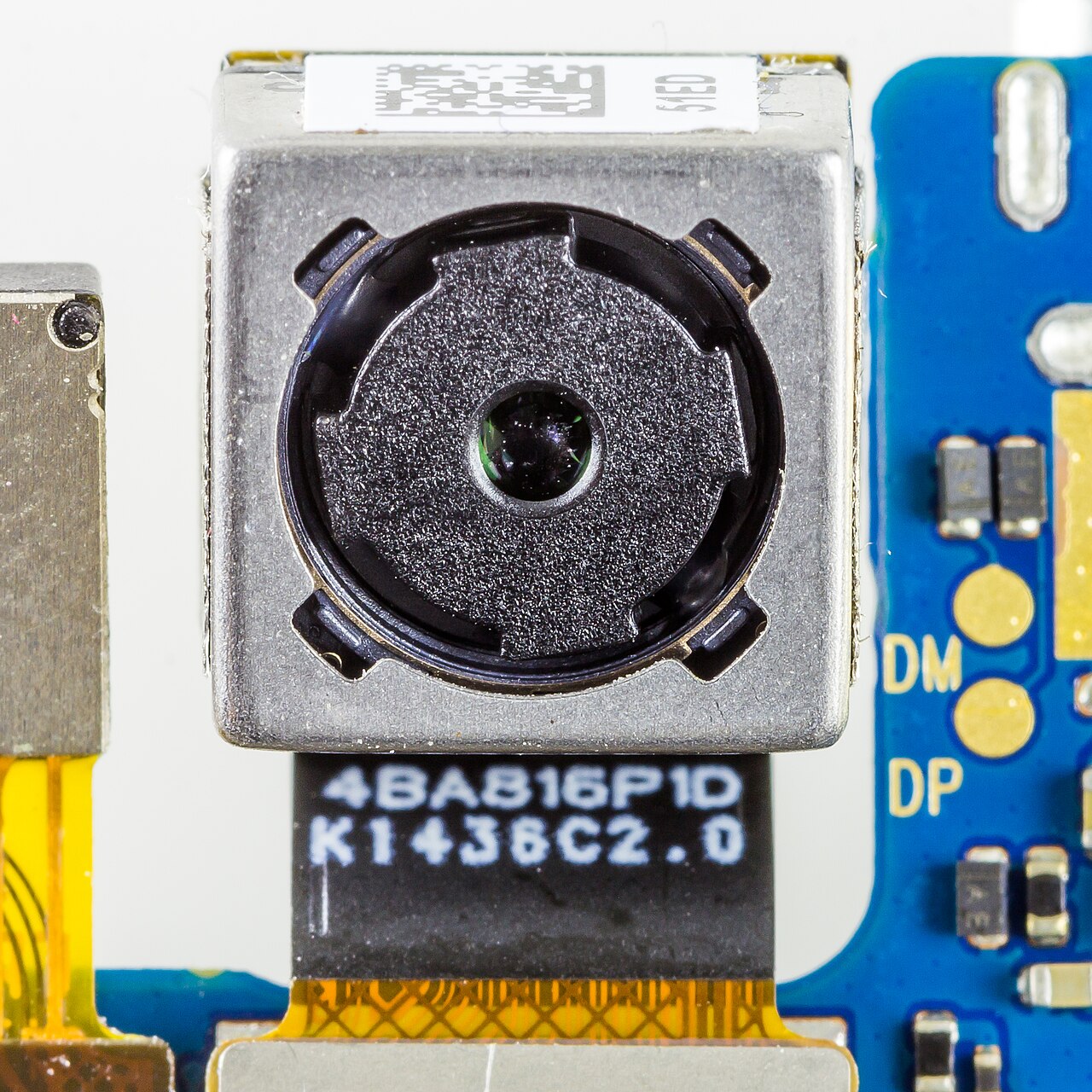
The single biggest reason for the bump is the image sensor, the chip that records the light passing through the lens. In photography, sensor size is close to destiny: more physical area means more light captured, which means better image quality, especially in low light. That is why camera makers have pushed phone sensors steadily upward, with some Huawei and Xiaomi flagships now carrying sensors of the 1-inch type.
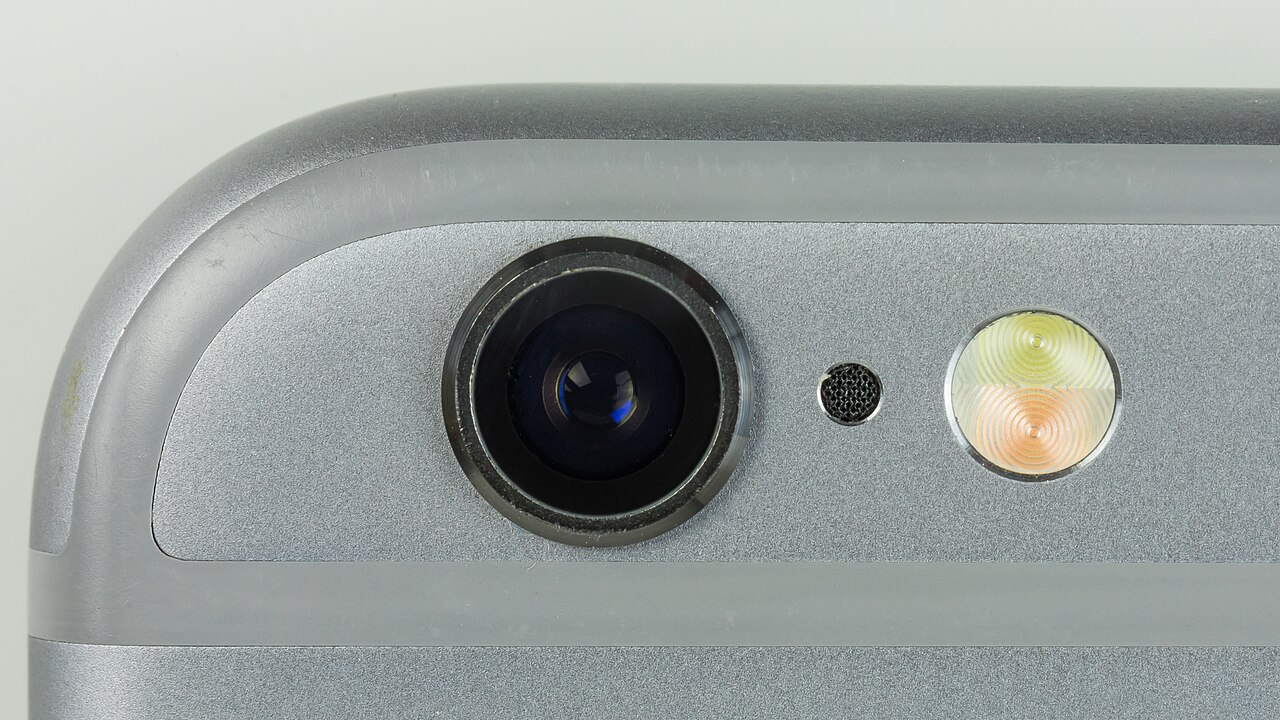
The math of the bump is brutally simple. A modern phone body is typically 7 to 9 millimeters thick, but the sensor plus its lens assembly can need more than 10 or even 12 millimeters of depth, according to MundoBytes.
There is nowhere to hide that extra stack inside a 8-millimeter chassis. The only option is for it to protrude.
Shrinking the sensor instead is not a real option, because miniaturization has a ceiling. Cutting sensor size to fit the phone's profile would surrender exactly the low-light performance and dynamic range that sell flagship cameras.
As SlashGear put it, bigger sensors need physical space, and at the current state of the technology there is no way around that fact. Manufacturers could make the whole phone thicker, and a few niche devices have tried, but buyers consistently choose thin phones with bumps over thick phones without them.
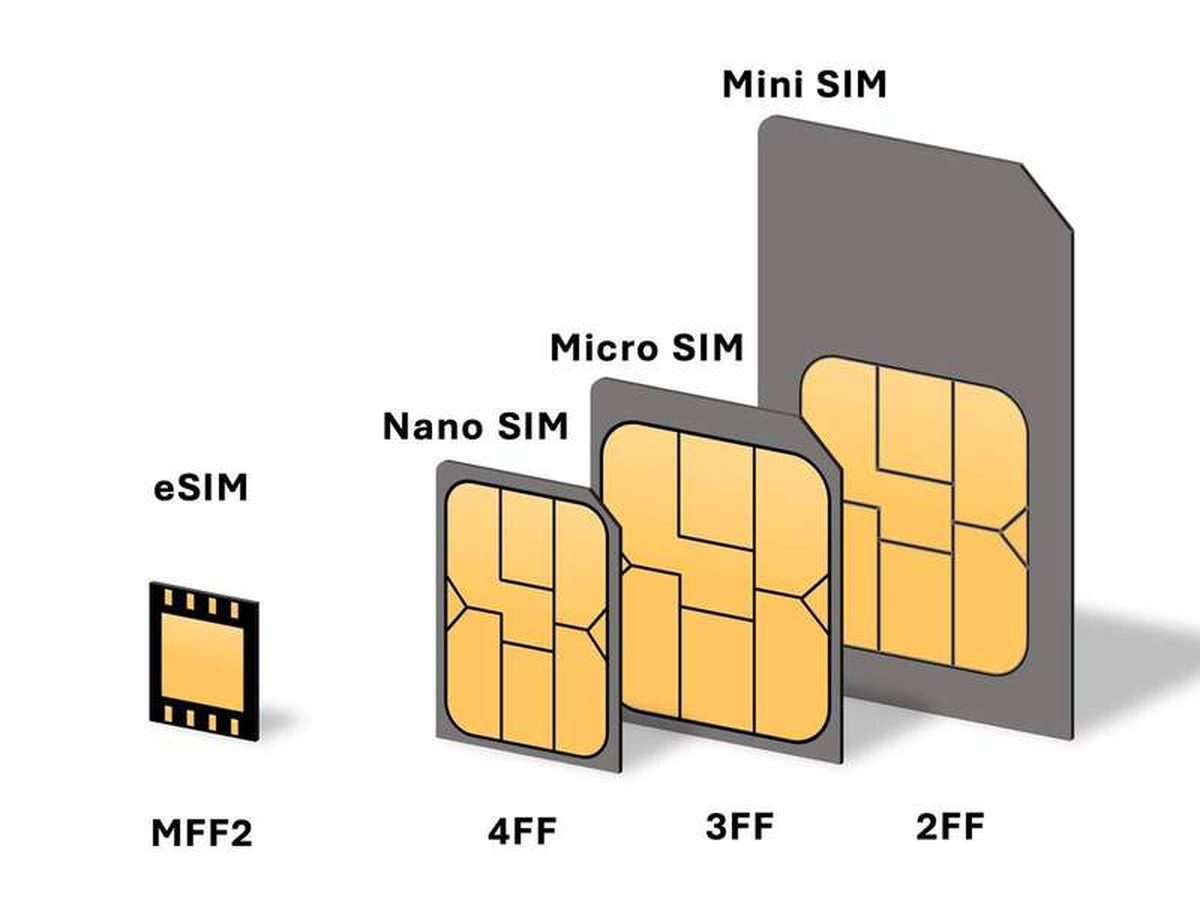
For a sense of how much physics constrains small optics, consider the other tiny tech in your pocket: using an eSIM and a physical SIM at the same time works because radios can share antennas, but optics cannot share physical space the same way.
Zoom needs distance, and distance needs depth
The second force is zoom. A longer focal length gives more magnification and a narrower field of view, but focal length is a physical distance: the lens must sit a certain distance from the sensor. Smartphone depth, usually 7 to 9 millimeters, strictly limits the focal length of a straight-line lens design.
That limit is why flagship phones use periscope lenses for their telephoto cameras. A periscope lens solves the depth problem by sending light down inside the phone rather than straight back.
A prism reflects the incoming light 90 degrees sideways, and it then travels through multiple lens elements arranged along the phone's width, as explained by Gearbrain. That sideways journey can be far longer than the phone is thick, which is how phones achieve 5x and 10x optical zoom without growing a barrel like a DSLR.
The tradeoff is volume. Periscope modules are complex and can be up to a centimeter thick on their own, far exceeding a standard smartphone profile, according to MundoBytes.
They are also usually square or rectangular in shape, which is why modern camera islands look like asymmetric plates. When a phone carries three or four cameras, each with its own purpose (wide, ultrawide, telephoto, sometimes macro), the island has to accommodate several of these stacks at once.
DXOMARK notes that camera bumps continue to grow as manufacturers chase longer focal lengths and bigger sensors, even as computational photography improves. Flagships now advertise zoom levels of 100x or more, but meaningful quality at extreme magnifications still runs into the hard wall of physics inside a device only a few millimeters thick.
Why software cannot shrink the bump
A natural question: if computational photography is so powerful, why not shrink the hardware and let software do the work? Modern phones already lean hard on software. Multi-frame synthesis captures bursts of 5 to 15 frames at varying exposures, aligns them, discards the blurry ones, and merges the data into one high-quality image, letting a tiny sensor mimic the dynamic range of a much larger one.
The catch is that software cannot manufacture light that never arrived. It can combine frames, reduce noise, and sharpen detail, but it starts from the photons the sensor actually collected.
A larger sensor collects more photons with larger pixels, and no algorithm invents that information from nothing. Software also cannot replace the optical path length a long zoom requires; digital zoom beyond the optical range still degrades, which is why makers keep building periscopes despite the bump.
The industry's answer has been to push both tracks at once: ever-bigger sensors and periscope zooms for the hardware, and ever-smarter merging and enhancement for the software. The bump is the visible price of the hardware half. As long as buyers reward better cameras more than they punish bumps, the plateaus will keep growing.
What the bump means for buyers
None of this means every buyer needs the biggest bump. The practical read is simpler. A larger bump usually signals a larger main sensor, a periscope telephoto, or both.
If night photography and long zoom matter to you, the bump is doing real work. If you mostly shoot in daylight and rarely zoom, a slimmer mid-range camera will serve you fine and sit flat on the table.
Cases add to the story. Most cases now include a raised lip around the camera island, effectively making the whole phone as thick as the bump anyway.
That levels the playing field: in a case, a big-bump phone and a small-bump phone end up nearly the same thickness. Some buyers also use the bump as a buying signal in reverse, preferring the slimmer devices precisely because they value pocketability over zoom reach.
Why do phone cameras stick out instead of making the phone thicker?
Because buyers prefer thin phones. Makers could build a uniformly thick phone, but the market has repeatedly chosen slim bodies with bumps over thick bodies without them.
Do bigger camera bumps mean better cameras?
Roughly. A bigger bump usually means a larger sensor, a periscope zoom, or more camera modules, all of which improve real photo quality in low light and at long zoom.
What is a periscope camera lens?
A lens that uses a prism to bend incoming light 90 degrees sideways, so the long optical path needed for zoom fits inside a thin phone instead of sticking straight back.
Will camera bumps ever get smaller?
Only with a breakthrough in optics or sensor materials. Until then, the demand for better zoom and night photos pushes bumps larger, not smaller.
Do camera bumps break easily?
The raised lenses are more exposed, which is why most cases add a protective lip. Sapphire or hardened glass covers help, but a hard drop can still crack the lens assembly.
The bottom line
Phone cameras stick out because physics leaves no alternative. Phone bodies are 7 to 9 millimeters thick; flagship camera stacks need 10 to 12 millimeters or more. Larger sensors gather more light, longer focal lengths need more lens-to-sensor distance, and periscope modules fold that distance sideways at the cost of volume.
Software helps enormously, but it cannot shrink the hardware that gathers the light in the first place. So the bump is not a mistake. It is the honest shape of a great camera squeezed into a thin phone, and it will keep growing as long as better zoom and cleaner night shots are what buyers pay for.
Latest in Tech
- Can you use an eSIM and a physical SIM at the same time?
- Why your eyes feel dry and gritty in the morning
- How to check engine oil on the dipstick in newer cars
Subscribe to the Rive News newsletter for one curious explainer every morning.
Related stories

Apple plans two October launches: smart home hub, OLED MacBook Pro
Apple set October 13 for a smart home launch with a new hub, Apple TV 4K and HomePod mini, then October 27 for OLED MacBook Pro models
How to Check If Your Phone Supports eSIM in 30 Seconds
Dial *#06# and look for an EID number to confirm eSIM support in under 30 seconds. This guide also walks through the iPhone and Android
eSIM vs iSIM: what is the difference?
An eSIM is a dedicated chip on the phone's board, while an iSIM lives inside the processor itself. Qualcomm's Snapdragon 8 Gen