
Why your phone screen looks different outdoors in sunlight
By Rive News / Research desk | Rive News / Published October 29, 2026 at 9:00 AM PKT
Key takeaways
- A phone screen looks washed out outdoors because reflected sunlight competes with the light the display itself emits.
- Reflection matters as much as brightness: cutting reflections can help readability more than adding nits.
- Your eyes also adapt to bright surroundings, which makes a moderately bright screen look dimmer by comparison.
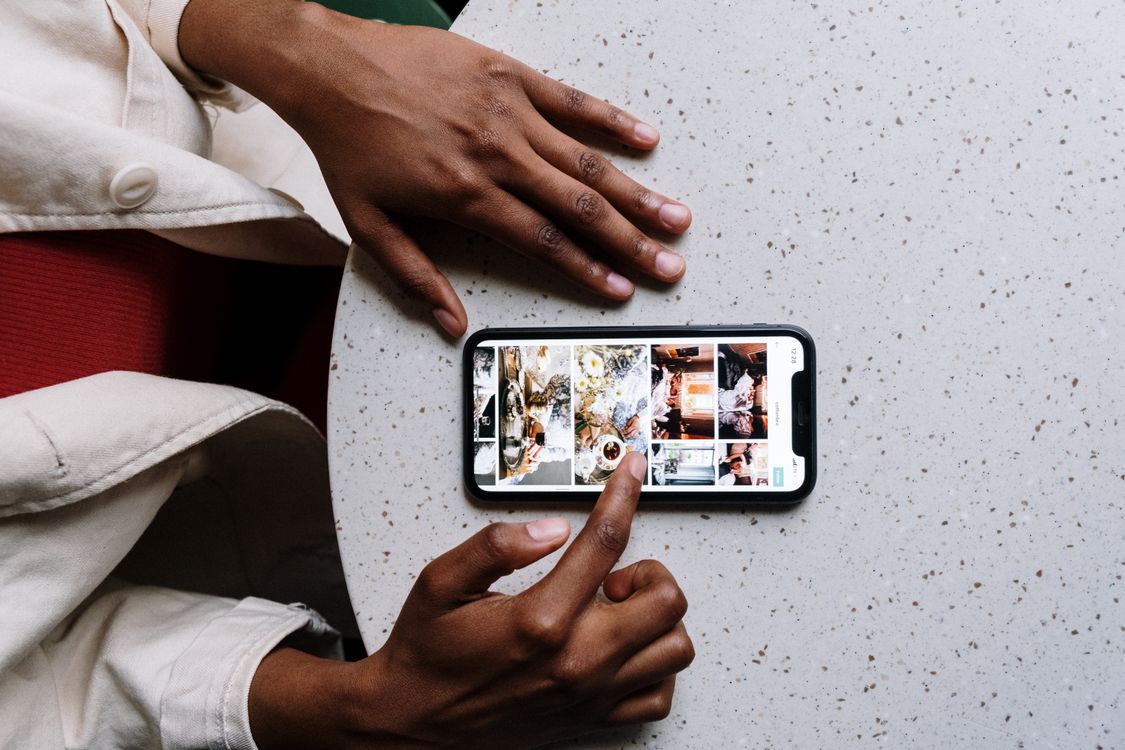
[Close-up of hands using a smartphone, showing its screen in bright light.] Photograph: cottonbro studio
Image Credits: Pexels
A phone screen looks different outdoors because two light sources reach your eyes at once. One is the light the display emits to form its image. The other is sunlight bouncing off the glass and the layers beneath it.
Indoors, the emitted light wins easily. Outdoors, the reflected light catches up and then passes it.
This article explains how brightness, reflection, and contrast combine to wash a screen out, why some phones cope better than others, and what actually helps when you are standing in bright sun.
The two lights fighting for your eyes
Every phone display works by emitting light. An LCD shines a backlight through liquid crystals, while an OLED makes each pixel produce its own light. Either way, the image you see is emitted light travelling from the panel to your eyes.
Sunlight adds a second layer on top. Some of it reflects off the outer glass, and some reflects off inner layers where materials meet.
That reflected light does not carry the image. It carries a washed-out picture of the sky and your surroundings, laid over the display.
The result is a loss of contrast, not just a loss of brightness. Contrast is the gap between the brightest white and the darkest black a screen can show. Reflected light lifts the dark parts most, because a small amount of added light matters far more against black than against white.
Blacks turn grey, colours lose depth, and text edges soften.
Brightness in nits, and why it is not enough
Brightness is measured in nits, which are candelas per square metre. A typical modern phone reaches about 1,000 nits in normal use. High-end models go further in short bursts: the iPhone 16, reviewed by Notebookcheck, lists 1,600 nits peak brightness for HDR content and 2,000 nits peak brightness outdoors, with a typical contrast ratio of 2,000,000:1 in a dark room.
Those numbers sound large until they meet sunlight. Direct sunlight can reach about 100,000 lux of illuminance, and display engineers often quote ambient brightness around 6,000 candelas per square metre for a clear day. A display that reflects about 14% of that ambient light, a figure cited for touch displays without special reflectance measures, would throw back roughly 840 candelas per square metre of reflected light.
That reflection alone approaches the output of many phones. A screen emitting 1,000 nits against 840 nits of reflection has almost no contrast left. The image is still there, but the gap between its bright and dark parts has nearly closed.
Why reflection beats raw brightness
The worked example in a sunlight-readable display guide makes the trade-off concrete. A 1,000-nit display with about 8% total reflectance under 50,000 lux of daylight ends up with an ambient contrast ratio near 1.8:1, which is hard to read. The same 1,000-nit display with reflectance cut to about 1% reaches roughly 7:1, which reads comfortably.
Raising brightness from 1,000 to 1,500 nits on the high-reflectance display would help far less than cutting the reflection. This is why makers invest in anti-reflective coatings, optical bonding that removes air gaps between layers, and cover glass treatments. Each removed reflection surface lowers the veil of light over the image.
Polarised sunglasses can make the problem stranger. Some displays emit polarised light, and a polarised lens can block part of it depending on angle. Turning the phone sideways sometimes restores the picture, which is a clue that polarisation, not brightness, is doing the damage in that moment.
How your eyes join in
Your visual system adapts to the brightest thing around. Outdoors, your pupils narrow and your eyes calibrate to sunlit surroundings, so a screen that looked vivid indoors now registers as dim.
The phone has not changed. The reference level your eyes use has moved.
This adaptation also explains why stepping into shade feels like a fix. Nothing about the phone changed in that second. The ambient level fell, the reflected light fell with it, and your eyes recalibrated to a darker scene where the screen's output dominates again.
Screen protectors and worn coatings can add to the trouble. A scratched or greasy protector scatters light, and a matte protector trades sharpness for diffusion. Both can make an already low-contrast image look hazier, even when the underlying panel is fine.
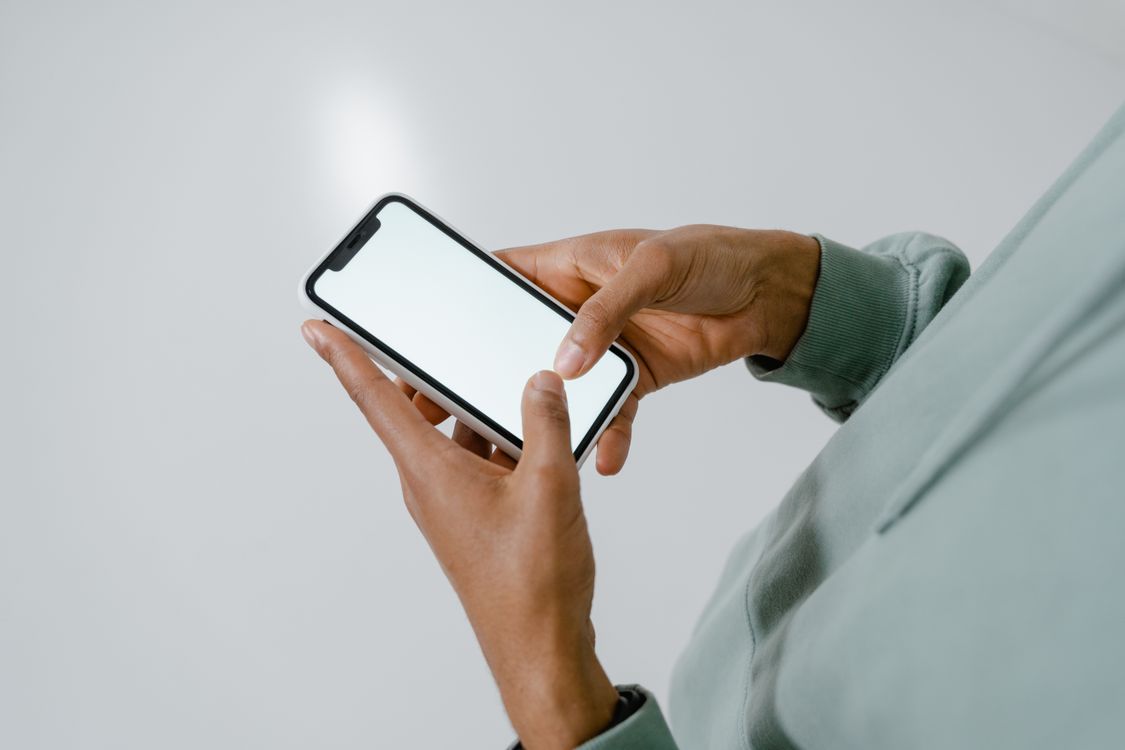
[A person holding a smartphone with a bright screen in daylight.] Photograph: MART PRODUCTION
Image Credits: Pexels
Why phones dim just when you need them brightest
Many phones push brightness higher outdoors through an ambient light sensor, then pull it back. Heat is one reason. Driving an OLED panel at peak brightness generates warmth, and sustained peak output can age pixels unevenly, so makers reserve the highest levels for short bursts.
Battery life is the other reason. A display at 2,000 nits draws far more power than one at 400 nits. A phone that held peak brightness all afternoon would pay for it in battery, so the boost is treated as a temporary response to bright light rather than a permanent state.
Auto-brightness can also lag or misread the scene. If the sensor sits in shade while the screen faces sun, or if a case shadows it, the phone may hold a lower level than the scene demands. Raising brightness manually overrides that guess, though it cannot fix heavy reflection on its own.
What actually helps in bright sun
Shade is the strongest fix because it attacks the cause. Moving under a tree, turning away from the sun, or cupping a hand around the screen cuts the reflected light directly. Even a small reduction in ambient light restores more contrast than a large brightness increase.
Angle matters too. Tilting the phone changes where reflections land, and sometimes a small tilt moves a bright reflection off the text you are reading. This works because much outdoor glare is specular, meaning it bounces at a specific angle rather than scattering evenly.
Settings can add a real, if modest, gain. Turning brightness to maximum, switching off adaptive brightness temporarily, and choosing a high-contrast or bold-text option all widen the gap between text and background. Dark mode helps indoors, but outdoors it can hurt: white text on black leaves more dark area for reflected light to lift, so light mode often reads better in sun.
When buying, look past the headline nit figure. A phone with strong anti-reflective treatment and a high outdoor peak will read better than a brighter phone with bare glossy glass. Reviews that measure reflectance and outdoor contrast tell you more than a single brightness number.
Frequently asked questions
Is my screen broken if it looks washed out in sun?
Usually not. Washout in direct sun happens on healthy displays because reflected light flattens contrast. If the screen also looks faded indoors at full brightness, that points to a fault rather than sunlight.
Does a higher nit rating guarantee outdoor readability?
No. A high nit figure helps, but reflectance matters as much. A 1,000-nit display with low reflectance can out-read a brighter display with glossy, reflective glass.
Why do sunglasses sometimes make a phone screen go dark?
Some phone displays emit polarised light, and polarised sunglass lenses can block it at certain angles. Rotating the phone often restores the image, which confirms polarisation is the cause.
Does dark mode help outdoors?
Often it hurts. Reflected light lifts dark areas most, so white text on black loses contrast faster in sun. Light mode, with a bright background, usually holds up better outdoors.
The bottom line
A phone screen looks different outdoors because sunlight reflected off its glass competes with the image the display emits, and that reflection flattens contrast before brightness runs out. Peak figures like 2,000 nits help, but cutting reflection helps more, and your eyes' adaptation to bright surroundings adds to the effect. Shade, angle, and full manual brightness are the practical fixes, while anti-reflective glass is the feature worth checking before your next phone.
Tags: phone screen, brightness, sunlight, display, OLED
Rive News's research desk covers everyday technology and the systems behind it, drawing on official documentation and published reporting.
Related
- Why apps ask for so many permissions
- Why some apps drain battery in the background
- Why eyes get dry when staring at screens
Subscribe for one plain-English tech explainer each morning.
Rive News checks facts against named sources and corrects errors when readers point them out.
Related stories
Apple plans two October launches: smart home hub, OLED MacBook Pro
Apple set October 13 for a smart home launch with a new hub, Apple TV 4K and HomePod mini, then October 27 for OLED MacBook Pro models
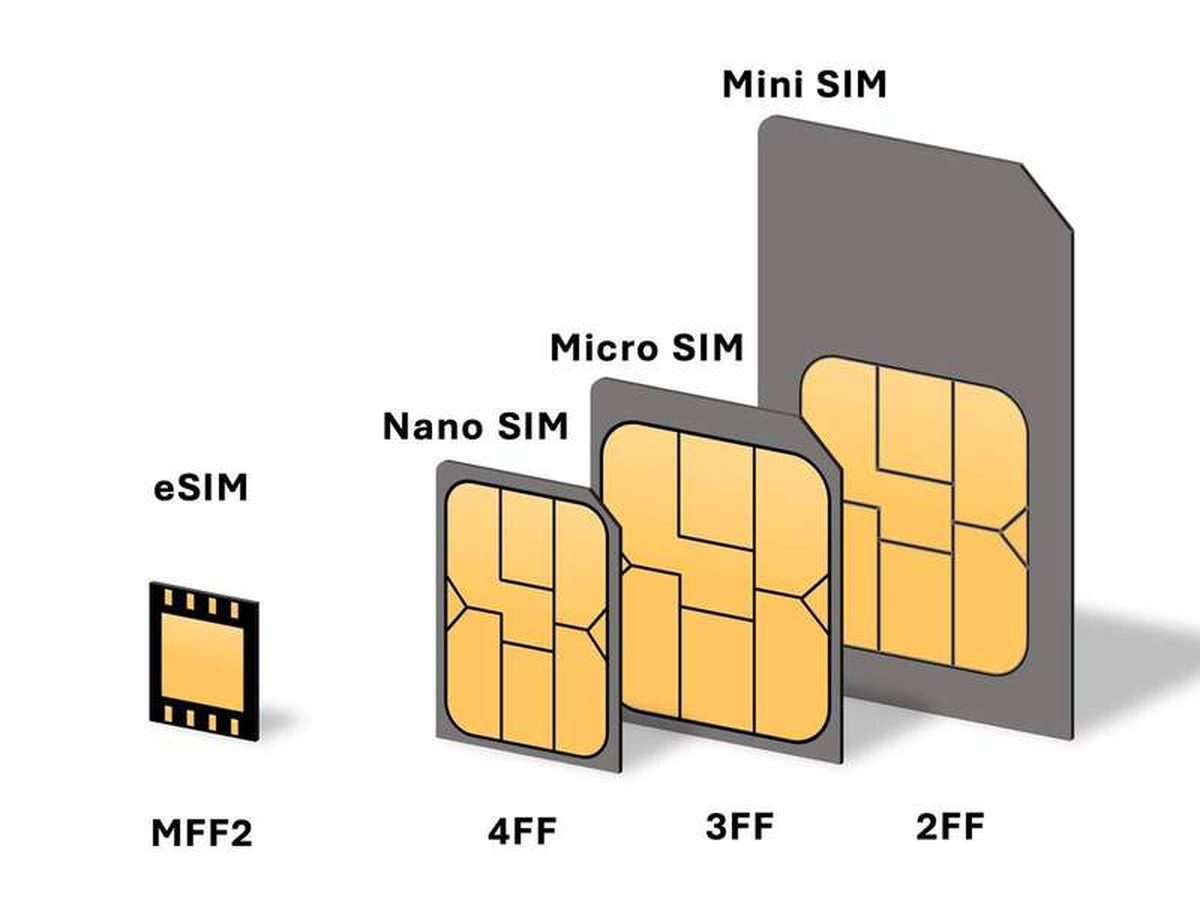
How to Check If Your Phone Supports eSIM in 30 Seconds
Dial *#06# and look for an EID number to confirm eSIM support in under 30 seconds. This guide also walks through the iPhone and Android
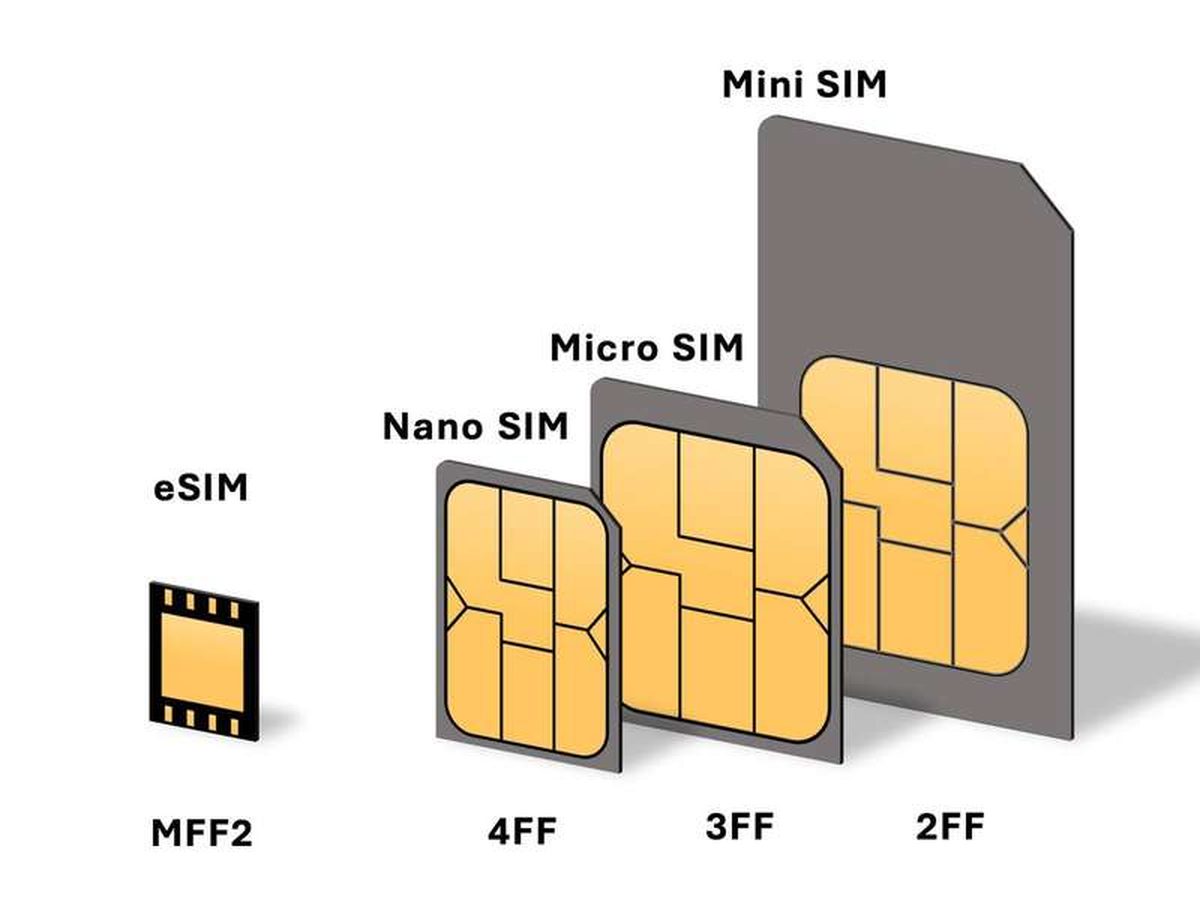
eSIM vs iSIM: what is the difference?
An eSIM is a dedicated chip on the phone's board, while an iSIM lives inside the processor itself. Qualcomm's Snapdragon 8 Gen