
Why Does the AC Smell Musty When First Turned On?
Key takeaways
- The musty smell is microbial: mold, mildew, and bacteria growing on the damp evaporator core release volatile organic compounds.
- The odor peaks at startup because the colonies multiply undisturbed while the car sits parked.
- Drying the evaporator by running the fan with the compressor off for 5 minutes before parking prevents regrowth.
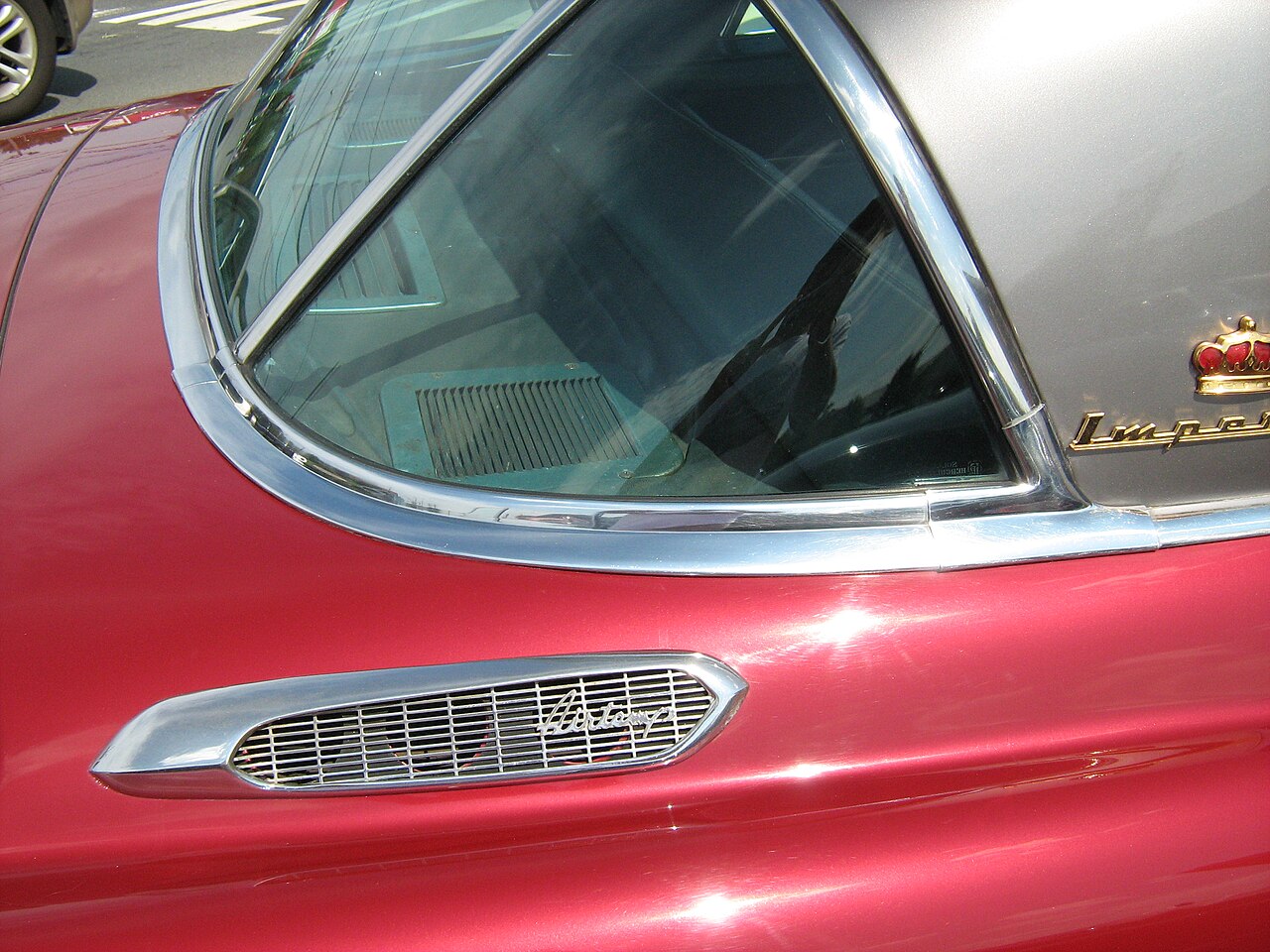
Air conditioning vents on a classic car. The musty smell in any car's AC comes from microbial growth on the evaporator, not from the vents themselves. Photograph: Christopher Ziemnowicz
Image Credits: Wikimedia Commons / Christopher Ziemnowicz, Christopher Ziemnowicz, Eric Friedebach
Dirty sock syndrome is the mechanics' nickname for the musty, sour blast that hits you when the car's air conditioning first kicks in. It is one of the most common HVAC complaints among car owners, and it is almost never a mechanical failure.
The smell is biological. Warm, humid air passing over the ice-cold evaporator core leaves the component wet, and in that dark, damp housing, mold and bacteria settle in and multiply. Their metabolic byproducts are what you smell.
This article explains why the AC smells musty when first turned on, including how the evaporator becomes a microbial habitat, why startup smells worst, the other components that can cause odors, how to eliminate the smell, and the simple habit that keeps it from returning.
What makes the musty smell
The evaporator core sits deep inside the dashboard, and its job is to chill incoming air. Warm cabin air flows across its cold metal fins, heat transfers into the refrigerant inside, and moisture condenses out of the air onto the fins, exactly like droplets forming on a cold drink can in warm weather.
That condensation is supposed to drain away through a tube under the car, which is why a puddle under a parked car on a hot day is normal. But the fins themselves stay wet whenever the AC runs, and airborne dust, pollen, and organic debris stick to the wet metal. Together they form a biofilm, a slimy layer of microorganisms that EngineerFix identifies as the primary source of the smell.
The organisms in that biofilm, mold, mildew, and bacteria, release gases called volatile organic compounds as metabolic byproducts. VOCs are the actual molecules your nose detects, and their signature is the musty, earthy, dirty-sock odor. This is a maintenance issue, not a breakdown: the AC cools fine, it just smells like a locker room.
Humid climates make everything worse. CarInterior notes that AC odor problems cluster in places like Florida, Louisiana, Southeast Asia, and coastal regions, where the air feeds the evaporator more moisture and the colonies grow faster. A car in Phoenix may never develop the smell; the same car in Houston often does.
Why it hits hardest at startup
The smell is worst in the first seconds after you switch the AC on because of what happens while the car sits. When you shut off the engine, the evaporator is cold and wet inside a dark, sealed housing with no airflow. The temperature in that enclosure rises quickly, and warmth plus dampness plus stillness is the ideal recipe for microbial growth.
The colonies multiply undisturbed for hours. By morning, the housing holds a concentrated pocket of microbe-laden air. The moment the fan starts, it blasts that stagnant air straight through the vents and into your face, delivering the full dose at once.
After a few minutes of running, the smell usually fades. Fresh air dilutes the pocket, and the cold, moving air suppresses further VOC release. That fade-and-return pattern is the classic fingerprint of evaporator biofilm: terrible at startup, tolerable after 5 minutes, terrible again tomorrow morning.
This timing also rules out other causes. A refrigerant leak smells sweet or chemical and persists as long as the system runs, since refrigerants such as R-134a and R-1234yf are odorless and only the accompanying oil or coolant carries a scent. Only a biological source follows the startup-blast pattern.
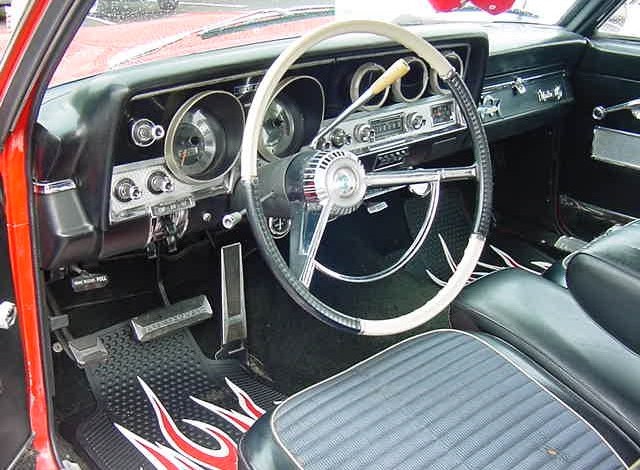
A classic car interior. The evaporator core hides inside the dashboard, where its damp fins can harbor mold and bacteria. Photograph: Christopher Ziemnowicz
The other suspects
The evaporator is the most common culprit, but three other components can produce or worsen AC odors, and a proper diagnosis checks each.
The cabin air filter is the first thing to inspect. It traps dust and pollen before they reach the evaporator, but a neglected filter becomes a problem itself: saturated with moisture and debris, it grows its own mold and restricts airflow. A sour or earthy odor that persists even with the AC off often points here, and replacement is cheap and takes minutes on most cars.
The condensate drain tube is the second suspect. If it clogs with debris or algae, water cannot escape and pools inside the HVAC housing, accelerating every kind of microbial growth. A mechanic can clear it quickly, and the puddle reappearing under the car confirms the fix.
Organic debris in the intake is the third. Leaves and pollen collecting in the cowl area at the base of the windshield decompose into a compost-like mass that feeds odor straight into the fresh-air intake. Clearing the cowl drains each autumn prevents it.
One caution: a sweet, syrupy, or sharp chemical smell is a different problem entirely and may indicate a coolant or refrigerant leak. Those need professional attention promptly, unlike musty biofilm odor. And if your car has other unexplained behaviors, such as wipers that chatter across the glass, they are separate maintenance items, not related to the AC smell.
How to kill the smell
Start with the cabin air filter. Pull it out and look: if it is gray, damp, or smells musty on its own, replace it regardless of mileage. This single step resolves a surprising share of odor complaints.
Next, treat the evaporator directly. Automotive AC cleaning kits, sold as aerosol foam or spray, contain biocides formulated to kill microbial colonies on the fins. The foam expands into the tight housing and breaks down the biofilm, which EngineerFix describes as the most effective DIY method for established growth.
Disinfectant sprays offer a lighter touch. An EPA-registered disinfectant sprayed into the fresh-air intake while the blower runs on low can knock back surface microbes temporarily. It will not dissolve a mature biofilm the way a foaming cleaner does, but it works as maintenance between deep cleanings.
For severe cases, a shop can perform a professional evaporator cleaning with stronger biocides and direct access. If the smell survives a new filter and a foam treatment, the colony is likely deep in the housing fins, and professional equipment reaches where aerosols cannot.
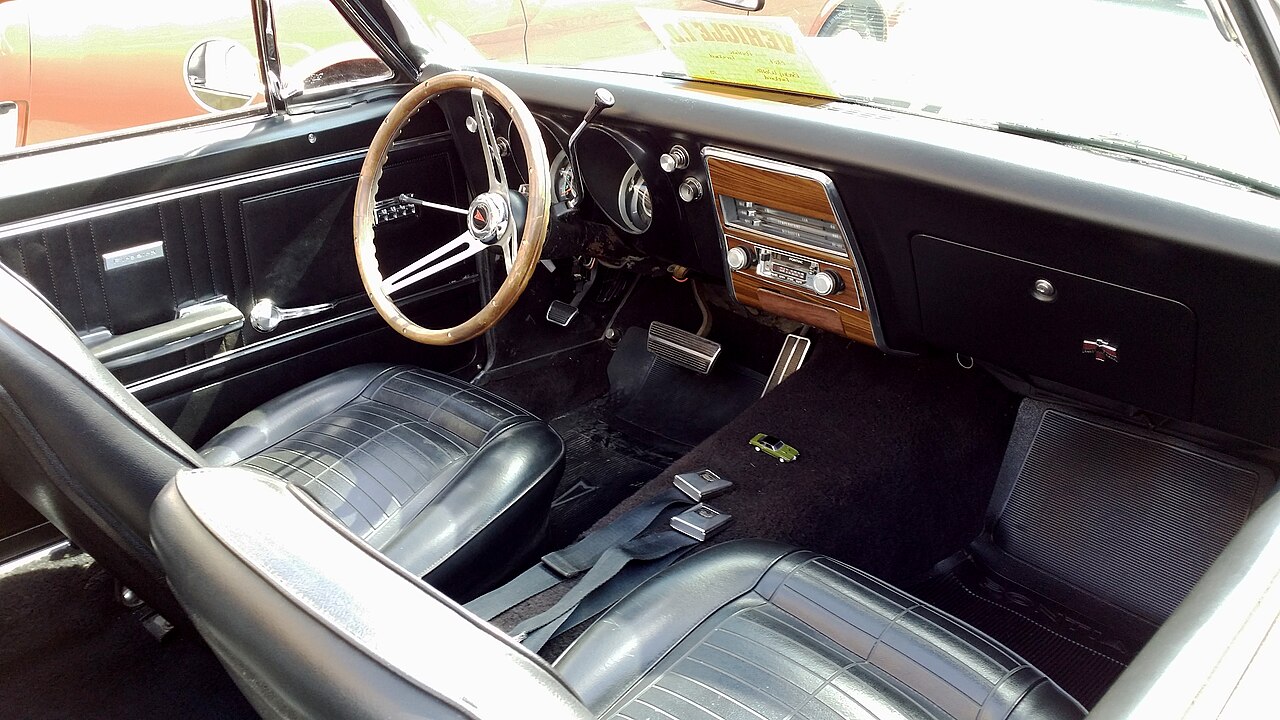
Dashboard vents deliver the air, but the odor originates deeper inside at the evaporator core. Photograph: Eric Friedebach
How to keep it from coming back
Killing the colony is only half the job. The winning move is denying the next colony its water, and that takes one small habit: the dry-out method.
About 5 minutes before you reach your destination, switch the AC compressor off but leave the fan running on high. On most cars this means pressing the A/C button so the light goes out while the blower keeps blowing. Ambient air flowing over the cold evaporator warms it and evaporates the condensation clinging to the fins.
Drying the evaporator removes the moisture that mold and bacteria need to grow. CarPhrases recommends running the fan for 5 to 10 minutes before parking for the same reason. The habit costs nothing, takes no extra time, and is the single most effective prevention measure available.
A few supporting habits help. Park in the sun when possible so the housing bakes dry between drives, and run the system on fresh-air mode rather than recirculation for the last few minutes. Replace the cabin air filter on schedule, because a clean filter starves the evaporator of the organic debris that feeds biofilms.
Drivers who adopt the dry-out habit usually find the smell never returns. Those who skip it often find themselves buying another can of foam cleaner every summer, treating a symptom while the cause refills nightly.
Frequently asked questions
Is the musty AC smell harmful to breathe?
For most people it is mainly unpleasant, but mold and bacterial aerosols can irritate allergies, asthma, and sensitive airways. If you have respiratory conditions and the smell is strong, get the system cleaned rather than tolerating it.
Why does the smell go away after a few minutes?
The concentrated pocket of microbe-laden air in the housing gets flushed out by fresh airflow within minutes. The underlying biofilm remains on the evaporator fins, which is why the smell returns at the next cold start.
Can I just spray air freshener into the vents?
Air freshener masks the odor for an hour without touching the colony on the evaporator. It is the equivalent of perfume over a dirty shirt. A biocide foam cleaner or a new cabin filter addresses the actual source.
Does running the heater kill the mold?
Heat alone does not reliably sterilize an established biofilm, and the heater uses a separate core anyway. The dry-out method works by removing moisture, not by cooking the microbes, and a proper cleaning kills what drying cannot prevent.
The bottom line
A musty AC smell at startup means mold, mildew, or bacteria have colonized the damp evaporator core and are releasing volatile organic compounds into the first blast of air. The pattern, awful at startup and fading within minutes, is the giveaway.
Fix it with a new cabin air filter and a foaming evaporator cleaner, then keep it fixed with the 5-minute dry-out habit: compressor off, fan on high, before you park. It is the cheapest maintenance in car ownership, and it works because it attacks the one thing the microbes cannot live without, water.
Latest in Automotive
- Why windshield wipers chatter across the glass
- Why your car beeps when you leave the key inside
- Why engine oil turns black so quickly
- How power steering actually lightens the wheel
Get one practical car-care explainer in your inbox each week. Subscribe to the Rive News newsletter.
Related stories

Why Does Tire Pressure Drop in Cold Weather?
Cold weather can cut tire pressure by 1 psi for every 10°F drop, thanks to the ideal gas law. Here is what happens inside the tire and what

Why Do Brake Rotors Warp, or Do They Actually?
Mechanics rarely see a truly warped rotor. The shudder usually comes from uneven pad deposits a few thousandths of an inch thick. Here

How to Buy a Used Car Without Getting Scammed: The Checklist
Over 450,000 cars a year have rolled-back odometers, NHTSA says. This checklist covers VIN checks, title washing, and the inspection that