
How Does Adaptive Cruise Control See the Car Ahead of You
Key takeaways
- Adaptive cruise control watches the road with a 77 GHz radar sensor hidden behind the front grille or badge.
- A forward-facing camera reads lane markings and classifies objects so the car follows the right vehicle.
- The system measures distance and closing speed many times per second, then adjusts throttle and brakes automatically.
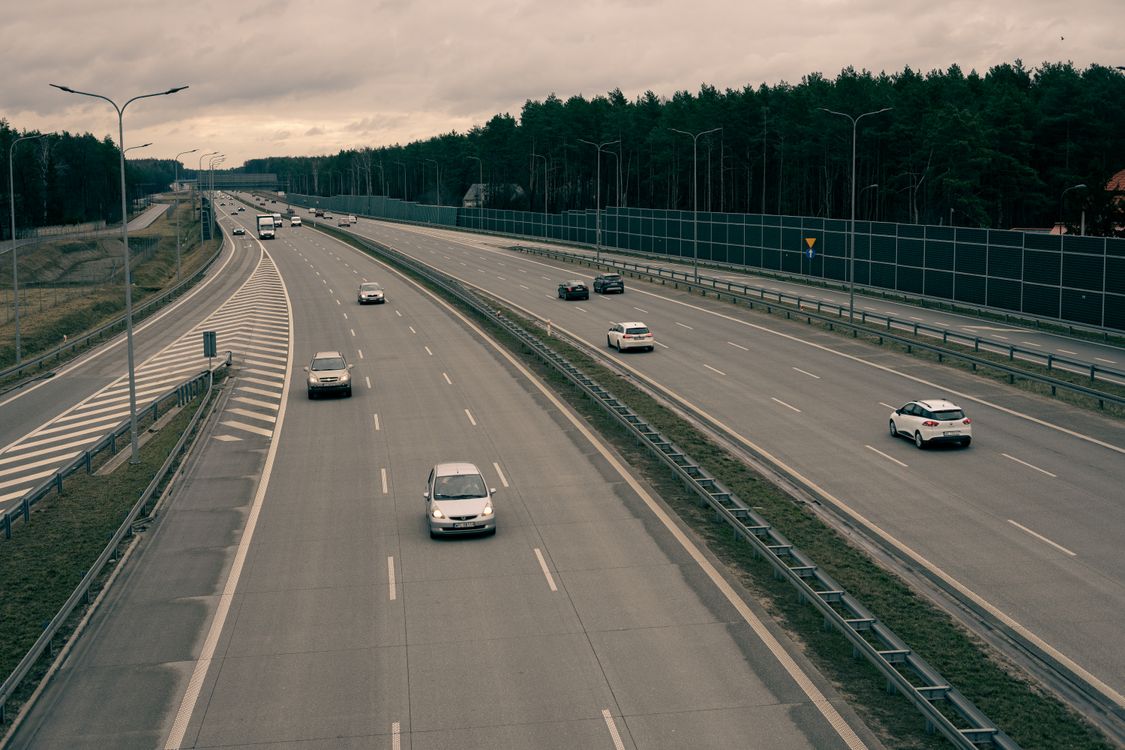
Adaptive cruise control is not magic. It is a set of sensors, a computer, and your car's existing throttle and brakes working together. The system keeps a gap you choose between your car and the vehicle ahead, speeding up and slowing down on its own.
The "seeing" part is what most drivers never think about. Your car has no eyes.
Instead it builds a picture of the road ahead from reflected radio waves and camera images. This article explains how the radar finds the car ahead, what the camera adds, how the car picks which vehicle to follow, and where the whole setup goes blind.
How the radar actually spots the car ahead
The core sensor in most adaptive cruise control systems is a millimeter-wave radar unit. It usually sits low at the front of the car, hidden behind the grille, the front badge, or the lower bumper cover.
On a Jeep, for example, the sensor sits in the center of the lower grille. On a Volkswagen Passat, the radar and its control unit sit behind the VW badge.
The radar transmits radio waves at 77 GHz and listens for the echoes that bounce back. Timing each echo tells the system how far away an object is.
Measuring the tiny shift in the wave's frequency, the Doppler effect, tells it how fast that object is approaching or pulling away. Engadget's breakdown of the technology notes that this echo-timing gives both distance and closing speed, and it works in the dark and in fog where a camera alone would struggle.
Range matters. Bosch's long-range radar could already see about 250 metres back in 2014, and its successor reaches 530 metres, according to Engadget. Continental's fifth-generation radar, described in CAR Magazine's technical test, operates at 77 GHz with a 65-degree forward field of view and reaches up to 300 metres.
The Volkswagen system described by Motor Continental works out to 200 metres with a 12-degree beam. These numbers decide how early your car can react to slowing traffic.
History helps here. Bosch launched the first radar-based adaptive cruise control in 2000, after starting its radar development division in 1995.
Mercedes had introduced its Distronic system on the 1999 S-Class, using a 77 GHz radar with roughly 150 metres of range, as EDN reported at the time. The technology has been refined for more than two decades since.
What the camera adds that radar cannot
Radar is excellent at distance and speed, but it is a poor judge of what it is looking at. A metal sign, a bridge, or a stopped truck can all return similar echoes. That is where the second sensor comes in: a forward-facing camera mounted high behind the windshield, near the rearview mirror.
One of the camera's jobs is reading lane markings. That tells the system which car is actually in your lane, so it follows the right vehicle instead of braking for a car in the next lane.
Honda's engineers have explained that the camera is also how the system recognizes when another driver cuts in front of you. The radar sees something slow down ahead; the camera confirms it is a car in your path.
Some manufacturers go further. Subaru's EyeSight uses two cameras for stereo depth perception, no radar at all. Tesla's camera-dominant approach leans on neural-network processing of camera images.
Most mainstream systems, though, fuse both: radar supplies robust range and speed in all weather, while the camera supplies context about lanes and object types. This is the same kind of sensor teamwork your car's windscreen demisting logic relies on, where one sensor's weakness is covered by another's strength.
How the car picks which vehicle to follow
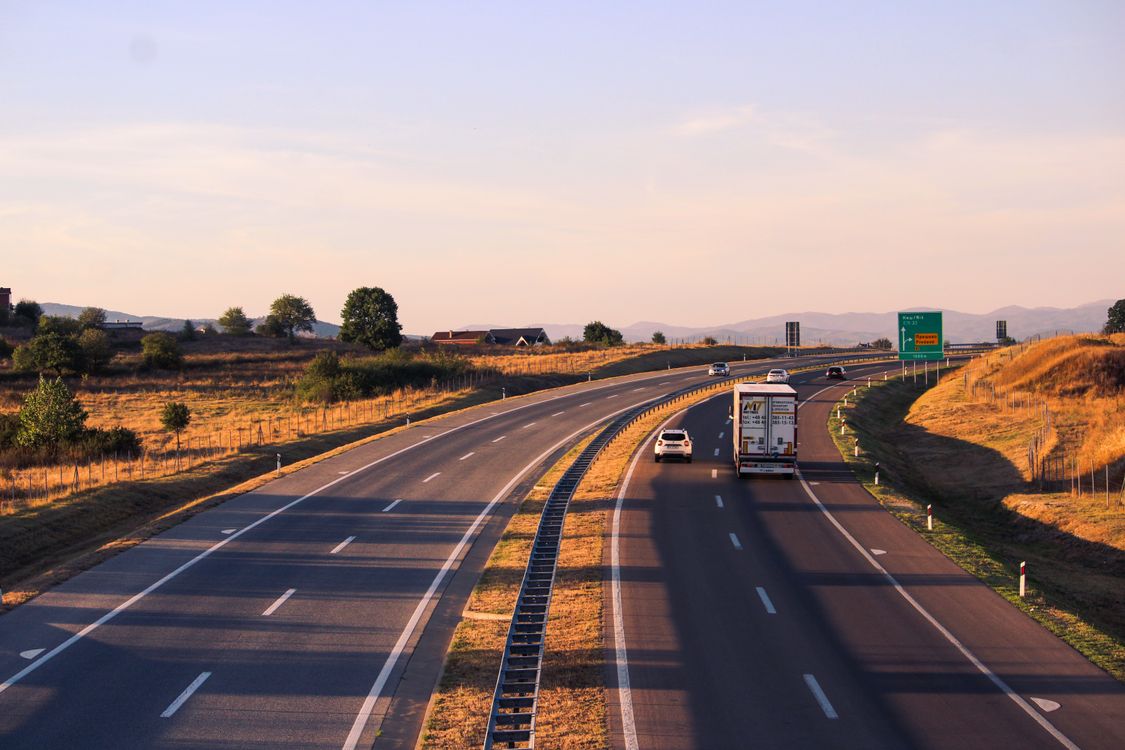
On a busy motorway the radar may see a dozen vehicles at once. The control unit has to choose one: the closest vehicle in your lane, the "in-path" target. It does this by combining the radar's angle measurements with the camera's lane information and your car's own steering angle and yaw data.
Once a target is locked, the system continuously adjusts. If you approach a slower vehicle, it eases off the throttle or applies the brakes to match that vehicle's speed and hold your chosen gap.
If the car ahead speeds up or changes lanes, the system accelerates back toward your set speed. The whole loop runs many times per second.
There are limits built in. EDN's technical tutorial notes that braking intervention is capped at about 30 percent of the car's maximum braking force.
On the Volkswagen system, if the required deceleration passes 30 percent of maximum stopping power, the car flashes visual and audible warnings and hands the job back to you. The system is an assistant, not a chauffeur, and it stays that way by design.
Small obstructions can confuse it. Because the radar lives behind the front badge or grille, adding a number-plate frame, stickers, or an aftermarket grille near it can degrade performance, Engadget notes.
A layer of snow or mud over the sensor has the same effect. This is worth remembering the next time you check why your indicators sound the way they do: small parts of a car often do more than they appear to.
Where the system goes blind
Every sensor has blind spots, and knowing them keeps you safe. The most important one: many radar systems cannot reliably detect stationary objects.
The Volkswagen documentation states plainly that the radar cannot detect stationary obstructions such as the end of a traffic jam or crash barriers. Audi's owner's manual says the same thing, adding that the system needs reflecting surfaces to measure distance at all.
Curves are another weak point. On a tight bend, the radar's straight-ahead beam may lock onto a car in the next lane, or lose the car ahead entirely.
Heavy rain is less of a problem for radar than for cameras, but standing water and spray can still reduce confidence. And at very low speeds, early systems simply switched off below about 30 km/h, which is why "Stop and Go" versions were developed for traffic jams.
Driver attention remains the backup system. A four-year European field study quoted by Bosch found that adaptive cruise control combined with forward collision warning cut freeway incidents requiring sharp braking by 67 percent and tailgating by 73 percent.
Those are big numbers, but they describe a driver who is still watching the road. The car handles the gap; you handle everything else, just as you do when you notice your car doors locking themselves as you drive off and trust the car while staying alert.
Does adaptive cruise control work at night?
Yes. The radar does not need light at all, since it uses radio waves rather than visible light.
The camera works with headlights and street lighting, though its lane-reading confidence drops on unlit roads with faded markings. Radar carries most of the load after dark.
Can it see motorcycles?
Usually yes, at shorter range. Motorcycles return a weaker echo than cars, which is why specifications sometimes quote separate ranges, such as 150 metres for a motorcycle-sized target versus 175 metres for a car. Keep a generous following distance behind bikes, since the system may react later.
Why does my car sometimes brake for no reason?
Phantom braking usually comes from the radar locking onto a metal object it misreads, like an overhead sign, or the camera losing lane markings on a curve and picking the wrong target. If it happens often, check that the radar area behind the grille is clean and undamaged.
Does adaptive cruise control work in stop-and-go traffic?
Only if your car has the full-speed-range or Stop and Go version. Basic systems disengage below about 30 km/h. Check your owner's manual: if yours supports it, the car can slow to a standstill and pull away again in a jam.
The bottom line
Your car "sees" the vehicle ahead with a 77 GHz radar that measures distance and closing speed from reflected radio waves, plus a windshield camera that reads lanes and classifies objects. The computer fuses both, picks the car in your lane, and adjusts throttle and brakes to hold your gap.
It works in darkness and most weather, but it cannot reliably spot stationary obstacles and its braking is capped, so you stay in charge. Keep the sensor area clean, and the system will quietly do the tedious part of motorway driving for you.
Image Credits: Pexels / Aleksander Dumała; Alban Mehmeti; Markus Spiske
Latest in Automotive
- Why Your Indicators Make That Clicking Sound
- Why Your Windscreen Fogs Up on the Inside
- Why Car Doors Lock Automatically When You Drive Off
- Why Tyres Lose Pressure Slowly Even Without a Puncture
Subscribe for one plain-English car explainer every morning.
Related stories
Why Does Tire Pressure Drop in Cold Weather?
Cold weather can cut tire pressure by 1 psi for every 10°F drop, thanks to the ideal gas law. Here is what happens inside the tire and what
Why Do Brake Rotors Warp, or Do They Actually?
Mechanics rarely see a truly warped rotor. The shudder usually comes from uneven pad deposits a few thousandths of an inch thick. Here
How to Buy a Used Car Without Getting Scammed: The Checklist
Over 450,000 cars a year have rolled-back odometers, NHTSA says. This checklist covers VIN checks, title washing, and the inspection that