
Why Does Your Car Pull to One Side While Driving?
Key takeaways
- A pull means uneven forces on the wheels, and the cheapest checks come first.
- Low tire pressure on one side drags the car toward that side.
- A pull that appears only while braking usually points at the brakes.
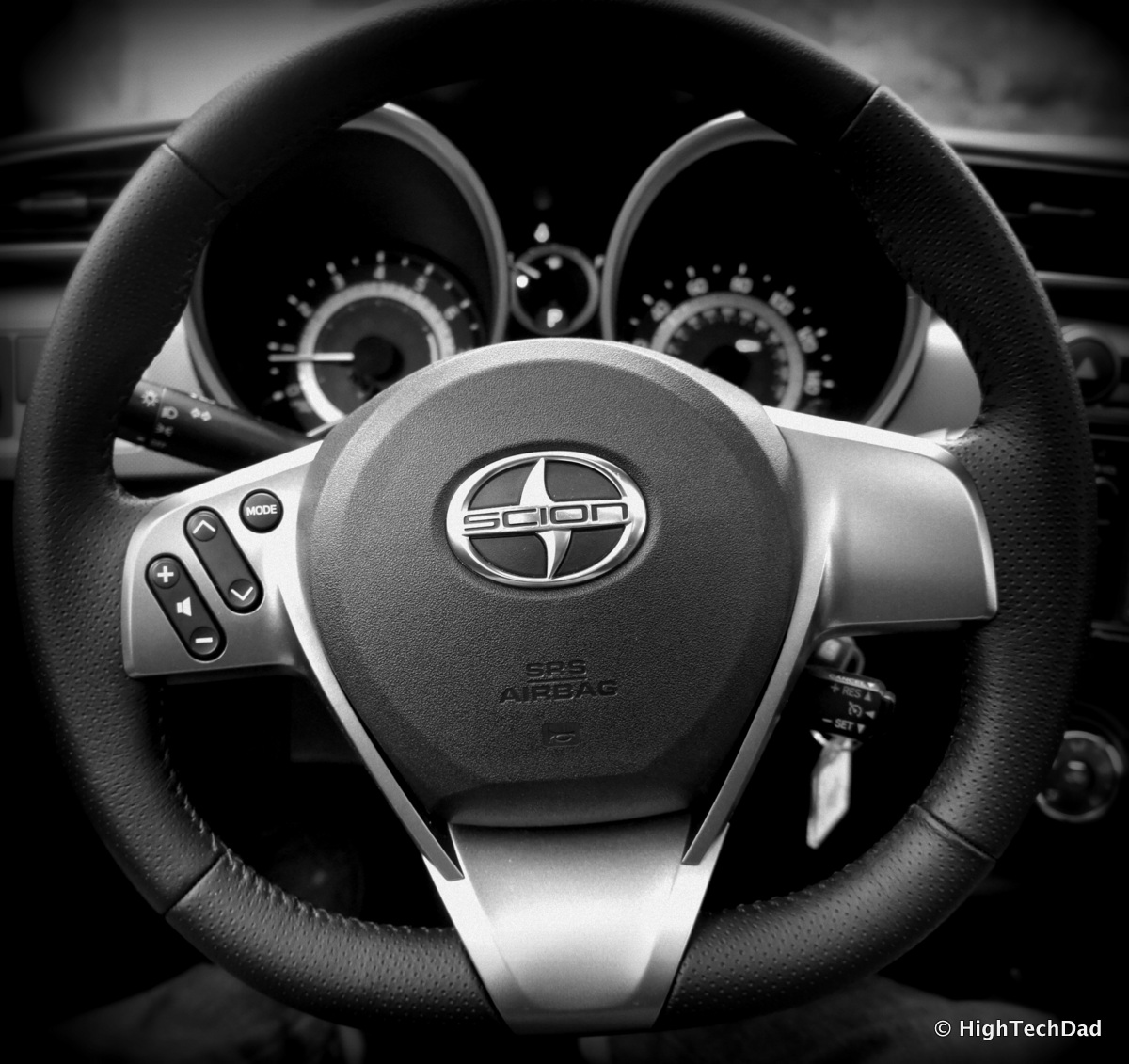
A car pulls to one side when it drifts left or right on a flat, straight road while the driver holds the steering wheel straight. The drift can be slight, a slow wander toward the lane line. It can also be strong enough to demand constant correction.
This article explains why a car pulls to one side while driving, including tire pressure, wheel alignment, brakes, suspension and steering wear, and tire faults. It also covers how to narrow down the cause, what fixes usually involve, and how routine care prevents the problem.
What a pull feels like, and what it is not
A real pull repeats on different roads and in both directions of travel. It shows up when the road is level and the steering wheel is centered. The car needs steady pressure to stay in its lane.
Not every drift counts as a fault. Many roads are crowned, which means they slope slightly toward the edges so rain drains off. A crowned road can cause a mild drift toward the edge.
A strong crosswind can push a tall vehicle sideways too.
Firestone Complete Auto Care advises drivers to first clarify the nature of the pull. Note whether the car pulls left or right, whether it pulls only when braking or accelerating, and whether the pull is constant or comes and goes. Those details help a technician narrow down the cause faster.
Check tire pressure first
Uneven tire pressure is the cheapest cause to check and one of the most common. A tire with lower pressure creates more rolling resistance. The car then drifts toward that side, as Firestone explains in its guide to car pull.
Check pressure when the tires are cold, before driving heats them up. Use the pressure listed on the driver door jamb placard or in the owner's manual, not the maximum pressure molded into the tire sidewall.
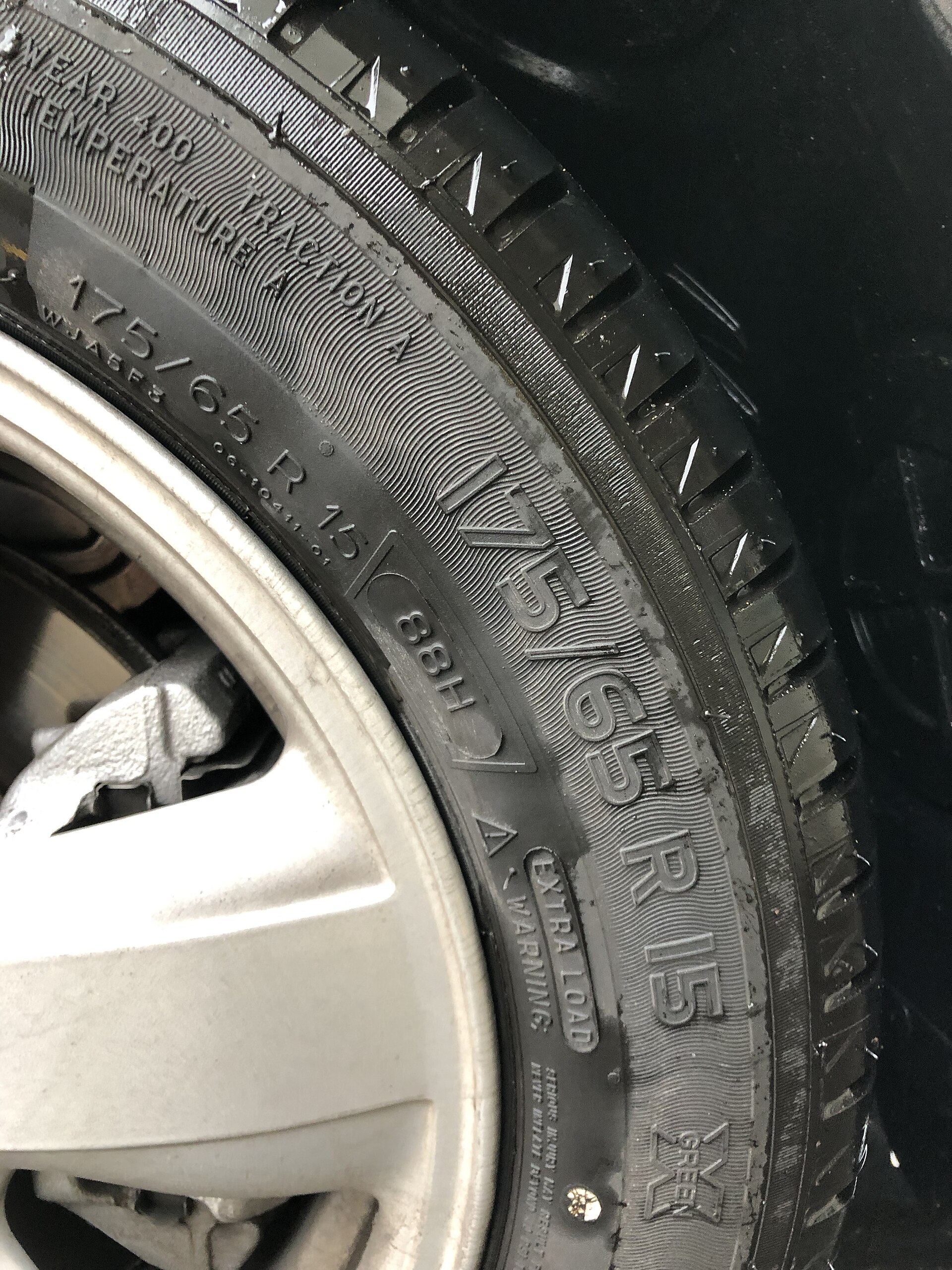
Also look at the tires while you are there. Uneven tread wear, a visibly low tire, or a nail in the tread can each explain a pull. If pressure is low on one tire again a week later, that tire may have a slow leak.
For more on what to check when buying used, see our guide on how to check whether a used car has had an accident.
Wheel alignment is the usual suspect after pressure
Wheel alignment describes the angles at which the wheels meet the road. When those angles fall outside the maker's specifications, the wheels work against each other instead of rolling straight. Potholes, curb strikes, worn parts, and accident damage can all knock alignment out of spec.
Firestone lists four classic signs of misalignment. The vehicle pulls to one side, the tires wear unevenly or rapidly, the steering wheel sits crooked while driving straight, and the tires squeal. Any one of these signs justifies an alignment check.
Misalignment costs money even when the pull feels mild. Automotive Fleet, citing Firestone, notes that misalignment can shorten a tire's life by thousands of miles. It can also damage steering and suspension parts and make the vehicle less fuel efficient.
Catching it early protects the tires.
Many guides suggest checking alignment every 10,000 to 15,000 km (6,000 to 9,000 miles), once a year, or after a hard pothole or curb strike. A new set of tires or new suspension parts is another good moment for a check. Ask the shop what it measured and what it adjusted.
Brakes: suspect them when the pull appears while braking
A car that pulls mainly when the driver brakes has a different problem from one that pulls all the time. Uneven braking force turns the car toward the side doing more work. Firestone notes that a sticking brake caliper, worn brake pads, or trouble with brake fluid or lines can all create that imbalance.
A caliper that drags keeps one wheel partly engaged, so that side holds the car back. A caliper that fails to grip lets the opposite brake do more of the work. Either way, the result is a pull under braking, often paired with a hot wheel, a burning smell, or extra brake dust on one wheel.
Brake trouble deserves a fast inspection. Stopping power is a safety issue, not a comfort issue. If the pull is sharp, the pedal feels wrong, or a warning light appears, stop driving and get the car checked.
Suspension and steering wear
Suspension and steering parts wear slowly, and a pull can be the first sign. Control arms, tie rods, ball joints, struts, and shocks all hold the wheels in their correct positions. As they wear, the geometry shifts and the car can drift even with good tires and brakes.
Firestone points to worn control arms, tie rods, or shocks as causes that can create a pull when tires and brakes look fine. CarsInfos adds ball joints and control arm bushings to the same list. These parts often fail gradually, so the pull starts faint and grows over months.
Other clues point the same way. Clunks over bumps, loose or wandering steering, and a car that feels unsettled on rough roads all suggest worn parts. A shop can check for play with the wheel raised.
Worn parts should be replaced before an alignment, since new angles will not hold on loose hardware.
The tires themselves can cause a pull
Sometimes the tire is the fault, not the car around it. Uneven tread depth from skipped rotations gives one side more grip than the other. Mismatched tires, such as different brands or tread patterns on the same axle, can pull the same way.
Internal damage is harder to spot. Firestone notes that internal belt separation can make a tire drift or pull even when the tread looks fine. A tire with a bulge, a cut, or uneven wear belongs on the replacement list.
Rotating the tires during diagnosis can help confirm a tire-related cause, according to CarsInfos. If the pull changes sides or vanishes after a rotation, a tire is likely involved.
Roadside tire trouble has its own steps, covered in our guide on how to change a flat tyre safely at the roadside.
How to narrow down the cause
Start with the conditions. A pull that never stops points at pressure, alignment, tires, or suspension. A pull that appears only under braking points at the brakes.
A tug that appears only under hard acceleration can be normal torque steer on a powerful front-wheel-drive car, or a worn mount or axle.
Next, run the free checks. Set all four tires to the placard pressure and retest on a flat road. Look for uneven wear across each tread.
Compare the front tires, and ask whether the pull started right after new tires or a rotation.
Then note the companion symptoms. A crooked steering wheel suggests alignment. A hot wheel or burning smell suggests a dragging brake.
A clunk suggests suspension wear. Write these details down before visiting a shop. They shorten the diagnosis.
Finally, do not ignore a slight pull. Firestone warns that a constant pull strains tires and steering and makes the car harder to control in an emergency. It can also trace back to a brake fault, which can be dangerous.
Early checks cost little, and late repairs cost much more.
What fixes usually involve
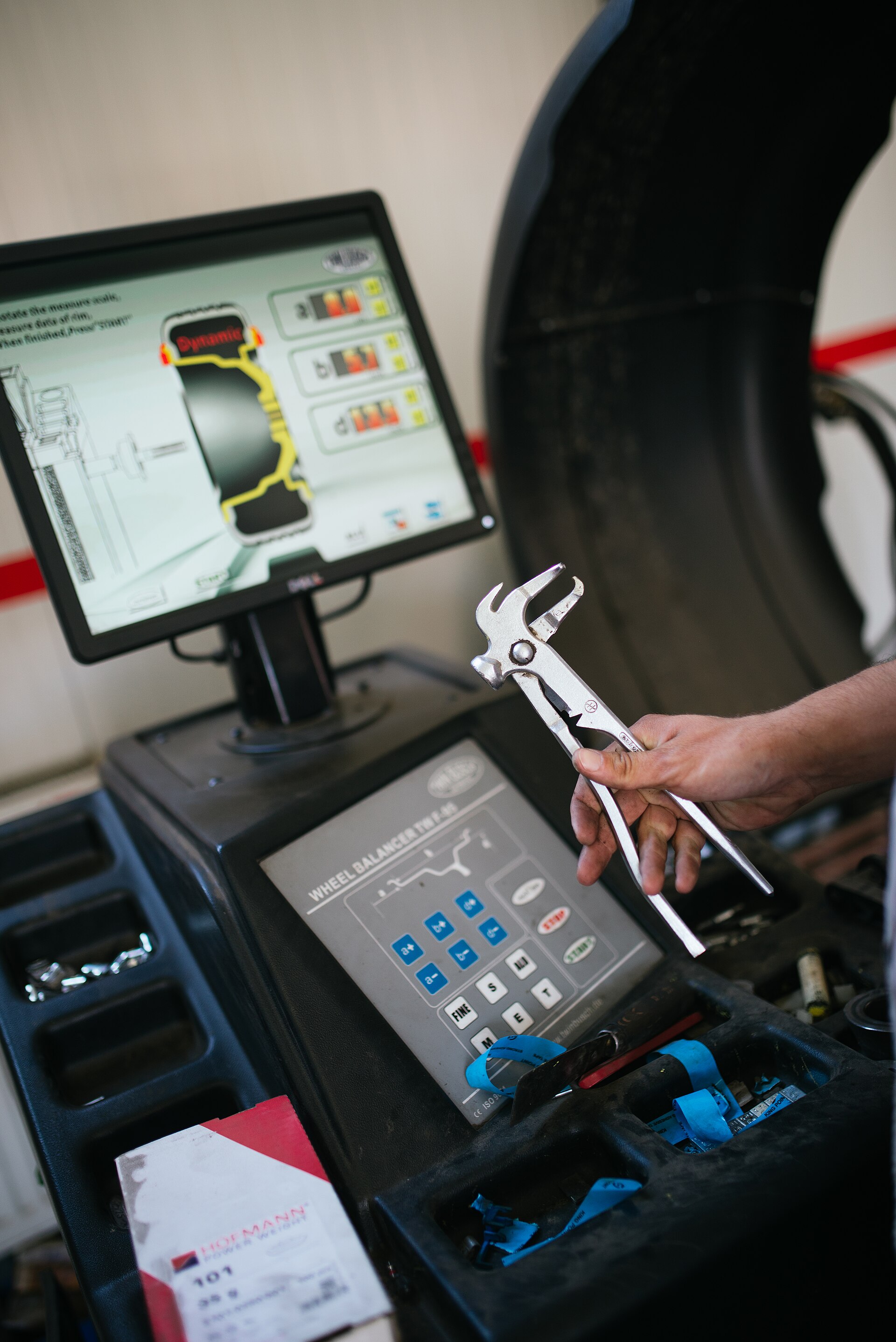
The fix follows the cause. Correct pressure fixes a pressure pull at once. An alignment resets the wheel angles to the maker's specifications and should restore straight-line driving.
A sticking caliper or worn pads need brake repair, which may include pads, a caliper, or a rotor.
Worn suspension or steering parts need replacement first, then an alignment. Damaged tires need replacement, sometimes in pairs so tread depth matches across the axle.
Cooling and fluid checks belong in the same routine visit, such as how to check the coolant level and top up safely.
Frequently asked questions
Can low tire pressure really make my car pull?
Yes. A tire with clearly lower pressure creates extra rolling resistance on that side, so the car drifts toward it. Firestone lists uneven tire pressure among the top reasons a car pulls.
Check all four tires cold and match the placard pressure.
Does a wheel alignment always fix a pull?
It fixes a pull caused by alignment. It will not fix a dragging brake, a damaged tire, or worn suspension parts. A good shop checks those items too, since a pull often has more than one contributor.
Why does my car still pull after an alignment?
Firestone notes that a post-alignment pull may trace to uneven tire wear, incorrect tire pressure, or worn suspension parts that affect how the wheels track. A brake or steering part may also need adjustment. Take the car back with a clear description of when the pull appears.
Is it safe to drive a car that pulls slightly?
A slight, steady pull is usually safe for a short trip to a shop, but it should not be ignored. It can signal early tire, suspension, steering, or brake trouble that grows worse with time. Severe pulling, loose steering, or a sharp pull while braking means stop and get help.
The bottom line
A pull to one side is the car reporting uneven forces at the wheels. Check tire pressure first, since it is free and fast. Then consider alignment, brakes, suspension, and the tires themselves, in that order.
Note when the pull appears and what comes with it, and bring those details to the shop. Straight-line driving returns once the real cause is fixed.
Tags: car maintenance, wheel alignment, tire pressure, brakes
Latest in Auto
- How to check whether a used car has had an accident
- Why your car air conditioning blows warm air
- How to clean car headlights that have gone cloudy
Subscribe for one practical car-care guide each week.
Related stories

Why Does Tire Pressure Drop in Cold Weather?
Cold weather can cut tire pressure by 1 psi for every 10°F drop, thanks to the ideal gas law. Here is what happens inside the tire and what

Why Do Brake Rotors Warp, or Do They Actually?
Mechanics rarely see a truly warped rotor. The shudder usually comes from uneven pad deposits a few thousandths of an inch thick. Here

How to Buy a Used Car Without Getting Scammed: The Checklist
Over 450,000 cars a year have rolled-back odometers, NHTSA says. This checklist covers VIN checks, title washing, and the inspection that