
Why does cold butter make flakier pie crust? The science
By Rive News / Research desk | Rive News / Published October 24, 2026 at 9:00 AM PKT
Key takeaways
- Cold butter stays solid until baking, then its water flashes to steam and pushes dough layers apart.
- Varied chunk sizes, mostly pea-sized with some bigger pieces, create the best flake distribution.
- Warm butter blends into the flour early, making a tough, cookie-like crust instead of a flaky one.
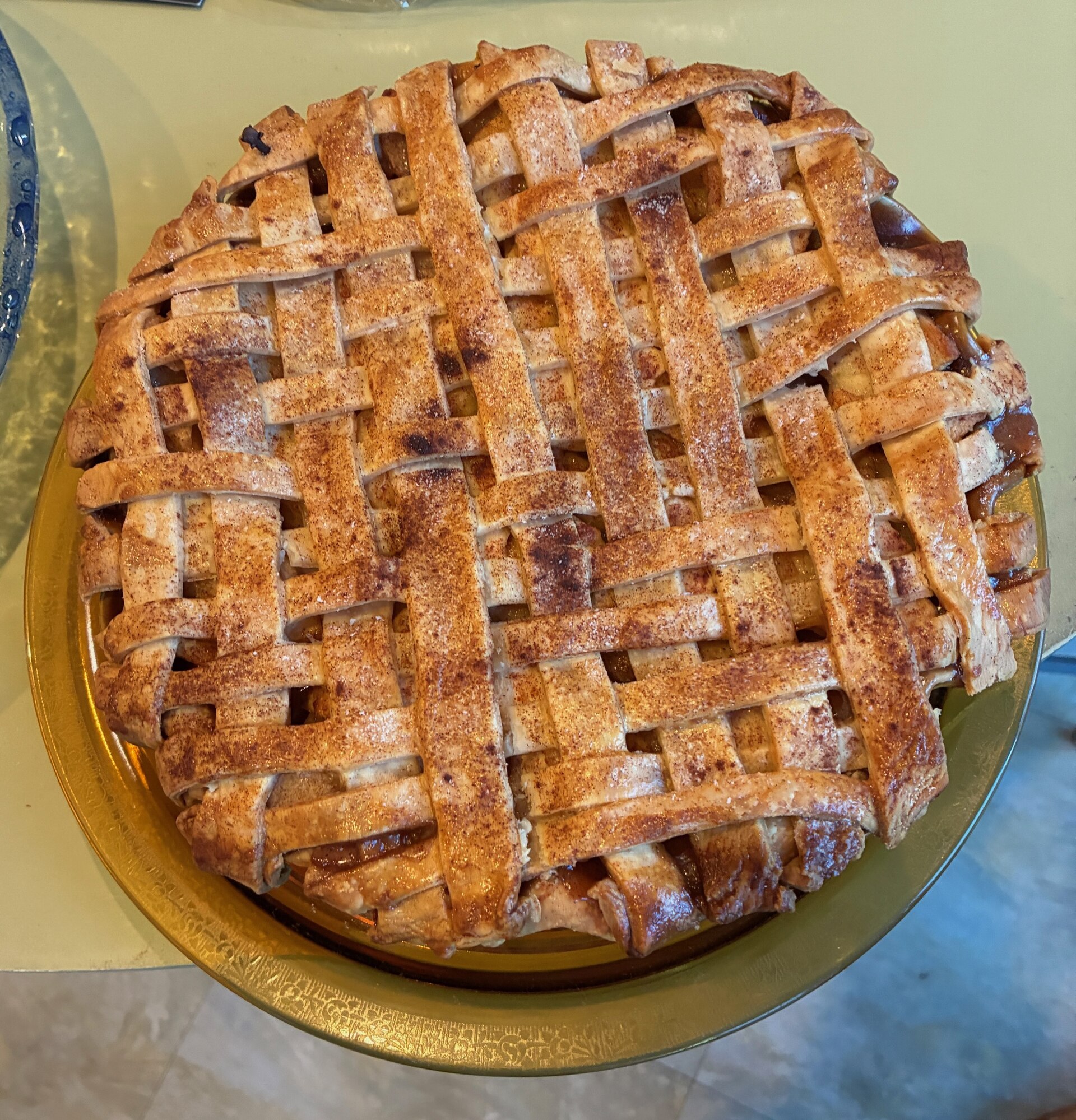
[A baked apple pie with a golden, flaky crust. Photograph: RoySmith]
Image Credits: Wikimedia Commons
Every pie recipe insists the butter must be cold, but few say why cold matters so much. The answer is a small piece of physics that happens inside the oven. Butter that goes in solid melts late, and as it melts, the water inside it turns to steam.
That steam pushes the layers of dough apart, leaving behind the thin, shattering sheets we call flakiness. Butter that goes in warm has already melted into the flour, so there is nothing left to make steam.
A food scientist put it plainly. "Once it's in the oven, that butter goes from solid to liquid, and the water that separates out turns to gas, which forms air pockets to create flake," Amy Rowat, a UCLA food scientist, told Popular Science in 2015. This article explains that steam-pocket mechanism in detail, why the size of the butter chunks matters, how cold dough also keeps gluten in check, how to keep everything cold through the whole process, and the flavor trade-off between butter and shortening.
The steam-pocket mechanism
Pie dough is a tug-of-war between two structures. Flour plus water builds a gluten network, which is elastic and chewy.
Fat interrupts that network, coating flour particles so gluten cannot fully form. Flakiness comes from interrupting the network unevenly: distinct pieces of solid fat suspended in the dough, surrounded by flour.
When the crust hits a hot oven, each suspended piece of butter melts in place. The water trapped inside the fat separates out and flashes to steam.
Steam takes up far more volume than liquid water, so each melting chunk becomes a tiny pressure pocket that lifts the dough above it. Rowat's description captures the sequence: solid to liquid, water to gas, air pockets to flake.
This only works if the butter is still solid when baking starts. If the butter melts during mixing, it coats the flour uniformly, and the dough bakes into a single dense structure. Pastry chefs describe that failure mode bluntly: over-mixed dough where the butter disappeared tastes fine but eats like a cookie, not a crust.
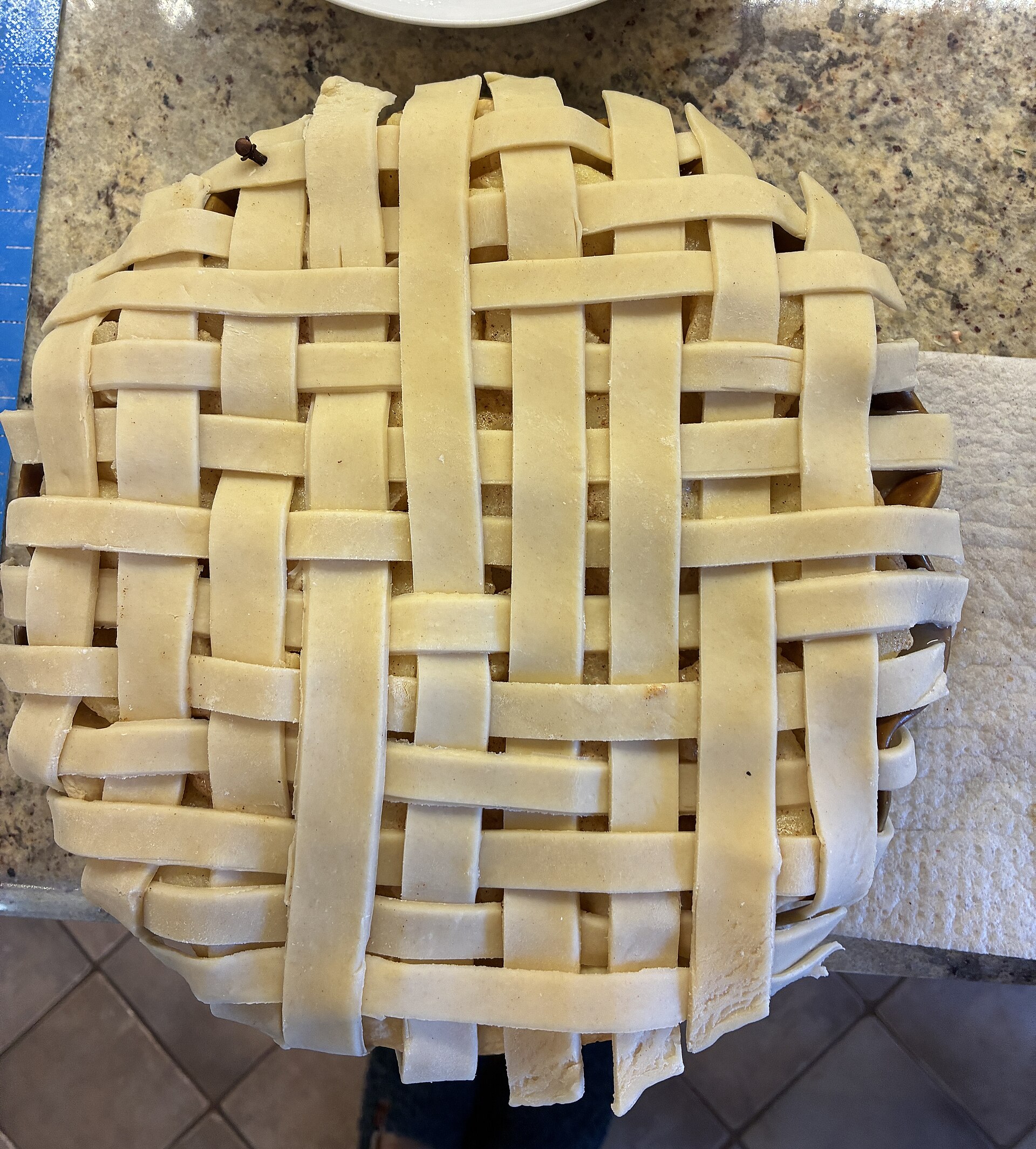
[An unbaked apple pie showing the raw dough crust before it goes into the oven. Photograph: RoySmith]
Image Credits: Wikimedia Commons
Why chunk size matters
Not all butter pieces do the same job. Small pieces create many tiny pockets, which read as tenderness.
Larger pieces create bigger, more dramatic flakes. The best crusts use both.
Rowat recommends a mix: mostly pea-sized chunks of butter worked through the flour, with some bigger pieces kept as well. The pea-sized pieces give an even, fine flake across the whole crust, while the occasional larger chunk produces the big shattering layers that make a crust memorable.
Uniformity is the enemy here. Dough that looks perfectly even has no large pockets left to form.
The cutting technique serves this goal. Whether you use a pastry cutter, two knives, your fingertips, or a food processor, the aim is the same: break cold butter into a range of chunk sizes and stop before the mixture looks like cornmeal. J.
Kenji López-Alt of Serious Eats takes a contrarian route, pulsing cold butter and flour in a food processor until the mixture is fairly fine, then mixing that with more dry flour. Popular Science notes the science checks out: the butter is still solid, and the flour-fat mixture plays the same pocket-forming role as discrete chunks. The chunk shapes differ, but the mechanism does not.
Cold dough also keeps gluten in check
Butter temperature is the headline, but water temperature is the quiet second variable. Gluten forms when flour proteins meet water, and more gluten means a chewier, tougher crust. Ice water limits how much gluten develops while you mix, which is why recipes specify it.
Vodka takes the same idea further. Water is necessary to bring the dough together, but alcohol provides moisture without promoting gluten formation the way water does. Popular Science, citing a Scientific American blog, notes that swapping some of the water for vodka keeps the dough workable while limiting toughness.
One caution travels with the trick: contrary to kitchen lore, alcohol does not fully "burn off" quickly. Sources on the subject note it can take hours of heat to remove all traces, so anyone avoiding alcohol entirely should know it is there, even in small amounts.
The handling rules follow from the same chemistry. Work the dough quickly, roll it without overworking, and chill it whenever it starts to feel soft. Resting the dough in the refrigerator for at least 30 minutes lets the gluten that did form relax and the fat firm up again, which also reduces shrinking in the oven.
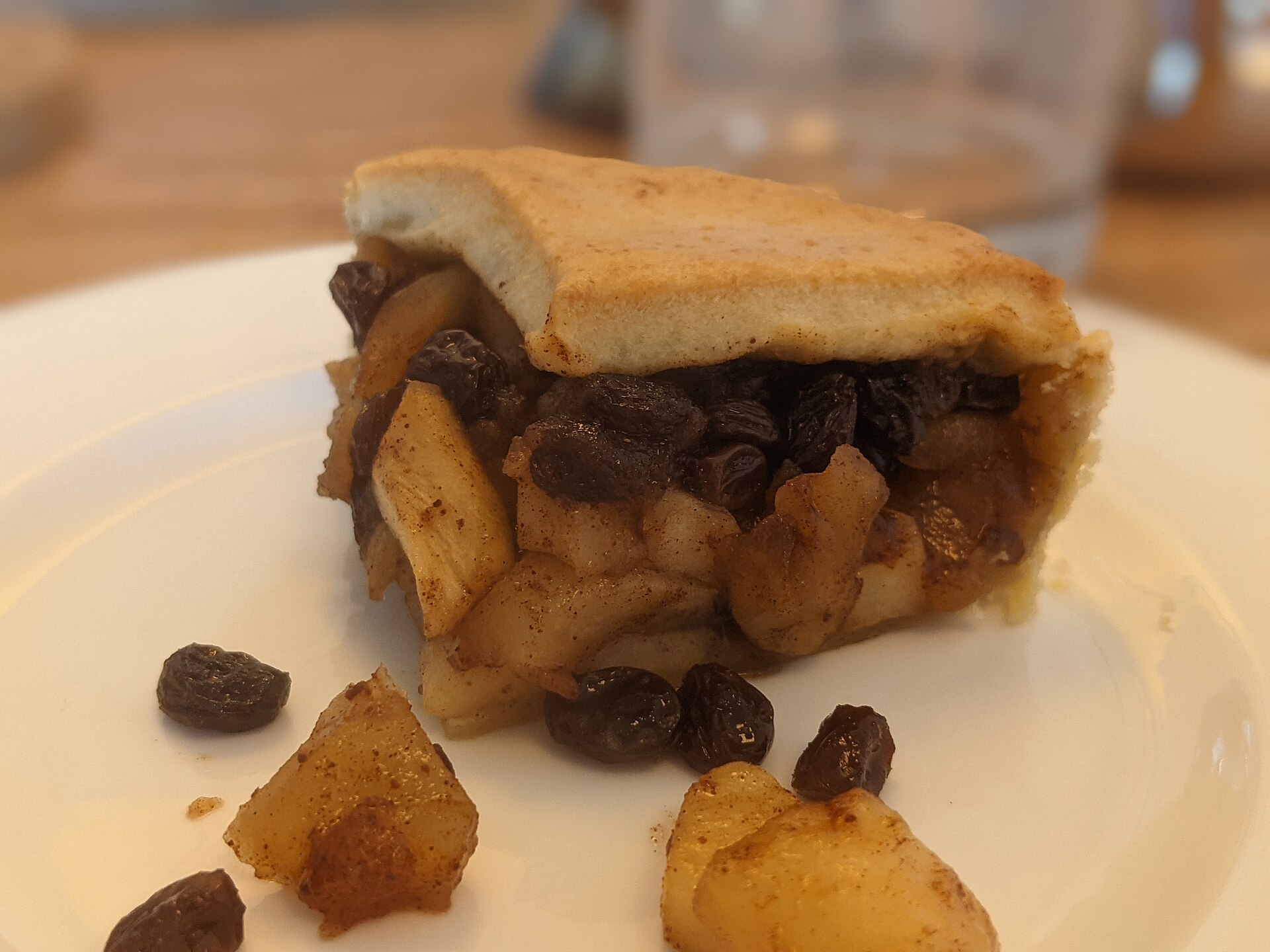
[A slice of apple pie showing the layered, flaky texture of the crust. Photograph: Shisma]
Image Credits: Wikimedia Commons
Keep everything cold, not just the butter
Butter straight from the refrigerator is only the start. French pastry chef Molly J.
Wilk, in her pie-crust master class tips, stresses that the whole environment matters: cold butter, ice-cold water, and chilling the dough at any point when it starts warming up. Her butter should be cold enough that pressing a finger into it leaves an indent easily, but not rock hard.
Hidden heat sources sabotage the effort, especially in warm kitchens. A countertop absorbs summer heat, and even the flour can be warm.
Serious Eats suggests cooling a hot counter with bags of ice water before rolling, and the fridge is a fine place to store flour when temperatures spike. Some bakers chill their tools too: the bowl, the pastry cutter, even the rolling pin.
Wilk also gives the ratio that keeps the structure balanced: flour to butter at 2 to 1 by weight. Her own recipe uses 1¾ cups (240 grams) of flour to 8½ tablespoons (120 grams) of butter for a single crust.
Puff pastry runs closer to 1 to 1, but a pie crust with that much fat would not hold a filling. The 2-to-1 ratio gives enough fat for steam pockets without turning the crust to crumbs.
Butter versus shortening: the flavor trade-off
All-butter crusts taste the best, and pastry chefs are unanimous on that point. But butter is temperamental. Its melting point is lower than shortening's, so it softens faster on a warm counter and demands more discipline about chilling.
Southern Living's pastry-chef troubleshooting guide frames the choice practically. An all-butter crust delivers the richest flavor. Replacing part of the butter with shortening produces dough that is easier to work with as it warms, because shortening stays solid at higher temperatures.
The compromise is flavor and, to some degree, flake: shortening contains no water, so it cannot make steam pockets the way butter does. A blended crust is more forgiving; an all-butter crust, kept cold, is flakier.
Lard sits in the same conversation for savory pies, with a similar steam-pocket mechanism, but the home-baking default remains butter for flavor and shortening for ease.
Frequently asked questions
Can I use a food processor for pie dough?
Yes, if you pulse rather than blend. Short pulses break the cold butter into chunks without melting it.
Stop while pea-sized pieces are still visible. Over-processing melts the butter into the flour and kills the flake.
Why did my crust shrink in the oven?
Shrinking usually means the gluten never relaxed. Chilling the shaped dough for at least 30 minutes before baking lets the gluten network loosen, and keeping the fat cold prevents the dough from slumping as it heats.
Does the butter need to be frozen?
Refrigerator-cold is the standard; some bakers cube the butter and give it ten minutes in the freezer before mixing. The goal is butter that stays solid through mixing and rolling. Frozen butter is harder to cut into chunks, so very cold from the fridge is the practical sweet spot.
What if my kitchen is hot?
Chill everything you can: the butter, the water, the bowl, and the dough between steps. Work quickly, and if the dough feels soft or greasy, stop and refrigerate it until the fat firms up again.
Is salted or unsalted butter better for pie crust?
Most pastry recipes call for unsalted butter so the salt level stays controlled; the standard addition is about a teaspoon of salt per double crust, which also aids browning. Either works if you adjust the added salt.
The bottom line
Flaky crust is steam engineering, not luck. Solid butter chunks survive mixing, melt in the oven, and turn their trapped water into pockets of steam that lift the dough into layers.
Keep the butter cold, keep the chunks varied, keep the water icy, and chill the dough whenever it warms. Do that, and the crust shatters the way it should.
Tags: pie crust, baking science, butter, pastry technique
Rive News is a research desk covering food science from named experts and published sources. Every mechanism above is cited to its source.
Related
- Why do onions make you cry? The kitchen chemistry explained
- Why do some cakes sink in the middle?
- Why does milk curdle when heated or mixed with acid: the science
- What is the difference between granulated and caster sugar?
Get one plain-English kitchen-science explainer each week: subscribe to the Rive News newsletter.
Standards: every claim traced to a named expert or published source; corrections welcomed and dated.
Related stories
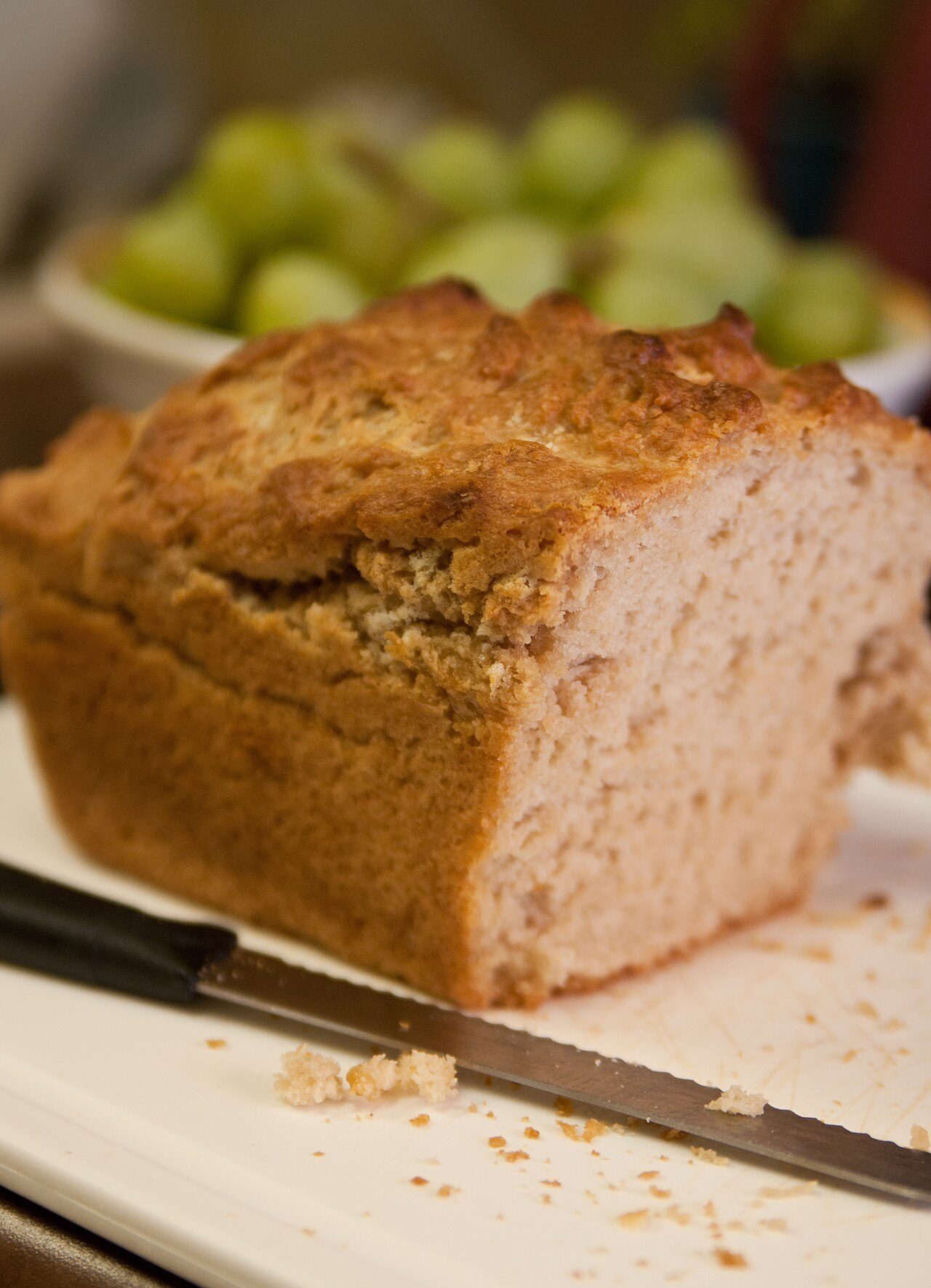
Why Does Bread Go Stale Faster in the Refrigerator?
Bread goes stale faster in the fridge because starch recrystallizes fastest near 4°C. Here is the retrogradation science and the right way
Baking soda and baking powder: what's the difference?
Baking soda is pure sodium bicarbonate; baking powder adds two dry acids for double-acting lift. Learn when to use each, plus exact
What Is the Maillard Reaction in Simple Terms?
The Maillard reaction is the browning chemistry between amino acids and sugars above 140 C that creates the crust, color, and rich flavor