
Why Does Hollandaise Split and How Do You Bring It Back?
Key takeaways
- Hollandaise is a warm oil-in-water emulsion held together by egg yolk lecithin.
- It splits from too much heat or butter added too fast; overheated egg proteins cannot be rescued.
- A fresh egg yolk whisked with the broken sauce rebuilds the emulsion in under two minutes.
Hollandaise is a warm oil-in-water emulsion stabilized by lecithin, the natural emulsifier in egg yolks. Tiny droplets of melted butter stay suspended in water from the yolks and lemon juice, and lecithin coats each droplet so they cannot merge.
When that delicate balance fails, the butter pools out and the sauce turns greasy and curdled. This article explains the two reasons hollandaise splits, how to prevent each, and the fresh-yolk method that brings a split sauce back.
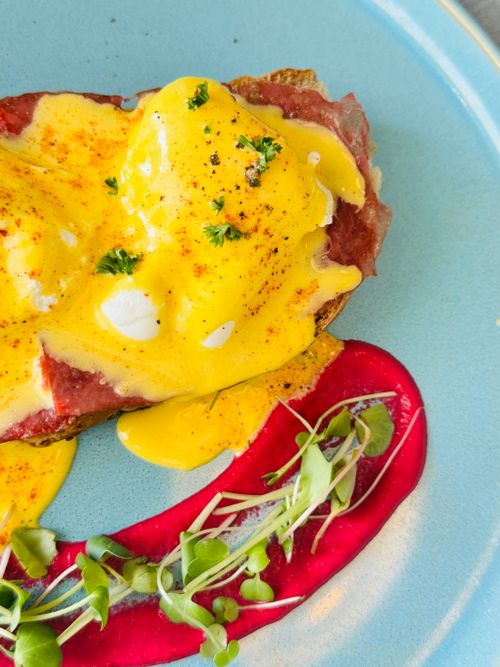
Image Credits: Pexels (free-use license)
How the emulsion works
An emulsion is a mixture of two liquids that normally refuse to mix. In hollandaise, the continuous phase is water and the dispersed phase is fat from the melted butter. Left alone, the fat droplets would coalesce and separate.
Lecithin in the egg yolks prevents that. Its molecules have a water-loving end and a fat-loving end, so they sit at the boundary of each butter droplet and keep the droplets from merging. Whisking breaks the butter into droplets small enough for the lecithin to coat.
This structure is fragile. Heat, speed, and acid imbalance can all knock it apart, which is why hollandaise has a reputation as a difficult sauce.
Why it splits: too much heat
The most common cause of a split is overheating. Egg proteins begin to coagulate as the temperature climbs. Once they seize, the emulsion collapses, and the sauce breaks into greasy pools with grainy curds.
The practical limit is strict. Consillar's hollandaise guide advises that the yolk mixture should never exceed 63°C (145°F) during preparation.
Food-science writers at LifeTips put the holding ceiling at 60°C (140°F). Above these temperatures, the proteins that hold the emulsion together cook, and no amount of whisking recovers the sauce.
This is why most recipes call for a double boiler with simmering, not boiling, water. Direct heat spikes the temperature before you can react. Constant whisking also matters because it keeps hot spots from forming at the bottom of the bowl.
If the sauce shows visible cooked egg pieces, it has scrambled rather than simply split. At that point it cannot be saved, and starting over is the only option.
Why it splits: butter added too fast
The second cause is adding the butter too quickly. The lecithin in the yolks can only coat new fat droplets as fast as they arrive. Pour in melted butter in a stream, and the emulsifier is overwhelmed before the emulsion ever forms.
The fix is patience. Add the butter in a thin, steady stream while whisking continuously, without stopping, until the mixture thickens and leaves a ribbon trail when the whisk is lifted. Clarified butter helps, because water in ordinary melted butter can destabilize the emulsion.
Adding more butter to a broken sauce makes things worse. More un-emulsified fat only deepens the separation. The repair is not more fat; it is a fresh emulsifier.
How to bring it back: the fresh-yolk method
If the sauce separates, act quickly. Remove it from the heat immediately.
Place a fresh egg yolk in a clean bowl with a teaspoon of cold water and a few drops of lemon juice. Set it over gentle heat and whisk until slightly thickened.
Then treat the broken sauce like melted butter. Whisk it into the fresh yolk very slowly, exactly as you added the butter in the original recipe.
The fresh yolk supplies new, unheated lecithin that re-coats the fat droplets and rebuilds the emulsion. In most cases the sauce comes back together in under two minutes.
Do not reheat during the repair. Heat deactivates the lecithin in the new yolk and risks scrambling it. Work below 60°C and whisk constantly.
First aid: the cold-water trick
For a mild split, there is a faster option. Whisk one to two teaspoons of cold water or lemon juice into the broken sauce, one drop at a time, until the emulsion re-forms. This works when the split is slight and the proteins have not yet cooked.
If the sauce still refuses to come together, move to the fresh-yolk method above. Both approaches work because they reintroduce functional emulsifier at a safe temperature, not because of extra whisking. Once egg proteins denature, mechanical force alone cannot restore the structure.
Whisking technique matters as much as temperature. Steady, even whisking keeps the yolk mixture moving so no single spot overheats on the double boiler.
Stop-and-start whisking lets the bottom of the bowl heat past the safe zone while you are distracted. A flexible spatula used between whisking passes can also scrape down the sides where hot spots form.
FAQ
Can I use a blender to fix split hollandaise?
A blender can work in a pinch by shearing the fat into smaller droplets, but it risks over-aerating the sauce and it still cannot fix proteins that have cooked. The fresh-yolk method gives a cleaner texture.
Should the lemon juice go in before or after the emulsion forms?
After. Food-science sources advise adding acid once the base emulsion is fully formed and off the heat, because acid added too early can unfold proteins prematurely and weaken the emulsion.
Why can't I just whisk harder over low heat?
Once the emulsion has collapsed, whisking harder only disperses the fat unevenly and whips in air, producing a grainy, unstable foam. The problem is missing emulsifier, not missing effort.
How long does rescued hollandaise keep?
Serve it within about ten minutes. Hollandaise is an egg-based sauce held warm, and its texture degrades quickly. Do not hold it above 60°C for long, and never reheat a rescued batch.
The bottom line
Hollandaise splits when heat cooks its egg proteins or when butter overwhelms its lecithin. Prevent both with gentle heat below 63°C and a slow butter stream.
If it breaks, a fresh yolk whisked with the split sauce rebuilds the emulsion fast. If you see scrambled egg, start over.
Latest in Food & Cooking
- Why baking powder makes cake rise without yeast
- Why pancakes come flat instead of fluffy
- How to keep avocados from turning brown
- How to tell if cooking oil has gone bad
Subscribe for one practical food-science explainer every morning.
Related stories
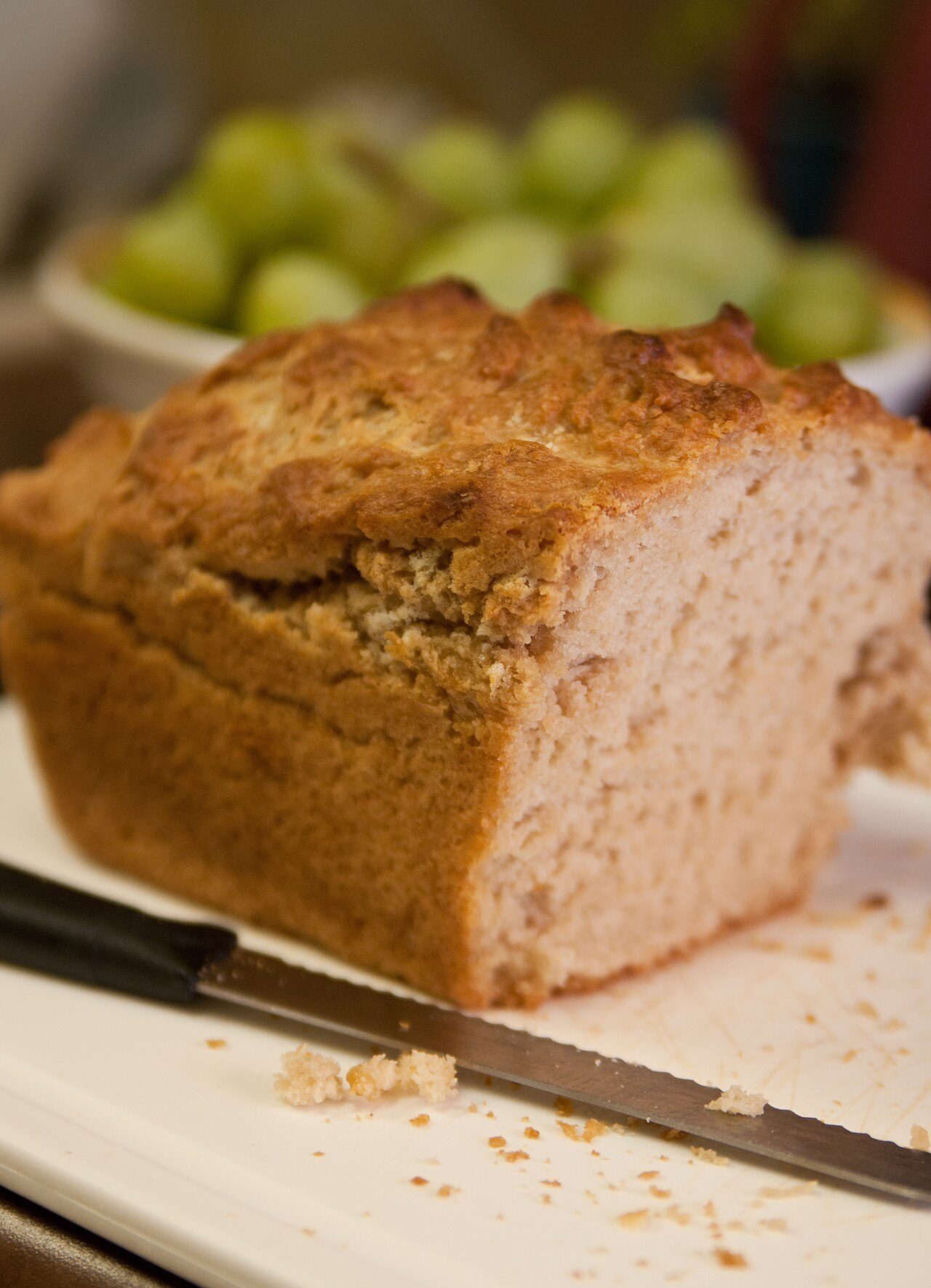
Why Does Bread Go Stale Faster in the Refrigerator?
Bread goes stale faster in the fridge because starch recrystallizes fastest near 4°C. Here is the retrogradation science and the right way
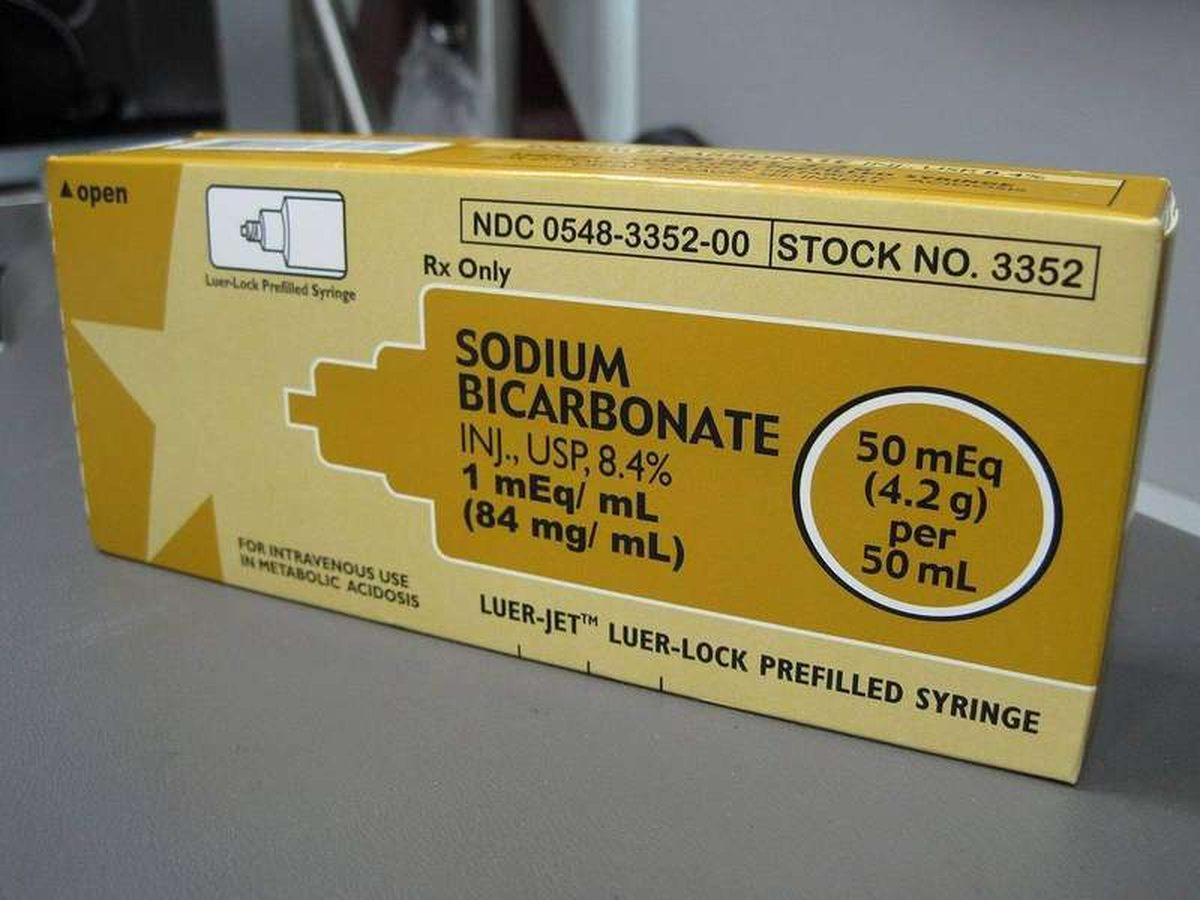
Baking soda and baking powder: what's the difference?
Baking soda is pure sodium bicarbonate; baking powder adds two dry acids for double-acting lift. Learn when to use each, plus exact
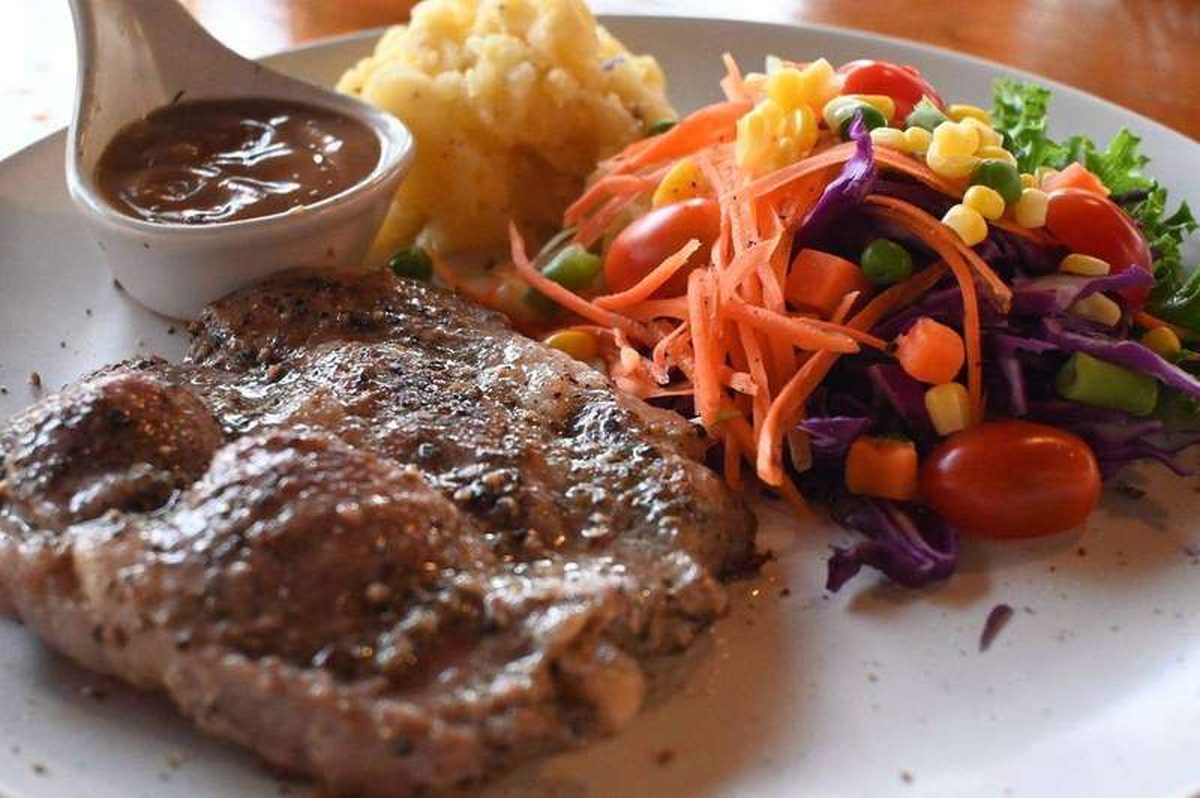
What Is the Maillard Reaction in Simple Terms?
The Maillard reaction is the browning chemistry between amino acids and sugars above 140 C that creates the crust, color, and rich flavor