
Why milk curdles when you add it to hot tea, explained
By Rive News / Research desk | Rive News / Published October 27, 2026 at 9:00 AM PKT
Key takeaways
- Milk curdles when its casein proteins lose the electrical charge that normally keeps them apart.
- Heat and acidity both attack that charge, and hot tea often supplies both at once.
- Fresh whole milk, gentle heat, and adding milk off the boil make curdling far less likely.

A cup of milk tea, smooth when the milk proteins stay stable. Photograph: the milk tea cup
Image Credits: Wikimedia Commons
Milk curdles in hot tea when its proteins clump together instead of staying evenly spread through the liquid. The result is the familiar grainy texture and separated look, even though the milk itself may be perfectly fresh.
This article explains what milk is made of, why heat and acid break it, why tea in particular causes trouble, why it happens sometimes and not others, and how to stop it.
What milk actually is
Milk looks like one uniform liquid, but it is really a mixture. NDTV Food describes it as an emulsion, a delicate blend of water, fat, and proteins, mainly casein and whey.
The casein proteins gather into tiny round clusters called micelles. These micelles carry a slight negative electrical charge on their surfaces, which makes them repel one another instead of sticking together.
That repulsion is the whole trick of liquid milk. As long as the micelles keep pushing apart, the milk stays smooth, and the fat droplets stay evenly spread through it.
Curdling is what happens when that repulsion fails. The micelles collide, stick, and form visible clumps, while the watery whey separates out around them.
Why heat and acid break the balance
Heat and acidity attack the same stabilising charge from different directions. Heat makes proteins unfold and lose their shape, while acid neutralises the negative charge that keeps micelles apart.
Bristol Museums' science archive explains that milk's natural pH sits between 6.5 and 6.7, slightly acidic. As acids lower the pH further, hydrogen ions neutralise the charge on the casein micelles, reducing their repulsion and letting them bond.
The tipping point is well documented. GoMa Meal Prep's kitchen-science summary puts curdling risk sharply higher when pH falls near or below 4.6, and when temperature rises above 85 degrees Celsius.
Hot tea delivers both triggers together. The water is near boiling, and tea itself is mildly acidic, so milk poured into a very hot cup faces heat and acid at the same moment.
That combination explains why cold milk can tolerate a splash of lemon juice, and why simmering milk alone usually survives, yet the two together cause curdling within seconds.
Why tea in particular causes trouble
Tea is not the most acidic drink in the kitchen, but it is acidic enough to matter when the milk is already near its limit. Black tea, lemon tea, and spiced chai all add acidity to the cup.
Sweeteners can tip the balance too. News18's food reporting notes that jaggery contains malic acid and other organic acids, which react with milk proteins in hot tea and cause curdling, while refined sugar contains no acids and leaves the milk undisturbed.
Ginger, stale spices, and poor milk quality can add further acidity, according to the same reporting. Each factor alone might be harmless, but stacked together they push the milk past its stable range.
Temperature shock plays a part as well. NDTV Food lists pouring cold milk into a very hot liquid as a cause, since the sudden change can make proteins seize up rather than blend smoothly.
Chai preparation order matters for the same reason. Milk added early and simmered gently with the tea behaves differently from milk splashed into a finished, boiling brew, since the heat and acid build up gradually rather than hitting the milk all at once.
Why it happens sometimes, not always
Age is the hidden variable behind many inconsistent results. As milk ages, its pH drops, so older milk sits closer to the curdling threshold before it ever meets the tea.
Fat content matters too. GoMa Meal Prep notes that whole milk is less prone to curdling than skim milk, since higher fat content helps stabilise the proteins.
The tea itself varies from cup to cup. A longer steep makes a stronger, more acidic brew, and a fresh pot at a rolling boil is hotter than a cup that has sat for a few minutes.
This is why the same carton can behave differently on different days. A fresh carton in warm, lightly brewed tea stays smooth, while an older carton in boiling, strongly brewed tea splits.
The pattern also explains a common kitchen mystery. A cup that curdled yesterday does not prove the milk was bad, since yesterday's tea may simply have been hotter, stronger, or more acidic than today's.
How to stop it happening
The simplest fix is temperature control. Let the tea come off a rolling boil before adding milk, and warm the milk slightly instead of pouring it fridge-cold into a near-boiling cup.
Use the freshest milk available, and prefer whole milk for hot drinks. Both choices keep the milk further from the acidity and stability limits that trigger curdling.
Add the milk gradually and stir as you pour. Gentle mixing avoids pockets of very hot, very acidic tea sitting against cold milk, which is where clumps often start.
If you sweeten with jaggery, add it after taking the tea off the heat, and avoid boiling the tea again afterwards. News18's reporting recommends exactly this order, since prolonged boiling after adding jaggery increases the chance of curdling.
If a cup does curdle, judge it by smell, not looks alone. Curdling from heat or mild acidity in fresh milk is a texture problem, while a sour smell means the milk was already spoiled and the cup should be discarded.
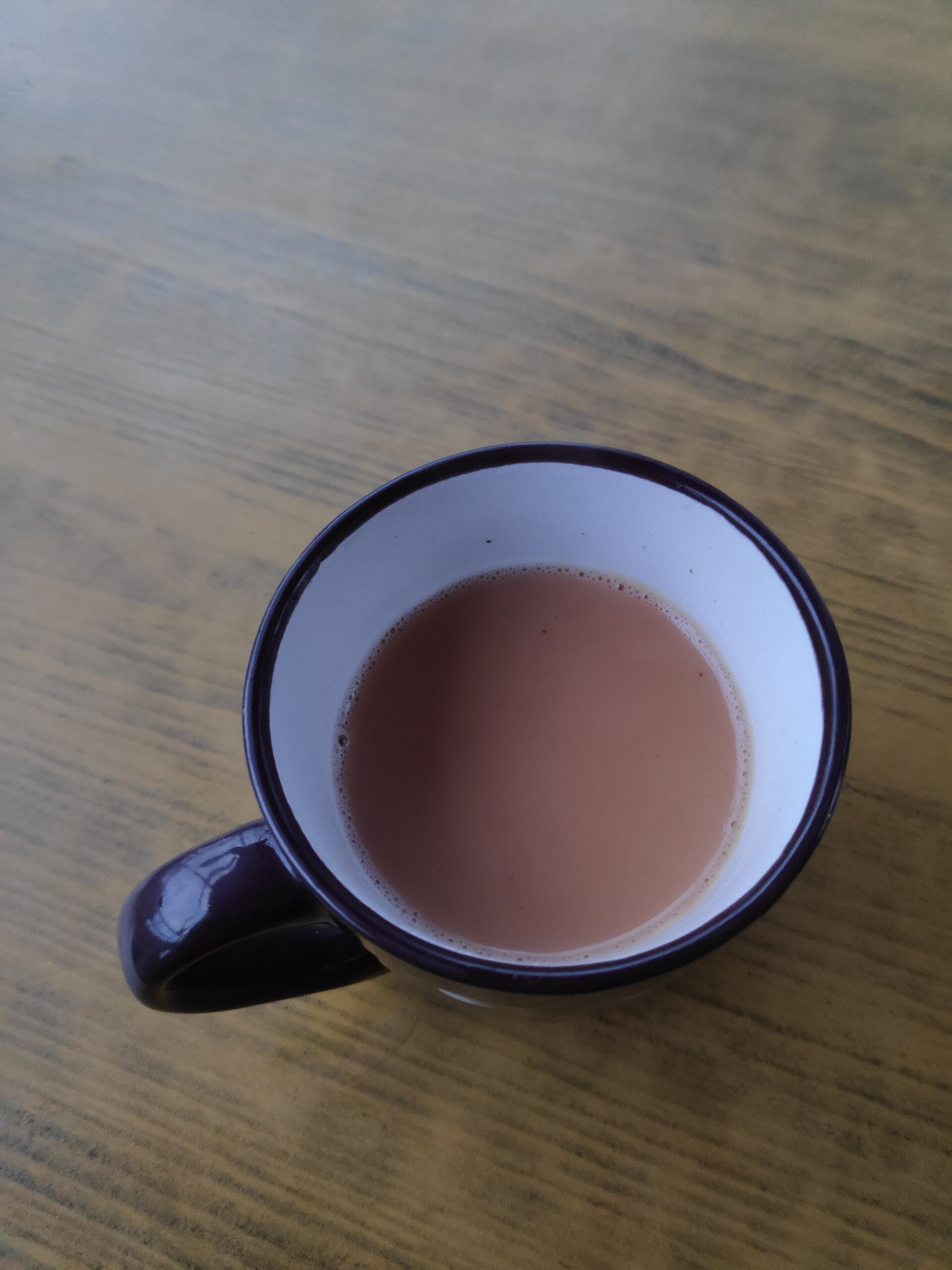
A cup of milk tea served in a glass, with the milk fully blended. Photograph: the milk tea glass
Image Credits: Wikimedia Commons
The bottom line
Milk curdles in hot tea because heat and acidity together switch off the charge that keeps its casein micelles apart. Once that charge is gone, the proteins clump into curds and separate from the whey. Knowing the mechanism makes the fix obvious rather than a matter of luck.
The fix follows directly from the cause. Use fresh whole milk, let the tea cool slightly from the boil, warm the milk, and stir it in gradually, and most cups will stay smooth.
Tags: milk, tea, kitchen science
Rive News's research desk covers kitchen science, drawing on food journalism, museum science explainers, and public cooking guides.
Related
- Why does milk curdle when heated or mixed with acid: the science
- Why cheese melts differently: mozzarella vs cheddar vs parmesan
- Why Chocolate Seizes When Water Touches It
- What Is the Difference Between Simmering and Boiling
Subscribe for one plain-English explainer each morning.
Rive News aims for accurate, sourced explainers; corrections are published when an error is confirmed.
Related stories
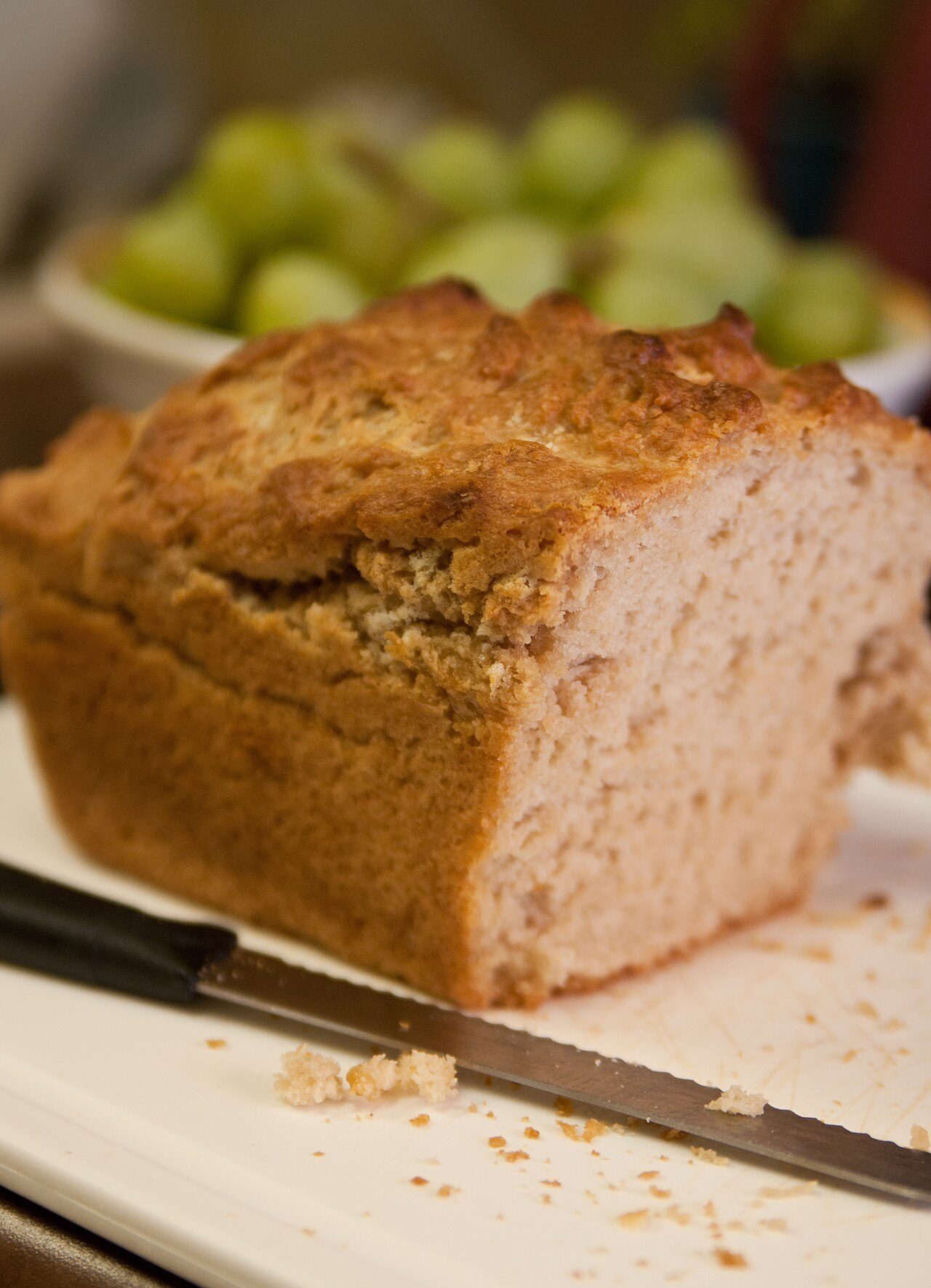
Why Does Bread Go Stale Faster in the Refrigerator?
Bread goes stale faster in the fridge because starch recrystallizes fastest near 4°C. Here is the retrogradation science and the right way
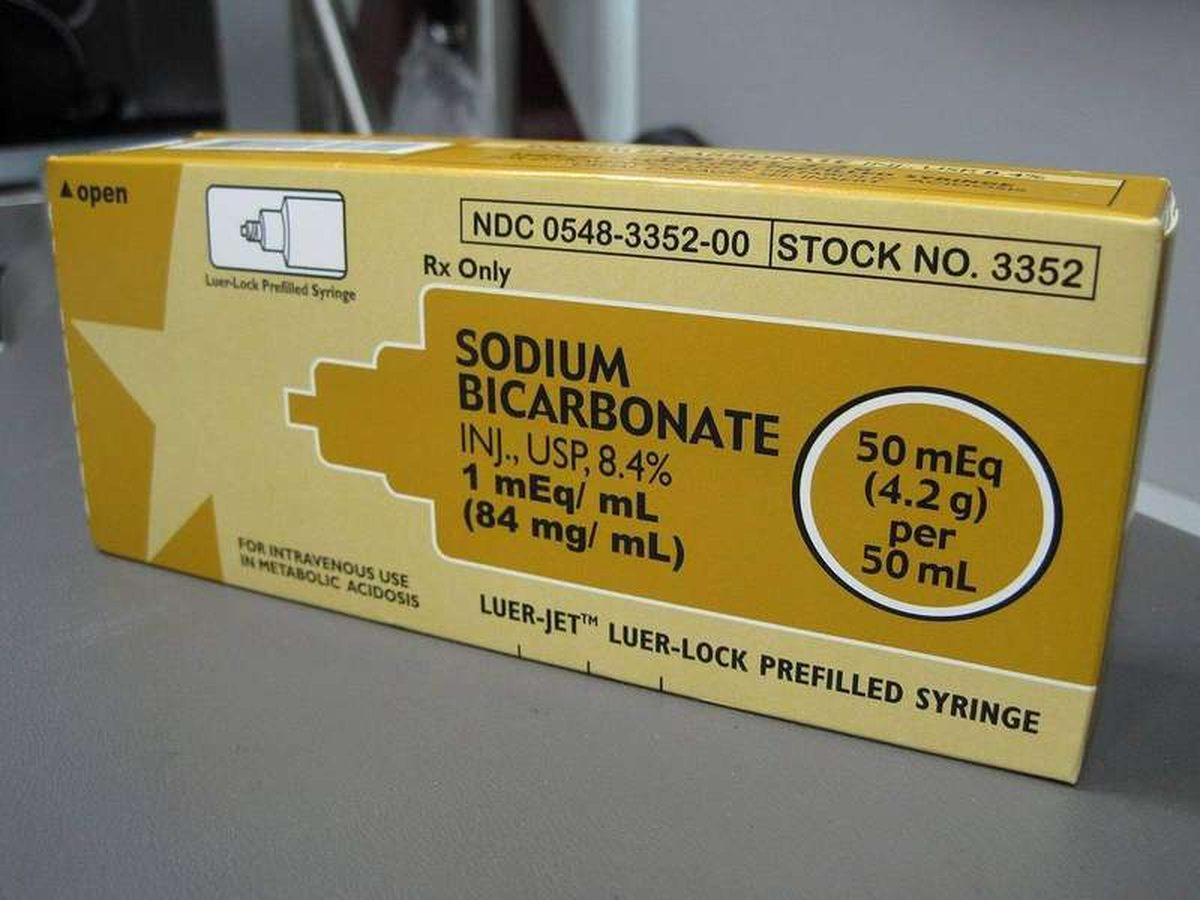
Baking soda and baking powder: what's the difference?
Baking soda is pure sodium bicarbonate; baking powder adds two dry acids for double-acting lift. Learn when to use each, plus exact
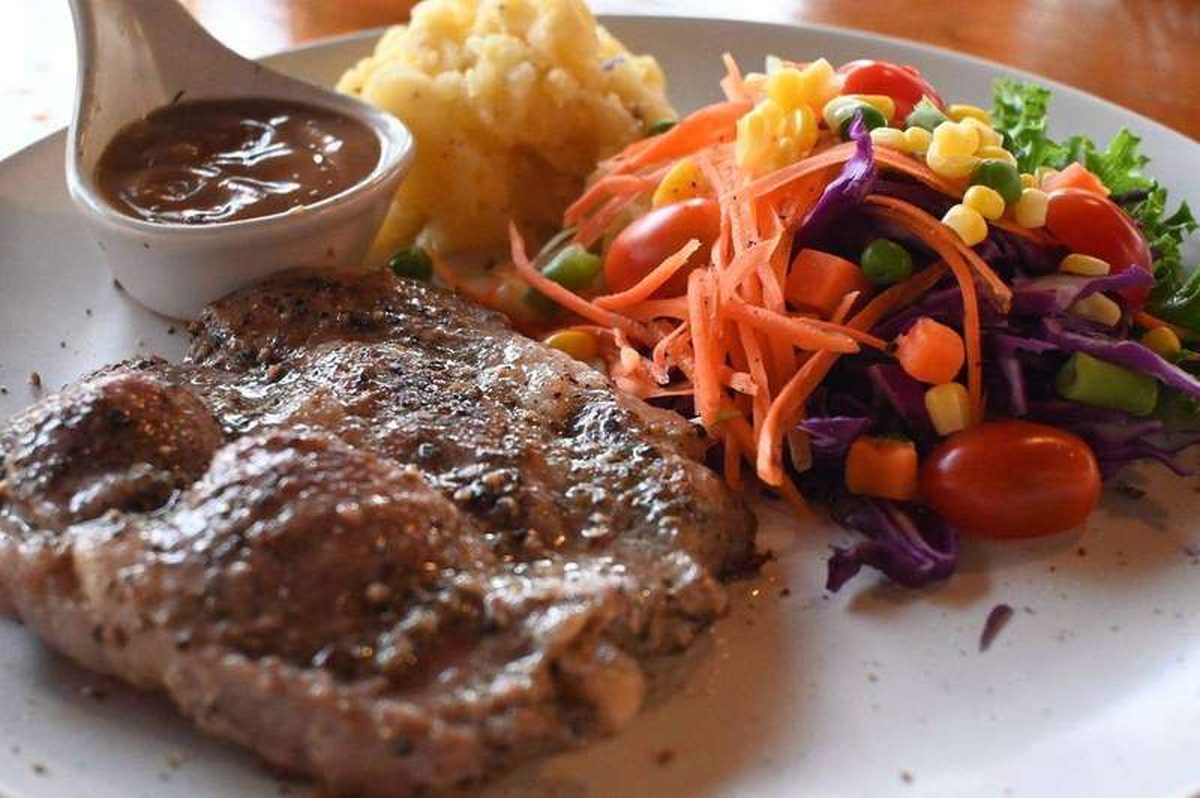
What Is the Maillard Reaction in Simple Terms?
The Maillard reaction is the browning chemistry between amino acids and sugars above 140 C that creates the crust, color, and rich flavor