
Why does milk taste sweeter when you warm it up?
Key takeaways
- Warm milk tastes sweeter because the heat-activated TRPM5 channel in taste buds fires more strongly between 15 and 35 C, amplifying the sweet signal.
- Milk's sugar is lactose, only about one-sixth as sweet as table sugar, so the faint signal needs warmth to come through.
- Gentle warming to around body temperature gives the sweetest result; boiling adds no sugar and can flatten the flavor.
Warm milk is not actually sweeter than cold milk. The lactose in the carton stays exactly the same no matter what temperature you serve it at. What changes is your tongue.
Your sweet taste buds contain tiny ion channels that respond to heat. Between roughly 15 and 35 degrees C, those channels amplify the sweet signal, so the same milk reads as noticeably sweeter. This article explains the lactose behind milk's faint sweetness, how heat-activated taste channels work, why cold dulls the flavor, and how hot is too hot.
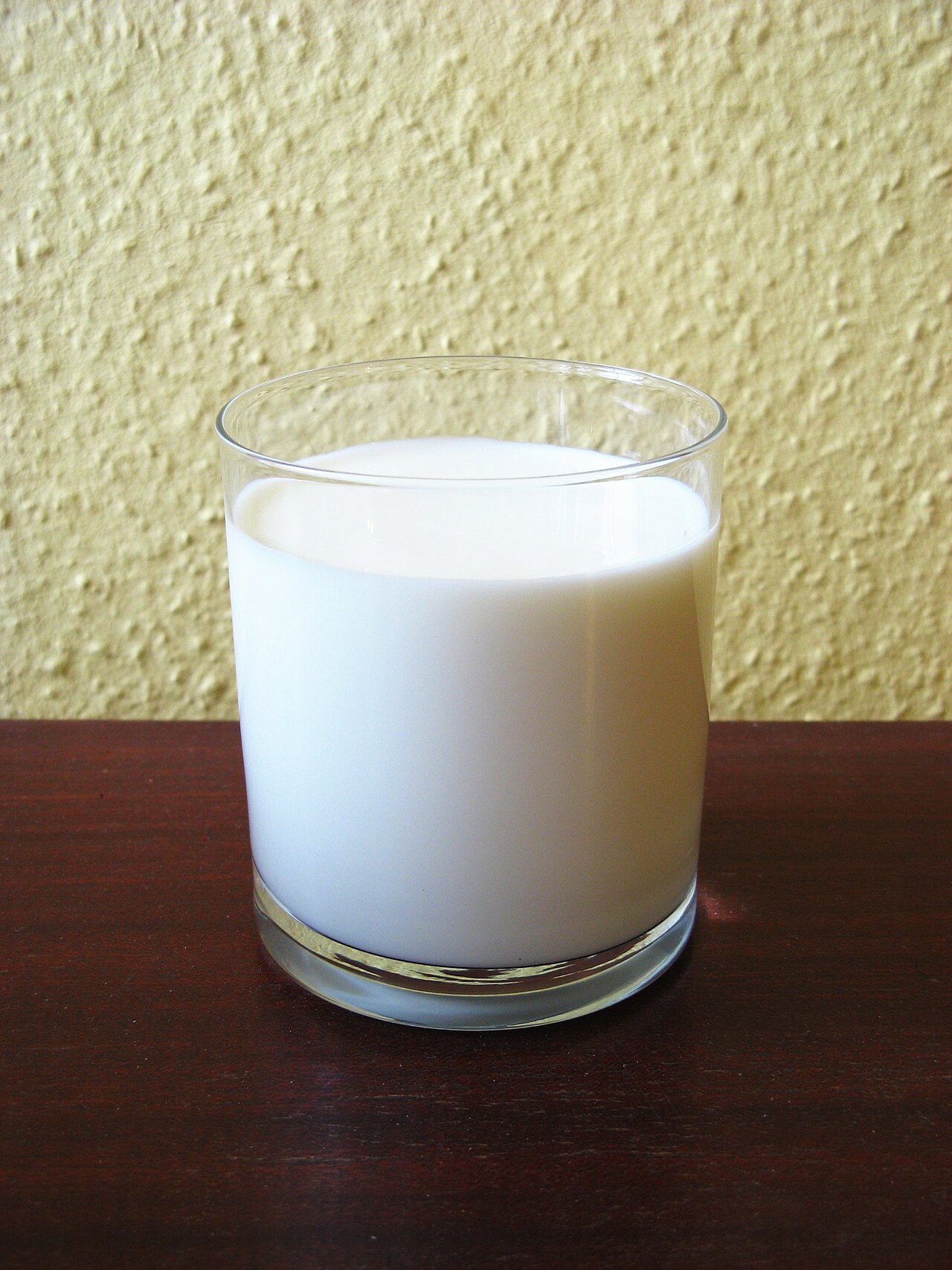
A simple glass of milk. Photograph: Ludek
Milk's sweetness comes from lactose, a quiet sugar
Milk contains about 4.8 percent lactose, the sugar unique to milk and dairy. Lactose is a disaccharide built from two simpler sugars, glucose and galactose, joined by a chemical bond.
It is a notably shy sugar. Lactose is roughly one-sixth as sweet as sucrose, the table sugar used as the sweetness benchmark. That is why plain milk tastes only faintly sweet, even though it carries a real load of sugar.
This faintness matters. When a sweet signal is already quiet, small changes in how your taste buds receive it become easy to notice. Temperature is one of the biggest levers, which is why the warm-versus-cold difference shows up so clearly in milk but barely registers in a soda loaded with sugar.
Your sweet-sensing channels are switched on by warmth
The key discovery came from a 2005 study published in the journal Nature. A team led by Karel Talavera in Leuven found that TRPM5, an ion channel inside sweet-sensing taste cells, is strongly heat-activated. Electrical currents through the channel rose steeply as temperature climbed from 15 to 35 degrees C.
The effect showed up in living nerves too. Warming the sweet solution from 15 to 35 degrees C markedly boosted the gustatory nerve response in normal mice, but the boost vanished in mice genetically lacking TRPM5. The channel, the paper concluded, works like a coincidence detector that pairs sugar with heat.
Later work mapped the sweet spot more precisely.
In 2014, Wilson and Lemon recorded from sweet-tuned neurons in the mouse brainstem. Responses to sucrose solutions from 0.05 to 0.56 molar were largest when warmed to 30 degrees C, beating cool, room-temperature, and hotter presentations.
Cold turns the volume down on sweetness
The TRPM5 effect runs in both directions. Chilling milk below about 15 degrees C quiets the channel, so the sweet signal arrives weaker even though the lactose is unchanged.
Cold also numbs the tongue slightly, which further blunts flavor. That is why milk straight from the fridge can taste almost watery compared with the same milk at room temperature.
Temperature can even create a hint of sweetness from nothing. In experiments reported in Nature in 2000, Barry Green of Yale found that warming the tip of a cooled tongue from 20 to 35 degrees C produced a sweet sensation in some volunteers.
About two-thirds of the people tested experienced at least one such thermal taste. The brain, it seems, partly reads rising warmth itself as sweetness.
Kitchen experience lines up with this science. Cooks warming milk for a sauce or a hot drink often notice the base tastes sweeter before any sugar goes in. It is the same reason chillies seem to burn hotter when everything else in the dish is warm: temperature is not just background, it is part of the signal.
Too hot stops helping
More heat is not better without limit. The TRPM5 boost plateaus around body temperature, and other parts of the taste machinery respond differently at high heat. Bitterness, for instance, follows an inverted U-shaped curve with temperature, peaking around 20 to 30 degrees C and falling off at higher heat, according to Green's 2017 study of caffeine and quinine.
Practically, milk warmed gently to about 35 to 40 degrees C tastes at its sweetest.
Bring it to a full boil and you gain no sweetness. You can actually lose flavor: overheating drives off delicate aroma compounds, and sugars and proteins start browning reactions that push the flavor toward cooked and caramel notes rather than clean sweetness. Anyone who has cracked an egg into rolling boil water knows how hard heat can punish delicate food.
Steam adds its own small effect. Warm liquids release more aroma, and the nose contributes heavily to what we call flavor.
A warm mug of milk smells more like milk than a cold glass does, and that fuller aroma reinforces the impression of sweetness. Dried herbs show the mirror image: lose the volatile aromatics and the flavor collapses even when the chemistry on paper is unchanged.

Warm milk in a cup. Photograph: Gaurav Dhwaj Khadka
Frequently asked questions
Does warming milk actually add sugar to it?
No. Warming changes nothing about the lactose content.
The roughly 4.8 percent lactose stays exactly the same, so the sweetness difference is entirely about how your taste buds report the sugar, not the sugar itself.
What temperature makes milk taste sweetest?
Around 30 to 40 degrees C, close to body temperature. That is the range where the TRPM5 channel is most active and sweetness signals are strongest. Serve it much hotter and you add no sweetness while risking a cooked flavor.
Why does cold milk taste bland or watery?
Cold quiets the heat-activated channels that carry sweet signals, so the faint lactose sweetness drops below notice. A cold tongue is also slightly less sensitive in general, which flattens aroma and mouthfeel at the same time.
Is this why ice cream needs so much sugar?
Exactly. Because cold suppresses sweetness perception, frozen desserts need far more sugar to taste sweet than a room-temperature food would. Warm the same recipe up and it would taste overwhelmingly sweet.
The bottom line
Milk tastes sweeter warm because your taste buds are built to hear sweetness better at warmth. The TRPM5 channel amplifies the sweet signal between about 15 and 35 degrees C, letting milk's faint lactose come through. Warm a cup gently to around body temperature if you want the effect; boiling adds nothing but a cooked flavor.
Image Credits: Wikimedia Commons / Ludek, Gaurav Dhwaj Khadka
Latest in Food & Cooking
- Why does bread have a crust?
- Why do chillies burn your mouth?
- Why do eggs crack when you boil them?
- Why do herbs lose flavour when dried?
Subscribe to the Rive News newsletter for one science-backed kitchen explainer every morning.
---
Related stories
Why Does Bread Go Stale Faster in the Refrigerator?
Bread goes stale faster in the fridge because starch recrystallizes fastest near 4°C. Here is the retrogradation science and the right way
Baking soda and baking powder: what's the difference?
Baking soda is pure sodium bicarbonate; baking powder adds two dry acids for double-acting lift. Learn when to use each, plus exact
What Is the Maillard Reaction in Simple Terms?
The Maillard reaction is the browning chemistry between amino acids and sugars above 140 C that creates the crust, color, and rich flavor