
Why does minced garlic burn so fast and turn bitter?
Key takeaways
- Minced garlic burns fast because its tiny pieces hold less water and more sugar than most vegetables, so pan heat browns them in seconds.
- Mincing ruptures garlic's cells, releasing the enzyme alliinase that creates allicin, its sharp flavour compound, which breaks down under high, direct heat.
- Cook minced garlic for 30 to 60 seconds over moderate heat, add it late, keep it moving, and quench the pan with liquid to stop it burning.
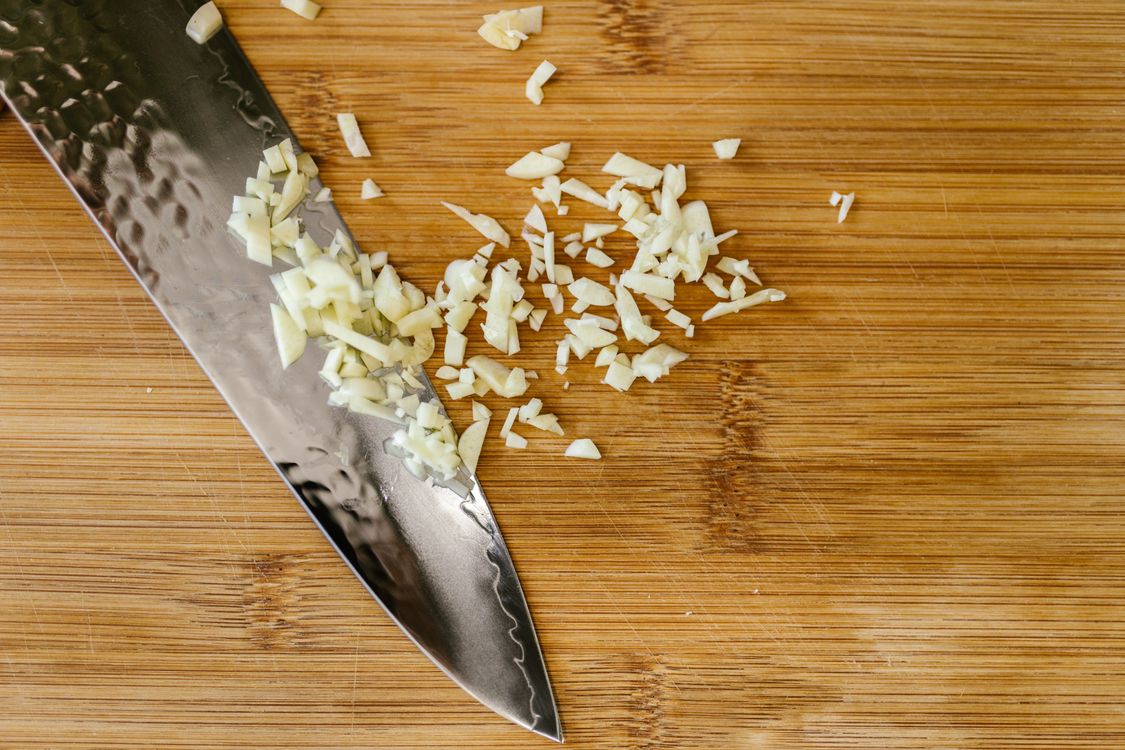
Minced garlic is garlic cut into pieces only a few millimetres across. The cutting ruptures cell walls, freeing the enzyme alliinase, which converts the compound alliin into allicin, the pungent chemical behind raw garlic's bite.
In a hot pan, that small size turns into a liability. Every fragment has a large surface area and almost no water, so heat reaches the centre within seconds and its sugars brown while larger vegetables are still warming up.
This article explains why minced garlic scorches before everything else, what heat does to its water, sugar and sulfur compounds, and how to keep it sweet instead of bitter, plus answers to the questions home cooks ask most.
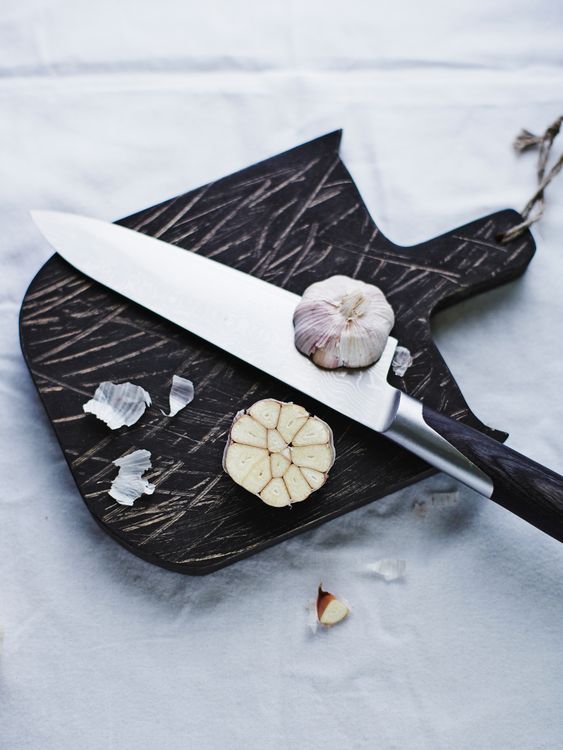
Why minced garlic scorches before everything else
Geometry is the first culprit. A minced fragment has so little mass that a hot pan drives its temperature up almost instantly, while a slice of onion or carrot spends its first minute sweating out water.
Composition is the second. Garlic carries less water and more sugar than the onions it usually cooks beside, according to America's Test Kitchen, and those sugars start browning the moment they get hot. It is the same browning chemistry that gives bread its crust, just happening at a fraction of the scale and speed.
The kitchen is full of these mismatched cooking speeds. Vegetables that release water buy themselves time, because evaporating moisture pins the pan's temperature near boiling point until it is gone. Garlic, already low in moisture, has almost no such buffer.
Chowhound's food-science explainer adds another wrinkle: garlic stores its sugars as long fructose chains, so each clove is sweeter than it tastes, and its low water content means nothing slows the browning. Mincing multiplies the effect, because every new cut face is another surface the heat can attack.
America's Test Kitchen gives the safe window as 30 to 60 seconds of sautéing before liquid or other ingredients join the pan. Past that point, the same article warns, the garlic is likely to burn and turn acrid and bitter. That narrow window is why recipes keep saying to add the garlic last.
What heat does to garlic's water, sugar and sulfur
The first thing heat does is finish driving off the little water garlic holds. Once that water is gone, the fragment's temperature climbs past the boiling point fast, and browning accelerates.
Garlic's sugars then follow the familiar sequence: caramelization first, which is sweet and nutty, then carbonization, which is black and bitter. In a pan at full heat there is barely any time between the two stages, which is why the line between golden and ruined feels razor thin.
The sulfur chemistry makes the fall worse. Mincing triggers alliinase, the enzyme that produces allicin, and that pungent compound is exactly what heat breaks down. Tasting Table notes that garlic's sharpness intensifies the more its cells are broken, but that pungency dissipates almost as soon as the pieces hit pan heat.
When garlic burns, the bitterness comes from the breakdown of those sulfur compounds and the formation of new byproducts, according to ChefsResource. The high, dry heat also denatures alliinase itself, shutting down any further allicin production.
Raw garlic's pungency is, in a sense, a chemical burn too, not unlike the sting that makes chillies burn your mouth. Heat transforms that sharpness into something mellow and complex, but only if it stops before carbonization.
That mellow transformation is worth chasing. America's Test Kitchen points out that a brief sauté lets garlic's sugars and amino acids run through the Maillard reaction, producing flavours that raw garlic dropped into a bubbling stew can never match.
How to keep garlic sweet instead of bitter
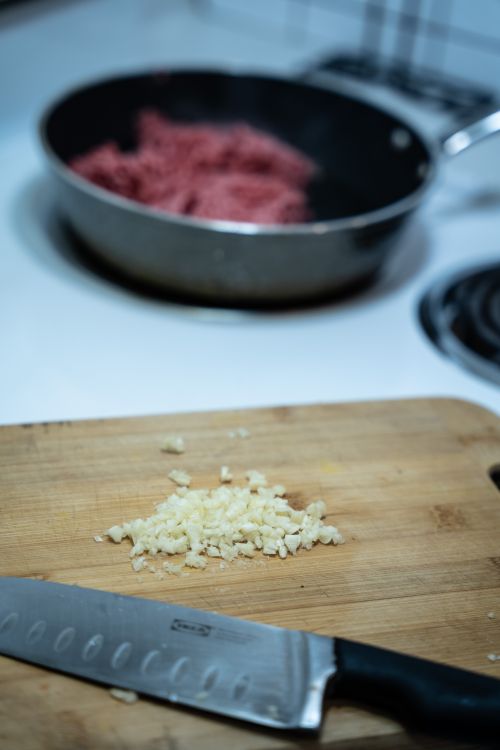
The single most effective move is timing. Add minced garlic near the end of sautéing, let it go fragrant for 30 to 60 seconds, then add liquid, tomatoes, or the next vegetable. The incoming moisture drops the temperature and freezes the browning where you want it.
Keep the heat moderate rather than fierce. When minced garlic goes into oil, you want a gentle, steady sizzle; a violent, angry crackle means the oil is too hot for it. Garlic's low moisture is the same reason dried herbs lose their flavour, and it leaves no margin for overheating.
Keep the pieces moving. Stirring or tossing exposes every fragment to the pan in turns instead of letting one side sit on the hot metal and carbonize. A flat layer of mince left alone in a ripping-hot skillet is the classic way to wreck it.
Choose the cut, and know when to start over
Consider the cut. If garlic needs to go in early with onions, use whole or smashed cloves, which brown slowly thanks to their internal water, and stir minced garlic in later for the fresh punch. The two forms behave like different ingredients.
For gently infusing oil, try the cold start: put minced or sliced garlic in cold oil, then warm the pan slowly, stirring, until the pieces turn a delicate gold. Chowhound credits this counterintuitive method with protecting the garlic, since the oil shields the sugars from direct, harsh heat.
If the garlic does burn, accept the loss and start over. Scorched garlic's bitterness spreads through the oil and coats everything, and no amount of extra ingredients will lift it. Kitchen temperature control matters as much here as when figuring out why eggs crack when you boil them: sudden, excessive heat is the enemy.
FAQ
How fast can minced garlic burn in a hot pan?
Within 30 to 60 seconds, according to America's Test Kitchen. On a genuinely hot pan the window can be even shorter, which is why garlic goes in last and the cook stays at the stove.
Why does burnt garlic taste bitter instead of just smoky?
Carbonization turns garlic's sugars into blackened, bitter solids, and high heat breaks its sulfur compounds into harsh byproducts. ChefsResource traces the acrid flavour to that sulfur breakdown rather than to ordinary smokiness.
Is burnt garlic dangerous to eat?
It is not acutely toxic, according to ChefsResource. It is, however, unpleasant and acrid, and it can taint the whole dish, so discarding it is the sensible move rather than eating around it.
Why doesn't garlic burn when it simmers in soup?
In soup, the liquid caps the temperature near boiling point, so the garlic cannot reach the temperatures where browning and carbonization happen. That is also why simmered garlic stays mild rather than developing roasted sweetness.
Should garlic go into the pan before or after onions?
After, with very few exceptions. Onions need minutes to soften and release their water, while garlic needs less than a minute. Adding it early means it finishes cooking long before the onions do.
The bottom line
Minced garlic burns fast because it is small, dry, and sugary, and it turns bitter when its sugars carbonize and its sulfur compounds break down. Respect the 30-to-60-second window, add it late, keep the heat moderate, and keep it moving. The next pan will smell sweet and golden instead of acrid.
Image Credits: Pexels / RDNE Stock project, apertur 2.8, Electra Studio
Latest in Food & Cooking
- Why does bread have a crust?
- Why do chillies burn your mouth?
- Why do eggs crack when you boil them?
- Why do herbs lose flavour when dried?
Subscribe for one practical food-science answer in your inbox every morning.
Related stories
Why Does Bread Go Stale Faster in the Refrigerator?
Bread goes stale faster in the fridge because starch recrystallizes fastest near 4°C. Here is the retrogradation science and the right way
Baking soda and baking powder: what's the difference?
Baking soda is pure sodium bicarbonate; baking powder adds two dry acids for double-acting lift. Learn when to use each, plus exact
What Is the Maillard Reaction in Simple Terms?
The Maillard reaction is the browning chemistry between amino acids and sugars above 140 C that creates the crust, color, and rich flavor