
Why pasta sticks together after draining and how to stop it
By Rive News / Research desk | Rive News / Published October 27, 2026 at 9:00 AM PKT
Key takeaways
- Pasta sticks because gelatinised starch on its surface turns tacky as water evaporates after draining.
- The worst sticking happens when pasta sits dry in a colander while the sauce is still being finished.
- Moving pasta straight into sauce, or tossing it with reserved pasta water, keeps strands separate.
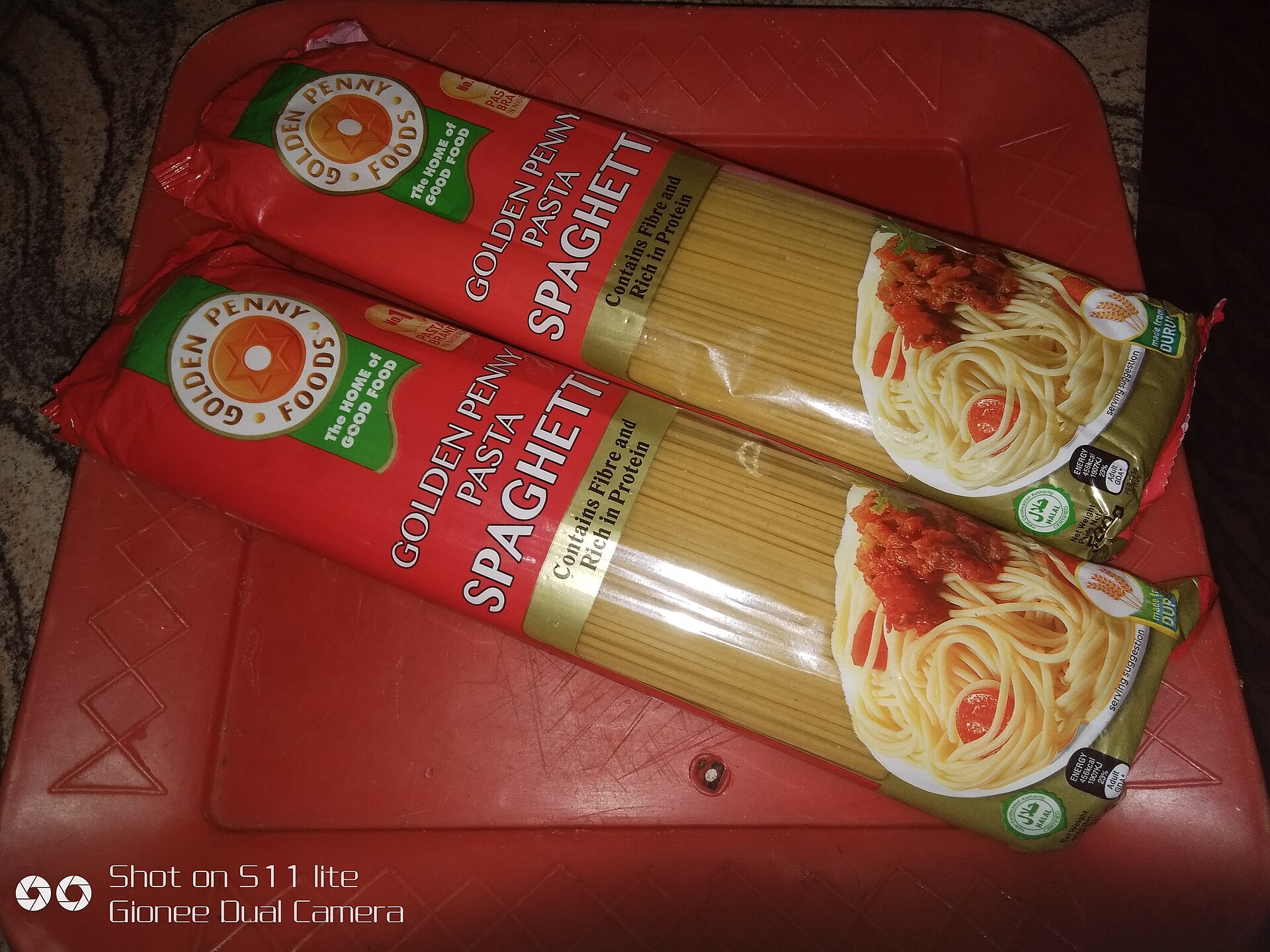
[A plate of spaghetti, where the strands stayed separate because they went straight into sauce.] Photograph: Wikimedia Commons contributor
Image Credits: Wikimedia Commons
Pasta sticking together after draining is the moment when separate strands fuse into a single starchy clump in the colander. It happens fast, often within a minute or two of draining, and it can ruin a dish that was cooked perfectly until that point.
The cause is starch, not bad pasta. Dried pasta is mostly starch and protein, and boiling changes the starch in ways that make the surface sticky at exactly the wrong moment.
This article explains what sticking actually is, why draining triggers it, what makes it worse, how to keep pasta separate, when rinsing is right, and how to rescue a clump.
What sticking actually is
When dried pasta hits boiling water, its outer layer hydrates quickly and releases starch into the water. Two starch molecules are involved: amylose, which dissolves readily, and amylopectin, which swells and thickens.
As the pasta cooks, these starches gelatinise, meaning they absorb water, swell and burst, forming a sticky coating on the surface of each strand. While the pasta is still submerged, that coating stays fluid and harmless, because water keeps the strands apart.
The problem starts when the water goes away. The Cooking Books explains that the starch released during cooking can create a sticky film on the surface of the noodles, and that film binds strands together when they sit undisturbed after draining.
Why draining triggers it
Draining removes the water that was keeping strands apart, and evaporation does the rest. ChefsResource describes the sequence plainly: pasta begins to stick the moment the surface water evaporates, leaving behind a tacky layer of gelatinised starch.
That tacky layer acts like a weak glue wherever two strands touch. The longer the pasta sits, the more water evaporates and the firmer the bond becomes, which is why a colander left for five minutes produces a far worse clump than one left for thirty seconds.
Heat speeds the process along. Warm strands keep evaporating surface water, and warm starch sets more firmly than cool starch, so pasta left steaming in a colander is in the worst possible state for staying separate.
What makes it worse
Crowding the pot is the first amplifier. When pasta cooks in too little water, the starch concentration in that water climbs, and the cooking liquid itself turns glue-like, coating every strand more thickly.
ChefsResource recommends at least 4 to 6 quarts of water for every 1 pound of spaghetti. That volume dilutes the starch and gives the noodles room to circulate instead of bunching together.
Overcooking is the second amplifier. The Dough Academy notes that pasta cooked for too long becomes overly soft and releases more starch, and overcooked pasta has a greater tendency to stick together when cooled.
Skipping the early stir is the third. ChefsResource advises stirring vigorously during the first 60 seconds after the pasta goes in, because that is when the surface starch is most active and the strands are most likely to settle against each other.
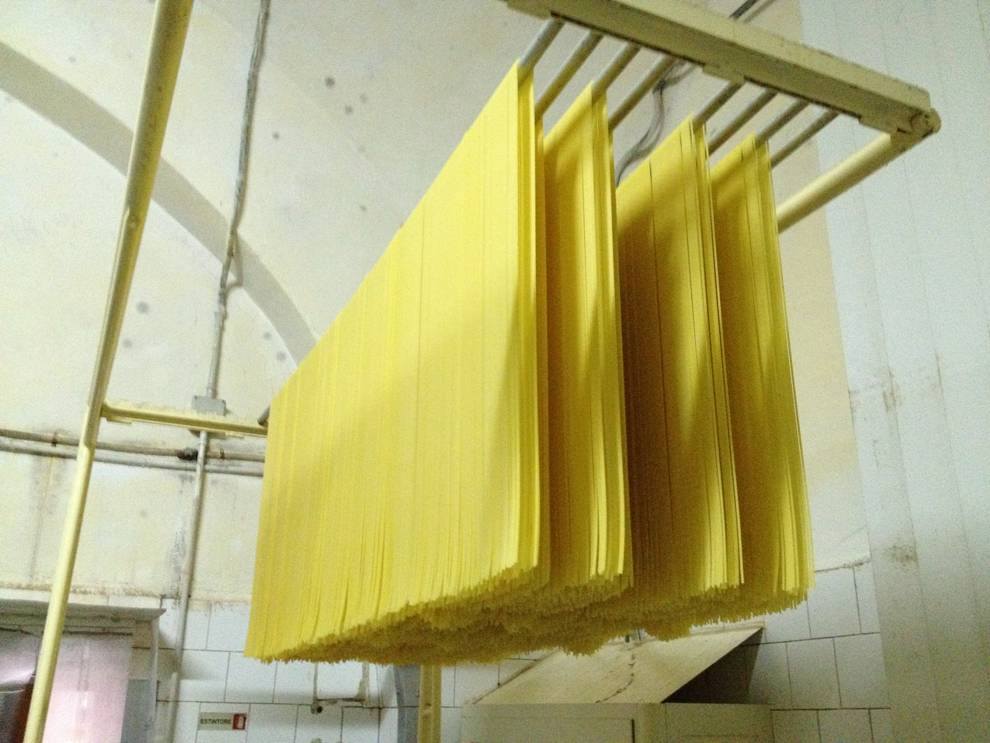
[Spaghetti drying in Gragnano, Italy, before it is packed, cooked and drained in home kitchens.] Photograph: Wikimedia Commons contributor
Image Credits: Wikimedia Commons
How to keep pasta separate
The most effective fix is to skip the colander entirely. Transfer the noodles directly from the boiling water into the waiting sauce, while they are still wet, so the surface starch stays hydrated and fluid.
That wet starch then works for the dish instead of against it. It acts as a bridge that helps the sauce cling to the strands, and finishing the pasta in the sauce for a minute or two lets the pasta absorb flavour while the sauce thickens.
ChefsResource recommends pulling the pasta out 1 to 2 minutes before it reaches al dente, so it finishes cooking in the sauce rather than in the water. That timing also protects against overcooking, which would release more starch.
If the sauce is not ready, keep a ladle of the starchy cooking water before draining. Tossing the drained pasta with a splash of that water immediately rehydrates the surface and creates a glossy, slick barrier that stops the strands from binding.
Timing matters as much as technique. Have the sauce waiting before the pasta finishes, and never leave drained pasta sitting while you start another step of the recipe.
When rinsing is right
Rinsing pasta under cold water is the quickest way to stop the cooking process, and it is the right call for cold dishes. For a pasta salad, a 30-second rinse under cold running water, followed by a tablespoon of olive oil, leaves distinct, non-starchy strands.
For hot dishes, rinsing is usually a mistake. ChefsResource warns that rinsing strips away the surface starch that sauce needs to grip, leaving a clean, slippery surface that sauce slides off and pools beneath.
The same logic applies to oil in the cooking water. Oil floats on the surface, so it does nothing to stop sticking while the pasta is submerged, and it coats the strands as they are lifted out, creating a barrier that keeps sauce from adhering.
One exception is pasta that must wait before serving. If the dish cannot be assembled at once, a light toss with warm olive oil or reserved pasta water, kept covered away from direct heat, holds the strands apart without the damage of a full rinse.
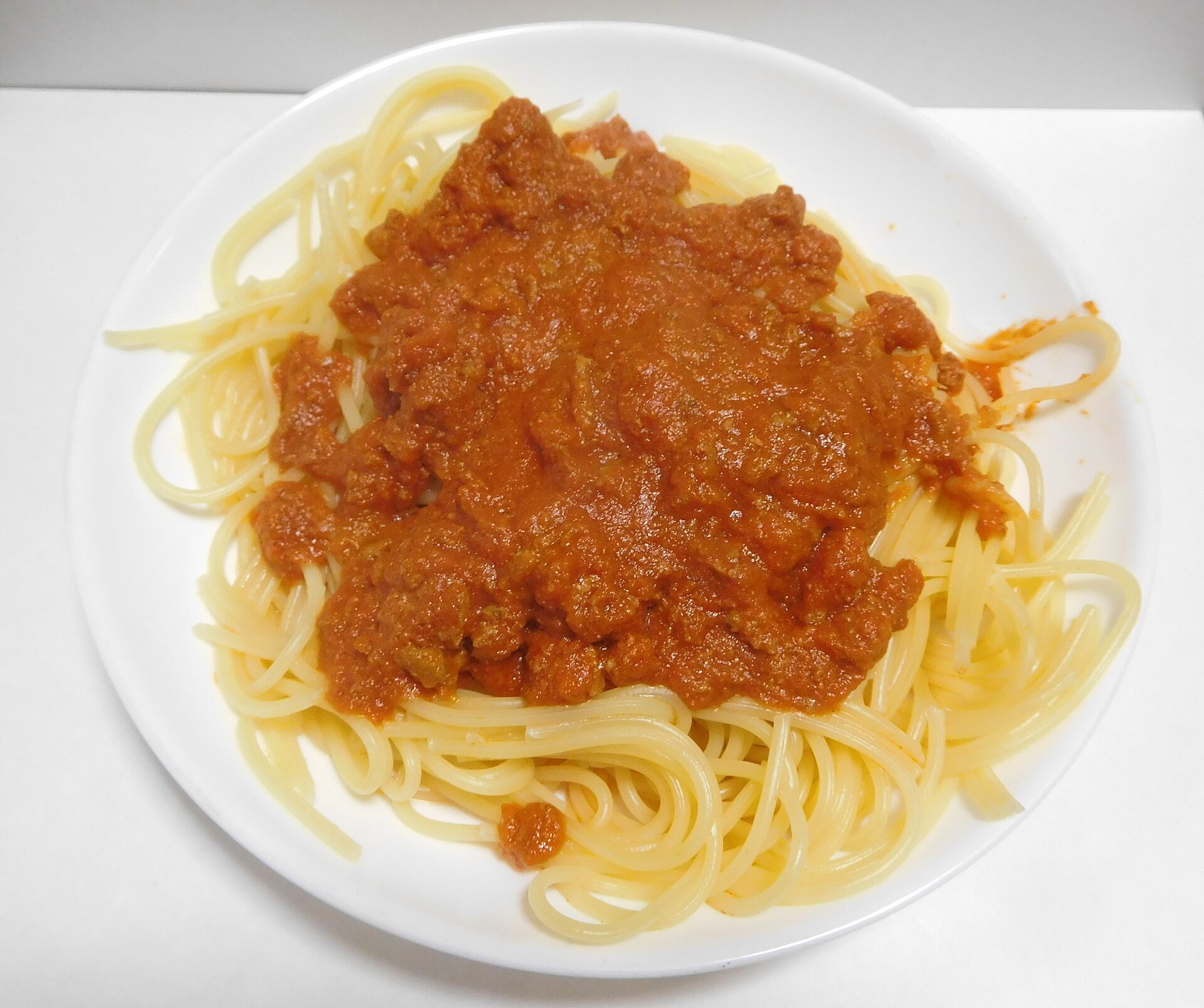
[Spaghetti with sauce, where surface starch helps the sauce coat each strand instead of pooling below.] Photograph: Wikimedia Commons contributor
Image Credits: Wikimedia Commons
How to rescue a clump
A clump is not a lost cause. ChefsResource advises dropping the clumped pasta back into a pot of boiling water for 30 to 45 seconds, which loosens the starches so the strands can be separated with tongs.
That rescue works because the bond is physical, not chemical. Rehydrating the starch returns it to its fluid state, and the strands separate as easily as they did when they first came out of the pot.
Shape matters for prevention too. Thicker noodles like fettuccine or linguine have more surface area and are more prone to clumping than thin spaghetti, so they need more frequent stirring during the boil.
Salt plays a smaller supporting role. It is mainly for flavour, but ChefsResource notes that salt helps toughen the outer protein layer of the pasta, which can slightly reduce the release of sticky starches compared with unsalted water.
Frequently asked questions
Does adding oil to the water stop pasta sticking?
No, because oil floats and cannot reach the strands while they are submerged. It only coats the pasta as it is lifted out, and that coating then stops sauce from sticking to the noodles.
Should I rinse pasta after draining?
Only for cold dishes like pasta salad, where you want distinct strands. For hot dishes with sauce, skip the rinse and keep the surface starch, since it helps the sauce cling.
How much water should I use for pasta?
At least 4 to 6 quarts per pound of spaghetti, with a rolling boil and a vigorous stir in the first 60 seconds. Plenty of water dilutes the starch instead of letting it concentrate into glue.
Can I fix pasta that has already clumped?
Yes, drop it back into boiling water for 30 to 45 seconds and separate the strands with tongs. The starch bond is reversible, and rehydrating it frees the noodles.
The bottom line
Pasta sticks because the starch that makes it delicious turns tacky the moment its surface water evaporates after draining. The fix is timing: keep the pasta wet, move it straight into sauce, or toss it with reserved pasta water at once.
Use plenty of water, stir in the first minute, pull the pasta a little early, and never let it sit dry in the colander. Those four habits keep the starch working for the dish instead of against it.
Tags: pasta, cooking science, kitchen tips, starch
Rive News's research desk covers everyday motoring, home and work topics from published sources and official guidance.
Related
- Why pasta water needs salt and how much is enough
- Why fresh pasta cooks faster than dried pasta
- How to cook rice that is never sticky or burnt
- What is the difference between simmering and boiling
Subscribe to Rive News for one practical explainer in your inbox each morning.
Rive News publishes research-based explainers and corrects errors promptly when readers point them out.
Related stories
Why Does Bread Go Stale Faster in the Refrigerator?
Bread goes stale faster in the fridge because starch recrystallizes fastest near 4°C. Here is the retrogradation science and the right way
Baking soda and baking powder: what's the difference?
Baking soda is pure sodium bicarbonate; baking powder adds two dry acids for double-acting lift. Learn when to use each, plus exact
What Is the Maillard Reaction in Simple Terms?
The Maillard reaction is the browning chemistry between amino acids and sugars above 140 C that creates the crust, color, and rich flavor