
Why Does Pizza Dough Need a Long Cold Rest?
Key takeaways
- Cold rest slows yeast at 34-38°F, giving flour enzymes time to build flavor a quick rise cannot.
- A 24 to 72 hour fridge rest develops deeper flavor, easier stretching, and better browning.
- Past about 96 hours the gluten weakens, so 48 hours is the sweet spot for most home bakers.
Cold fermentation means mixing pizza dough and letting it rise slowly in the refrigerator, usually for 24 to 72 hours, instead of a fast rise at room temperature. The yeast keeps working in the cold, just far more slowly, while the enzymes naturally present in the flour keep breaking starches into sugars and flavor compounds.
This article explains what happens inside the dough during that long cold rest, why cold changes the flavor, what it does to texture and browning, and how long is long enough.
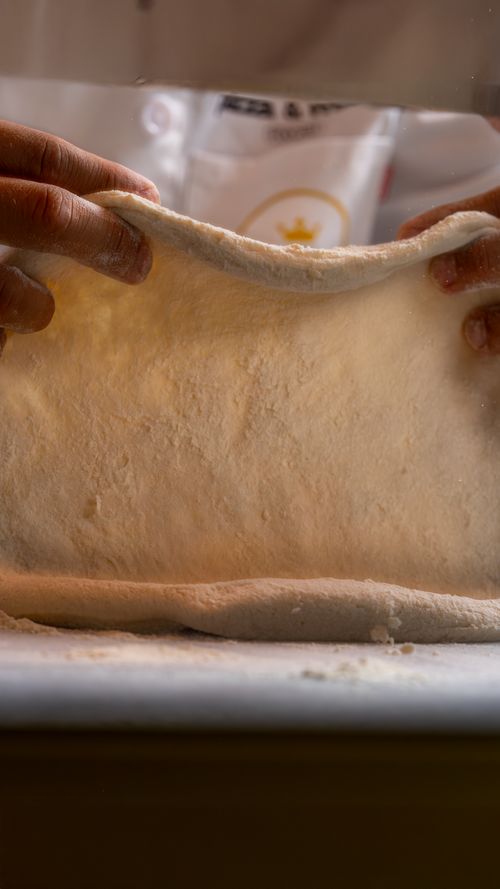
Image Credits: Pexels (free-use license)
What actually happens during a cold rest
Pizza dough is flour, water, salt, and yeast. At room temperature, yeast rushes. It chews through available sugars and pumps out carbon dioxide fast, sometimes faster than the flour's enzymes can do their job.
Drop the temperature into fridge range, about 34-38°F (1-3°C), and everything slows down. According to the PizzaLogic guide on cold fermenting, dough at typical fridge temperature ferments roughly six times slower than dough at room temperature. The yeast is still working, just much more gradually.
That slow pace gives enzymes called amylases time to catch up. Amylases break starches in the flour down into simple sugars.
These sugars feed the yeast and later drive browning in the oven. A quick room-temperature rise simply does not allow enough time for this enzyme work to happen.
Why cold changes the flavor
All fermentation produces acids, but temperature determines which acids dominate. Warmer ferments favor lactic acid, the mild, creamy tang found in yogurt. Cold ferments shift production toward acetic acid, which is sharper and closer to what you taste in a good sourdough.
This is why a 48-hour cold fermented dough tastes deeper than same-day dough. The balance of acids plus the wheaty sweetness of the flour creates layered complexity. Grill Masters Club notes that the slow, cold rest builds flavor compounds that make bakery bread taste like more than flour.
Baking Steel adds that the extra 24 hours between a 48-hour and 72-hour ferment develops more complex organic acids, giving 72-hour dough its signature tangy depth. The flavor keeps building, but with diminishing returns after about three days.
What the long rest does to texture and browning
Two more changes matter beyond flavor. The first is browning. The simple sugars freed by amylases caramelize faster in a hot oven.
Catchy Meals explains that this extra sugar supply helps the crust brown and blister before the inside dries out. Cold-fermented dough gets that leopard-spotted, pizzeria-style crust that same-day dough rarely achieves.
The second is stretch. Enzymes called proteases gradually relax the gluten network during the long rest, breaking gluten proteins like gliadin and glutenin into smaller peptides.
A relaxed gluten network stretches thin without snapping back. Grill Masters Club points out that a cold fermented dough ball stretches out easily, which matters when shaping on a peel.
At the same time, cold fermentation keeps the dough from tasting yeasty. Slow fermentation minimizes yeast taste, resulting in a cleaner, more refined flavor, as the Catchy Meals baking-science overview describes.
How long is long enough
The standard cold-ferment window runs 24 to 72 hours, with clear trade-offs at each point.
At 24 hours, you get a noticeable improvement over same-day dough. Flavor starts developing, and the texture gets easier to work with. This is the best starting point for anyone new to cold fermentation.
At 48 hours, most bakers hit the sweet spot. You get real depth of flavor, dough that handles beautifully, and excellent browning. If you are making pizza for company, 48 hours is the default recommendation in the PizzaLogic guide.
At 72 hours, you reach maximum flavor complexity and an airy structure. The crust takes on a slightly tangy, almost sourdough-adjacent quality. Baking Steel notes the structure is also slightly stronger at 72 hours, so the dough stretches more effortlessly.
Beyond about 96 hours, you walk a tightrope. The gluten starts to degrade, and the yeast can run out of food. That leaves a dough that is slack, hard to handle, and prone to collapsing.
Most high-protein bread flours hold up to about five days in the fridge, but returns diminish past 72 hours.
Fridge temperature matters more than people realize. If your fridge runs warm, above 40°F, fermentation moves faster and the dough may peak earlier. Keep it in the 34-38°F range for the full benefit.
FAQ
Does cold fermenting really taste different from a same-day dough?
Yes. The shift from lactic to acetic acid dominance and the extra time for amylases to free up sugars produce a more complex, slightly tangy flavor that a two-hour room-temperature rise cannot replicate.
Can I freeze dough instead of cold fermenting?
Freezing works, but timing matters. Grill Masters Club recommends freezing after fermenting, not before.
The flavor is already built during the cold rest, and frozen dough does not keep fermenting. Freeze only once the cold rest is complete.
Do I need less yeast for a long cold ferment?
Many recipes reduce the yeast for longer rests because a small amount of yeast working slowly is enough. Even a modest 24-hour cold ferment makes a big difference compared to same-day recipes, so start with a tested recipe rather than adjusting on your own.
Why is my cold-fermented dough hard to stretch?
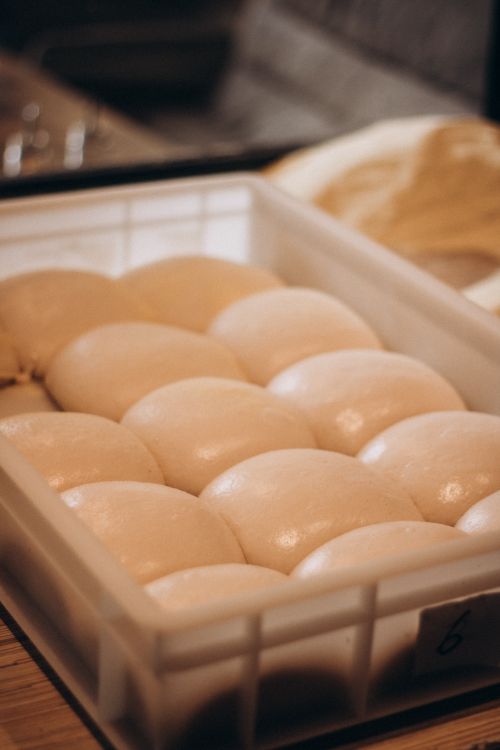
The most common cause is skipping the room-temperature warm-up. After the fridge rest, let the dough balls proof covered at room temperature for a few hours before stretching. Cold dough resists stretching; warmed dough cooperates.
The bottom line
A long cold rest works because cold slows yeast without stopping it, giving enzymes time to build flavor, free browning sugars, and relax gluten. Aim for 48 hours at 34-38°F for the best balance of flavor and handling, push to 72 if you want more tang, and stop before the gluten breaks down past about four days.
Latest in Food & Cooking
- Why baking powder makes cake rise without yeast
- Why pancakes come flat instead of fluffy
- How to tell if cooking oil has gone bad
- How does a slow cooker keep food safe all day
Subscribe for one practical food-science explainer every morning.
Related stories
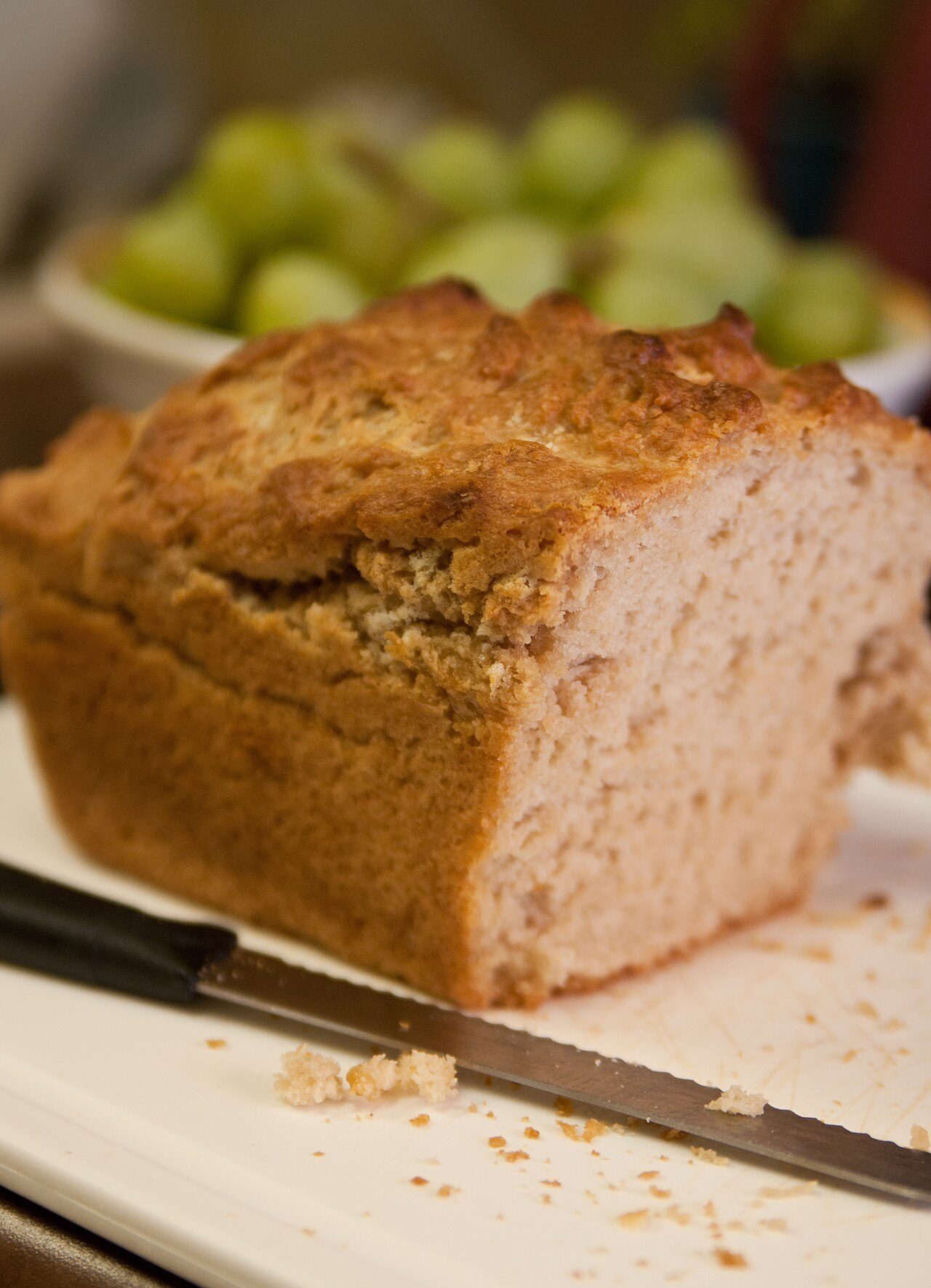
Why Does Bread Go Stale Faster in the Refrigerator?
Bread goes stale faster in the fridge because starch recrystallizes fastest near 4°C. Here is the retrogradation science and the right way
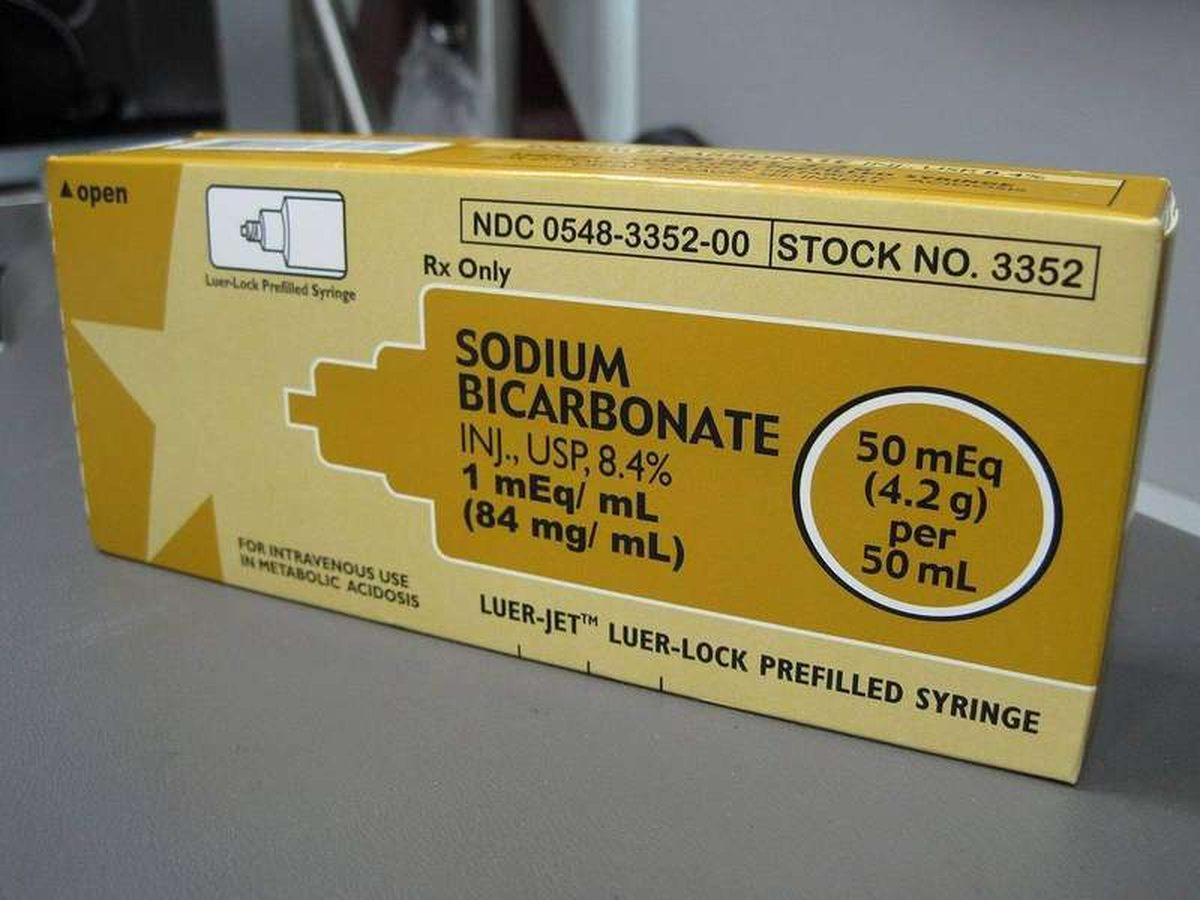
Baking soda and baking powder: what's the difference?
Baking soda is pure sodium bicarbonate; baking powder adds two dry acids for double-acting lift. Learn when to use each, plus exact
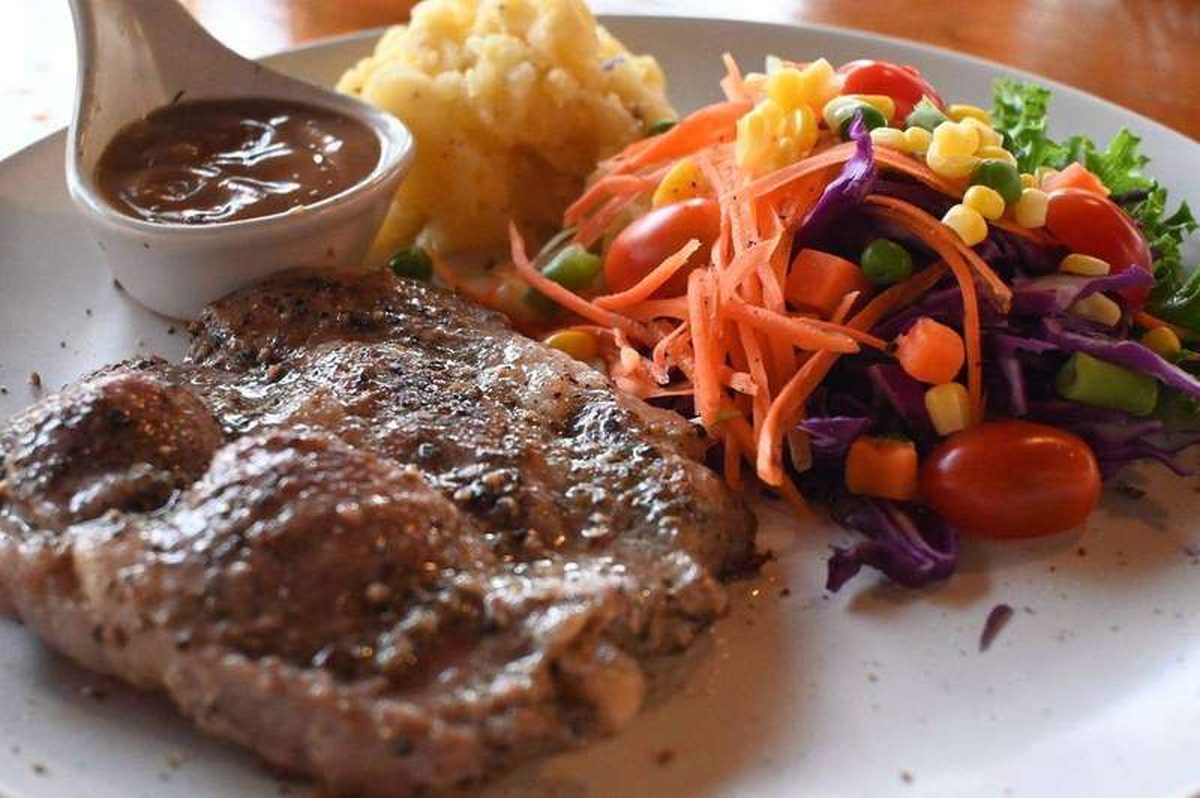
What Is the Maillard Reaction in Simple Terms?
The Maillard reaction is the browning chemistry between amino acids and sugars above 140 C that creates the crust, color, and rich flavor