
Why recipes say preheat the oven before baking
By Rive News / Research desk | Rive News / Published October 26, 2026 at 9:00 AM PKT
Key takeaways
- Recipe times assume the oven is already at full temperature when food goes in.
- A hot start drives oven spring, sets structure fast, and stops cookies spreading.
- Cold starts are fine for some roasts and casseroles, but risky for cakes, bread, and pastry.
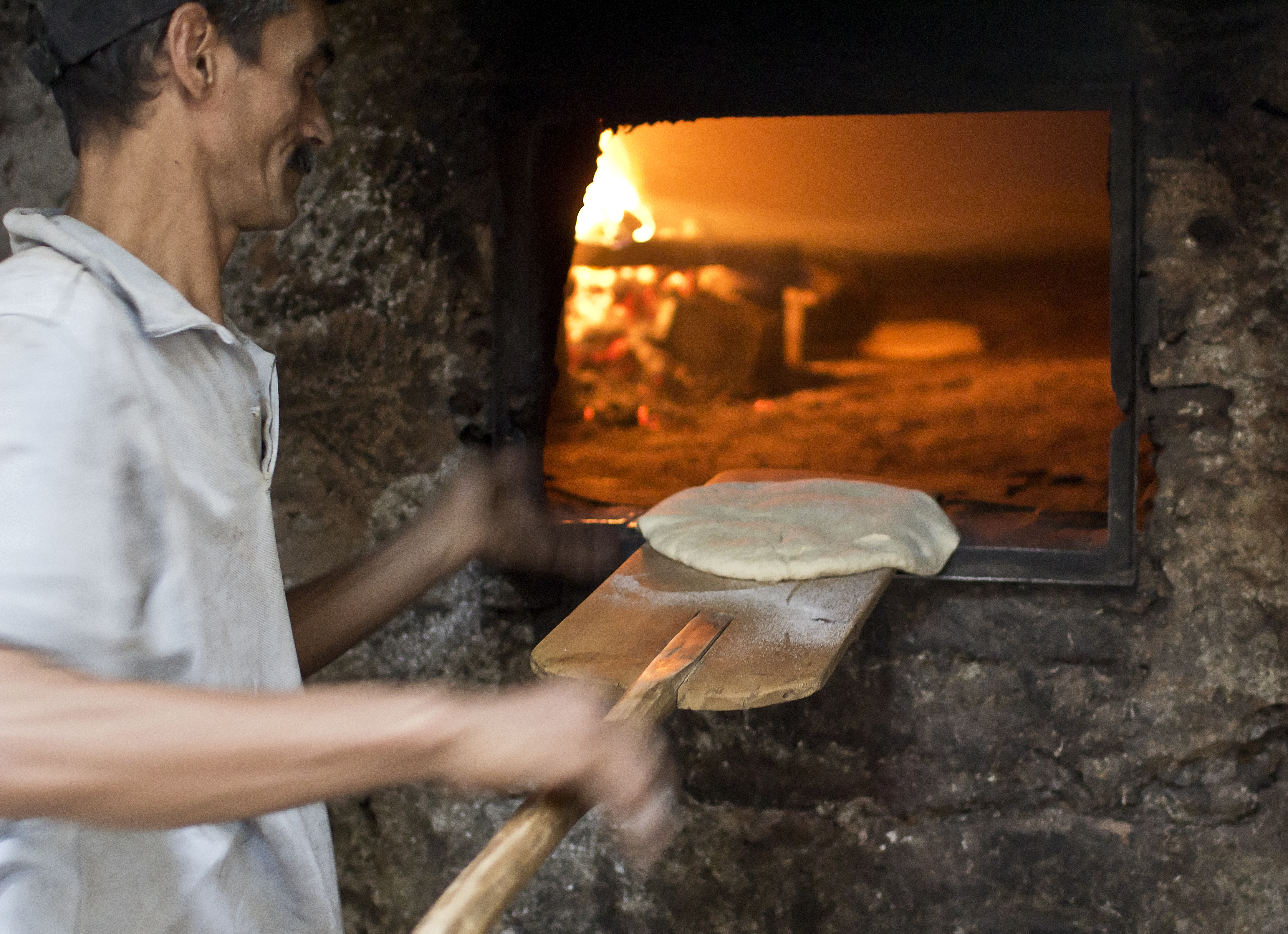
[Loaves of bread rising and browning inside a hot oven.] Photograph: bread baking in oven
Image Credits: Wikimedia Commons
Recipes say to preheat the oven because every time and temperature in the recipe assumes the oven is already hot. Putting food into a cold oven changes the starting conditions, and baking is sensitive enough that the change shows in the result.
A preheated oven gives food a blast of steady heat from the first second. That blast drives the rise, sets the structure, and starts browning, all on the schedule the recipe was tested with.
This article explains the rise and timing logic behind preheating, what goes wrong when you skip it, and when you can safely ignore it, including the cold start exception, the settle time trick, and the thermometer check.
Recipes are tested in a hot oven
Every recipe time is a promise with a hidden condition. When a cake recipe says 30 minutes at 180 degrees Celsius, it means 30 minutes in an oven that is already at 180 degrees, not 30 minutes in an oven warming up toward it.
HNK Parts makes this point directly. Recipe timing assumes the oven is already at a stable target temperature, and skipping preheat means food spends extra time in the warm up phase instead of actually cooking.
That extra time is not harmless. It is time at the wrong temperature, where some reactions run too slowly and others run too early, and the result is a cake that is neither properly risen nor properly set.
Think of it like a race starting gun. If some runners start before the gun, their times mean nothing, and comparing them to the official record is pointless. A cold oven does the same thing to a recipe time.
Oven spring: the first minutes decide the rise
The most important thing preheating does is create oven spring. That is the rapid expansion of gases in dough and batter during the first minutes of baking, and it is what makes bread light and cakes tall.
Yeast, baking powder, and baking soda all produce gas, and heat makes that gas expand fast. Baking powder activates quickly near 60 degrees Celsius, according to one electric oven guide cited in the research, and the structure must set while the gas is still expanding.
A hot oven delivers that heat immediately. The outside of the loaf or cake sets while the inside is still expanding, which traps the gas and holds the rise.
A cold oven delivers heat slowly. The gas expands weakly, some of it escapes before the structure sets, and the result is dense bread or a flat cake.
BakeClub's Anneka Manning calls preheating possibly the single most important thing you can do when baking. She warns that without it, the result may be a heavy, undercooked mess, and that matches what the chemistry predicts.
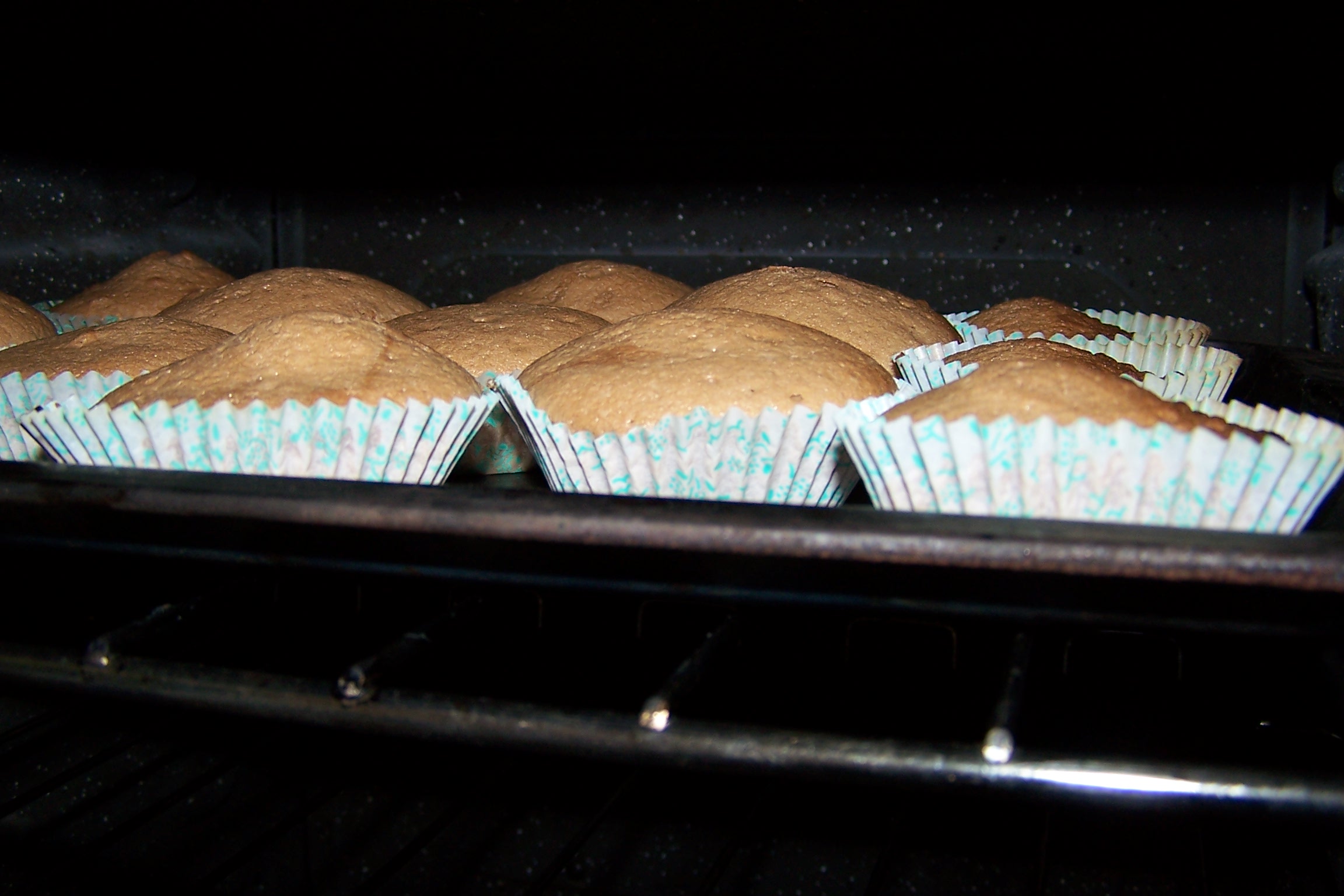
[Small cakes baking inside a hot oven.] Photograph: cakes in oven
Image Credits: Wikimedia Commons
Fat, structure, and the race against melting
Baking is a race between two processes: fat melting and structure setting. Whichever wins decides the shape of the final product.
Butter begins melting near 32 to 35 degrees Celsius, according to HNK Parts. Egg and flour proteins need much higher heat before they set and hold a shape.
In a preheated oven, the structure sets fast, before the fat has time to run. Cookies keep their shape, pie crusts stay crisp, and cakes hold their height.
In a cold oven, the fat wins the race. Butter melts and spreads before the proteins set, so cookies go flat, pie crusts turn soggy, and cakes sink in the middle.
That is why the same cookie dough can give thick chewy cookies one day and flat greasy discs the next. The dough did not change, but the starting temperature did, and the fat race ran differently.
Timing, browning, and food safety
Preheating also controls browning. The Maillard reaction, the chemical process behind golden crusts and savoury flavour, needs high heat to get going, and a hot oven starts it on schedule.
A cold start delays browning while the inside keeps cooking. The result can be pale on top and dry inside, because the food spent longer in the oven overall while waiting for the outside to catch up.
Food safety adds another reason. HNK Parts notes the microbial danger zone between 4 and 60 degrees Celsius, where bacteria can double in about 20 minutes under ideal conditions.
A preheated oven moves food through that zone faster. A cold oven leaves food lingering in it, which matters more for meat dishes than for a plain cake, but the principle is the same.
Even cooking is the last benefit. A cold oven heats unevenly at first, often from the bottom elements, so the base of a dish can cook faster than the top. A preheated oven gives a stable, even environment from the start.
How long preheating really takes
Most ovens need 10 to 20 minutes to reach temperature, and BakeClub puts the average at a minimum of 20 minutes. That is longer than most people wait, which is part of why preheating gets skipped.
The thermostat light going out does not mean the job is done. Anneka Manning recommends letting the oven settle for about 10 minutes after reaching temperature, because ovens cycle slightly above and below the target.
That settling time shrinks the swings. The longer an oven has been at temperature, the smaller the fluctuations around it, and the more accurate the baking environment becomes.
An oven thermometer settles the question for good. Many home ovens run 10 to 25 degrees off their dial, and a cheap thermometer shows the real temperature instead of the claimed one.
If your bakes keep failing despite preheating, check the thermometer before blaming the recipe. For cakes specifically, our guide to why cakes sink in the middle and why cookies spread too thin cover the other usual suspects.
When you can skip preheating
Preheating is not a law of nature, and some dishes genuinely do not need it. The rule is about what the dish depends on: fast rise, fast set, or precise timing.
Roasts, casseroles, and braises are forgiving. They cook for a long time, they do not depend on oven spring, and an extra 15 minutes of warming up barely changes the result.
Bread is the interesting exception. Some bakers deliberately start bread in a cold oven, and it works, because bread has a long bake and a strong structure that tolerates a slow start.
Cakes, muffins, cookies, pastry, and soufflés are the strict group. They depend on fast gas expansion and fast structure setting, so a cold start hurts them most.
A useful test is to ask what happens if the dish spends 15 extra minutes at low heat. If the answer is "nothing much," you can skip preheating. If the answer is "it spreads, sinks, or goes soggy," preheat.
Our guides to why you need to preheat before baking and why you need to preheat fully go deeper on the strict cases, and why bread rises and falls flat covers the bread exception.
Frequently asked questions
Do I really need to preheat the oven for everything?
No, but you need it for baking. Cakes, cookies, bread, and pastry depend on a hot start, while roasts and casseroles tolerate a cold start with little difference.
How long should I preheat my oven?
Allow at least 20 minutes for most ovens, plus about 10 minutes to settle after the thermostat light goes out. An oven thermometer shows whether the real temperature matches the dial.
What happens if I put a cake in a cold oven?
The cake rises weakly, the fat melts before the structure sets, and the result is often dense, flat, or sunk in the middle, with a longer and less predictable bake time.
Can I preheat faster by setting a higher temperature?
That usually backfires. Overshooting can crack cakes, burn cookie bottoms, and brown pie crusts before the filling cooks, so patience beats a higher dial setting.
The bottom line
Recipes say to preheat because their times, their rise, and their texture all assume a hot oven from the first second. A cold start slows the gas expansion, lets fat melt before structure sets, and makes the recipe time meaningless.
Preheat for cakes, cookies, bread, and pastry without exception. Give the oven at least 20 minutes, plus a few minutes to settle, and check the real temperature with a thermometer if your bakes keep missing.
Skip it only for long, forgiving dishes like roasts and casseroles, where a slow start changes nothing. Knowing which group your dish belongs to is the whole skill, and it is worth more than any single recipe tip.
Tags: baking, oven, cooking basics, recipes
The Rive News research desk writes plain English explainers from public sources, with every key claim tied to a named document or dataset.
Related
- Why you need to preheat the oven before baking
- Why you need to preheat the oven fully
- Why cakes sink in the middle
- Why cookies spread too thin or stay too thick
Subscribe for one practical explainer a week, no hype and no filler.
Rive News publishes explainers from public sources. Corrections are welcomed and fixed promptly.
Related stories
Why Does Bread Go Stale Faster in the Refrigerator?
Bread goes stale faster in the fridge because starch recrystallizes fastest near 4°C. Here is the retrogradation science and the right way
Baking soda and baking powder: what's the difference?
Baking soda is pure sodium bicarbonate; baking powder adds two dry acids for double-acting lift. Learn when to use each, plus exact
What Is the Maillard Reaction in Simple Terms?
The Maillard reaction is the browning chemistry between amino acids and sugars above 140 C that creates the crust, color, and rich flavor