
How to stop bananas from ripening too fast
By Rive News / Research desk | Rive News / Published October 25, 2026 at 9:00 AM PKT
Key takeaways
- Bananas ripen through ethylene gas, most of which escapes from the stem end.
- Separating the bunch and wrapping each stem slows the gas and buys extra days.
- Refrigerate only once bananas reach the ripeness you like; the peel darkens but the flesh holds.
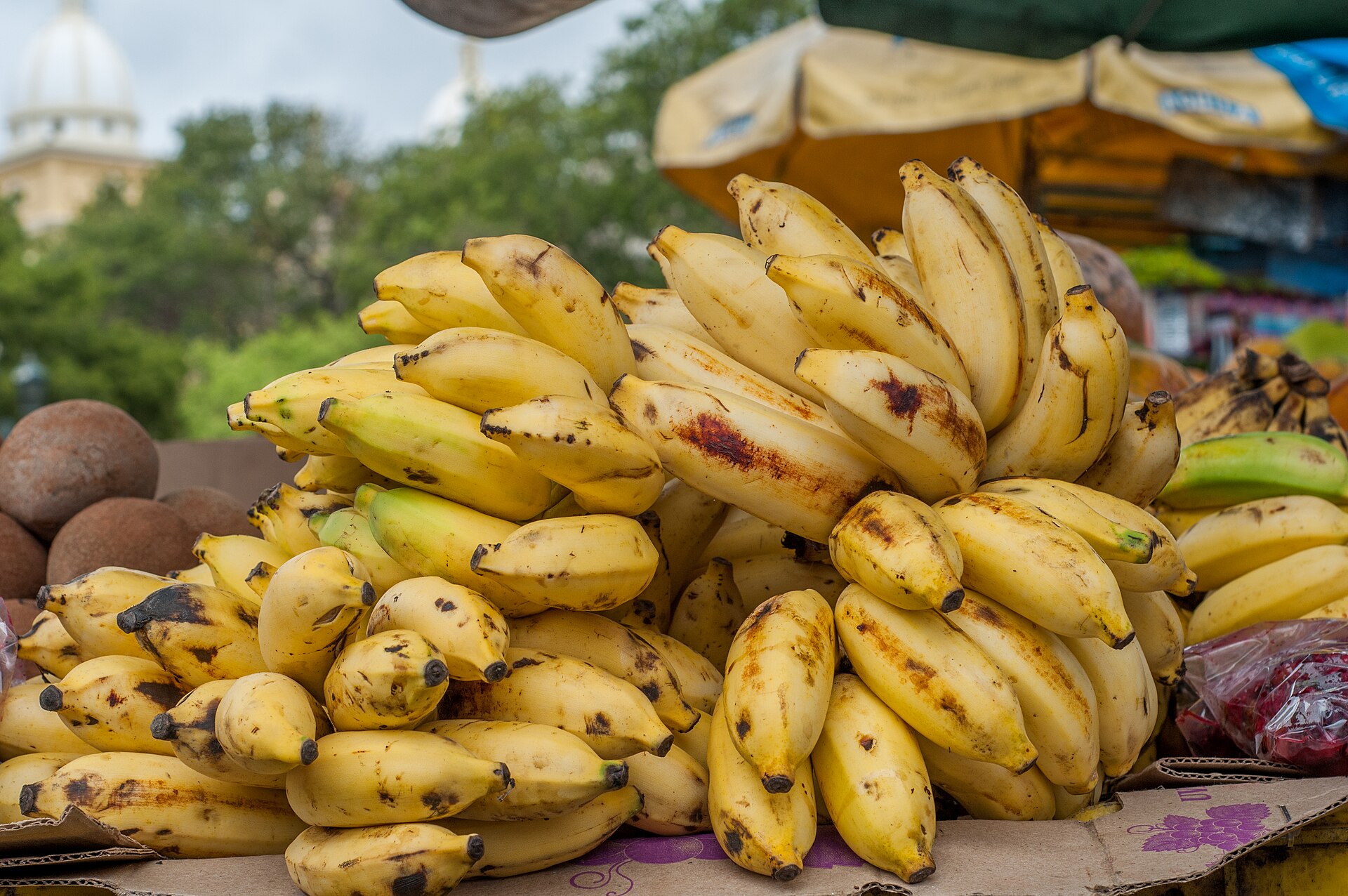
[A bunch of bananas on sale. Photograph: Wilfredor]
Image Credits: Wikimedia Commons
A bunch of bananas can go from perfectly yellow to freckled and soft in two days on a warm counter. The speed is not bad luck. Bananas produce a natural ripening gas called ethylene, and a bunch of bananas ripens itself, each fruit speeding up its neighbors.
Slowing that process means controlling the gas, the temperature, and the company the bananas keep. This article explains how to stop bananas from ripening too fast, including why ethylene drives ripening, the separate-and-wrap-the-stem method, and when the fridge helps or hurts.
Why bananas ripen so fast
Ethylene is a plant hormone that triggers ripening in many fruits. Bananas are heavy producers of it, and they are also sensitive to it, which creates a feedback loop. One banana releases ethylene, its neighbors respond by ripening faster, and the riper neighbors release still more gas.
Most of a banana's ethylene escapes from the stem, where the fruits join at the crown of the bunch. That is why the stem is the control point for every method below. Reader's Digest, quoting food experts on the stem-wrap trick, explains that wrapping the stem slows how quickly the gas reaches the rest of the fruit, which delays softening and sweetening.
Temperature sets the pace of the whole loop. Warmth speeds enzyme activity and ethylene effects, while cold slows both. That is why a bunch left beside a stove or in direct sunlight collapses in days, while the same bunch in a cool room lasts noticeably longer.
The separate-and-wrap-the-stem method
The most effective countertop method has two steps, and both target the ethylene loop. First, separate the bananas from the bunch once they reach the ripeness you like. A single banana no longer sits in a cloud of its neighbors' gas, so it ripens on its own slower schedule.
Second, wrap each stem tightly with cling film, foil, or reusable food wrap. The wrap does not seal the banana; it covers the cut stem end where gas escapes most freely. Food52's comparison, cited by Eat This, found that wrapping each banana's stem separately outperformed wrapping the whole bunch together, because each fruit got its own barrier.
Timing matters. Wrap the stems early, while the fruit is still firm and yellow or just turning yellow.
Once browning has started, much of the ripening is already underway inside the fruit, and wrapping can slow further change only slightly. Reader's Digest quotes the same caution from its experts: the trick buys extra days, but it cannot reverse softening that has already happened.
For the best countertop result, combine the wrap with space. Keep bananas away from apples, pears, mangoes, and avocados, all of which release large amounts of ethylene of their own. A banana hanging on a hook gets airflow and avoids pressure bruises, which also create brown spots, though a hook alone does less than the stem wrap.
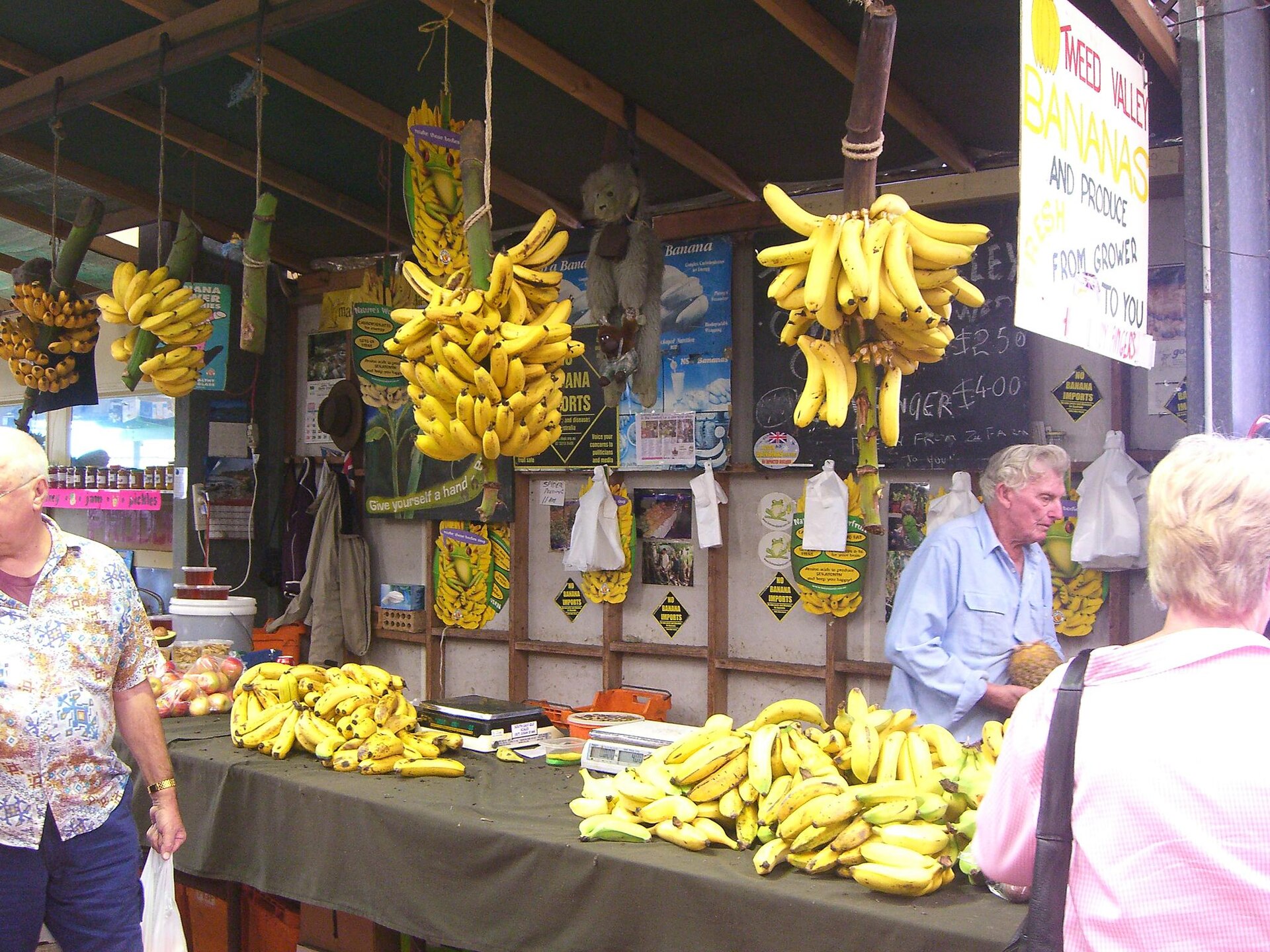
[Bananas by the bunch at a market stall. Photograph: Alpha]
Image Credits: Wikimedia Commons
When the fridge helps and when it hurts
Refrigeration is the strongest brake available, but only at the right moment. Move bananas into the fridge once they reach the shade of yellow you like. Cold slows enzyme activity and ethylene effects, and Gardenia's ripening guide reports that yellow fruit held in the fridge gains roughly three to five extra days.
The peel will darken, sometimes dramatically, and that alarms first-time users. The darkening is a surface effect of cold on the peel. The flesh inside stays firm and pleasant for several more days, so judge fridge bananas by feel and taste, not by peel color.
Never refrigerate green bananas if you still want them to ripen normally. Cold damages the ripening process in unripe fruit, and green bananas chilled too early may stay hard and starchy even after returning to room temperature. The fridge is a pause button for ripe fruit, not a storage place for unripe fruit.
For the longest hold, combine the methods. Separate the bananas, wrap each stem, and refrigerate once ripe.
The Standard reports a chef's test in which bananas stored with wrapped stems in the fridge stayed bright yellow after three days and showed only minor spots after seven, with the flesh still firm. That combination is the closest a home kitchen gets to stopping the clock.
If the race is already lost, the freezer is the final option. Peel overripe bananas, cut them into chunks, and freeze them in a sealed bag for smoothies, nice cream, or baking. Freezing will not restore fresh-banana texture, but it preserves sweetness and aroma for weeks, and overripe bananas bake better than firm ones because they blend smoothly.
Should I keep bananas in a plastic bag?
No, not at room temperature. A sealed bag traps ethylene around the fruit and speeds ripening, which is the opposite of what you want.
An open bowl or a hook works better. The one exception is the fridge method above, where a bag plus wrapped stems is used deliberately after ripening.
Does hanging bananas really slow ripening?
Slightly. A hook prevents bruises from the fruit resting on a surface, and bruises ripen faster than undamaged skin.
Airflow helps too. But hanging alone does not block ethylene, so pair it with stem wrapping for a real effect.
Are brown bananas still safe to eat?
Yes, provided there is no mould and the smell is normal. Brown, soft bananas are simply riper and sweeter, and they are ideal for baking. Discard any banana with mould, an off or fermented smell, or liquid leaking from the peel.
Why do store bananas sometimes have wrapped stems?
Some suppliers wrap stems during transport and display to slow ethylene release and keep ripening predictable. It is a ripening-management choice, not a quality mark. You can wrap stems yourself at home with the same effect.
The bottom line
Bananas ripen fast because ethylene from the stem drives a feedback loop across the bunch. Break the loop by separating the bananas, wrapping each stem, giving them space from other fruit, and refrigerating once ripe.
None of these steps stops ripening forever, but together they stretch a two-day window into a week. That is usually enough to eat the bunch instead of baking it in a panic.
Tags: bananas, food storage, kitchen tips
Rive News's research desk covers practical explainers across driving, work, and everyday science, checking each claim against published sources before writing.
Related
- How to keep cut avocados from turning brown longer
- Why apples turn brown after cutting, and how to stop it
- How to keep herbs fresh for weeks in the fridge
- Why does bread go stale so fast? The science of staling explained
Subscribe for one practical explainer each morning.
Standards: facts checked against the sources listed above; corrections are published when an error is found.
Related stories
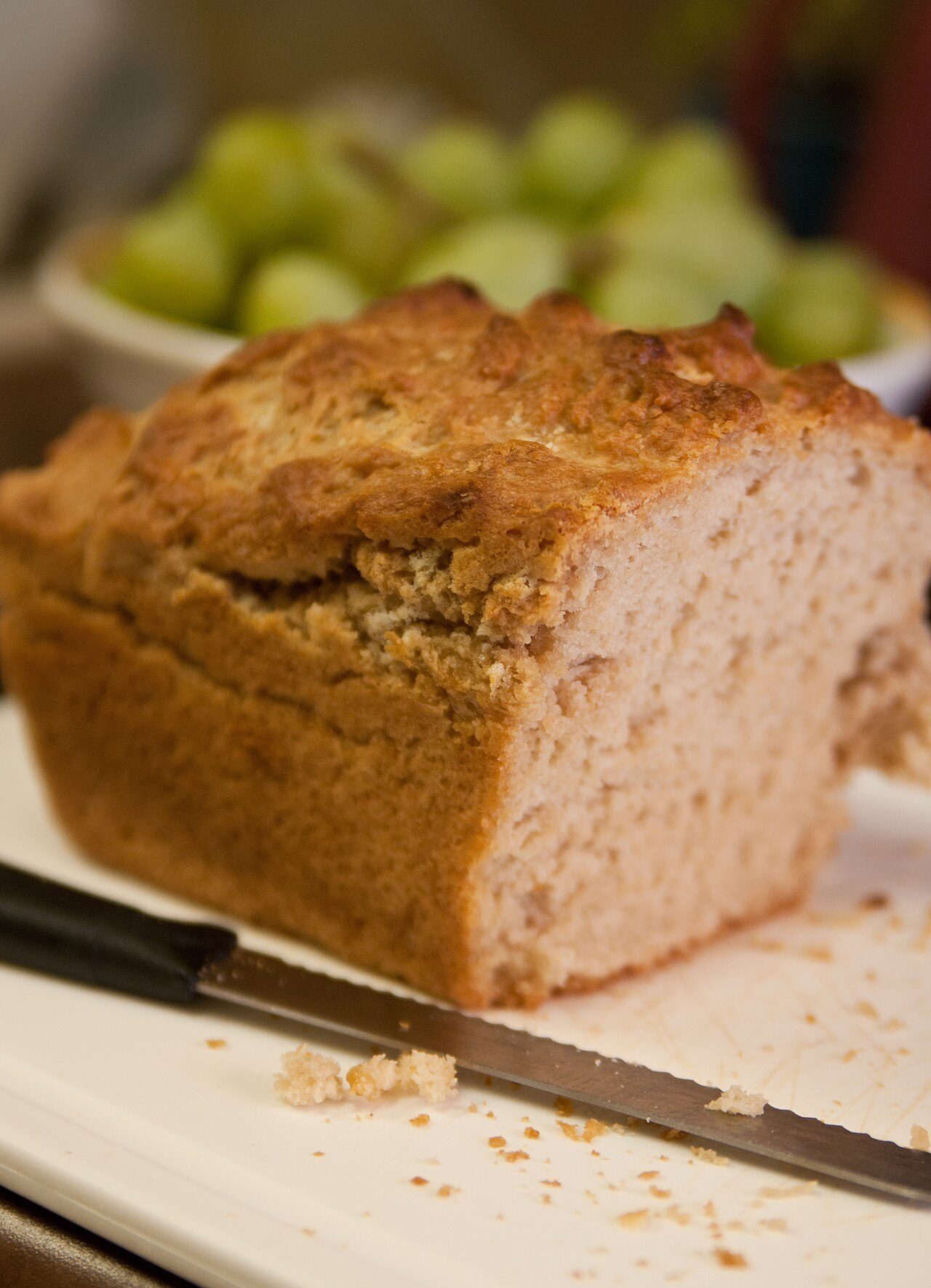
Why Does Bread Go Stale Faster in the Refrigerator?
Bread goes stale faster in the fridge because starch recrystallizes fastest near 4°C. Here is the retrogradation science and the right way
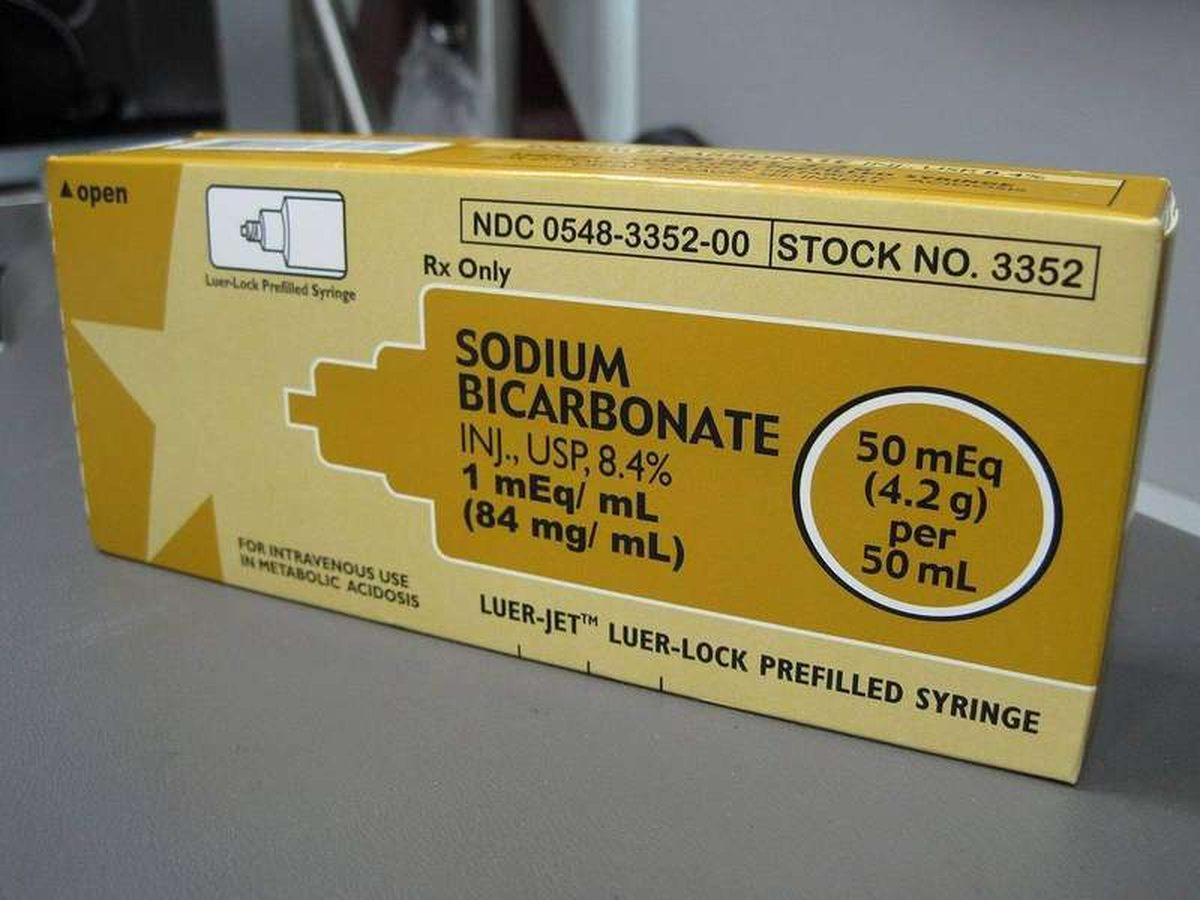
Baking soda and baking powder: what's the difference?
Baking soda is pure sodium bicarbonate; baking powder adds two dry acids for double-acting lift. Learn when to use each, plus exact
What Is the Maillard Reaction in Simple Terms?
The Maillard reaction is the browning chemistry between amino acids and sugars above 140 C that creates the crust, color, and rich flavor