
Why garden snails come out when it rains
By Rive News / Research desk | Rive News / Published October 28, 2026 at 9:00 AM PKT
Key takeaways
- Snails are mostly water, so dry air threatens them with dehydration within hours.
- Rain keeps their mucus working, which is what lets them glide and protects their soft foot.
- Wet nights are also safer, since many snail predators stay hidden in rain.
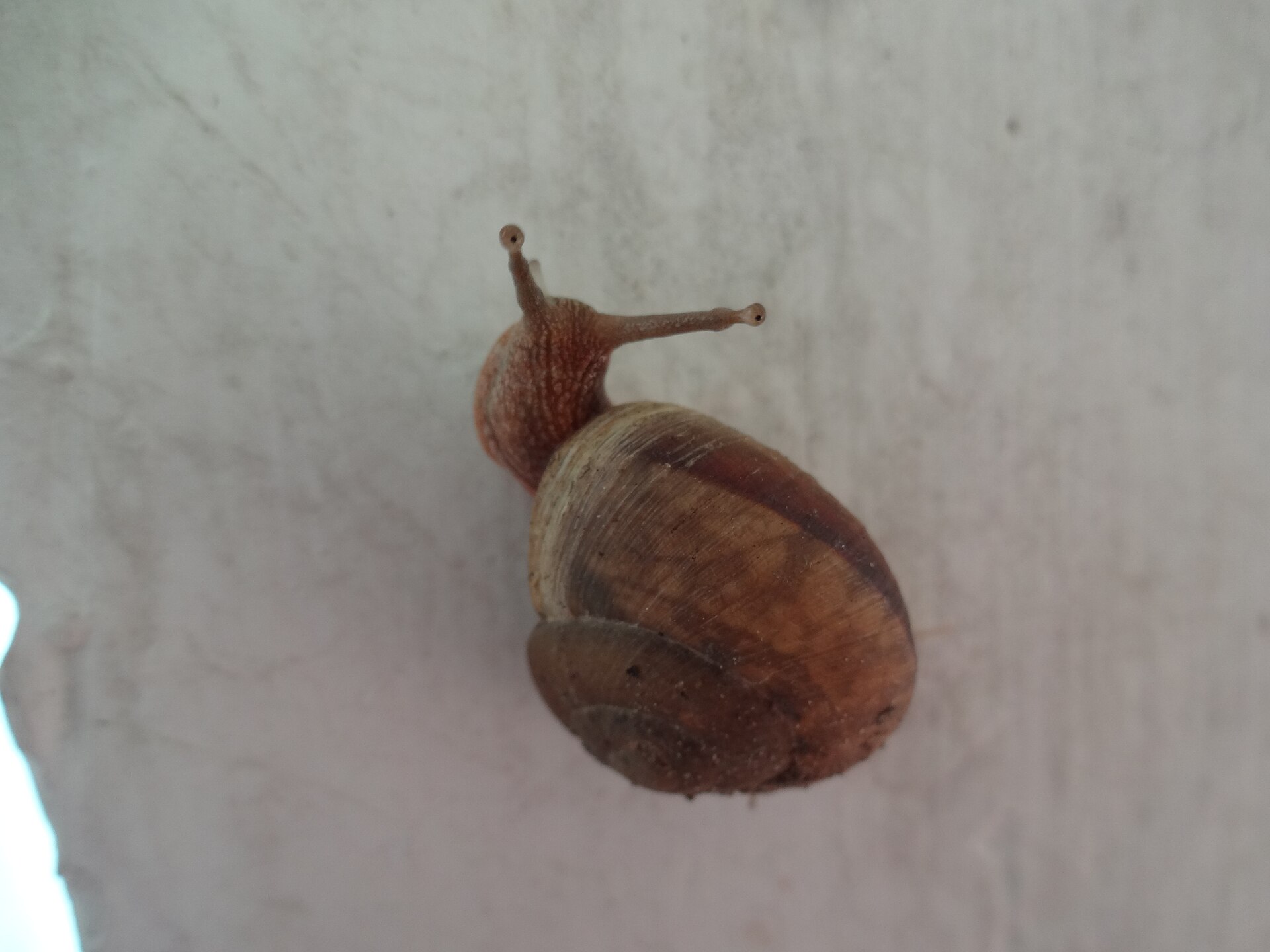
[A common garden snail rests with its shell and soft body visible. Photograph: Achat1999]
Image Credits: Wikimedia Commons
A garden snail is a soft-bodied animal carrying its house on its back, and its whole way of life depends on staying wet. When rain falls, snails appear on paths, walls, and leaves as if they materialised from nowhere.
They did not arrive with the rain. They were hiding nearby, waiting for conditions they can survive in.
This article explains why snails wait for rain, including dehydration risk, mucus and movement, feeding, mating, and predator timing, and what gardeners can do with that knowledge.
A body built from water
A snail's body is mostly water, and it has no waterproof skin like a mammal. Its soft tissues lose moisture to dry air quickly, and its breathing depends on a moist surface. When the air dries, a snail must either find shelter or retreat into its shell and seal the opening, which stops it from feeding or moving.
That is the core reason rain matters. Wet air slows water loss from the body, so the snail can afford to be active.
The Royal Horticultural Society (RHS) notes that slugs and snails are abundant in gardens and that some feeding is normal, which reflects how well these animals suit damp garden habitats. Their abundance is itself evidence of how much they depend on moisture.
Temperature matters alongside humidity. Snails are most active in mild, damp weather and hide during hot, dry spells. A summer downpour after a dry week can therefore produce a sudden rush of snails, not because they bred overnight, but because a whole hidden population became active at once.
Mucus is expensive, and rain makes it cheap
Snails move on a single muscular foot, and they lay down a trail of mucus as they go. The mucus reduces friction, protects the foot from rough ground, and helps the animal grip surfaces. Producing it costs the snail water and energy, and on a dry surface the cost rises sharply.
Dry, porous surfaces such as concrete and brick absorb mucus, so the snail must produce more of it to keep moving. On a wet surface, the mucus stays in place and does its job with less effort. That is why snails cross paths and patios after rain that would have been costly obstacles when dry.
The silvery trails left behind are dried mucus. They mark where a snail travelled, and they also show how much material the animal spent on the trip.
In dry weather, that spending is hard to justify, so the snail stays put. After rain, the same journey is cheaper, and the snail can spend its energy on feeding instead.
Some snails change their gait on difficult ground, lifting the middle of the foot as they move in a looping motion. This saves mucus but slows them down. Rain removes the need for that compromise, which is another reason wet nights see faster, longer snail journeys.
Feeding time after a fast
Snails eat leaves, flowers, fruit, algae, and decaying plant matter. They feed with a rasping tongue called a radula, which scrapes food from surfaces. Feeding takes time, and a snail that is out in dry air risks dehydration before it finishes a meal.
Rain solves two feeding problems at once. It softens plant tissue and soil, making food easier to rasp and easier to reach, and it gives the snail a safe window long enough to eat properly.
Heavy rain itself can interrupt feeding, since a snail can be washed off a leaf or battered by large drops. The busiest snail time is often just after rain stops, when surfaces are wet but the sky has cleared.
Gardeners see the result in the morning. Leaves with neat holes or rasped patches, plus fresh slime trails, show a night of feeding.
Seedlings and soft young shoots suffer most, since their tissue is thin and easy to rasp. The RHS advises protecting vulnerable plants specifically, rather than trying to remove every snail from a garden.
Mating and laying eggs need damp ground
Snails are hermaphrodites, meaning each individual carries both male and female reproductive organs. When two snails meet, they exchange sperm, and each can later lay eggs. Meeting requires movement, and movement requires moisture, so rainy periods are also mating periods.
Egg laying needs soft, damp soil. A snail digs a small hole to lay its eggs, and hard, dry ground makes that job difficult or impossible.
Wet soil after rain is easy to dig and keeps the eggs from drying out before they hatch. A rainy spell therefore sets up the next generation as well as feeding the current one.
This timing has a practical consequence for gardeners. A wet spring does not just bring more snails into view.
It also creates good conditions for eggs to survive, which can mean more snails weeks later. Removing snails after rain helps, but clearing the damp hiding places they return to matters just as much.
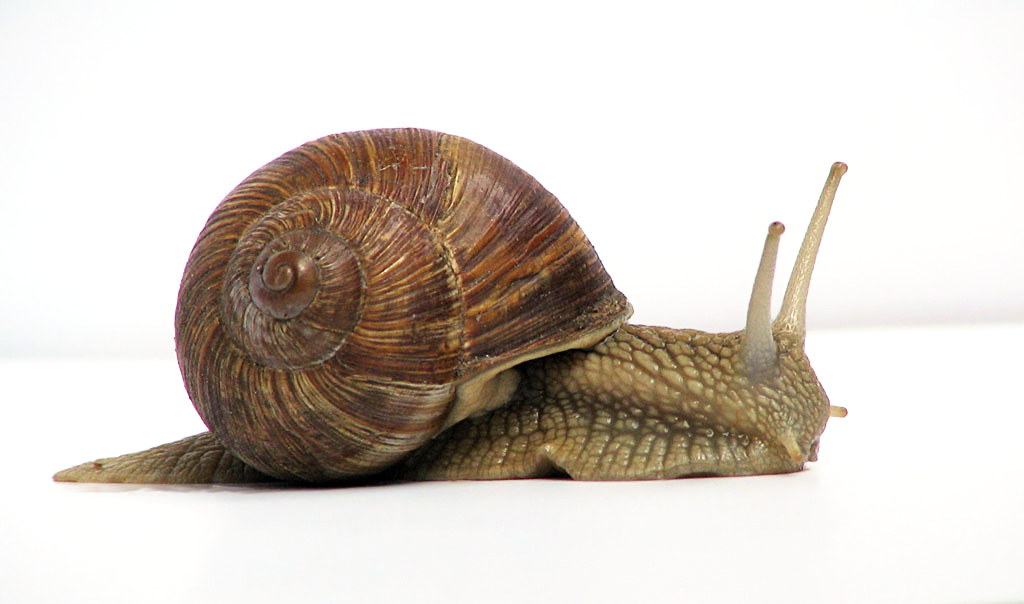
[A garden snail climbs a stem, its shell and extended body clearly visible. Photograph: Wikimedia Commons contributor]
Image Credits: Wikimedia Commons
Fewer predators are about in rain
Snails sit low in the food chain. Birds, frogs, toads, hedgehogs, slowworms, and ground beetles all eat them, and a snail has no speed or sting to defend itself. Its shell helps against some attackers, but many predators simply eat the whole animal.
Rain changes the risk balance. Many birds avoid flying and foraging in heavy rain, and some ground predators are less active in wet, cool conditions.
A snail that moves during or just after rain faces fewer hunters than one that moves on a clear, dry evening. The timing is not perfect safety, since frogs and toads like damp weather too, but the overall pressure drops.
Darkness adds to the effect. Snails are mainly nocturnal, and a rainy night combines two kinds of cover: damp air and darkness.
That combination is why torchlight searches work well. The RHS suggests carrying them out on mild, damp evenings, when snails are out feeding and easy to find by hand.
Where snails hide between showers
When the sun returns, snails retreat to cool, damp refuges. Common hiding places include the undersides of pots, boards, stones, dense foliage, and the top layer of soil.
They may also tuck into cracks in walls or under garden debris. Each refuge keeps humidity high and temperature low, which slows water loss.
A gardener who wants fewer snails can start by reducing these refuges near vulnerable plants. Clearing piles of leaves and debris from beds removes daytime shelter.
Raising pots off the ground and keeping the area beneath them clean has the same effect. None of this removes snails from a garden entirely, and the RHS advises against trying, since they are part of garden wildlife.
Watering time matters too. The RHS advises watering in the early morning rather than the evening, because evening watering creates ideal conditions for snails to move around at night. Morning watering lets the surface dry before snails become active, which cuts their safe window without any chemicals.
Barriers and traps work best when placed with this behaviour in mind. Copper tape around pots, gritty mulches, and beer traps all exploit the snail's need to travel across surfaces. They fail when the garden stays wet all night, since a determined snail can cross most barriers given enough time and moisture.
What to do after rain
The simplest response to a rainy snail rush is a torchlight walk. Go out two to three hours after sunset on a damp night, when snails are most active, and pick them from vulnerable plants into a container.
Move them to a compost heap or a wilder corner, or leave them where predators can find them. Repeat visits beat one big clearance, since new snails arrive from nearby refuges each wet night.
Protect seedlings first. Cloches, sturdy transplants grown in pots, and plants with thick or waxy leaves all resist snail damage better than soft seedlings. The RHS lists less palatable plants as one of the best long-term defences, and choosing them for the most exposed beds reduces the nightly workload.
Avoid the temptation to declare war on every snail. Many snails eat decaying matter and algae as well as live plants, and they feed the birds, frogs, and hedgehogs that gardeners want to encourage.
Targeted protection of the plants that matter, plus morning watering and fewer hiding places, keeps damage down while leaving the garden's food web intact. For more on keeping them off crops without chemicals, see how to keep slugs off vegetables without chemicals and how to stop slugs eating plants at night.
Frequently asked questions
Can snails predict rain?
No. Snails do not forecast weather.
They respond to rising humidity and wet surfaces, which is why they appear before, during, and after rain. A snail climbing a plant on a humid evening may look like a forecast, but it is simply reacting to conditions that already suit it.
Why do snails leave slime trails?
The trail is mucus from the foot, laid down to reduce friction and protect the soft body. It dries into a silvery line that marks the route. The trail also costs the snail water, which is why dry surfaces make travel expensive and wet surfaces make it cheap.
Are snails active in winter?
In cold weather, snails shelter in soil or crevices and become inactive, sometimes sealing their shells with a mucus plug. Warm, wet weather wakes them again, which is why a mild, damp winter can keep snails active far longer than a cold, dry one.
Do snails come out only after rain?
No. Any damp, cool conditions suit them, including heavy dew, mist, and evening watering. Rain is simply the most obvious cause of those conditions, and it wets a large area at once, which is why so many snails appear together.
The bottom line
Snails come out after rain because rain gives them what their bodies need: moist air that prevents dehydration, wet surfaces that make mucus affordable, soft soil for feeding and egg laying, and a quieter predator landscape. They were never far away.
They were waiting in damp refuges for the safe window that rain provides. Gardeners who understand that timing can protect vulnerable plants with morning watering, fewer hiding places, and a torchlight walk on wet nights, without trying to remove snails from the garden altogether.
Tags: snails, garden pests, rain, garden wildlife
The Rive News research desk covers plant science and practical gardening, summarising published research for home gardeners without claiming field trials of its own.
Related
- How to keep slugs off vegetables without chemicals
- How to stop slugs eating plants at night
- Why are marigolds planted with vegetables
- How to get rid of aphids without chemicals
Subscribe for one practical gardening explainer each week.
Rive News standards: facts are checked against public sources listed above; corrections are welcomed and applied promptly.
Related stories
What Is Companion Planting and Does It Work?
Marigolds work as a nematode cover crop, but the basil flavor claim failed repeated tests. An honest evidence review of what companion
Determinate vs. indeterminate tomatoes: growth, pruning, and harvest differences
Determinate tomatoes grow to a set size and ripen all at once, while indeterminate types vine all season. That one difference shapes
How to improve clay soil for gardening
Gypsum will not fix ordinary clay soil, say extension experts. What actually works: 2 to 3 inches of compost, mulch, better drainage,