
Why houseplants drop leaves after you move them
By Rive News / Research desk | Rive News / Published October 27, 2026 at 9:00 AM PKT
Key takeaways
- A move changes light, humidity, temperature and watering at once, and the plant sheds leaves it can no longer support.
- Leaf drop is usually abscission, a controlled process driven by the hormone ethylene, not a sign the plant is dying.
- Keep conditions steady for two to six weeks, water only when the soil needs it, and wait before repotting or feeding.
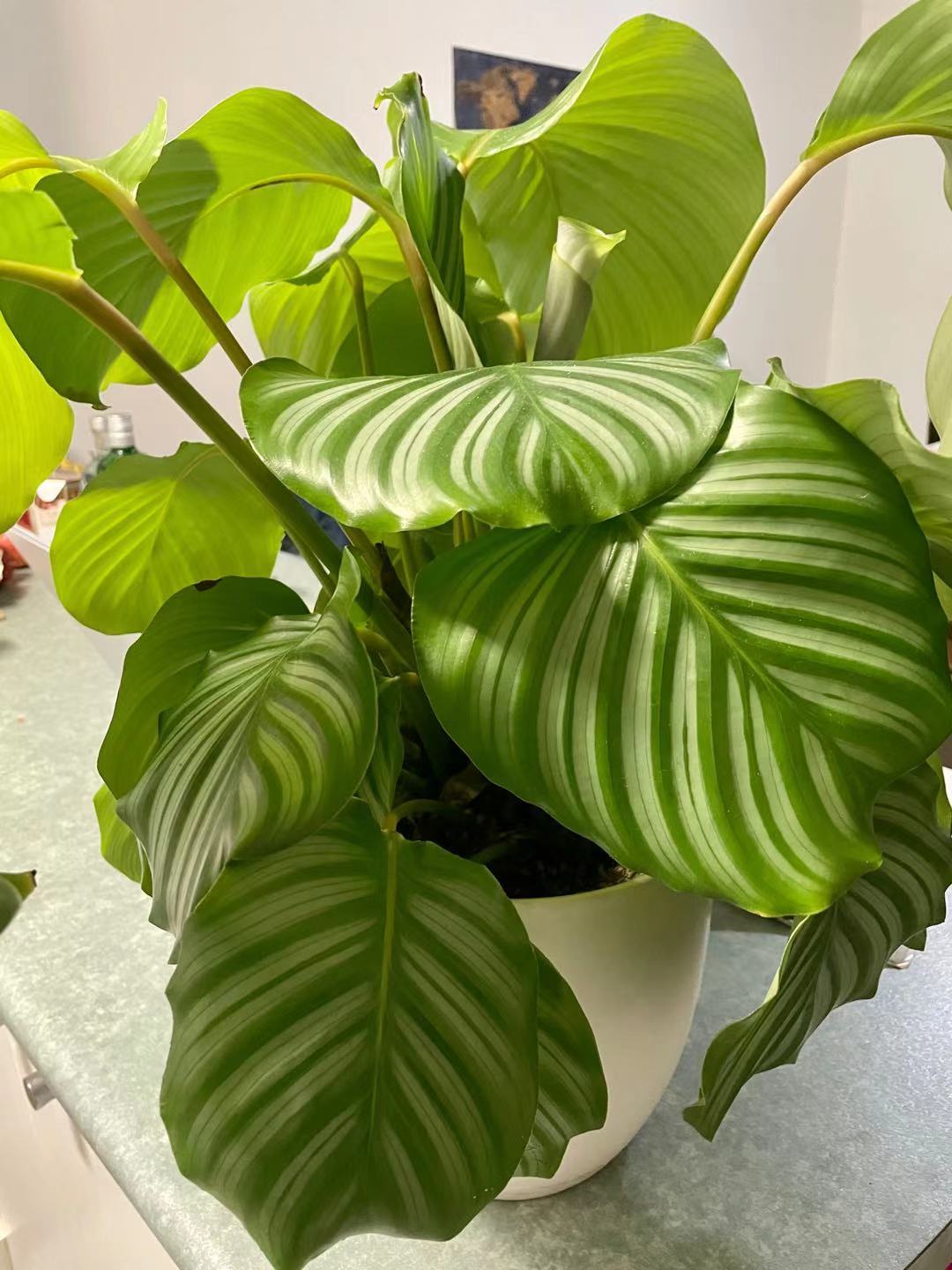
A calathea houseplant growing indoors in a pot. Photograph: the subject
Image Credits: Wikimedia Commons
A houseplant that drops leaves after a move is usually adjusting, not dying. Plants settle into a routine of light, warmth, humidity and watering, and a move changes all of those at once.
When the new spot cannot support every leaf, the plant lets some go to protect the rest. The oldest or lowest leaves usually fall first, because they cost the most energy to maintain for the least return.
This article explains why houseplants drop leaves after a move, including what happens inside the plant, the five changes that trigger leaf drop, how to help a moved plant settle, and when leaf drop means something else.
What happens inside the plant
Leaf drop after a move is a process called abscission. The plant forms a layer of cells at the base of the leaf stem, and that layer weakens until the leaf separates cleanly from the stem.
Stress hormones drive the process. When a plant is stressed, its production of the growth hormone auxin falls and levels of ethylene rise, which signals the cells at the leaf base to let go.
Abscission is a survival strategy, not a failure. By shedding leaves it cannot afford, the plant cuts its water loss and energy demand while its roots and remaining leaves adjust to the new conditions.
Growth often pauses during this period. That pause looks alarming, but it is conservation: the plant is spending its resources on roots and adjustment rather than new leaves.
A useful rule is that a few falling leaves are normal, while rapid, widespread loss deserves attention. If the stems stay firm and green, the plant still has the parts it needs to recover.
The five changes that trigger leaf drop
Light is the most common trigger. A plant moved from a bright window to a dimmer corner makes less energy through photosynthesis, so it cannot support the same amount of foliage.
Greenhouses and nurseries also give plants far more light than a typical room, even a sunny one. The gap between nursery light and home light alone can be enough to start leaf drop in the first two weeks.
Humidity is the second trigger. Many popular houseplants come from tropical regions where humidity sits between 60 and 80 percent, while most homes average 30 to 50 percent, especially when heating is on.
Dry air pulls moisture from leaves faster than roots can replace it. The result is crispy edges, yellowing and eventually leaves that fall.
Temperature swings are the third trigger. Most indoor plants do best with steady temperatures between 65 and 75 degrees Fahrenheit, and they dislike cold drafts, hot air from vents and sudden night drops.
Cold damage can also be delayed, which confuses many plant owners. Extension experts at North Carolina State University warn that temperatures below about 50 degrees Fahrenheit can injure poinsettia leaves, with the damage showing up as yellowing or leaf drop several days later.
Watering is the fourth trigger, and it usually goes wrong through kindness. A worried owner waters more often, but wet soil in lower light stays wet longer, and roots starved of air begin to rot.
Underwatering causes trouble too, especially if the plant was already dry from transport. The safest approach is to check the soil before watering rather than watering on a fixed schedule, as explained in our guide to telling overwatering from underwatering.
Physical disturbance is the fifth trigger. Repotting, jostling in transit and broken roots all reduce the plant's ability to take up water, and leaf drop follows days or weeks later.
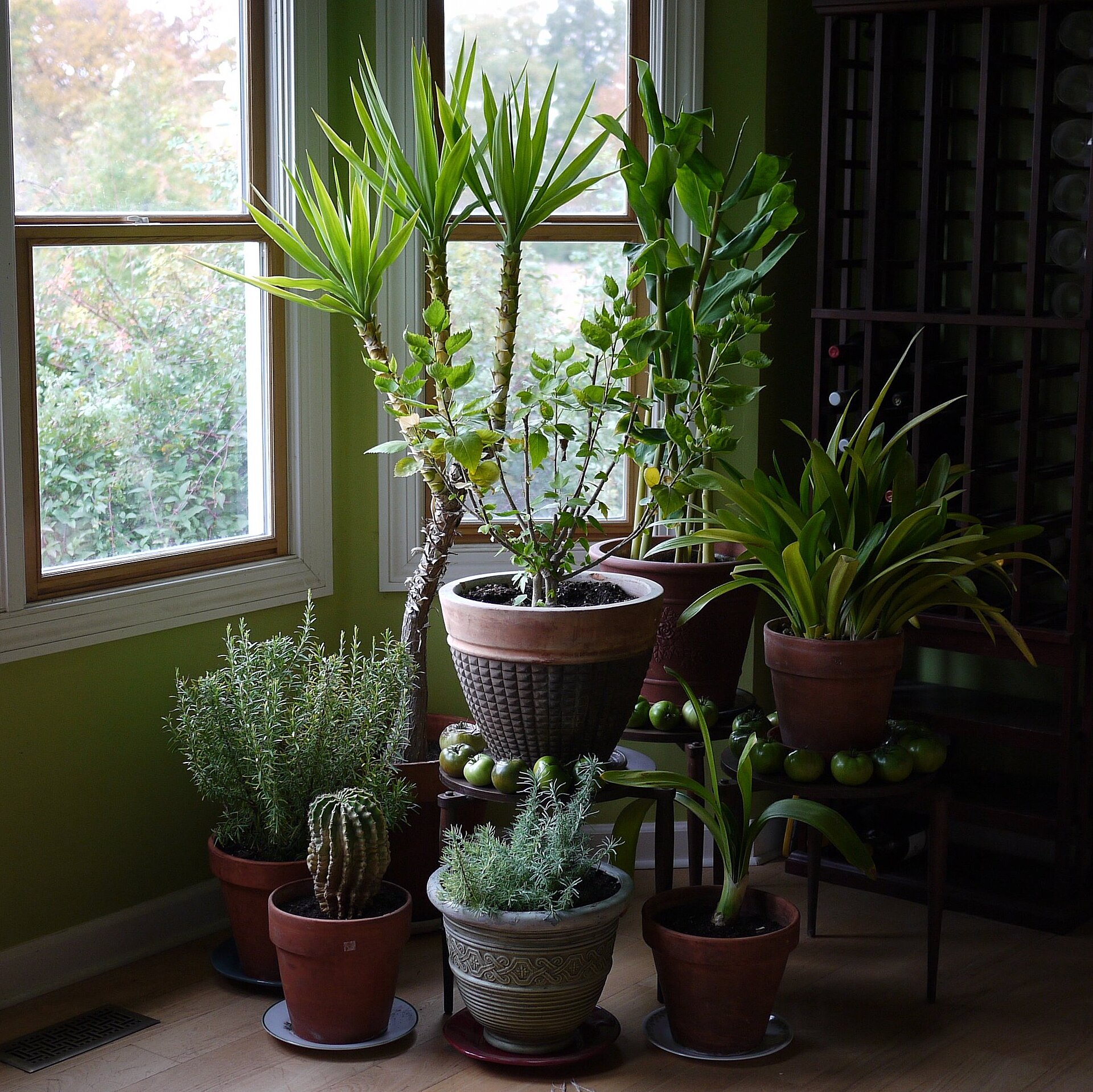
Several houseplants grouped together indoors near a window. Photograph: the subject
Image Credits: Wikimedia Commons
How to help a moved plant settle
Start by matching the old conditions as closely as you can. Put the plant in a spot with similar light to its old one, away from radiators, air conditioning vents and drafty doors.
Keep the plant in that spot and resist moving it again. Every extra move restarts the adjustment clock, so stability matters more than finding a perfect position on day one.
Check the soil with a finger before watering. Water only when the top inch or two feels dry, and always empty the saucer so the pot never sits in standing water.
Do not repot at the same time as moving. Unless the plant is severely rootbound or sitting in waterlogged soil, wait at least two to four weeks before disturbing its roots, as our guide to how often to repot a houseplant explains.
Hold off on fertilizer until you see new growth. Feeding a stressed plant can burn delicate roots, and the plant cannot use extra nutrients while it is still adjusting.
Group humidity-loving plants together, or run a humidifier nearby. Grouping raises the moisture in the air around the leaves, which slows the water loss that drives leaf drop.
Give the plant two to six weeks before judging the move a failure. Fast adapters such as pothos and snake plants often settle in one to two weeks, while fiddle leaf figs and orchids can take four to six weeks to show recovery.
When leaf drop means something else
Some symptoms point past ordinary adjustment. Mushy or black stems suggest root rot, and that plant needs dry soil and drainage fast, not more water.
Fine webbing under the leaves points to spider mites, which thrive in dry indoor air. Sticky residue on leaves or stems suggests scale or aphids feeding on sap.
Leaves that fall with soft, limp stems and a sour smell from the soil are another warning sign. That combination usually means the roots have been sitting wet for too long.
No new growth after six to eight weeks is also worth investigating. It usually means the light is too low or the plant is still being overwatered, and both are fixable once spotted.
A plant that loses every leaf but keeps firm, green stems can still recover. Keep it in bright indirect light, water sparingly, and wait for buds to appear on the bare branches.
Frequently asked questions
How long does leaf drop last after a move?
Most plants stabilize within two to six weeks. Fast adapters settle in one to two weeks, while slower species such as fiddle leaf figs and orchids can take four to six weeks.
Should I cut off yellow leaves?
Remove leaves only once they are fully yellow or dead, using clean scissors. Leave partly green leaves alone, because they still make energy for the plant.
Is it safe to repot right after moving?
It is better to wait two to four weeks unless the plant is rootbound or waterlogged. Repotting adds root disturbance on top of environmental stress, which makes leaf drop worse.
Will a plant that lost all its leaves recover?
It can, if the stems stay firm and green and the roots are healthy. Keep it in bright indirect light, water sparingly, and look for new buds over the following weeks.
The bottom line
Leaf drop after a move is usually a plant rebalancing itself, not a plant giving up. Match the old light and temperature as closely as you can, water only when the soil needs it, and give the plant several calm weeks.
If stems stay firm and new growth appears, the move worked. The leaves it shed were the price of settling in, and the growth that follows will be built for the new spot.
Tags: Houseplants, Indoor plants, Plant care, Moving house
Rive News is a research desk covering home, health, money and everyday science topics, writing explainers from public sources rather than personal experience.
Related
- Why Houseplant Leaves Turn Yellow and Drop One by One
- Why Indoor Plants Get Brown Leaf Tips and How to Fix Them
- Why Orchid Flowers Fall Off After Bringing Them Home
Subscribe for one practical home and garden explainer each week.
Rive News publishes general information only. Corrections are welcome through the research desk.
Related stories
What Is Companion Planting and Does It Work?
Marigolds work as a nematode cover crop, but the basil flavor claim failed repeated tests. An honest evidence review of what companion
Determinate vs. indeterminate tomatoes: growth, pruning, and harvest differences
Determinate tomatoes grow to a set size and ripen all at once, while indeterminate types vine all season. That one difference shapes

How to improve clay soil for gardening
Gypsum will not fix ordinary clay soil, say extension experts. What actually works: 2 to 3 inches of compost, mulch, better drainage,