
Why do lettuce leaves turn bitter in summer?
Key takeaways
- Lettuce turns bitter when heat, bolting, or uneven water pushes it to make bitter defence compounds.
- Bolting is the main trigger: once a flower stalk rises, the leaves near it taste the worst.
- Shade, steady moisture, heat-tolerant varieties, and morning harvests keep summer lettuce sweet.
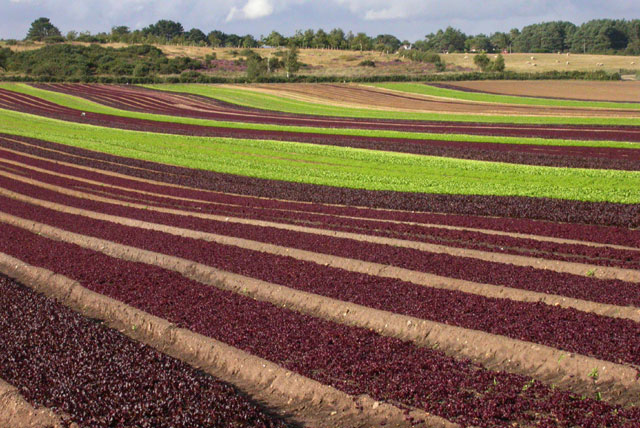
A salad that tasted sweet in May can turn sharp and unpleasant by July, with no change in how you grow it. The leaves look fine, but the first bite is bitter, almost peppery. The plant is not diseased, and the soil is not at fault.
Summer heat has pushed the lettuce into defence mode.
This article explains why lettuce leaves turn bitter in summer, including the chemistry behind the taste, the role of bolting, and the steps that keep leaves sweet.
The bitter chemistry inside the leaf
The bitterness comes from a group of natural compounds called sesquiterpene lactones. The two main ones in lettuce are lactucin and lactucopicrin. They sit in the milky white sap, called latex, that beads up when you snap a lettuce stem or cut a leaf.
The plant makes these compounds to defend itself. Bitter sap discourages insects and grazing animals, so a plant under stress ramps up production. When growth is fast and the weather stays mild, the levels stay low and you never taste them.
Once the plant feels stressed, it pumps out more, and the leaves turn sharp.
You can see the sap yourself. Snap a stem on a bitter plant and a white, milky liquid appears at the break. The more it runs, the more bitter the plant is likely to taste.
Cooler leaves near the base stay milder for a while, while leaves close to the rising stalk taste the worst.
The good news is that these compounds are not toxic. Bitter lettuce is safe to eat, according to both CropFarming and Better Homes and Gardens. The taste and texture simply put most people off, which is why bitter heads usually get tossed.
The rest of this article shows how to avoid that waste.
Bolting: the main reason summer lettuce turns bitter
Bolting is the single biggest cause of bitter lettuce. Bolting means the plant stops making tender leaves and starts pushing up a flower stalk to set seed. During that shift, it sends bitter compounds straight into the leaves.
You can spot bolting early. The centre of the plant stretches upward. The head turns cone-shaped.
A thick stalk rises from the middle. Once a stalk shows, the leaves near it taste the worst, so the best move is to pick the whole plant before it gets tall. After the stalk passes a few inches, the raw leaves are usually too harsh to enjoy.
Three triggers drive bolting: heat, long days, and uneven water. Lettuce is a long-day plant, so once daylight runs past about 12 to 14 hours, the plant reads the signal to reproduce. That is why bolting peaks around the summer solstice.
Heat is the strongest trigger of the three, and water stress speeds everything up.
Bolting is the plant's natural end-of-life process. It is common in cool-season crops such as cilantro, spinach and broccoli, all of which bolt when summer arrives. You cannot prevent bolting forever, but you can delay it long enough to bring in a good harvest.
Heat stress and the 75-degree line
Lettuce grows best between 60 and 70 degrees Fahrenheit. Once daytime temperatures sit above 75 degrees, the plant ramps up bitter compounds to protect itself. Warm nights make it worse, because the plant never gets a chance to cool off and recover.
Heat does double damage. It raises bitterness directly, and it triggers bolting at the same time. A single hot stretch in June can sour a whole bed.
Better Homes and Gardens puts the trigger point clearly: bolting begins when daytime temperatures exceed 75 degrees and night-time temperatures rise above 60 degrees.
This is why the same variety tastes sweet in spring and bitter in summer. The plant has not changed. The temperature has.
A bed that produced crisp leaves in May can turn bitter in July after a week of heat, even if you water it the same way.
Shade is the most direct answer to heat. Plant lettuce where taller crops such as tomatoes or corn give afternoon shade, or drape shade cloth over hoops above the bed. Morning sun and afternoon shade is the ideal pattern for summer lettuce.
Mulch also helps, because it keeps the soil cool and holds moisture in the root zone.
Uneven water makes bitterness worse
Lettuce has shallow roots and thin leaves, so it feels dry soil fast. When the bed swings between bone-dry and soaked, the plant reads the change as stress and builds up bitter compounds. Steady moisture is the fix.
Keep the top few inches of soil consistently damp, not soggy. Mulch with straw, grass clippings or shredded leaves to hold moisture in and buffer temperature swings. A soaker hose or drip line beats overhead watering for even delivery, because it puts water at the roots without wetting the leaves.
Check the bed daily during hot weather. Lettuce in containers dries out faster than lettuce in the ground, so pots may need water twice a day in a heatwave. Do not let the bed dry out completely between waterings, and do not flood it to catch up.
Steady, even moisture keeps the plant calm.
Fertility plays a smaller role. Too little nitrogen slows growth, and slow-growing lettuce tastes more bitter because it never gets a fast, lush start. Too much nitrogen in warm weather pushes soft growth the plant cannot hold, which also feeds bitterness.
Aim for steady, moderate feeding, and start with a soil test if you have not tested the bed before.
Variety choice and harvest timing
Some lettuce types turn bitter faster than others. Crisphead types such as iceberg bolt and sour quickly under heat. Butterhead and loose-leaf types hold their mild flavour longer and handle warm spells better.
For hot summers, choose slow-bolting, heat-tolerant varieties. Better Homes and Gardens names butterhead and romaine cultivars such as Sparx and Salvius as bolt-resistant picks. CropFarming points to Jericho, a romaine bred for desert heat, and to Buttercrunch and loose-leaf picks such as New Red Fire and Salad Bowl.
Choosing the right variety cuts the bitterness odds before you even plant.
Harvest timing matters as much as variety. Pick lettuce young and pick often. Baby leaves are the mildest, and older, larger outer leaves hold more bitter compounds than young inner leaves.
A head left for an extra two weeks tastes sharper than one picked on time. Take outer leaves first and leave the centre to keep going, which gives tender pickings over a longer window.
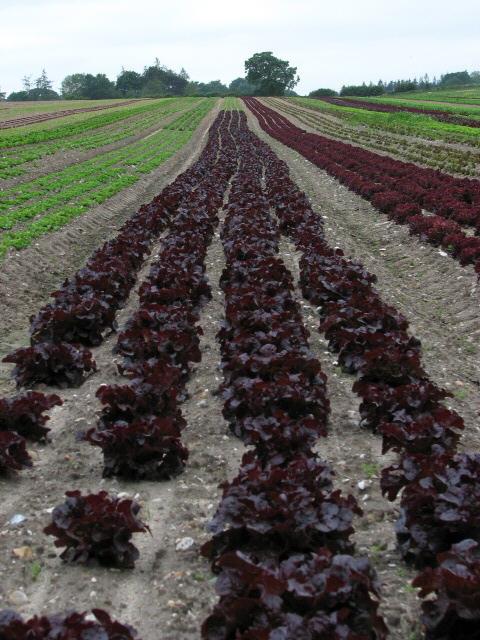
The time of day matters too. Lettuce picked in the afternoon tastes more bitter than the same lettuce picked at dawn. Through the day, the plant builds up compounds as it photosynthesises in sun and heat, and by late afternoon those levels peak.
Cut your lettuce early in the morning, when the leaves are cool, crisp and at their mildest. This one habit costs nothing but timing.
What to do with lettuce that is already bitter
If the lettuce is already bitter, you can still save it. Start with a cold soak. Plunge the leaves into a bowl of ice water for 30 minutes to an hour.
The cold firms the leaves and pulls down some of the bitterness. A day or two in the fridge does the same, and much of the sharp taste fades.
Pairing helps too. A sweet or acidic dressing, such as one with honey or vinegar, balances a bitter edge. Strong flavours in the rest of the salad, such as cheese, nuts or fruit, also mask the sharpness.
If the lettuce bolted hard and tastes harsh, skip the salad and cook it. Bolted lettuce works in soup, a sauté, or a stir-fry, where stronger flavours take over. Heavily bolted leaves can go to the chickens or the compost pile.
For other crops that struggle in heat, the same shade and mulch approach helps. See which vegetables grow in shade and how to protect plants from frost in a greenhouse.
Keeping summer lettuce sweet
The best way to avoid bitter lettuce is to keep the plant growing fast in cool, steady conditions. Plant in early spring and again in late summer for a fall crop, so the harvest matures outside peak heat. Sow seeds every few days or weeks for a continuous supply, and stop sowing when the hottest weather arrives.
In the bed, combine the defences. Give afternoon shade, mulch the roots, water evenly, and choose heat-tolerant varieties. Pick young, pick often, and pick in the morning.
Each step helps on its own, and together they keep summer salads sweet.
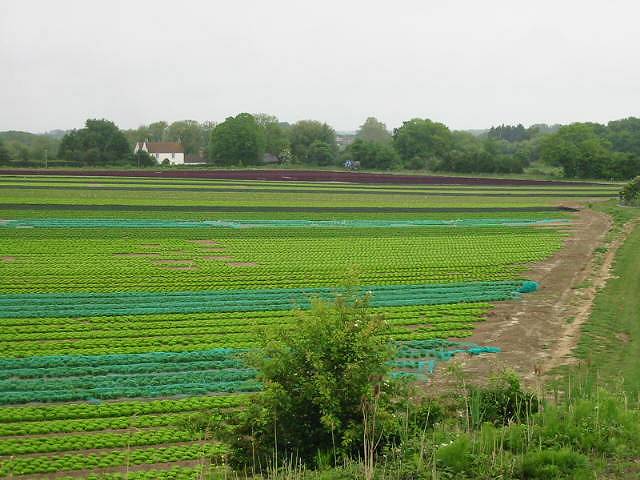
A bolted plant is not a failure. Its flowers attract pollinators, and you can collect seeds from open-pollinated varieties for the next sowing. Note that seeds from hybrids often do not produce plants identical to the parent, so save seed only from open-pollinated types.
Frequently asked questions
Is bitter lettuce safe to eat?
Yes. The bitter compounds are not toxic. Bolted or heat-stressed leaves will not hurt you.
Toss the lettuce only if it has actually spoiled, meaning slimy, rotten, or off-smelling leaves.
Can I stop a bolted lettuce plant from bolting?
No. Once the flower stalk rises, the plant has committed to flowering. Harvest it right away for the mildest leaves, or let it flower for seed and pollinators.
Does shade cloth really help lettuce in summer?
Yes. Shade cloth cuts afternoon heat and light, which delays bolting and slows the build-up of bitter compounds. Even partial shade from taller crops makes a clear difference.
Will watering more fix bitter lettuce?
Steady watering helps prevent bitterness, but it will not undo bolting once the stalk has risen. Keep the soil evenly damp from planting onward, rather than flooding a stressed bed.
The bottom line
Lettuce leaves turn bitter in summer because heat, bolting and uneven water push the plant to flood its leaves with bitter defence compounds. The fix is to keep the plant cool, steady and young: afternoon shade, mulch, even water, heat-tolerant varieties, and morning harvests. Pick early, pick often, and soak any bitter leaves in ice water.
Do that, and summer salads stay sweet.
Tags: lettuce, bolting, summer gardening, vegetable growing
Latest in Gardening
- How to fix tomato leaves that curl
- How to plant garlic in autumn for a summer harvest
- Which vegetables grow in shade
- How to grow carrots in containers without forked roots
Subscribe to the Rive News newsletter for one practical explainer in your inbox each week.
Related stories

What Is Companion Planting and Does It Work?
Marigolds work as a nematode cover crop, but the basil flavor claim failed repeated tests. An honest evidence review of what companion

Determinate vs. indeterminate tomatoes: growth, pruning, and harvest differences
Determinate tomatoes grow to a set size and ripen all at once, while indeterminate types vine all season. That one difference shapes

How to improve clay soil for gardening
Gypsum will not fix ordinary clay soil, say extension experts. What actually works: 2 to 3 inches of compost, mulch, better drainage,