
What is the best way to clean a mattress
By Rive News / Research desk | Rive News / Published October 25, 2026 at 9:00 AM PKT
Key takeaways
- The best mattress clean is dry and gentle: vacuum first, spot-treat with little water, then deodorise with baking soda.
- Baking soda needs time to work, from 30 minutes for a light refresh to several hours for strong odours.
- Never soak a mattress, and never steam memory foam, since trapped moisture can lead to mould inside the layers.

[A made bed in a cozy bedroom, the result of a finished clean.] Photograph: the bedroom
Image Credits: Wikimedia Commons
A mattress cannot go into a washing machine, yet it collects sweat, skin cells, dust and spills every night. The best way to clean one respects that limit. Use as little liquid as possible, let dry methods do most of the work, and give the mattress time to air before the sheets go back on.
The sequence matters more than any single product. Vacuum first so dirt is lifted rather than pressed in. Treat stains while they are small and damp, not after they set.
Spread baking soda only on a clean, dry surface, and vacuum it up slowly. Then air the bed until it is fully dry.
This article explains that sequence step by step, including how to handle stains, what changes for memory foam, how often to clean, and which mistakes damage a mattress.
Start by stripping and inspecting
Remove all bedding, including the mattress protector, and wash it on a hot cycle if the fabric allows. A hot wash at 60 degrees Celsius, where labels permit, helps reduce dust mites in sheets and pillowcases. Wash the protector on its own cycle, since waterproof coatings last longer in cold or lukewarm water.
While the bedding washes, look at the bare mattress in natural light. Note stains, odour spots and any discolouration before you begin. This quick inspection decides the rest of the job: a clean-looking mattress needs only the refresh steps, while a stained one needs spot treatment first.
Check the care label too. Some mattresses warn against certain cleaners, and memory foam and latex carry stricter limits than innerspring models. The label is the final word when a general guide and the maker disagree.
Vacuum slowly, including the seams
Vacuum the whole surface with an upholstery tool, moving slowly enough for suction to lift what sits below the fabric. Aim for about an inch per second, and use overlapping passes across the top, sides and base edges. Seams, tufts and piping deserve extra attention, since dust mites and debris gather in those folds.
Use a clean canister or a fresh bag, and a HEPA filter if your vacuum has one. A full canister loses suction, which turns a deep clean into a surface sweep. If the vacuum has adjustable suction, keep it firm but not so strong that it strains the fabric or pulls at foam.
Vacuum both sides where the mattress can be turned. Many modern mattresses are one-sided and should not be flipped, so rotate those head to foot instead. The same slow pass applies to the base or bed frame, which collects the same dust.
Spot-treat stains with little water
Treat stains before the baking soda step, since powder cannot lift a set stain. Mix one teaspoon of mild dish soap with 250 millilitres of cold water, and dab the solution onto the stain with a clean white cloth. Work from the outside of the stain inward so it does not spread, and blot rather than rub.
Let the soapy solution sit for five to ten minutes, then blot with a fresh dry cloth until little moisture remains. Repeat the dab and blot cycle if the stain is still visible. Cold water suits most stains; hot water can set protein stains such as blood, so keep the water cold for those.
For fresh urine, speed matters more than strength. Blot immediately with a clean towel, pressing firmly without rubbing, since rubbing drives liquid deeper.
A light mist of equal parts white vinegar and water, left for five to ten minutes and blotted dry, helps neutralise odour. An enzyme cleaner is the stronger next step for urine, because it breaks down the compounds that cause the smell rather than covering it.
Keep every liquid light. The rule that runs through every reliable guide is the same: never soak a mattress. Water trapped inside the layers dries slowly, and damp cores can smell or grow mould long after the surface feels dry.
Deodorise with baking soda
Baking soda is the workhorse of mattress cleaning because it absorbs odour and light moisture without wetting the fabric. Sprinkle an even, thin layer over the whole top surface, using about one cup for a twin bed and up to two cups for a king. A clean, dry brush can work the powder lightly into the fabric.
Time is what makes this step work. Leave the baking soda for at least 30 minutes for a light refresh, and for two to eight hours where odour is strong.
Overnight is fine if you can sleep elsewhere or start early in the day. A common mistake is sprinkling, waiting fifteen minutes, and vacuuming at speed, which lifts little of what the powder was meant to absorb.
A few drops of essential oil mixed into the baking soda before sprinkling can add scent, but keep the amount tiny and skip oils entirely in children's rooms or around sensitive lungs. Test any scented mix on a small corner first, since oils can mark fabric.
Vacuum the powder up with the same slow, overlapping passes as before, going over the surface twice if needed. Check seams again, since powder settles into folds. The mattress should smell neutral, not perfumed, when the powder is fully removed.
Air it out before remaking the bed
Airing is the step most often skipped, and it is the one that prevents damp problems. Open the window, pull the bedding back, and let fresh air and daylight reach the mattress for several hours if possible. Sunlight through a window helps, though it is not a substitute for full drying.
Do not remake the bed while any spot still feels damp. A mattress that is made up wet traps moisture under sheets and a protector, which is exactly the condition mould needs. If a stain was treated, press a dry towel into the spot and check it after an hour before deciding the bed is ready.
A washable protector is the best defence against the next clean. It takes spills instead of the mattress, and it goes into the machine while the mattress only needs vacuuming. Some makers note that stains can void mattress warranty coverage, which makes a protector cheap insurance as well as easier cleaning.
What changes for memory foam and latex
Memory foam and latex need the gentlest version of this routine. Vacuum and baking soda suit them well, but liquids must stay minimal and steam is out entirely. Heat and moisture can damage foam and leave damp cores that smell or grow mould, so skip steam cleaners on these materials.
Support foam while cleaning it, since unsupported foam can tear when lifted or bent. Work in place rather than dragging the mattress around the room. Let foam dry longer than an innerspring mattress after any spot treatment, and do not cover it until it is fully dry to the touch.
Innerspring and hybrid mattresses tolerate the same routine with a little more margin. They still suffer if soaked, so the same light-liquid rule applies. Pillow-top models clean like fabric upholstery: vacuum, blot stains, dry thoroughly, and treat the soft top layer gently.
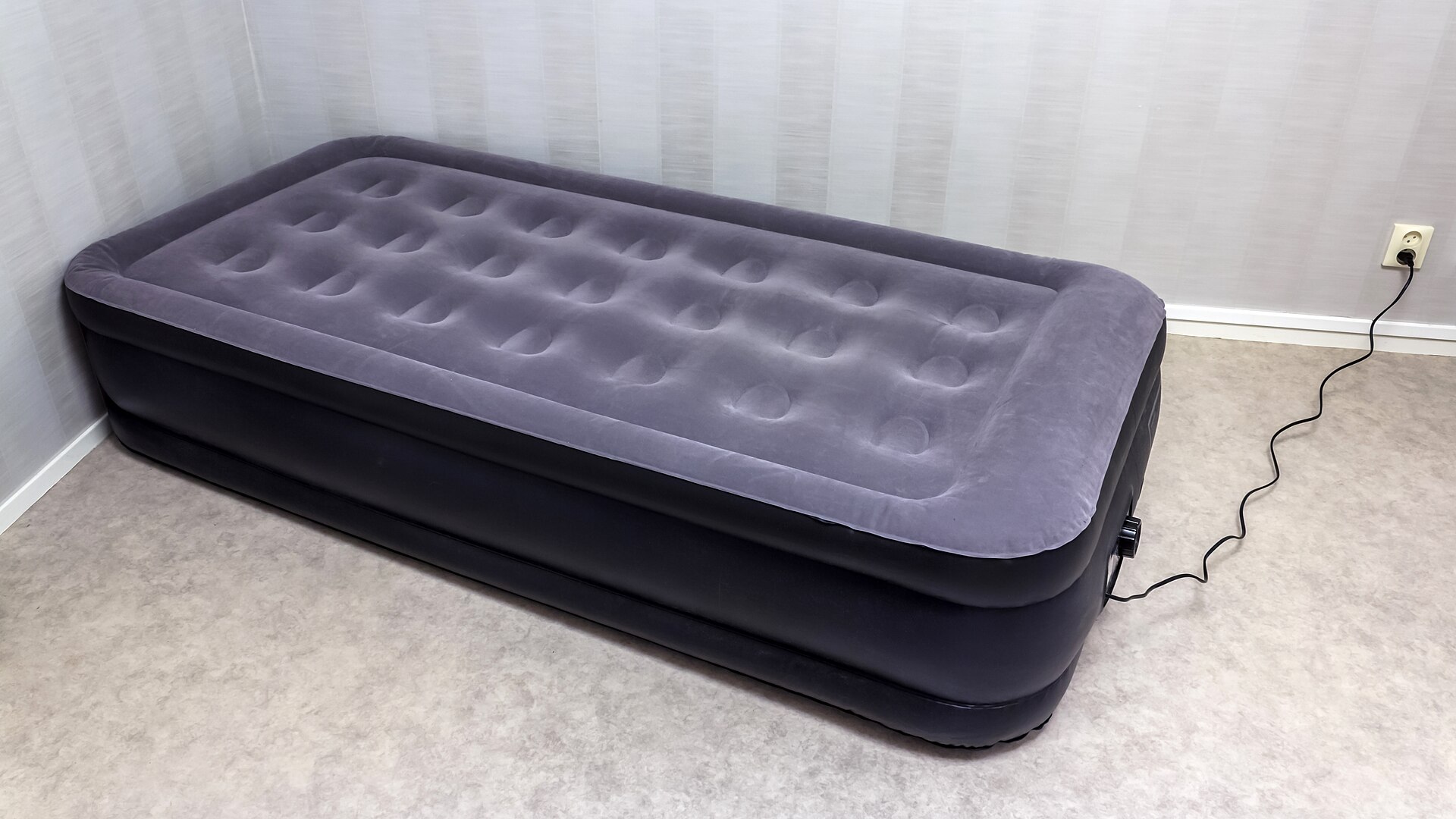
[An air mattress, which suits the same vacuum and airing routine as other mattresses.] Photograph: the air mattress
Image Credits: Wikimedia Commons
How often should you clean
A basic clean every three to six months suits most households, with a full refresh each time. Homes with pets or seasonal allergies benefit from the shorter end of that range, around every three months. A quick vacuum of the mattress surface each week, when sheets are changed, keeps dust from building up between deep cleans.
Wash sheets weekly in hot water and dry them fully before making the bed. Air the bed each morning by folding the duvet back for at least twenty minutes, which lets overnight moisture escape instead of settling into the mattress. Keep bedroom humidity between 40% and 50% where possible, since dry air discourages dust mite growth.
Replace rather than clean a mattress that smells of mould through its layers, sags deeply, or carries stains that cover a large area. Professional cleaning can help with deep or uncertain stains, since pushing dirt deeper with home methods can make the problem worse.
Frequently asked questions
Can I use vinegar on a mattress?
A light mist of diluted vinegar suits a small stain, followed by blotting and full drying. Pouring vinegar on, or soaking a stain with it, drives moisture into the layers and creates a new problem. Use vinegar sparingly, only on the stain itself, and never as a whole-mattress spray.
Does baking soda kill dust mites?
Baking soda absorbs odour and moisture, and vacuuming removes dust and mites from the surface, but baking soda alone does not sterilise a mattress. Hot washing of bedding, a zippered encasement and dry indoor air do more against mites than any powder. Think of baking soda as a deodoriser, not a disinfectant.
How long should baking soda stay on a mattress?
Thirty minutes is the minimum for a light refresh, while two to eight hours suits strong odours. Overnight works when the bed can stay stripped that long. The longer dwell time matters because the powder needs contact time to absorb odour and moisture before vacuuming.
Can I steam clean a mattress?
Steam suits some innerspring models if the label allows it, but skip steam on memory foam and latex entirely. Heat and moisture can damage foam and leave damp cores. For most homes, vacuuming plus baking soda plus airing gives a cleaner result with less risk.
The bottom line
The best way to clean a mattress follows a dry, patient order: strip and inspect, vacuum slowly including seams, spot-treat stains with little water, let baking soda sit for hours, vacuum again, and air the bed until fully dry. Avoid soaking, avoid steam on foam, and protect the result with a washable cover. Done every three to six months, that routine keeps a mattress fresh without risking the damp damage that harsh wet cleaning causes.
Tags: mattress cleaning, baking soda, home care
Rive News is a research desk that writes plain-language explainers from public sources, with no individual author persona behind the byline.
Related
- How to clean grout that turned black (without harsh fumes)
- How to Get Rid of Mould on Bathroom Walls Safely
- What is the ideal indoor humidity level, and why does it matter?
- How to reduce humidity in a room without a dehumidifier: 9 proven methods
Subscribe to Rive News for one practical explainer each morning.
Rive News follows a standards footer: facts are checked against named public sources, and corrections are published when a source is shown to be wrong.
Related stories
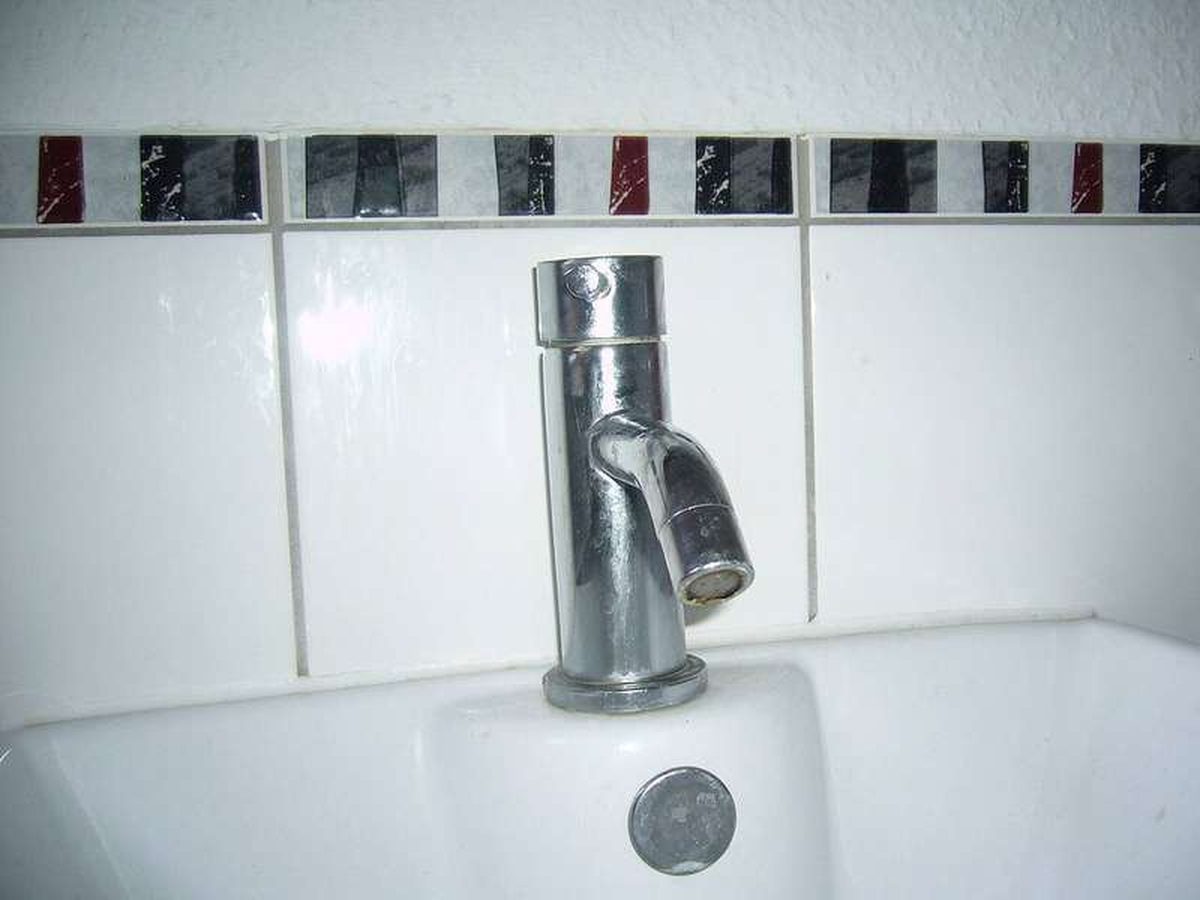
Why Your Faucet Keeps Dripping After You Turn It Off
A dripping faucet is usually a worn washer, O-ring, or cartridge that can no longer seal. One drip per second wastes over 3,000 gallons
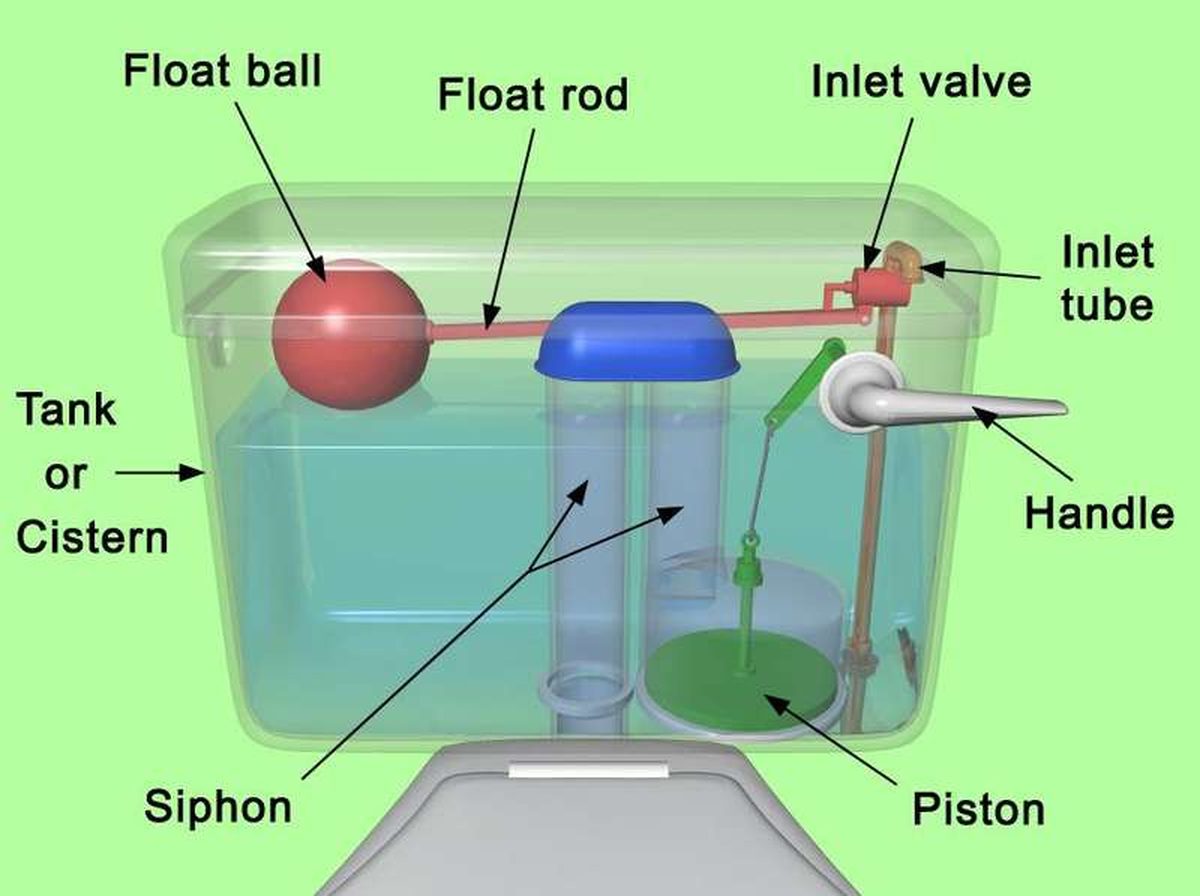
How to fix a running toilet without a plumber in 30 minutes
A running toilet can waste 200 gallons of water a day. Diagnose the flapper, float, or fill valve in two minutes, then fix it yourself

How to hang heavy shelves on drywall safely
Studs first, toggle bolts second, plastic anchors never for heavy loads. Weight ratings, installation steps, and mistakes that bring