
Latex vs oil-based paint: what is different today
By Rive News / Research desk | Rive News / Published October 27, 2026 at 9:00 AM PKT
Key takeaways
- Latex paint is water-based, dries in 2 to 4 hours per coat, and cleans up with soap and water.
- Oil-based paint dries in 24 to 48 hours per coat, gives a harder finish, and needs mineral spirits for cleanup.
- Water-based alkyds now offer an oil-like hard finish on trim with low odour and water cleanup.
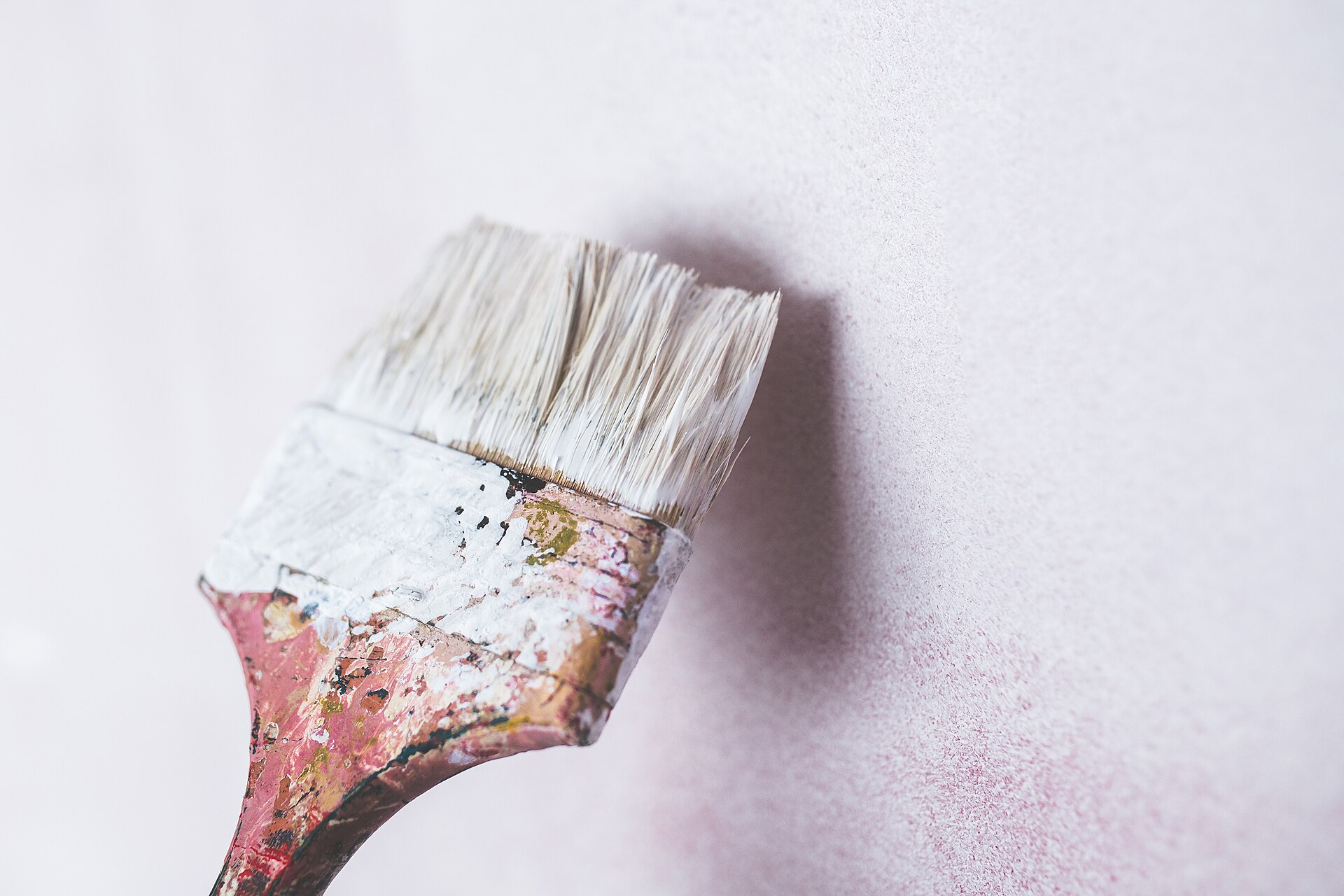
A wall being painted with a brush, the most common job for latex paint. Photograph: Art wall brush painting
Image Credits: Wikimedia Commons
Latex paint and oil-based paint differ in what carries the pigment, and that one difference drives almost everything else: drying time, cleanup, flexibility, smell, and how the finish ages. Latex paint is water-based, with acrylic or vinyl resins suspended in water. Oil-based paint uses alkyd resins dissolved in a solvent such as mineral spirits.
The gap between them has narrowed. Modern latex paints are far tougher than the early versions, and a newer class called water-based alkyds gives trim a hard, oil-like finish without the solvent smell. This article explains what each type is, how they compare, when each still wins, and how to tell what is already on your walls.
What latex paint is
Latex paint is a water-based coating whose binder is an acrylic or vinyl polymer emulsion. When the water evaporates, the polymer particles fuse into a flexible film. That flexibility is its signature strength: the film stretches slightly with temperature changes instead of cracking, which is why latex does well on exterior walls and on wood that moves with the seasons.
Drying is fast. A coat of latex typically dries in 2 to 4 hours, so a room can often be recoated the same day. Cleanup needs only soap and water, and odour is low, which makes latex the default choice for occupied homes.
Low-VOC and zero-VOC versions are widely available, a point in its favour for bedrooms and nurseries.
The trade-offs are real but narrower than they used to be. Standard latex is softer than oil on high-wear trim, so it can show scuffs sooner on doors and cabinets. It also grips poorly on glossy or previously oil-painted surfaces unless the surface is sanded and primed first.
Premium 100 percent acrylic latex closes much of the durability gap, but it still does not match oil for sheer surface hardness.
What oil-based paint is
Oil-based paint, usually called alkyd paint, uses alkyd resins dissolved in an organic solvent. It dries by oxidation rather than by water evaporation: the solvent leaves first, then oxygen from the air slowly hardens the resin into a tough film. That slow cure is both its strength and its inconvenience.
The finish is hard, smooth, and level. Brush marks flow out as the paint dries slowly, which is why oil was the traditional choice for trim, doors, and cabinets. It also adheres well to properly prepared wood and metal.
A coat takes 24 to 48 hours to dry, and full hardness can take 7 to 30 days, so a painted door may need to stay off its hinges or handled gently for days.
The costs are smell, cleanup, and yellowing. Oil paint has high volatile organic compound (VOC) content and a strong odour, so ventilation is essential during application. Brushes and spills need mineral spirits or turpentine, not water.
And oil-based white paint tends to yellow over time, especially in low-light rooms, which is why a once-white door can turn cream in a dark hallway.
Side-by-side comparison
The table below gathers the practical differences in one place, drawing on published comparison guides from painting suppliers.
| Feature | Latex (water-based) | Oil-based (alkyd) |
| Drying time per coat | 2 to 4 hours | 24 to 48 hours |
| Full cure | 14 to 30 days | 7 to 30 days |
| Cleanup | Soap and water | Mineral spirits |
| Odour and VOCs | Low to minimal | Strong, high VOCs |
| Flexibility | High, resists cracking | Low, can turn brittle |
| Yellowing | No | Yes, especially in low light |
| Best for | Walls, ceilings, large areas | Trim, doors, cabinets |
Two rows deserve emphasis. Flexibility matters most outdoors, where freeze and thaw cycles punish rigid films: latex stretches, oil can crack. Yellowing matters most for white trim in dim rooms, where oil's slow colour shift is easy to see after a year or two.
The third option: water-based alkyds
The old either-or choice now has a middle path. Water-based alkyd paints use alkyd resins carried in water rather than solvent. They dry in 2 to 4 hours like latex, clean up with soap and water, and have low odour, yet they cure to a hard, smooth finish much closer to oil on trim and doors.
Full cure typically takes 14 to 21 days.
For many homeowners, this is now the sensible default for interior trim. It removes the main reason people tolerated oil's smell and slow drying, while keeping the hard finish that made oil attractive. Availability is wide, and the price sits near premium latex rather than specialty coatings.
If a project involves trim, doors, or cabinets and the painter wants a hard finish without solvent cleanup, a water-based alkyd is worth asking for by name.
How to tell what is already on your walls
Painting over the wrong type causes the classic failure: latex applied directly over intact oil paint without primer can lose adhesion within a season or two, because the two binder chemistries resist bonding. Testing first takes a minute and prevents a peeling mess.
The standard test uses denatured alcohol. Dampen a cotton ball or cloth with it and rub firmly over a small, inconspicuous area. If paint transfers to the cotton, the surface is latex.
If nothing transfers, the surface is oil-based and needs an oil-based or shellac-based bonding primer before latex or a water-based alkyd goes on top.
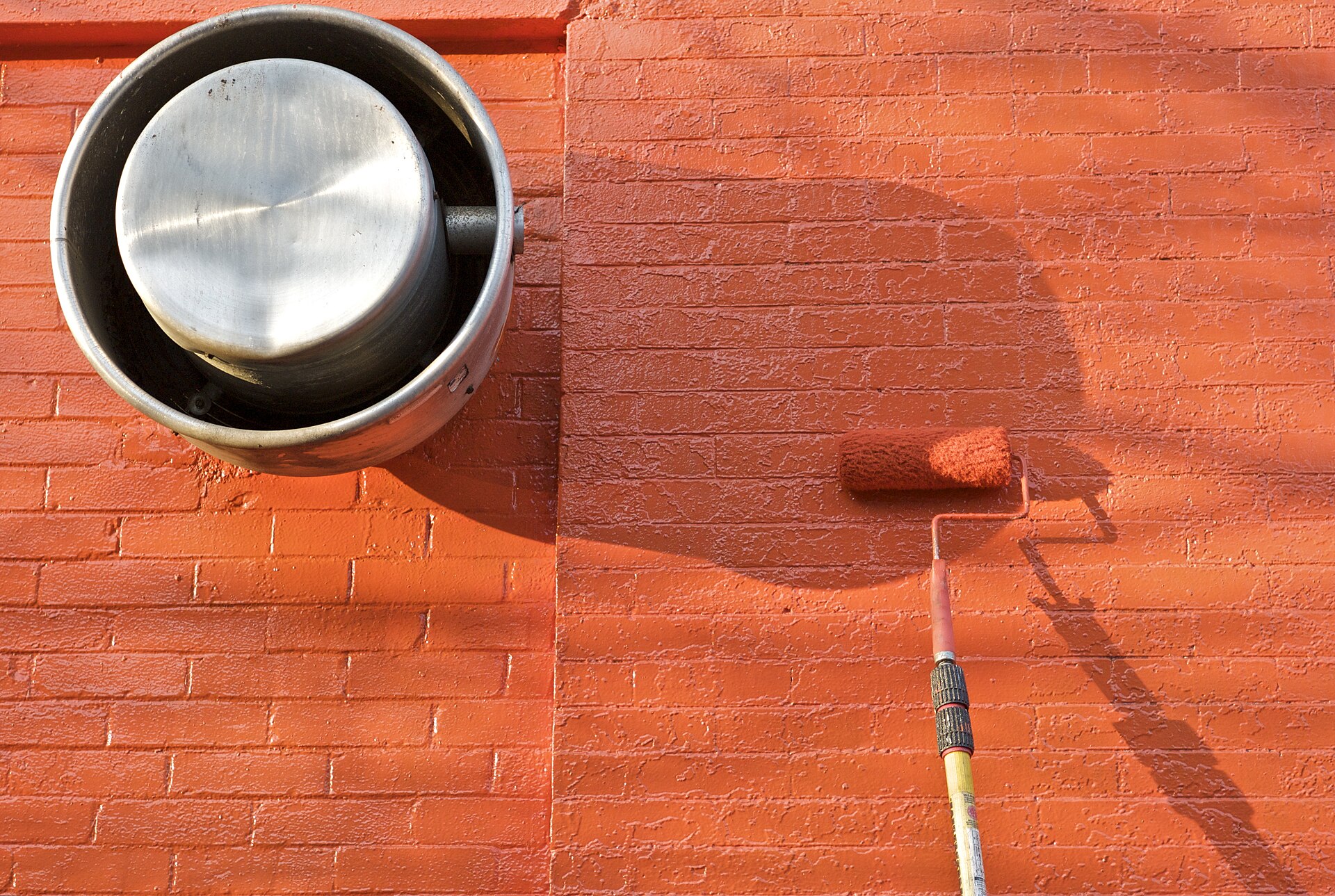
A paint roller, the usual tool for large latex-painted surfaces. Photograph: Paint roller
Image Credits: Wikimedia Commons
Age gives a clue too. Homes painted before the 1990s often carry oil paint on trim, since latex only became dominant for interiors later. Glossy, very smooth, slightly yellowed trim in an older house is a strong hint of oil, but the alcohol test is the reliable check, not the guess.
Which paint for which job
Walls and ceilings favour latex. The area is large, speed matters, low odour matters, and flexibility helps the finish survive seasonal movement. A quality acrylic latex in the desired sheen covers nearly every wall job well.
Trim, doors, and cabinets are where the choice gets interesting. Oil still gives the hardest traditional finish, but water-based alkyds now match it closely with far easier application. Standard latex works on trim too, especially in low-wear rooms, but it will show scuffs sooner in busy hallways and on kitchen cabinets.
Kitchens and bathrooms favour latex or water-based alkyd in a semi-gloss or gloss sheen. These rooms need moisture resistance and washability, and modern latex formulations handle both. Oil's moisture resistance was once a selling point here, but its yellowing and slow drying now count against it in most cases.
Exteriors favour latex for most siding and masonry, because flexibility survives weather cycles. Oil still appears on metalwork and some specialty exterior jobs, where its adhesion and hard film help, but regulations have restricted oil-based residential paints in several regions, and many formulas have been discontinued.
Mistakes that cause peeling
The most common mistake is skipping primer over oil paint. Latex over unprimed oil looks fine for weeks, then peels in sheets, often blamed on the paint rather than the preparation. The fix is boring but effective: sand lightly, clean the dust, and apply a bonding primer rated for the transition.
The second mistake is painting in bad conditions. Latex applied below its recommended temperature or onto a damp surface can fail to form a proper film. Oil applied in a cold, poorly ventilated room stays tacky for days and collects dust.
Checking the can's temperature and humidity guidance is unglamorous and decisive.
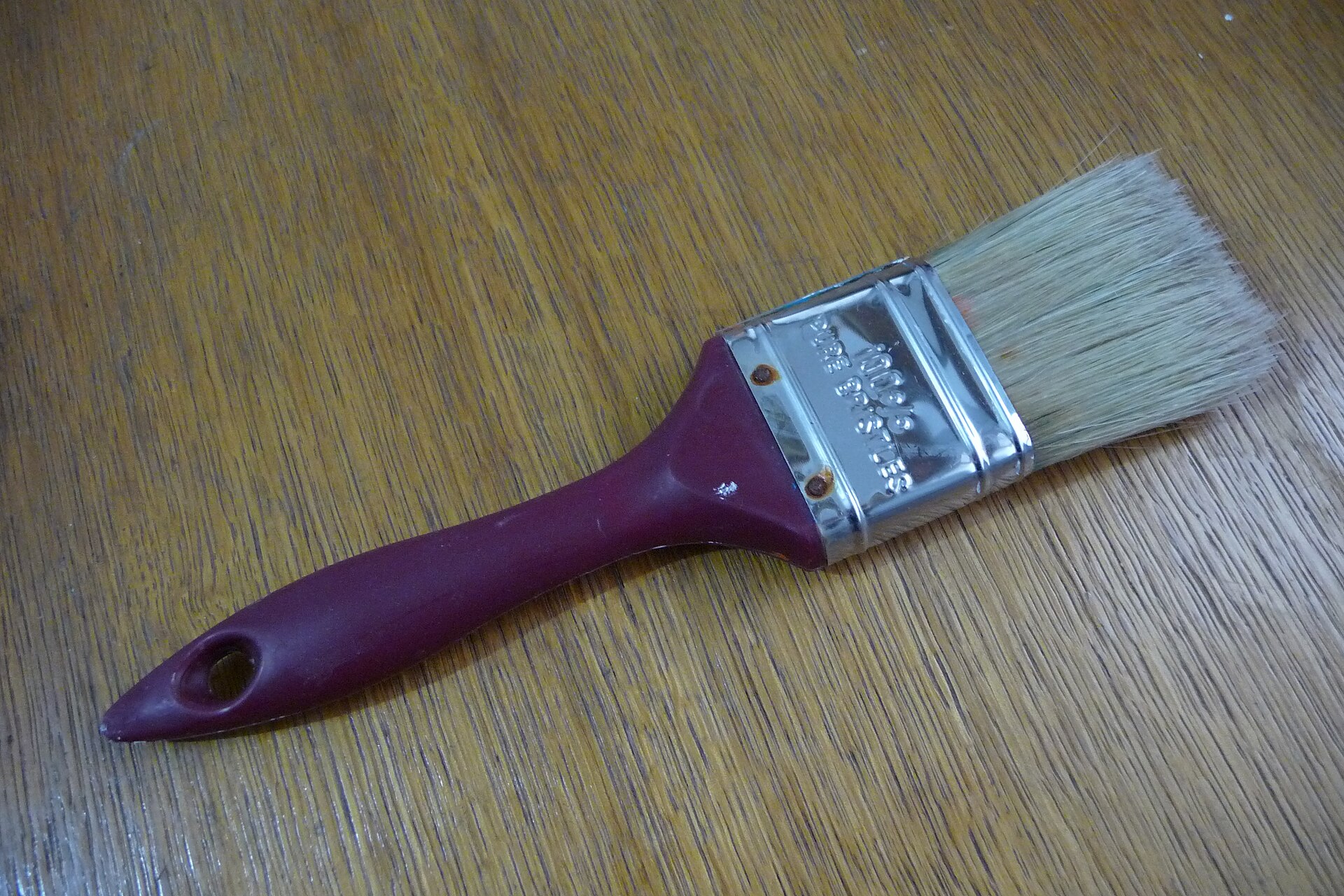
A paint brush, the tool for edges and trim work. Photograph: Paint brush
Image Credits: Wikimedia Commons
The third mistake is confusing dry with cured. A latex coat that feels dry in 4 hours is not fully hard for two to four weeks, and an oil coat that feels dry in two days is not fully hard for up to a month. Hanging pictures, reinstalling hardware, or scrubbing the surface during the cure window can mark a finish that would otherwise have lasted years.
Frequently asked questions
Can I paint latex over oil-based paint?
Yes, with the right preparation. Sand the surface, clean it, and apply a bonding primer made for the transition, then paint with latex or a water-based alkyd. Skipping the primer risks peeling.
Does latex paint last as long as oil paint?
On walls, yes, and often longer outdoors because it flexes instead of cracking. On high-wear trim, traditional oil is harder, but water-based alkyds now offer similar hardness with easier application.
Why does oil-based white paint turn yellow?
Alkyd resins yellow as they age, especially in low-light areas where ultraviolet light does not bleach the colour back. Latex paints do not yellow this way, which is why they stay white in dark hallways.
Is oil-based paint still available?
Availability has narrowed. Regulations in several regions restrict high-VOC residential oil paints, and many formulas have been discontinued. Water-based alkyds have taken over much of the trim market that oil once held.
The bottom line
Latex paint wins on speed, cleanup, flexibility, and low odour, which is why it covers most walls today. Oil-based paint still offers a hard, smooth finish, but its slow drying, solvent cleanup, and yellowing make it a specialty choice rather than a default. For trim, the modern answer is often neither in its old form: a water-based alkyd gives the hard finish once unique to oil, with the easy working properties of latex.
Whatever the choice, the alcohol test and a bonding primer matter more than the brand on the can.
Tags: latex paint, oil-based paint, painting, alkyd paint
Rive News is a research desk covering practical science and everyday questions, writing from published sources rather than personal experience.
Related
- How to fill cracks in plaster walls before painting
- Why does paint peel off bathroom walls and how to fix it
- How to get paint off hardwood floors
- What primer actually does that paint does not
Subscribe to Rive News for one practical explainer like this each day.
Rive News publishes general information from public sources. Corrections are welcome and will be noted on the article.
Related stories
Why Your Faucet Keeps Dripping After You Turn It Off
A dripping faucet is usually a worn washer, O-ring, or cartridge that can no longer seal. One drip per second wastes over 3,000 gallons
How to fix a running toilet without a plumber in 30 minutes
A running toilet can waste 200 gallons of water a day. Diagnose the flapper, float, or fill valve in two minutes, then fix it yourself
How to hang heavy shelves on drywall safely
Studs first, toggle bolts second, plastic anchors never for heavy loads. Weight ratings, installation steps, and mistakes that bring