
Why doors swell and stick in humid weather: wood science
By Rive News / Research desk | Rive News / Published October 27, 2026 at 9:00 AM PKT
Key takeaways
- Wood is hygroscopic: it absorbs moisture from humid air until it reaches equilibrium with its surroundings.
- Swelling happens mostly across the grain, so a door grows wider and thicker while barely changing in height.
- A rise in relative humidity from 40% to 80% can widen a solid wood door by about 1/8 of an inch, enough to close its frame gap.
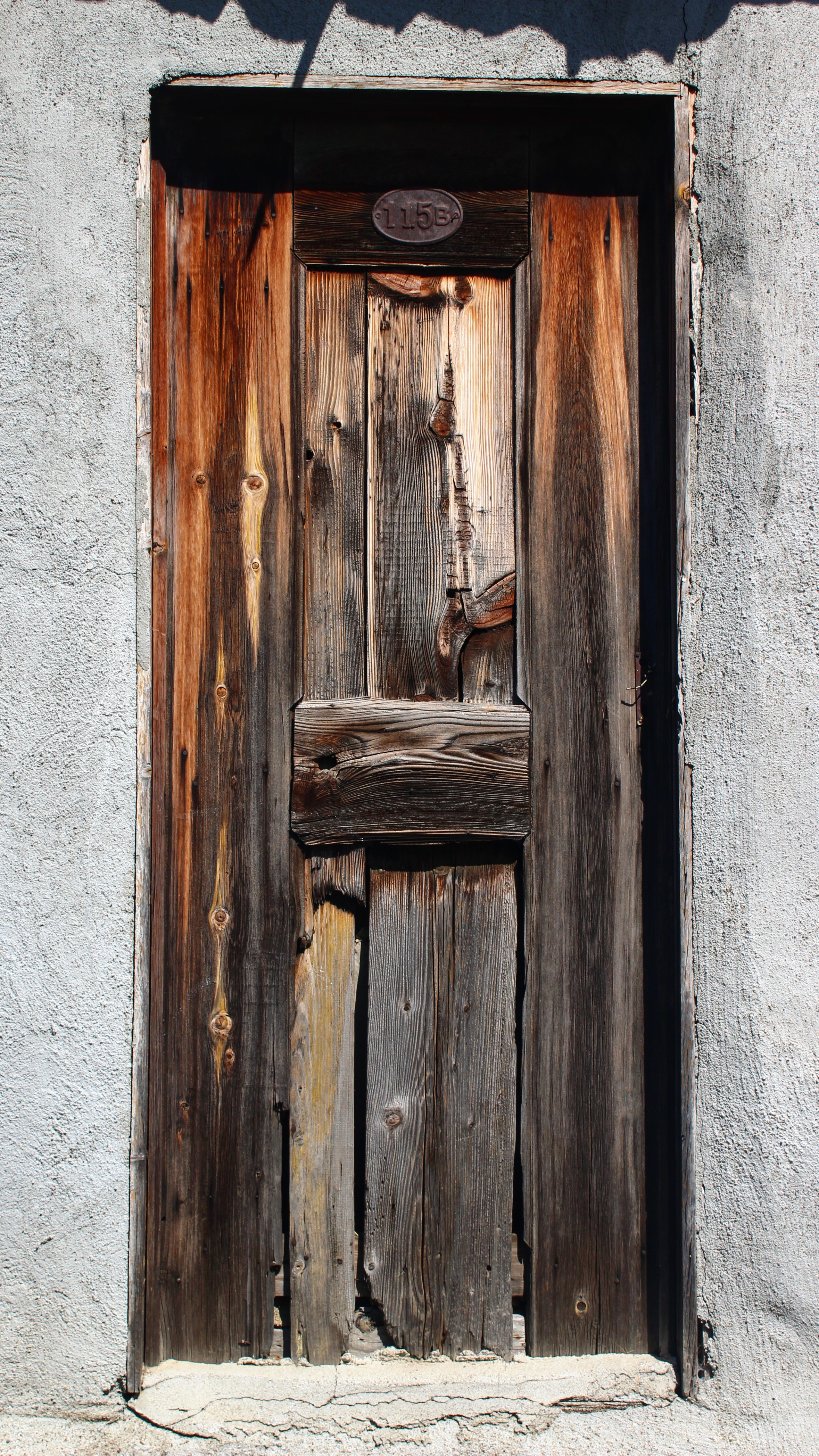
An old wooden door, showing its panels and grain. Photograph: Kızıl
Image Credits: Wikimedia Commons
A door that closed smoothly in winter can drag and stick by midsummer. The usual cause is not the heat itself but the moisture in the air.
Wood takes in water vapor from humid air and gives it back when the air dries. As it absorbs moisture, its fibers swell, the door grows slightly larger, and the small clearance gap around it disappears.
This article explains why doors swell and stick in humid weather, including what wood does with moisture, why swelling hits the width hardest, how to tell swelling from other problems, and which fixes actually last.
What wood does with moisture
Wood is hygroscopic, meaning its structure naturally attracts and holds water molecules from the surrounding air. The cellulose and hemicellulose in cell walls contain hydroxyl groups that bond readily with airborne water vapor.
When humidity rises, wood absorbs vapor until it reaches an equilibrium moisture content with the air. When humidity falls, it releases moisture and shrinks back. The cycle repeats with the seasons, year after year.
The absorbed water does not sit in the empty pores of the wood. It enters the cell walls themselves and pushes the cellulose microfibrils apart, which is what makes the whole piece grow.
Why swelling hits the width hardest
Wood does not swell evenly in every direction. It barely changes along the grain, but it expands significantly across the grain, and tangential movement, parallel to the growth rings, is often about double the radial movement across them.
Typical tangential expansion from dry to green conditions ranges from 5% to 12%, depending on species. Doors are built with their width oriented across the grain, so that expansion shows up exactly where it causes trouble: width and thickness.
The USDA Forest Service Wood Handbook adds a key limit. Wood is dimensionally stable above the fiber saturation point, about 30% moisture content, and changes size only as it gains or loses moisture below that point.
That detail explains the scale of the problem. A sustained rise in relative humidity from 40% to 80% can increase a standard solid wood door's width by as much as 1/8 of an inch, according to Engineer Fix. Most doors are fitted with gaps of about that size, so the growth is enough to cause binding.
Why summer and damp rooms are worst
Warm air holds substantially more moisture than cold air, so summer and rainy seasons bring the highest indoor humidity. That is why a door that fits in January can stick in July and fit again by December.
Bathrooms, laundry rooms, and exterior doors face extra exposure. Steam, splashing, and rain seeping behind trim can push moisture into the frame as well as the door slab.
Direct water contact causes faster, more localized swelling than humid air alone. A leak or unsealed exterior frame can swell one section of a door while the rest stays normal.
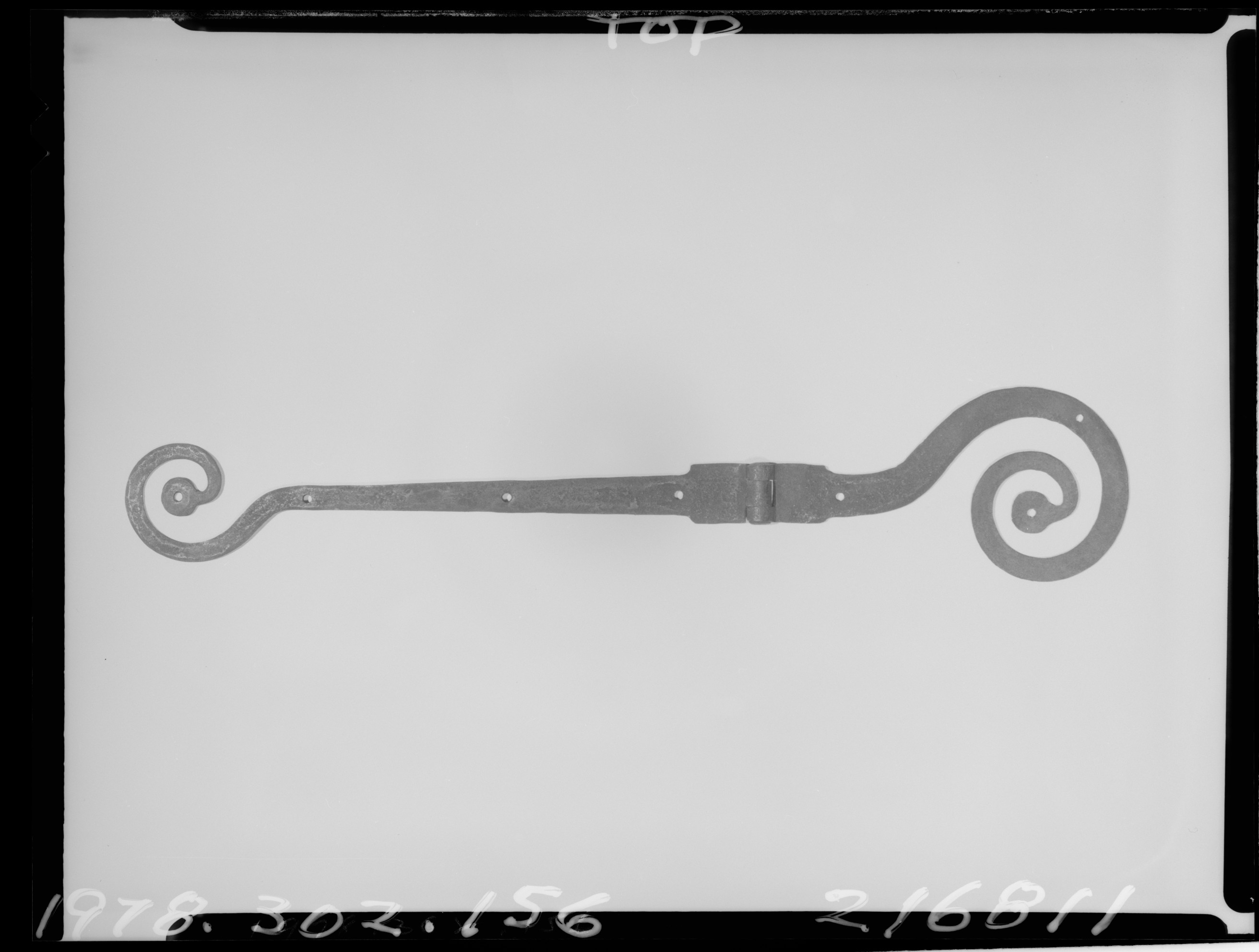
A door hinge, one of the first parts to check when a door sticks. Photograph: a door hinge
Image Credits: Wikimedia Commons
How to tell swelling from other problems
Not every sticking door is swollen. Loose hinges let a door sag, so it rubs at the top latch corner.
Foundation settling shifts the frame out of square. Layers of old paint can also eat into the clearance gap.
The pattern gives the cause away. Rubbing along a long stretch of the latch side that changes with the weather points to swelling. Rubbing only at the top latch corner points to hinge sag.
Close the door slowly until it binds, then look for shiny rub marks on the paint or finish. Those marks show exactly where the door meets the frame, and the fix should target only those spots.
Fixes that work, in order
Start with the least destructive option. Tighten every hinge screw first, since a sagging door mimics swelling and costs nothing to correct. If a screw spins freely, replace it with a longer one that anchors into the wall stud behind the frame.
For minor sticking, rub paraffin wax or a bar of soap along the contact marks. The wax creates a low-friction surface that lets the door slide past the frame, and it buys time while humidity falls.
A hairdryer or small heater aimed at the binding edge for 15 to 20 minutes can temporarily shrink the wood enough to restore function. Lowering room humidity with a dehumidifier works the same way over 24 to 72 hours, letting the door shrink naturally.
When the door still binds, remove a small amount of material from the marked area with sandpaper on a block or a hand plane. Take thin shavings, check the fit often, and remove only the minimum needed, since the door will shrink again in dry weather.
Seal any bare wood immediately after sanding or planing. Primer and paint or a clear sealant on the planed edge slows moisture re-entry, and sealing all six sides of a door, including the often-ignored top and bottom edges, is the strongest long-term protection.
Why engineered doors behave differently
Solid wood swells and shrinks fairly evenly, and the change mostly reverses when humidity falls. Engineered cores such as particleboard or medium-density fiberboard behave differently.
These composites tend to swell disproportionately at exposed edges. Moisture also weakens the glues and resins holding them together, so their swelling can be more permanent than the reversible expansion of solid timber.
Soft, spongy wood or visible rot means the material itself is compromised. In that case, replacing the affected frame section is the only lasting repair, since no amount of planing restores rotted fiber.
Frequently asked questions
Why does my door stick only in summer?
Humidity causes wood to expand, and summer air carries more moisture. If the door edge is unsealed or the home is more humid in summer, the slab swells and the gap disappears.
Should I plane a swollen door right away?
Not always. A door that sticks only for a few weeks a year is often best left alone, since planing it while swollen leaves a drafty gap once it dries and shrinks. Try wax, hinge tightening, and dehumidifying first.
How much material should I remove when planing?
As little as possible. Take thin shavings, often around 1/64 of an inch per pass, and rehang or test the fit frequently. Removing 1/32 to 1/16 of an inch total is usually enough for seasonal sticking.
Does sealing a door really prevent swelling?
Sealing slows moisture exchange but cannot stop it entirely, since wood still responds to humidity through any finish. Sealing all six sides, especially the top and bottom edges, gives the best protection.
The bottom line
A sticking door in humid weather is wood doing what wood has always done: absorbing moisture, swelling across the grain, and closing a gap measured in fractions of an inch. The fix follows the cause, so check hinges, find the rub marks, and remove as little material as possible.
Keep indoor humidity between about 30% and 50%, seal the door's edges, and most seasonal sticking stays a minor annoyance rather than a repair job.
Tags: doors, wood, humidity
Rive News is a research desk covering everyday science, home, health, and money topics in plain language.
Related
- What causes doors to stick in summer and how to fix them
- Why Does a Door Stick in Summer and How to Fix It
- Caulk vs sealant: the differences and when to use each
- How to Fill Cracks in Plaster Walls Before Painting
Subscribe for one plain-language explainer each morning.
Rive News publishes research-desk explainers; corrections are noted on the article page.
Related stories
Why Your Faucet Keeps Dripping After You Turn It Off
A dripping faucet is usually a worn washer, O-ring, or cartridge that can no longer seal. One drip per second wastes over 3,000 gallons
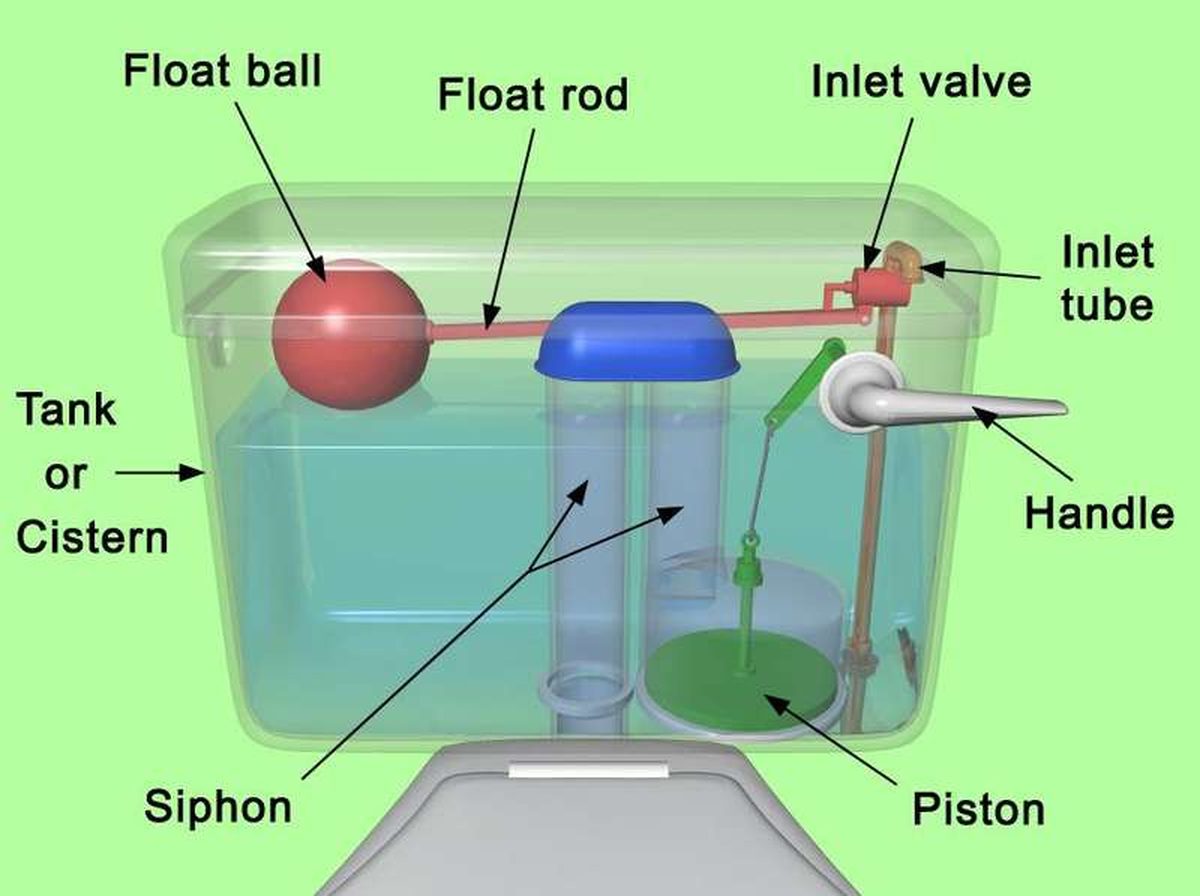
How to fix a running toilet without a plumber in 30 minutes
A running toilet can waste 200 gallons of water a day. Diagnose the flapper, float, or fill valve in two minutes, then fix it yourself
How to hang heavy shelves on drywall safely
Studs first, toggle bolts second, plastic anchors never for heavy loads. Weight ratings, installation steps, and mistakes that bring