
Why your front door sticks in winter but not summer
By Rive News / Research desk | Rive News / Published October 27, 2026 at 9:00 AM PKT
Key takeaways
- A front door usually sticks in winter because wood absorbs moisture and swells, not because cold itself makes it bigger.
- Wood expands across its grain by roughly one-tenth to three-tenths of one percent for every 10 percent rise in relative humidity, enough to bind a tight door.
- Seasonal sticking that returns each winter and eases in summer usually means moisture, while year-round sticking points to hinges, paint, or structure.
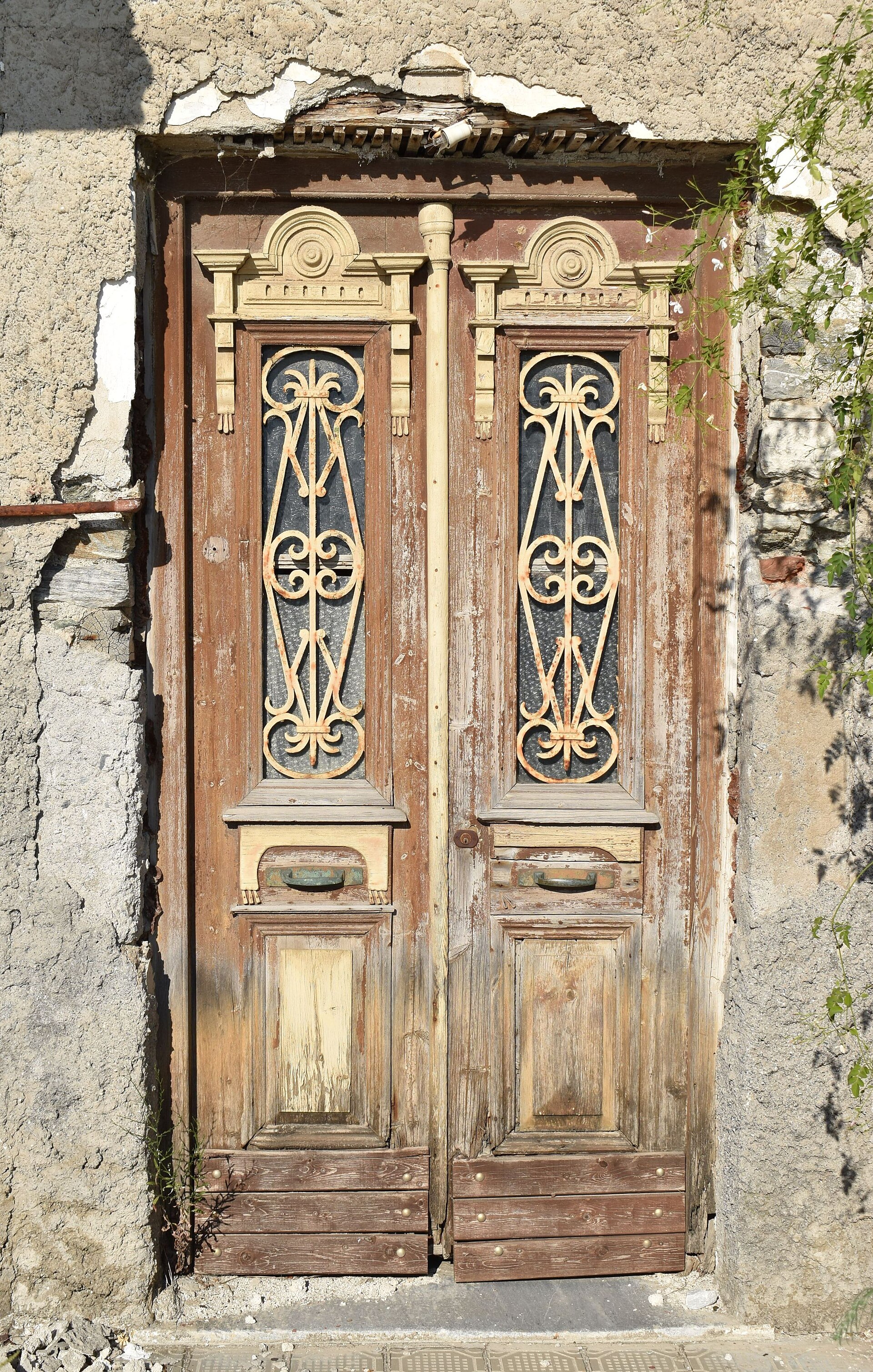
A wooden front door on an old house. Photograph: the door shown
Image Credits: Wikimedia Commons
What a sticking winter door actually means
A front door that worked fine in August and drags in January is responding to its environment, not breaking down. Wood is a living material even after it is cut, and it keeps exchanging moisture with the air around it.
The key fact is that wood moves with humidity, not temperature alone. Cold air by itself does not swell a door, and in some homes winter air actually dries wood out.
This article explains why your front door sticks in winter but not summer, including moisture swelling, frame movement, hinge stiffness, and the cases where sticking signals something structural.
Wood swells by absorbing moisture from the air
Wood is hygroscopic, which means its fibers absorb and release water vapor until they reach equilibrium with the surrounding air. When humidity rises, wood fibers take on water and expand, and when humidity falls, they release water and shrink.
Engineer Fix reports that for every 10 percent increase in relative humidity, wood can expand across its grain by roughly one-tenth to three-tenths of one percent. That sounds tiny, but a door fitted with only a few millimeters of clearance can bind from that small change.
Expansion happens across the grain, not along it. A door therefore grows wider and thicker rather than taller, which is why it rubs against the jamb on the sides or drags at the top or bottom edge.
Solid wood doors move the most, since the whole slab responds to moisture. Engineered and composite doors move less, because their layered construction resists the same swelling.
The finish matters too. A door sealed on all six edges, including the top and bottom, absorbs moisture far more slowly than a door with bare edges. Many sticking doors turn out to have unsealed bottom edges where rain and damp air enter freely.
Why winter creates the moisture that swells doors
Winter seems dry, so the swelling surprises people. The explanation lies in how homes behave when sealed against the cold.
Central heating, cooking, and hot showers all add moisture to indoor air. A tightly sealed home traps that moisture, and it concentrates near exterior doors where warm indoor air meets cold surfaces.
Condensation forms where warm air meets a cold door or frame. That liquid water sits on the wood and soaks in, especially around thresholds and the bottom of the door.
Outdoor moisture adds to the problem in wet winters. Rain, snow, and damp air reach doors that lack a porch overhang or adequate weather protection, and the outer face of the door absorbs it.
The result is a door that swells from both sides at once. Indoor humidity feeds the inner face, outdoor damp feeds the outer face, and the door grows until it binds.
Why some doors shrink in winter instead
Not every winter door sticks, and some doors do the opposite. In homes with very dry heated air, wood loses moisture and shrinks, leaving gaps around the edges.
Parkwood Doors explains this side of the story: when air turns dry and cold, wood cells hold less water, and the door shrinks in the frame. That shrinkage creates drafts rather than sticking.
Whether a door swells or shrinks depends on the local balance. A home with high indoor humidity and a damp entry swells its doors, while a home with dry forced-air heating and low humidity shrinks them.
This is why two houses on the same street can show opposite symptoms. The door is not the only variable, and the indoor climate decides the direction of movement.
Engineer Fix suggests keeping indoor humidity between 30 percent and 50 percent to minimize this movement. That range protects both the door and the rest of the home's woodwork.
The frame moves too, not just the door
Blaming the door alone misses half the picture. The frame around it is also wood, and it responds to the same moisture changes.
When a frame swells or shifts, the opening changes shape slightly. A door that fit the opening in summer may rub at the top corner in winter because the frame, not the door, moved.
Older homes show this more strongly. Frames in older houses often lack modern sealing and sit in walls that breathe more, so they track outdoor humidity closely.
Foundation movement can also shift a frame, though this is rarer. Engineer Fix notes that sticking doors combined with cracks near the frame, or sticking that appears suddenly without a seasonal pattern, deserve a closer look.
The seasonal test separates the causes. Sticking that returns each winter, follows the same pattern year after year, and eases when humidity drops points to moisture rather than structure.
Hinges and hardware stiffen in the cold
Metal parts respond to winter as well. Hinges can tighten as temperatures drop, especially when they are dry or slightly misaligned already.
A door that sags on loose hinges drags along the frame or floor. The sag may be invisible in summer when the door has clearance, then become obvious in winter when swelling eats that clearance.
Paint buildup is another quiet contributor. Repeated repainting adds thin layers to door edges and frames, and those layers gradually consume the clearance a door needs to swing freely.
The combination is common: a door with aging hinges, several coats of paint, and winter swelling has no margin left. Each factor alone would pass unnoticed, but together they bind the door.
Lubricating hinges with a silicone-based lubricant and tightening hinge screws often restores movement. Longer screws that bite into the wall framing can pull a sagging door back into square.
How to diagnose a sticking winter door
Start by finding where the door rubs. Rub marks, worn paint, or shiny spots on the edge and frame show the contact point, and that point names the cause.
Rubbing along the full latch side suggests swelling. Rubbing at the top corner on the handle side suggests sagging hinges, since a sagging door drops toward the latch side.
Rubbing at the bottom may mean the threshold has risen, the door has swollen downward, or hinges have let the door drop. Checking whether the door is level with a spirit level separates these.
Next, check the season pattern. Note whether the sticking started with wet weather, follows the same pattern each year, and eases in dry spells. A clear seasonal pattern points to moisture.
Then check the hinges and screws. Loose screws, bent hinges, or a door that visibly drops when opened all point to hardware rather than wood movement.
Finally, look for warning signs beyond the door. Cracks spreading from frame corners, doors elsewhere in the house sticking at the same time, or floors sloping suggest structural causes worth professional assessment.
Fixes that work, in order of effort
The lightest fixes come first. Tighten hinge screws, lubricate hinges, and remove any obvious paint buildup from the rubbing edge with fine sandpaper.
Next, control the moisture. Ventilate bathrooms and kitchens, run an extractor fan during showers and cooking, and keep indoor humidity in the 30 to 50 percent range.
Sealing the door helps over time. Sand the rubbing edge lightly, then seal all edges of the door, including the top and bottom, with paint or varnish to slow moisture absorption.
Planing is the last resort for swelling, not the first step. A door planed during peak swelling will fit in winter and rattle in summer, so plane only a small amount and only after the lighter fixes fail.
If sticking appears suddenly, persists through all seasons, or comes with cracks, get a structural assessment before planing. Removing wood from a door whose frame is shifting hides the symptom while the cause continues.

The entrance door of a wooden house. Photograph: the door shown
Image Credits: Wikimedia Commons
Preventing the problem next winter
Prevention starts before the cold arrives. Inspect the door in autumn, checking the seal on all edges and the condition of weatherstripping around the frame.
Good weatherstripping keeps rain and damp air off the door face while still allowing the door to close. A porch overhang or canopy adds a second layer of protection for exposed front doors.
Keep gutters and drainage clear so water does not splash back onto the door and threshold. Standing water at the threshold feeds the bottom edge of the door all winter.
A humidity monitor near the entrance costs little and shows whether indoor air is running wet enough to swell wood. Adjusting ventilation or a dehumidifier based on that reading beats guessing.
Frequently asked questions
Should I plane a door that sticks in winter?
Only as a last resort, and only a small amount. A door planed at peak swelling will be loose in summer, so try hinge, paint, and humidity fixes first.
Why does my door stick in winter but my interior doors do not?
Exterior doors face both indoor humidity and outdoor damp, plus temperature differences across their thickness. Interior doors sit in stable conditions on both sides, so they move far less.
Can a sticking door mean foundation problems?
It can, but seasonal sticking usually does not. Foundation-related sticking tends to appear suddenly, persist year-round, and come with cracks near the frame or other doors sticking at once.
Does painting a door stop it swelling?
Sealing all six edges, including the top and bottom, slows moisture absorption substantially. Paint on the faces alone leaves the edges open, which is where much moisture enters.
The bottom line
A front door sticks in winter because wood responds to moisture, and winter homes create the damp conditions that swell it. The cold itself is mostly a bystander, setting up the humidity and condensation that do the work.
Diagnose before fixing: find the rub point, check the seasonal pattern, and rule out hinges and structure. Most winter sticking yields to tightening, sealing, and humidity control, leaving the plane in the toolbox where it belongs.
Tags: home maintenance, doors, winter
Rive News's research desk covers everyday science and practical how-to topics, drawing on public sources and trade guidance.
Related
- What causes doors to stick in summer and how to fix them
- Why a door sticks in summer and how to fix it
- Why floorboards swell in winter, and how to fix them
- What is the ideal indoor humidity level, and why does it matter
Subscribe for one practical explainer each morning.
Standards: facts are drawn from cited public sources; corrections are published when an error is found.
Related stories
Why Your Faucet Keeps Dripping After You Turn It Off
A dripping faucet is usually a worn washer, O-ring, or cartridge that can no longer seal. One drip per second wastes over 3,000 gallons
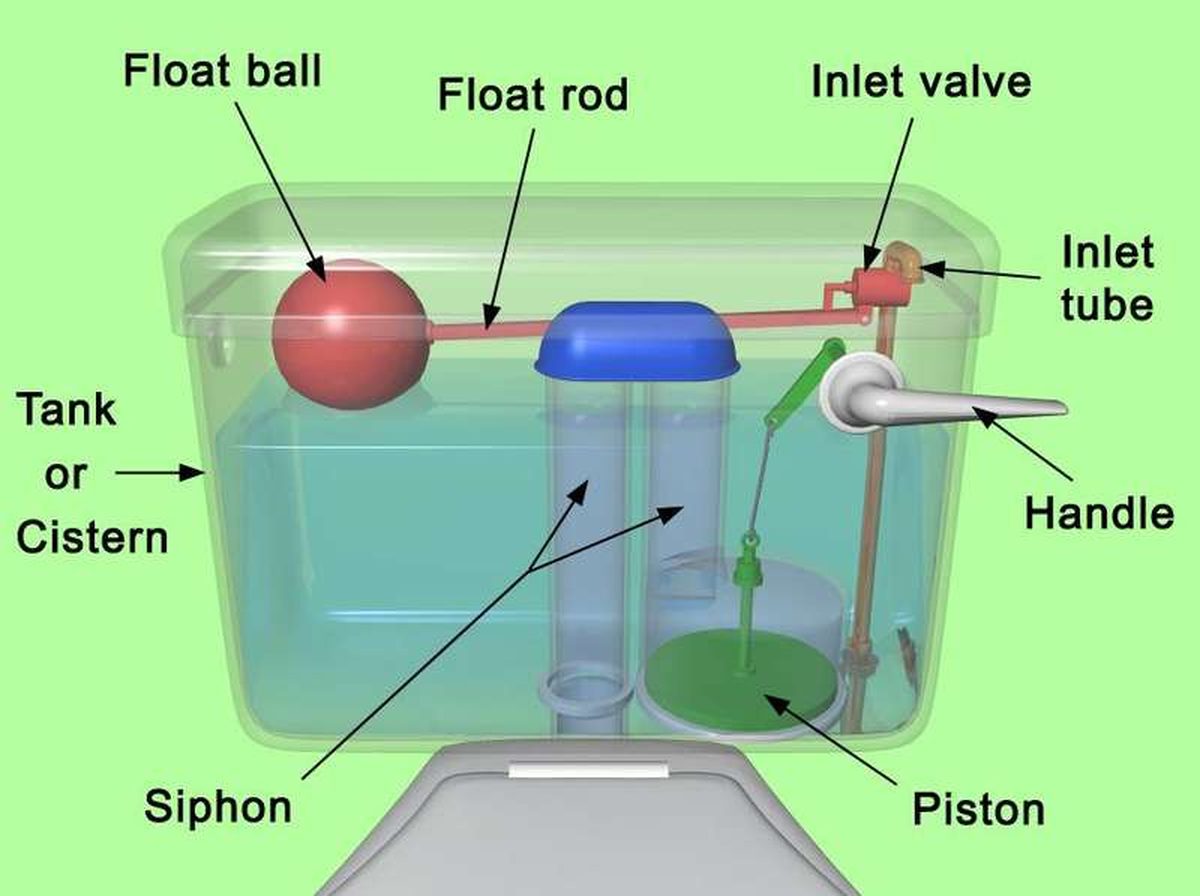
How to fix a running toilet without a plumber in 30 minutes
A running toilet can waste 200 gallons of water a day. Diagnose the flapper, float, or fill valve in two minutes, then fix it yourself
How to hang heavy shelves on drywall safely
Studs first, toggle bolts second, plastic anchors never for heavy loads. Weight ratings, installation steps, and mistakes that bring