
Why Do LED Bulbs Flicker in Some Fixtures but Not Others
Key takeaways
- The same bulb can run steady in one fixture and flicker in another because each fixture has its own dimmer, driver, load, and wiring.
- Dimmer mismatch is the most common cause, followed by low total load and loose connections.
- Swap the bulb between fixtures first, since that one test splits bulb problems from fixture problems.
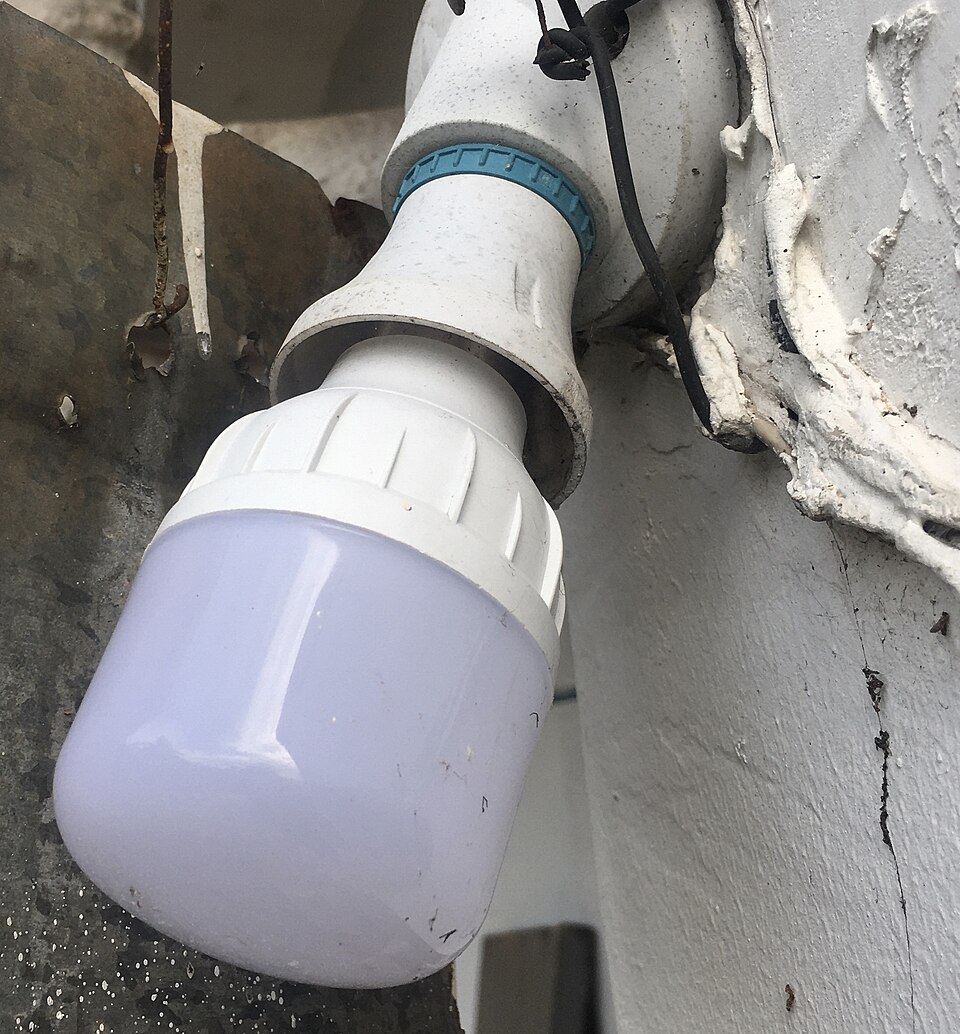
An LED bulb that flickers in the kitchen but burns steady in the bedroom is not a mystery. The bulb is only one part of the circuit.
Each fixture adds its own dimmer, driver, wiring, and load. Change the fixture and you change the conditions the bulb runs under.
This article explains why LED bulbs flicker in some fixtures but not others, including dimmer mismatch, minimum load, driver failure, loose connections, voltage swings, and heat. It also gives a short diagnostic sequence that narrows the cause without touching live wiring.
How an LED bulb actually works
An old incandescent bulb is simple. Current heats a filament, and the filament glows. Brightness follows voltage in a smooth, forgiving way.
An LED bulb is electronic. A driver inside the bulb or fixture converts household alternating current into steady direct current for the light emitting diodes.
That driver is sensitive. If the power reaching it is chopped, noisy, or unstable, the light output wobbles and your eye reads it as flicker.
Warehouse-Lighting.com notes that LEDs do not flicker the way fluorescent lamps do, and that the cause is nearly always the driver or the control feeding it. The fixture decides what kind of power the driver gets.
This is why the same bulb behaves differently in two rooms. A plain on and off socket gives the driver clean power. A dimmer, a smart switch, a transformer, or a shared circuit can each alter that power.
The bulb did not change. The feed did.
Dimmer mismatch is the top cause
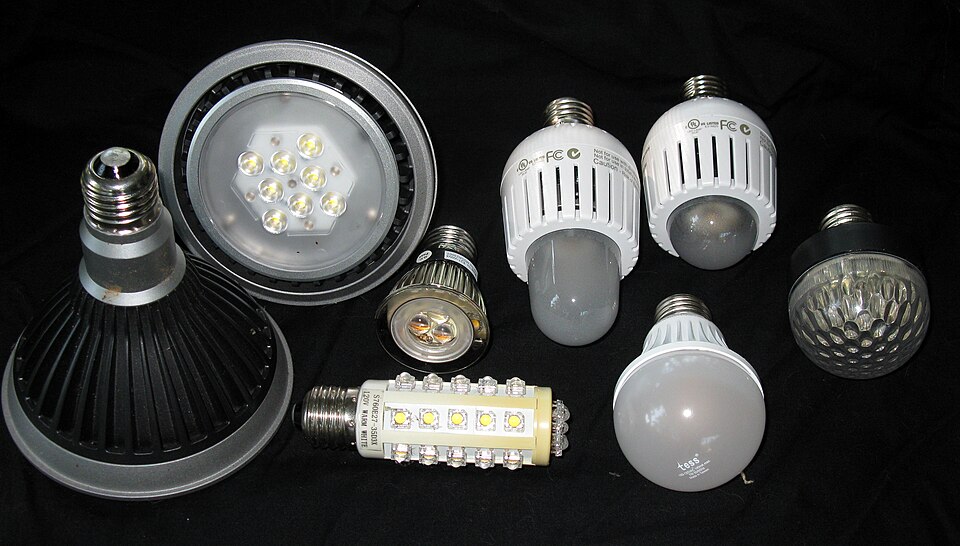
Dimmer incompatibility is the most common LED flicker complaint by a wide margin. Old dimmers were built for incandescent bulbs, which act as simple resistive loads. LED drivers are electronic loads and need a different kind of control.
Engineer Fix explains that traditional incandescent dimmers use leading edge phase cutting, which chops the start of the alternating current wave. LED bulbs work more reliably with trailing edge dimmers, which cut the end of the wave smoothly. Pairing an LED with an incompatible leading edge dimmer can confuse the driver and cause rapid pulsing.
The fix is to match the parts. Look for a dimmer rated for LED, often marked CL, C-L, LED plus, or universal. Check the bulb box for the word dimmable.
A non dimmable LED on any dimmer will flicker, buzz, or fail early. If the fixture has a dimmer and the next fixture does not, you have found your difference.
Some modern dimmers carry a low end trim adjustment, a small dial under the switch plate. Engineer Fix notes that this trim sets the minimum voltage the dimmer will output, which keeps the bulb out of the unstable low power range where flicker starts. A slow turn of that trim can steady a bulb that only flickers at the lowest dim setting.
Minimum load trips up low wattage LEDs
Dimmers need a minimum load to regulate steadily. Old dimmers were built for 60 watt incandescent bulbs and expected a hefty total wattage on the circuit.
Swap six 60 watt bulbs for six 9 watt LEDs and the total load drops from 360 watts to 54 watts. That can fall below the dimmer floor.
Warehouse Lighting describes exactly this case: replace six 60 watt incandescent lamps with six 9 watt LEDs and the total load may fall below what the dimmer needs, which shows up as flicker at low settings. Engineer Fix puts the old dimmer minimum at 40 to 50 watts. A circuit with one or two small LEDs may not reach it.
This explains why a multi bulb chandelier runs fine while a single bulb bedside lamp flickers on the same kind of dimmer. The chandelier carries enough total load.
The single bulb does not. The fix is a dimmer rated for low LED loads, often stable down to 5 to 10 watts, or a fixture with more bulbs on the circuit.
The driver inside the bulb or fixture
Each LED bulb carries its own driver, and integrated fixtures carry one in the fixture body. A failing driver flickers even with no dimmer in the circuit. Warehouse Lighting states that an LED fixture that flickers with no dimmer usually has a failing driver.
On a serviceable fixture, the driver is a replacement part. On a sealed fixture, it means replacing the fixture.
Age matters too. A bulb that flickered from day one points to mismatch or a weak driver.
A bulb that ran steady for two years and then started flickering points to a driver reaching end of life. The swap test below separates these cases fast.
Loose connections and wiring faults
A loose connection breaks the steady flow of power and reads as flicker. The weak point can sit at the socket, the fixture terminals, the switch, or the breaker.
Warehouse-Lighting.com warns that loose connections arc, and arcing is a fire risk. This cause should not wait.
Signs of a wiring fault include flicker that starts when you tap the fixture or flip the switch, warmth at a switch plate, a burning smell, or discoloration around the outlet or switch. Southern Living quotes electrician Mark Halberg, who notes that a loose neutral wire in a switch box can cause flicker and that he has seen burn marks on drywall where a loose wire arced. If you see any of these signs, stop using the circuit and call an electrician.
A loose bulb is the harmless version of the same fault. Turn the power off, let the bulb cool, and reseat it firmly.
If the flicker stops, the socket contact was the cause. If it returns, the fault sits deeper in the fixture or the circuit.
Voltage swings and shared circuits
Some flicker comes from the wider circuit, not the fixture. When a large motor starts, such as an air conditioner, a compressor, or a washing machine, it draws a surge of current and the voltage on that circuit dips. Lights on the same circuit dim or flicker for a moment.
Occasional slight dimming when a motor starts is normal. Repeated or severe flicker means the circuit is undersized or the supply needs attention, per Warehouse-Lighting.com.
Lighting that shares a circuit with heavy equipment will flicker as that equipment cycles. A dedicated lighting circuit removes the problem.
This cause shows a clear pattern. If several fixtures on one circuit flicker together when an appliance starts, suspect the circuit.
If only one fixture flickers and the rest stay steady, suspect that fixture. The pattern is the diagnosis.
Heat and enclosed fixtures
LED bulbs make less heat than incandescent bulbs, but they still make some, and the driver is heat sensitive. An enclosed fixture traps that heat around the bulb. A bulb rated for open fixtures can overheat in a sealed globe or a recessed can, and the driver may flicker as it struggles.
Check the bulb box for an enclosed fixture rating. If the bulb is not rated for enclosed use, move it to an open lamp and put an enclosed rated bulb in the sealed fixture. Dust buildup inside the fixture adds insulation and makes the heat worse, so clean fixtures when you change bulbs.
A simple diagnostic sequence
Start with the swap test. Move the flickering bulb to a fixture that runs steady. If the bulb flickers there too, the bulb or its driver is the fault.
Replace the bulb. If the bulb runs steady in the good fixture, the first fixture is the fault. Put a known good bulb in the first fixture to confirm.
Next, check the dimmer. If the flickering fixture has a dimmer and the steady one does not, dimmer mismatch is the prime suspect.
Confirm that the bulb is dimmable, check the dimmer label for an LED rating, and try the low end trim if the dimmer has one. If the flicker only happens at low dim settings, minimum load is likely.
Then check the simple mechanical causes. Turn off power, let the bulb cool, and reseat it. Look for a loose socket or a wobbly switch.
Tighten the bulb and test again. If the flicker tracks with an appliance starting, note which appliance and which fixtures move together, and tell an electrician.
Do not open switch boxes or fixture wiring unless you are qualified and the power is off at the breaker. Engineer Fix advises shutting off power at the breaker before any work inside a switch box and checking terminal screws for tight contact. If you are unsure at any step, stop and call a licensed electrician.
Frequently asked questions
Why does the same LED bulb flicker in one room and not another?
Because each fixture feeds the bulb differently. One may have an old dimmer, a low total load, a failing driver, or a loose connection. The bulb is the same, but the circuit around it is not.
Is a flickering LED bulb dangerous?
Usually not, but sometimes yes. A single aging bulb is harmless.
Flicker from a loose connection is a fire risk, per Warehouse-Lighting.com, especially with warmth, smell, or discoloration. Flicker near rotating machinery is a separate hazard because of the strobe effect.
Why do my LEDs flicker only when dimmed?
Almost always dimmer incompatibility or minimum load. The dimmer chops power in a way the LED driver cannot follow, or the total LED wattage falls below the dimmer floor. An LED rated dimmer and dimmable bulbs fix most cases.
Should I replace the bulb or the dimmer first?
Replace the bulb first, since it is cheap and the swap test is fast. If a known good dimmable bulb still flickers on that dimmer, replace the dimmer with an LED rated model.
The bottom line
A flickering LED is telling you about the fixture, not only about the bulb. Dimmers, load, drivers, connections, and shared circuits each leave a distinct pattern.
Swap the bulb, check the dimmer, and watch the pattern, and most flicker cases resolve with a bulb swap or a dimmer upgrade. Call an electrician for warmth, smell, scorching, or flicker across many fixtures.
Tags: LED bulbs, flicker, dimmers, lighting
Latest in Home
- How to Find a Wall Stud Without a Stud Finder
- Why Does Grout Crack Between Bathroom Tiles
- How to Patch a Small Drywall Hole Step by Step
- How to Sharpen Lawn Mower Blades Safely at Home
Subscribe for one practical home repair guide each week.
Related stories

Why Your Faucet Keeps Dripping After You Turn It Off
A dripping faucet is usually a worn washer, O-ring, or cartridge that can no longer seal. One drip per second wastes over 3,000 gallons

How to fix a running toilet without a plumber in 30 minutes
A running toilet can waste 200 gallons of water a day. Diagnose the flapper, float, or fill valve in two minutes, then fix it yourself

How to hang heavy shelves on drywall safely
Studs first, toggle bolts second, plastic anchors never for heavy loads. Weight ratings, installation steps, and mistakes that bring