
Light bulbs explained: why they fail the moment you switch on
By Rive News / Research desk | Rive News / Published October 28, 2026 at 9:00 AM PKT
Key takeaways
- A cold tungsten filament has very low resistance, so switch-on draws a current surge many times the normal level.
- That surge breaks the filament at its thinnest point, thinned slowly by evaporation over the bulb's life.
- LEDs fail differently: their electronics, not a filament, usually give out first.
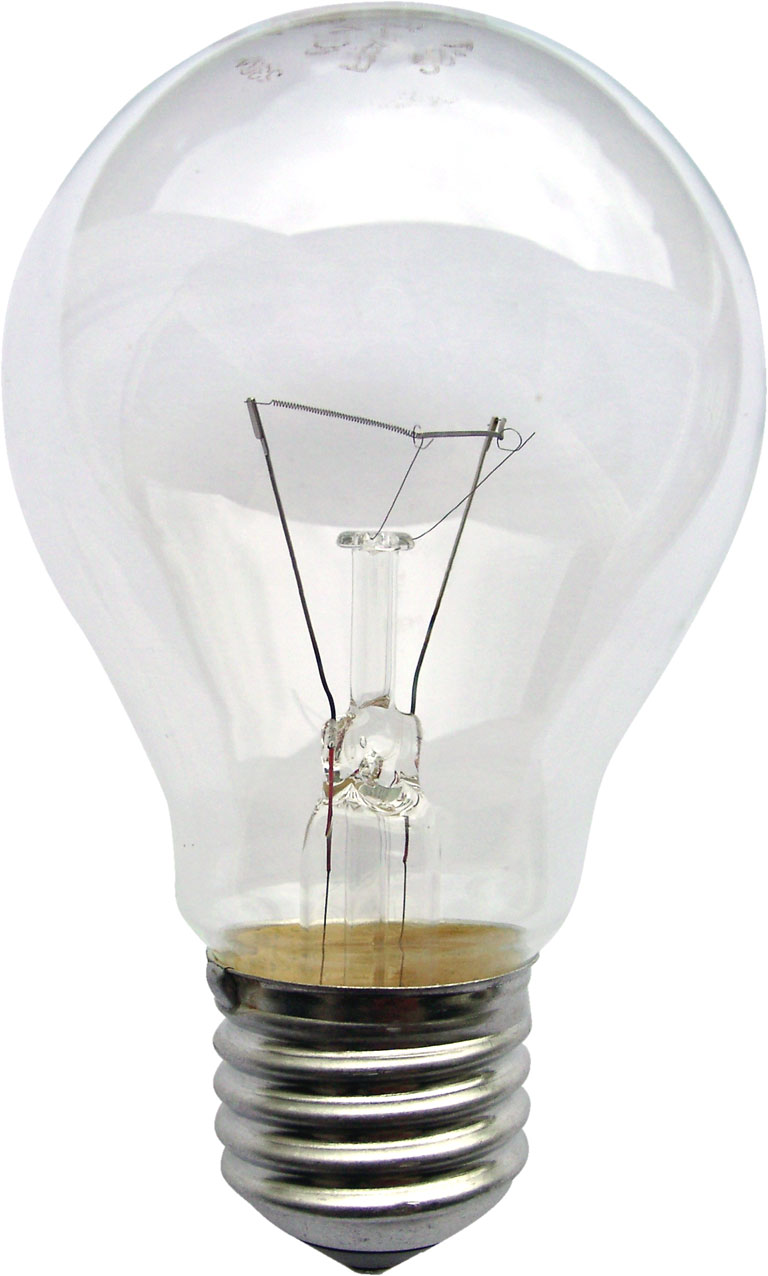
[An incandescent bulb glowing, its tungsten filament heated to incandescence.] Photograph: Incandescent lamp
Image Credits: Wikimedia Commons
You flip a switch, hear a faint pop, and the room stays dark. The bulb did not die while it was burning. It died in the first fraction of a second after you turned it on.
That timing is not bad luck. It is the physics of a tungsten filament meeting a cold start, and it explains why a bulb that survived a thousand evenings can fail on an ordinary Tuesday morning.
This article explains the surge, the slow damage that makes the surge fatal, and why modern bulbs break the pattern in different ways.
What a filament does when it burns
An ordinary incandescent bulb makes light by heating a thin tungsten wire until it glows. Tungsten is chosen because it has the highest melting point of any pure metal, around 3,422 degrees Celsius, and because it can survive the working temperature of a glowing filament, roughly 2,500 to 2,700 degrees Celsius, without melting. The glass envelope holds an inert gas, usually argon or nitrogen, which stops the hot tungsten from oxidising and slows its evaporation.
That evaporation is the slow part of the story. At working temperature, tungsten atoms leave the filament surface and turn directly into gas, a process called sublimation. The evaporated tungsten condenses on the inside of the glass, which is why old bulbs look blackened at the top.
More importantly, the filament itself gets thinner, and it does not thin evenly.
ScienceDirect's overview of incandescent lamps describes the mechanism precisely. A thin spot along the filament has higher resistance and higher heating, because the same total current must pass through every cross-section. It therefore runs hotter than its neighbours and vaporises faster, becoming thinner faster.
Failure generally occurs when the thinnest point is reduced in diameter by about 50 percent, when less than 1 percent of the total filament mass has evaporated. A bulb can lose almost none of its filament and still be ready to fail, because all the damage is concentrated at one point.
The switch-on surge
The fast part of the story is the current surge at switch-on. Tungsten, like most metals, has a resistance that rises with temperature. A cold filament therefore has a much lower resistance than a hot one.
Engineer Fix puts the cold resistance at roughly one-tenth to one-fifteenth of the hot resistance, and the resulting inrush current at up to 15 times the normal operating current for a fraction of a second.
That surge forces the filament to heat from room temperature to around 2,700 degrees Celsius almost instantly. The wire expands, and the expansion is not gentle. A filament that is already thinned at one point takes the worst of it.
The thin spot heats faster than the rest, because it has higher resistance, and dissipates more than its fair share of the surge power. DIYWiki's long-standing FAQ on bulb blowing describes exactly this feedback: the thinned section heats more quickly, presents higher resistance, dissipates even more power, and thins further, rapidly, until it breaks.
Gizmodo's explanation uses a plainer image. A tungsten filament is overloaded with current in the first few seconds after being turned on. The heat causes it to expand, and the filament experiences thermal stress, the strain of trying to expand under a sudden temperature change.
Unless the filament is in good condition, it snaps.
That is why the failure clusters at switch-on. A bulb that is already burning has a hot filament with high resistance and a steady current. Nothing changes abruptly.
A bulb that is switched on goes from cold to white-hot in a fraction of a second, at the moment when its current is highest and its weakest point is under the most stress.
Why some bulbs seem to die young
Voltage matters. If the supply voltage runs consistently higher than the bulb's rated voltage, the filament runs hotter than intended, and the evaporation rate climbs steeply. ScienceDirect notes that the rate of vaporisation of tungsten varies sharply with temperature, with roughly a fourfold increase per 100 degrees at around 2,750 Kelvin.
A small overvoltage therefore shortens life far more than a small undervoltage extends it.
Vibration and handling matter too. A filament is a fine coiled wire, and a shock while it is hot can distort the coil or break a weakened section. A bulb in a fitting that vibrates, such as a ceiling fan light or a garage door opener, lives a harder life than the same bulb in a table lamp.
Frequent switching is often blamed, but ScienceDirect notes that the lives of most incandescent lamps are not significantly dependent on the frequency of switching. The damage is done by the thinning, and the switch-on surge is simply the moment that damage is exposed.
A bulb that blows its fuse as well as itself is a related effect. When the filament breaks, the two ends can briefly arc, and the arc can draw a large current before the circuit protection trips. That is why a single blown bulb sometimes takes out a fuse or trips a breaker, even though the bulb itself is a small load.
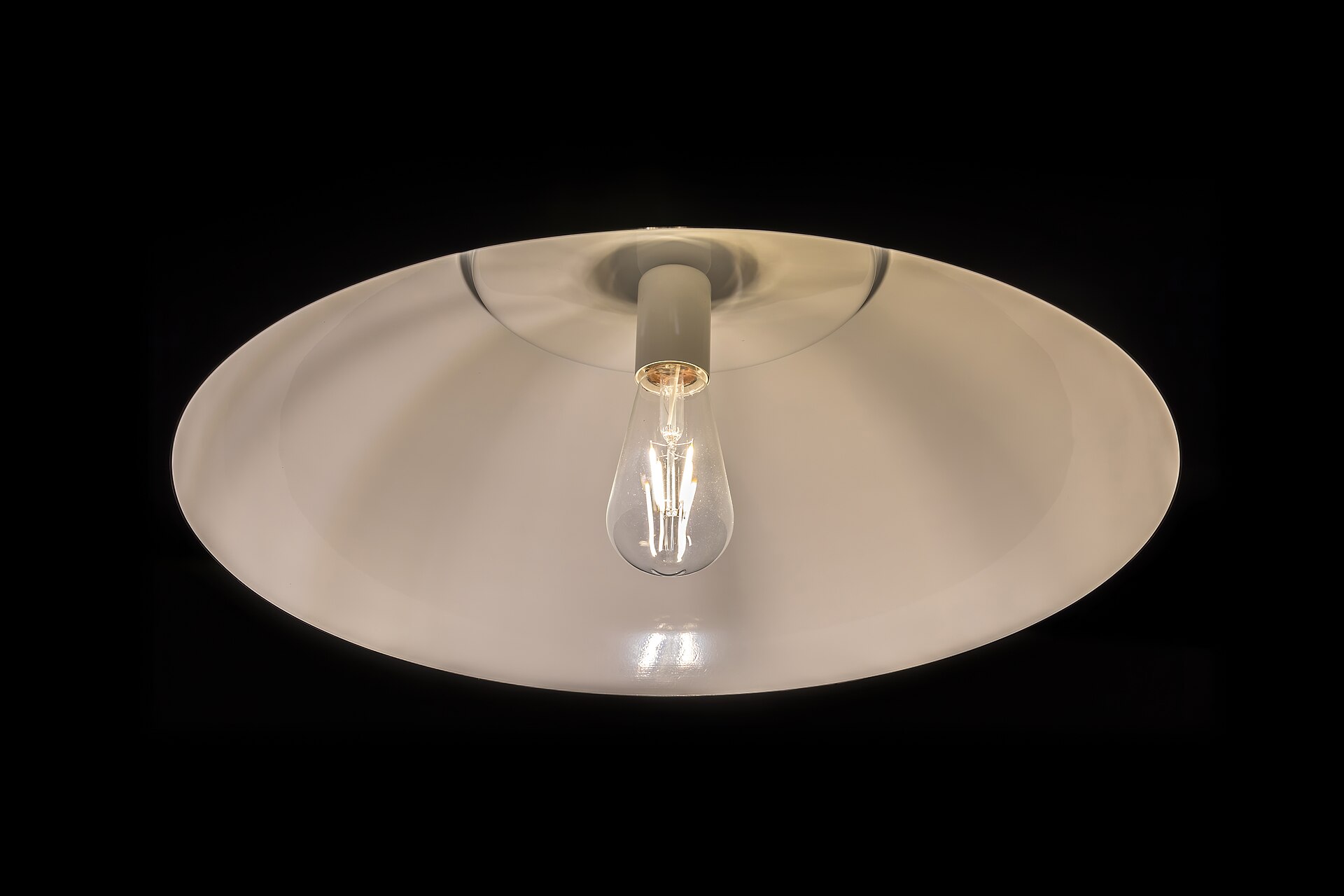
[A lit incandescent bulb against a dark background, showing the glowing filament.] Photograph: Lamp with lit incandescent light bulb
Image Credits: Wikimedia Commons
Why LEDs and CFLs fail differently
LED bulbs do not have a filament, so they do not fail by the same mechanism. An LED chip itself is extremely long-lasting, but the driver circuit in the bulb's base, which converts mains alternating current into the direct current the diodes need, is not. Engineer Fix notes that heat-sensitive components in the driver, such as electrolytic capacitors and resistors, typically fail first, producing a sudden stop or a flicker.
LEDs also fade rather than pop. The phosphor coating that converts the diode's blue light into white light degrades with heat over time, so the output dims and the colour shifts. For both LED and CFL bulbs, the end of life is conventionally defined as the point where light output drops below 70 percent of its initial rating, even if the bulb still lights, according to Engineer Fix.
That difference changes the timing. An LED can fail at switch-on too, if its driver is stressed by the inrush to its own capacitors, but it is just as likely to fade, flicker, or change colour over months. A compact fluorescent lamp fails through its own electronics and its phosphor coating, in the same gradual way.
The dramatic pop at switch-on is mostly an incandescent signature.
What actually extends bulb life
The honest answer is that little of the usual advice changes the physics much. A dimmer can help, because it reduces the voltage and therefore the filament temperature and the evaporation rate, but it also reduces light output, which is the point of the bulb. A soft-start dimmer, which ramps the voltage up over a second rather than applying it instantly, reduces the inrush surge, and bulbs with built-in soft-start or inrush protection are sold for that reason.
Matching the bulb to the fitting matters more than any trick. A bulb rated for an enclosed fitting should be used in one, because heat trapped in an enclosure accelerates both filament evaporation and LED driver failure. A bulb rated for a higher voltage than the supply will run cooler and last longer, at the cost of less light.
A bulb shaken by a fan or a door should be a rugged or LED type, not a standard incandescent.
The most useful habit is the simplest: when a bulb blows at switch-on, replace it and check the fitting. A loose socket, a corroded contact, or a fitting that runs hot will kill the replacement the same way. A bulb that blows repeatedly in the same fitting is telling you about the fitting, not about the bulbs.
The bottom line
A bulb usually dies at switch-on because that is when its filament faces its hardest moment. Years of evaporation thin one spot on the wire. A cold filament draws up to 15 times its normal current in the first fraction of a second.
The thin spot takes the worst of that surge, heats fastest, and breaks. The pop you hear is the end of a slow process, not a sudden accident. LEDs skip the filament and fail through their electronics instead, which is why they fade and flicker rather than pop.
Frequently asked questions
Why do bulbs almost always blow when switched on, not while burning?
A burning filament has stable, high resistance and steady current. A cold filament has low resistance, so switch-on draws a large inrush current that stresses the filament's thinnest point.
How much bigger is the switch-on current?
Up to 15 times the normal operating current for a fraction of a second, according to Engineer Fix, because the cold filament's resistance is roughly one-tenth to one-fifteenth of its hot resistance.
Does switching lights on and off wear bulbs out?
Switching exposes existing thinning, but the lives of most incandescent lamps are not significantly dependent on switching frequency, according to ScienceDirect. The thinning from evaporation is the main damage.
Why does a blown bulb sometimes trip a breaker?
When the filament breaks, the ends can arc briefly and draw a large current before the protection trips. That arc is separate from the bulb's normal load.
Do LED bulbs burn out at switch-on too?
They can, through driver stress, but they more often fade, flicker, or shift colour as their driver components and phosphor coating degrade with heat.
Tags: light bulbs, incandescent bulbs, home electrics
The Rive News research desk writes plain-English explainers from public sources, with each factual claim tied to a named document or institution.
Related
- Why do LED bulbs flicker in some fixtures but not others
- Why does a light switch buzz and when is it dangerous
- Why does your circuit breaker keep tripping after you reset it
- Why does your ceiling fan wobble and how to balance it
Subscribe to the Rive News newsletter for one plain-English explainer each morning.
Rive News standards: every factual claim is sourced, every quote is real, and corrections are published when a source changes.
Related stories
Why Your Faucet Keeps Dripping After You Turn It Off
A dripping faucet is usually a worn washer, O-ring, or cartridge that can no longer seal. One drip per second wastes over 3,000 gallons
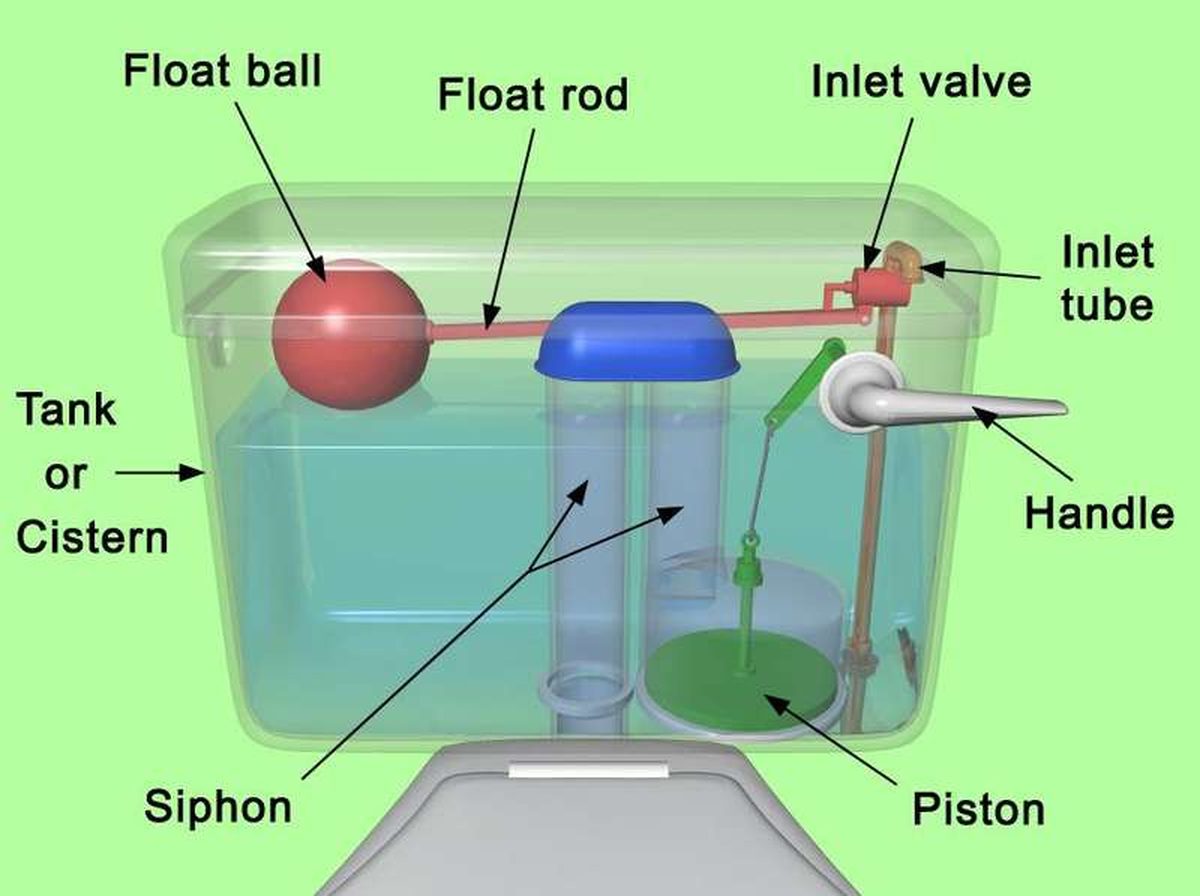
How to fix a running toilet without a plumber in 30 minutes
A running toilet can waste 200 gallons of water a day. Diagnose the flapper, float, or fill valve in two minutes, then fix it yourself

How to hang heavy shelves on drywall safely
Studs first, toggle bolts second, plastic anchors never for heavy loads. Weight ratings, installation steps, and mistakes that bring