
Why light switches spark when you flip them at home
By Rive News / Research desk | Rive News / Published October 29, 2026 at 9:00 AM PKT
Key takeaways
- A brief, tiny, silent flicker as contacts meet or part is a normal load arc in a mechanical switch.
- Loud crackling, heat, scorch marks, or a growing spark point to loose wiring or worn contacts.
- Most residential switches are rated for 15 amps, and loads above that rating stress the contacts.
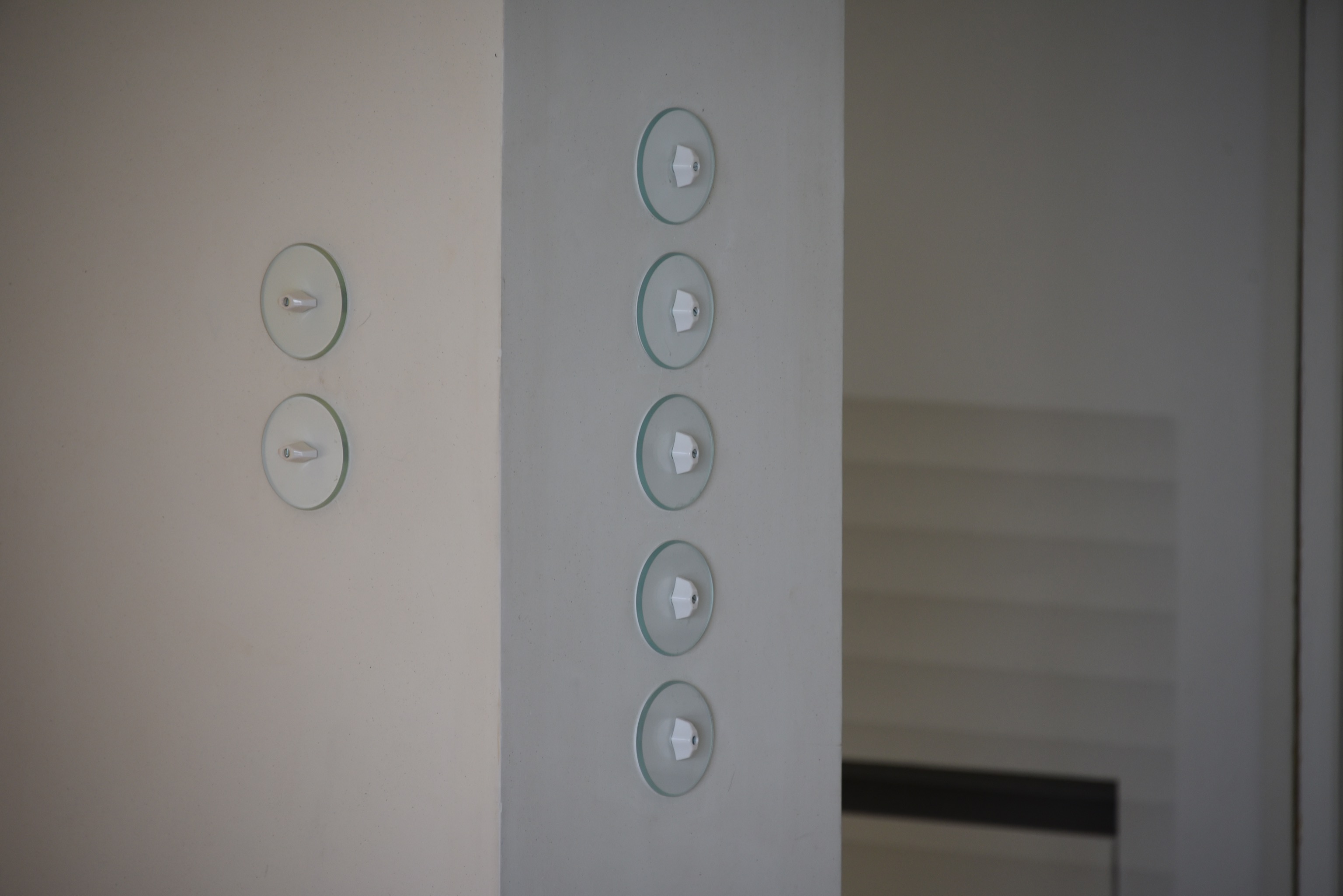
[Round glass-plate light switches on a wall in the Villa Tugendhat, photographed in July 2015. Photograph: Christian Michelides]
Image Credits: Wikimedia Commons
A light switch spark is a small electrical arc inside the switch body. It happens in the split second when two metal contacts meet or pull apart, and current briefly jumps the tiny gap between them instead of flowing through solid metal.
Most of the time, that arc is tiny, brief, and harmless. Sometimes it is a warning that the switch or its wiring is failing. This article explains what a load arc is, why some switches spark more than others, which signs mean danger, and what to do about a suspect switch.
What a load arc actually is
Inside a standard mechanical switch, two metal contacts physically meet to complete a circuit and separate to break it. As they move, there is a moment when the gap between them is small enough for current to jump across the air. That jump is the arc, and the flash you sometimes glimpse is its light.
Engineer Fix describes this as a load arc: a minor electrical discharge that occurs each time a switch is flipped, as the contacts meet or separate. In a healthy switch, the arc is instantaneous and usually inaudible. The contacts snap together or apart quickly, so the arc has almost no time to do damage.
The problem starts when the arc stops being brief. Engineer Fix explains that a sustained arc turns the air gap into an ionized path of superheated gas known as plasma.
That plasma bridge can reach extreme temperatures, which the site reports as sometimes exceeding 35,000 degrees Fahrenheit. At that heat, metal contacts erode, pit, and collect carbon deposits, which raise resistance and make further arcing more likely.
Why some switches spark more than others
The load on the circuit matters. Engineer Fix notes that most residential switches are rated for 15 amps, and a load drawing far more current than the switch is designed to handle creates excess heat and stress on the internal parts. Overloading is rare on a standard lighting circuit, but it is one reason a switch can fail fast once arcing starts.
Inrush current matters too. Grit & Home points out that incandescent and halogen bulbs draw high inrush current when their filaments are cold. LED drivers can also create an inrush spike, especially cheaper bulbs or a large group of bulbs on one switch.
Bathroom fans and small motors arc more as well, because motors are inductive loads that resist changes in current.
How you flip the switch plays a smaller role. A slow, hesitant flip holds the contacts near each other for longer, giving the arc more time to form.
A firm, quick flip snaps the contacts through the gap and keeps the arc brief. That is one reason the same switch can spark visibly one day and not the next.
Loose connections and worn contacts
The most common cause of excessive sparking is a connection that no longer holds tight. Engineer Fix explains that vibration, thermal expansion and contraction, or poor installation can loosen the screw terminals where circuit wiring attaches to the switch. Once a small air gap opens between wire and contact, current bridges it by arcing, and the heat from that arc damages the connection further.
Wear is the other slow culprit. Every flip erodes the contacts slightly through the load arc itself. Over years of use, contacts become pitted or coated with carbon deposits from previous arcing.
Resistance rises, the connection grows less efficient, and sparks become larger and more visible, sometimes with a buzzing or crackling sound.
Short circuits are a less common cause, but a serious one. Engineer Fix lists a short, where hot and neutral or ground wires touch, among the causes of destructive arcing. A switch that sparks and then stops working entirely has often failed through this cycle: loose or worn contacts, sustained arcing, and finally contacts too damaged to carry current at all.
What normal looks like, and what does not
Grit & Home sets out a clear picture of a normal spark. It is one quick, small flicker at the moment of switching. There is no sound beyond the normal click, no smell, no heat, and no discoloration.
The lights work normally, and the switch feels normal to touch.
Danger signs are equally clear. A spark that is large, yellow, or repeated needs attention. So does any spark paired with crackling, buzzing, or popping sounds.
A switch cover plate that feels warm, or scorch marks around the toggle, means heat has been building up inside the box.
Change over time is itself a warning. A switch that never sparked before and suddenly starts sparking, or a spark that keeps getting bigger, is telling you the contacts or connections have degraded. Grit & Home advises treating any uncertain case as unsafe until it has been checked.
What to do about a sparking switch
Stop using a switch that shows danger signs, and switch off the circuit breaker for that circuit before any inspection. Engineer Fix and other electrical guides agree on the next step: have a qualified electrician examine the switch, wiring, and connections. Electrical work inside a switch box carries shock and fire risk, so it is not a job for guesswork.
An electrician will typically check the terminal screws first, since loose connections are the most common cause. If tightening does not stop the crackling, the switch itself usually needs replacing. Replacement switches are inexpensive, and a new switch restores clean, fast contact action that keeps arcing brief.
Do not ignore a sparking switch because the lights still work. Sustained arcing generates heat that can damage wire insulation and nearby materials over time.
Electric-shocks.com, in its guide to switch sparks, warns that sparks generate heat that can ignite nearby flammable materials. Sustained sparking damages contacts and raises resistance in a cycle that increases fire risk.
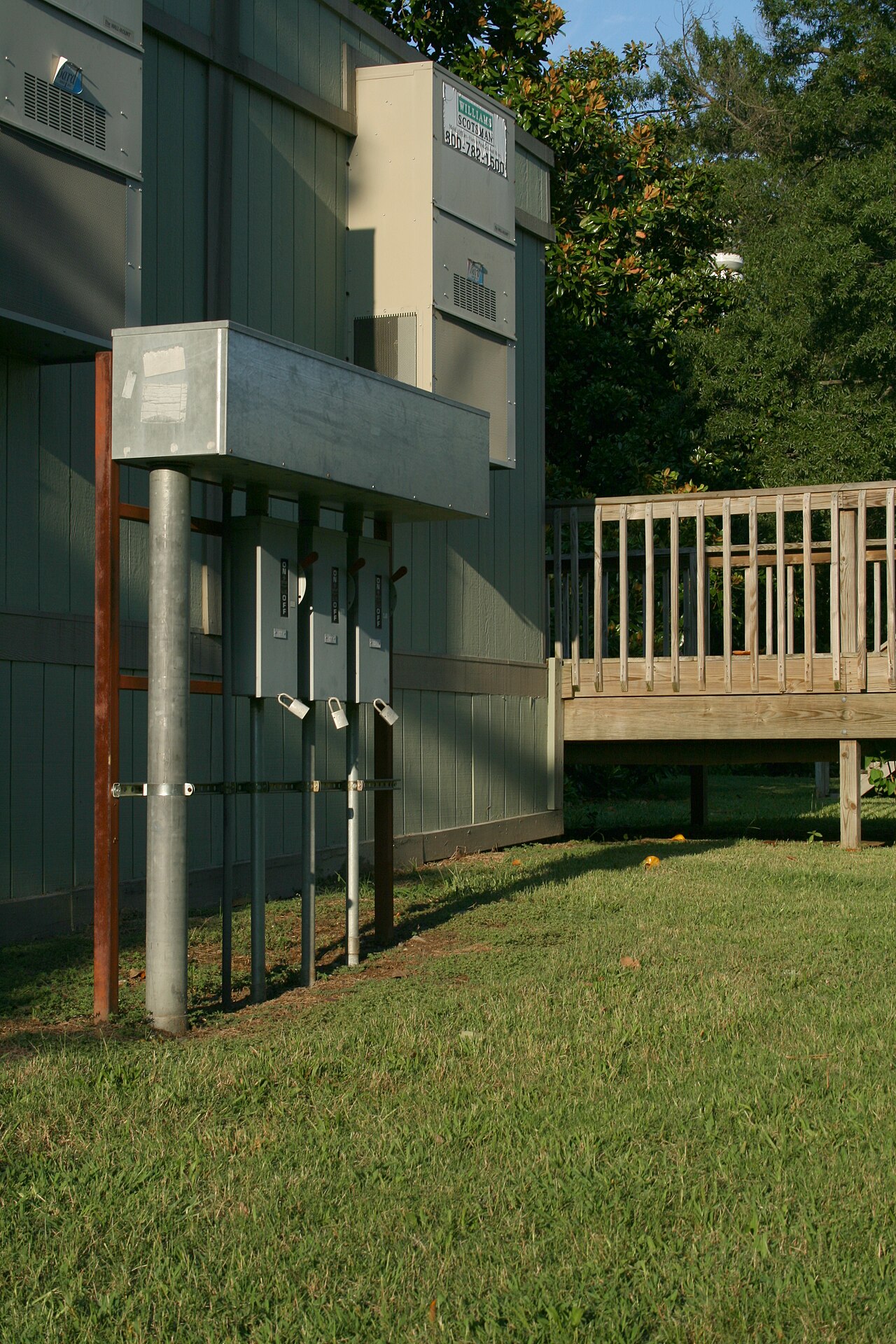
[Three outdoor electrical disconnect switches mounted on a building at Duke East. Photograph: outdoor electrical switches]
Image Credits: Wikimedia Commons
Frequently asked questions
Is a small spark in a light switch ever normal?
Yes. A brief, tiny blue-white flicker at the moment of switching is a normal load arc, caused by current jumping the microscopic gap as contacts meet or part. It should be silent, with no smell, heat, or discoloration.
Why does my switch crackle as well as spark?
Crackling usually means current is arcing repeatedly across a poor connection, such as a loose terminal screw or worn, pitted contacts. The sound is the arc forming and breaking many times per second instead of once.
Can a sparking switch cause a fire?
A sustained arc can. It generates intense local heat, erodes contacts, and can damage wire insulation. A switch with large sparks, heat, scorch marks, or crackling should be taken out of use and checked by a qualified electrician.
Do LED bulbs make switches spark more?
They can. LED drivers can create an inrush spike when switched on, especially cheaper bulbs or many bulbs on one switch. That spike makes the brief load arc more visible, though it does not by itself mean the switch is faulty.
The bottom line
A tiny, silent flicker when you flip a switch is the normal physics of metal contacts meeting and parting. It becomes a problem when the arc grows loud, large, hot, or frequent, because that pattern points to loose wiring or worn contacts feeding on their own heat.
The safe response is simple: stop using a suspect switch, cut power at the breaker, and get it checked. A tightened connection or a new switch is a small fix, and it removes a small but real fire risk from inside your wall.
Tags: light switches, electrical safety, home wiring, arcing
The Rive News research desk covers personal finance, home, and everyday science explainers from public sources, with claims checked against the cited pages.
Related
- Why a light switch buzzes and when it is dangerous
- Why a circuit breaker keeps tripping after you reset it
- Why LED bulbs flicker in some fixtures but not others
- Why light bulbs usually burn out the moment you switch them on
Subscribe for one practical explainer a day, drawn from real sources and checked before publication.
Rive News publishes explainers based on public sources. Corrections are noted on the article when a cited fact changes.
Related stories
Why Your Faucet Keeps Dripping After You Turn It Off
A dripping faucet is usually a worn washer, O-ring, or cartridge that can no longer seal. One drip per second wastes over 3,000 gallons
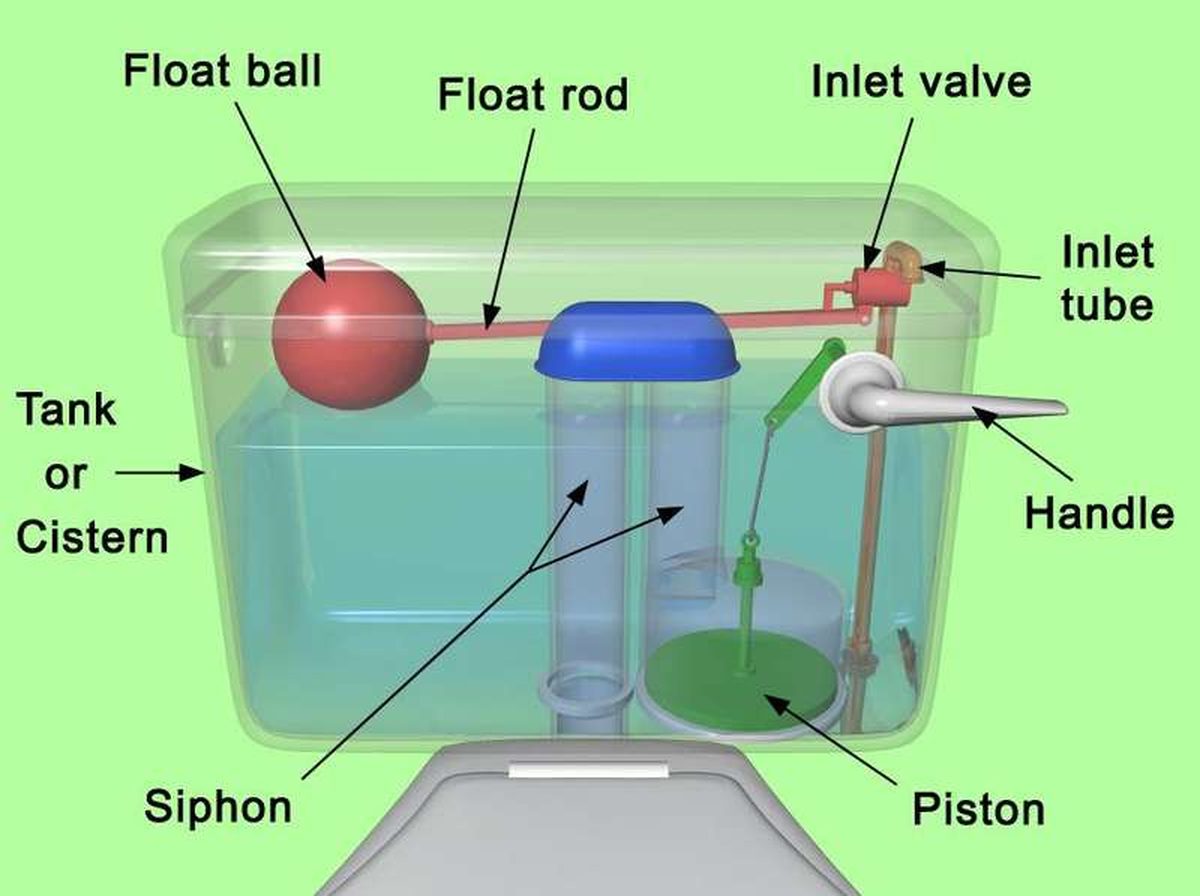
How to fix a running toilet without a plumber in 30 minutes
A running toilet can waste 200 gallons of water a day. Diagnose the flapper, float, or fill valve in two minutes, then fix it yourself
How to hang heavy shelves on drywall safely
Studs first, toggle bolts second, plastic anchors never for heavy loads. Weight ratings, installation steps, and mistakes that bring