
Why Does My Sump Pump Run Every Few Minutes?
Key takeaways
- A pump that cycles every few minutes in dry weather usually has a mechanical fault, not a water problem.
- The three most common causes are a stuck float switch, a failed check valve, and a high water table.
- A 10-minute check of the float, check valve, and discharge outlet identifies most causes.
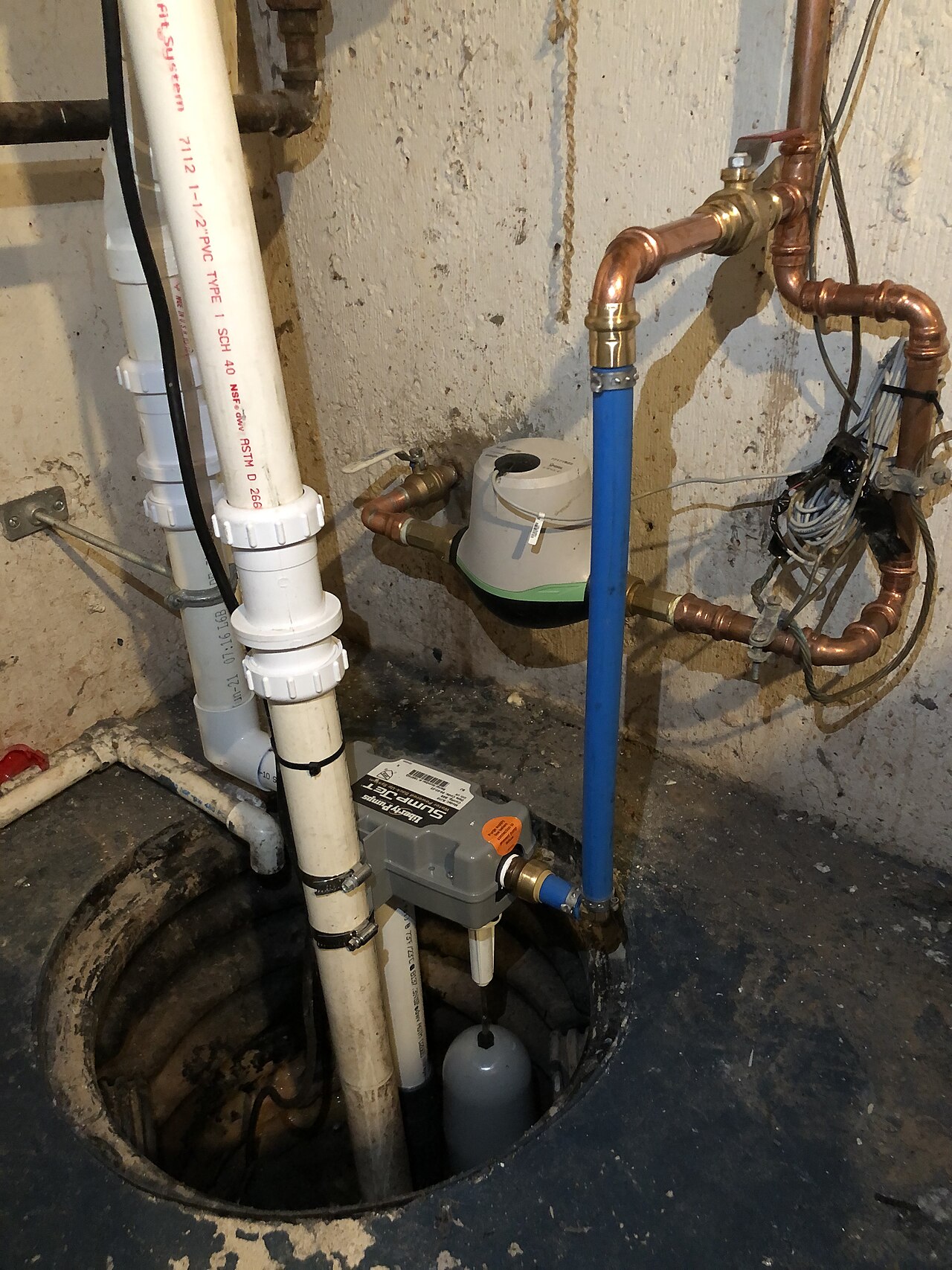
A sump pump sits in a pit below your basement floor and removes groundwater before it reaches the living space. It switches on when water in the pit rises to a set level and switches off when the pit drains. That on-and-off rhythm is called cycling, and its pace depends on how fast water enters the pit.
A pump that runs every few minutes during a storm or a spring thaw is often working as designed. The same pace during a dry week is a warning sign. Frequent cycling, known as short cycling, puts extra wear on the motor and the float switch because every start adds heat and stress.
This article explains how a sump pump decides when to run, why it starts cycling every few minutes, how to tell normal cycling from a problem, the checks you can run in 10 minutes, and when to call a professional.
How a sump pump decides when to run
A submersible sump pump rests in the pit and waits for water to rise. When the water lifts a float switch to a set point, the switch turns the motor on. The pump pushes water out through a discharge pipe that leads outside the home.
When the water drops back down, the float falls, the switch turns the motor off, and the pump waits for the next cycle.
One more part matters here. The check valve is a one-way valve on the discharge pipe that stops pumped water from flowing back into the pit after the pump shuts off.
So three parts do the work: the float (the on-off control), the check valve (the one-way gate), and the discharge line (the exit). When a pump cycles every few minutes, the problem is almost always one of those three, or water is arriving faster than the system can clear it.
Why it cycles every few minutes
A stuck or tangled float switch
The float switch tells the pump when to start and when to stop. If the float jams against the pit wall, tangles in the power cord, or gets weighed down by debris, it can signal "on" too early or never signal "off" at all. The pump then runs with little water in the pit, stops briefly, and starts again.
This is one of the most common causes of short cycling, and one of the easiest to check. Unplug the pump, then lift the float by hand and confirm it moves freely through its full range. Clear sediment from the pit, untangle the cord, and make sure the pump sits flat.
If the float moves freely and the pump shuts off on its own, you found the problem.
A failed or missing check valve
The check valve stops discharged water from draining back into the pit. If the valve fails to seal, a large share of the water the pump just removed falls back in as soon as the motor stops. The pit refills, the float rises, and the pump starts again within minutes.
This back-and-forth is the classic short-cycling loop.
You can often hear this fault. Listen right after the pump shuts off. A loud gurgle, or the sound of water draining back into the pit, suggests the check valve is not holding.
Also check whether a valve exists at all, and whether its arrow points up, in the direction water flows away from the pit. A missing or backward valve needs correcting, and a failed valve needs replacing.
A high water table
Sometimes a pump that runs often is not broken at all. A high water table around the foundation feeds the pit without stopping, so a healthy pump can cycle every few minutes simply because groundwater keeps arriving. This pattern is common after heavy rain, rapid snowmelt, or a long wet stretch, and it usually settles once the ground dries out.
The key clue is timing. If the pump runs hard during and right after a storm, then slows down as the ground dries, that is the water table doing its job. If the pump keeps cycling at the same pace through a dry spell, the cause is more likely mechanical.
A pump that never gets a break during dry weather deserves a closer look.
Pit size is easy to overlook because the pump itself may be fine. If the float, check valve, and discharge line all check out and the inflow is steady, the basin may simply be too small for the water load. A larger basin is a bigger job than a valve swap, so it is worth confirming the other causes first.
An undersized pump
A pump that is too small for the inflow runs and runs but barely lowers the water level. Most residential sump pumps run between 1/3 and 1/2 horsepower and handle roughly 2,000 to 5,000 gallons per hour, according to This Old House figures cited by 603 Basement Solutions. A pump below the needs of the house cannot keep up during heavy inflow, so it cycles without ever getting ahead.
A clogged or frozen discharge line
If the pump runs but the water level in the pit barely drops, the water probably cannot leave. A discharge line blocked by debris, kinked, or frozen solid traps the water in the system. In cold climates the exterior section of the pipe can freeze, so the pump runs without ever clearing the pit.
Check the outside end of the discharge line first. Look for ice, leaves, or mud blocking the outlet. Then walk the line for low spots where water can sit and freeze, and for crushed or kinked sections.
While a frozen line persists, the pump can run without stopping and the basement is not actually protected.
How to tell normal cycling from a problem
Normal cycling follows the weather. The pump runs more during rain and snowmelt, then slows down and goes quiet as the ground dries. In a prolonged dry period, a healthy pump may cycle less than once an hour or not at all.
It stays on standby until the water in the basin reaches its set level.
Problem cycling ignores the weather. The pump cycles every few minutes during a dry spell, or it runs with no pause at all. That pattern points to a mechanical fault or a steady hidden water source.
Consistent short cycling stresses the motor and the float switch, and it shortens the life of the pump.
Checks you can run in 10 minutes
Start with the float. Unplug the pump, lift the float by hand, and confirm it moves freely without catching on the pump, the basin walls, or the power cord. If the float is adjustable, check the tether length, since a longer tether makes the pump move more water per cycle and start less often.
Next, check the check valve. Look at the discharge pipe coming off the pump for a valve, usually a couple of inches above the pump. Confirm the arrow on the valve body points up, away from the pit.
Listen after a cycle for gurgling or backflow, which suggests the valve is not sealing.
Then check the discharge outlet outside. Confirm the opening is clear of ice, leaves, and mud. Look along the line for kinks, crushed sections, or low spots that could trap water.
If the outlet sits too close to the foundation, discharged water can seep back into the soil and return to the pit, so the line should carry water well away from the house.
Finally, run the pattern check. Note whether the pump runs only after storms or all the time.
Storm-only running points to the water table. Constant running points to a mechanical fault.
Constant running points to a mechanical fault or a hidden source. These four checks cover most cases, and they need no tools.
Fixes that stop short cycling
If the check valve is the problem, replacing the faulty one-way valve stops the backflow at once.
For float switch trouble, the fix is cleaning or replacement. Reposition the pump, clear debris, and secure the tether cord so the float travels freely. A worn switch can often be replaced separately from the pump body, although some pumps have an integrated switch that means replacing the whole unit.
For a pump that cannot keep up or a line that keeps freezing, the fix is sizing and access. A higher-capacity pump or a secondary system adds power, and clearing, rerouting, or insulating the exposed discharge section stops repeat freezing.
When to call a professional
Call a professional if the pump runs constantly while the rest of the basement stays dry. That pattern suggests a mechanical fault or steady groundwater pressure that needs an on-site look. The same applies if you keep getting water back no matter what you clear, or if the discharge line is frozen and you cannot thaw it safely.
While you plan the repair, related household checks follow the same rule: confirm the cause before you buy parts. See how to find a wall stud without a stud finder, why grout cracks between bathroom tiles, why LED bulbs flicker in some fixtures but not others, and how to patch a small drywall hole step by step.
Frequently asked questions
Is it normal for a sump pump to run every few minutes after heavy rain?
Yes, in most cases. Heavy rain or rapid snowmelt pushes a large volume of groundwater into the pit, so the pump may cycle every few minutes to keep up. If the pace slows down as the ground dries, the system is working.
If the pace slows down and the pump goes quiet, the system is working.
Why does my sump pump run when it is not raining?
Dry-weather cycling usually points to a mechanical cause. The most likely faults are a stuck float switch that never signals "off" or a failed check valve that lets pumped water fall back into the pit.
Is it bad for a sump pump to run constantly?
Yes, steady running wears the motor out faster. Short bursts of heavy running during a storm are fine. Constant running with no storm to explain it is the version worth diagnosing.
The bottom line
A sump pump that runs every few minutes in dry weather is telling you something is wrong. Start with the float, the check valve, and the discharge outlet. Those three checks find most causes, and most of them are cheap to fix.
If the pump runs hard only during storms and then settles, it is probably doing its job. If it never rests, find the cause before the motor wears out.
Tags: sump pump, basement, home maintenance, plumbing
Latest in Home
- How to find a wall stud without a stud finder
- Why does grout crack between bathroom tiles
- Why do LED bulbs flicker in some fixtures but not others
- How to patch a small drywall hole step by step
Subscribe to the Rive News newsletter for one practical home guide each week.
Related stories

Why Your Faucet Keeps Dripping After You Turn It Off
A dripping faucet is usually a worn washer, O-ring, or cartridge that can no longer seal. One drip per second wastes over 3,000 gallons

How to fix a running toilet without a plumber in 30 minutes
A running toilet can waste 200 gallons of water a day. Diagnose the flapper, float, or fill valve in two minutes, then fix it yourself

How to hang heavy shelves on drywall safely
Studs first, toggle bolts second, plastic anchors never for heavy loads. Weight ratings, installation steps, and mistakes that bring