
Why a washing machine leaves black marks on clothes
By Rive News / Research desk | Rive News / Published October 28, 2026 at 9:00 AM PKT
Key takeaways
- Black marks usually come from inside the machine, not from dirt on clothes.
- Mould in the door seal, detergent residue, and worn rubber are the main sources.
- The shape and smell of the marks point to the cause and the fix.
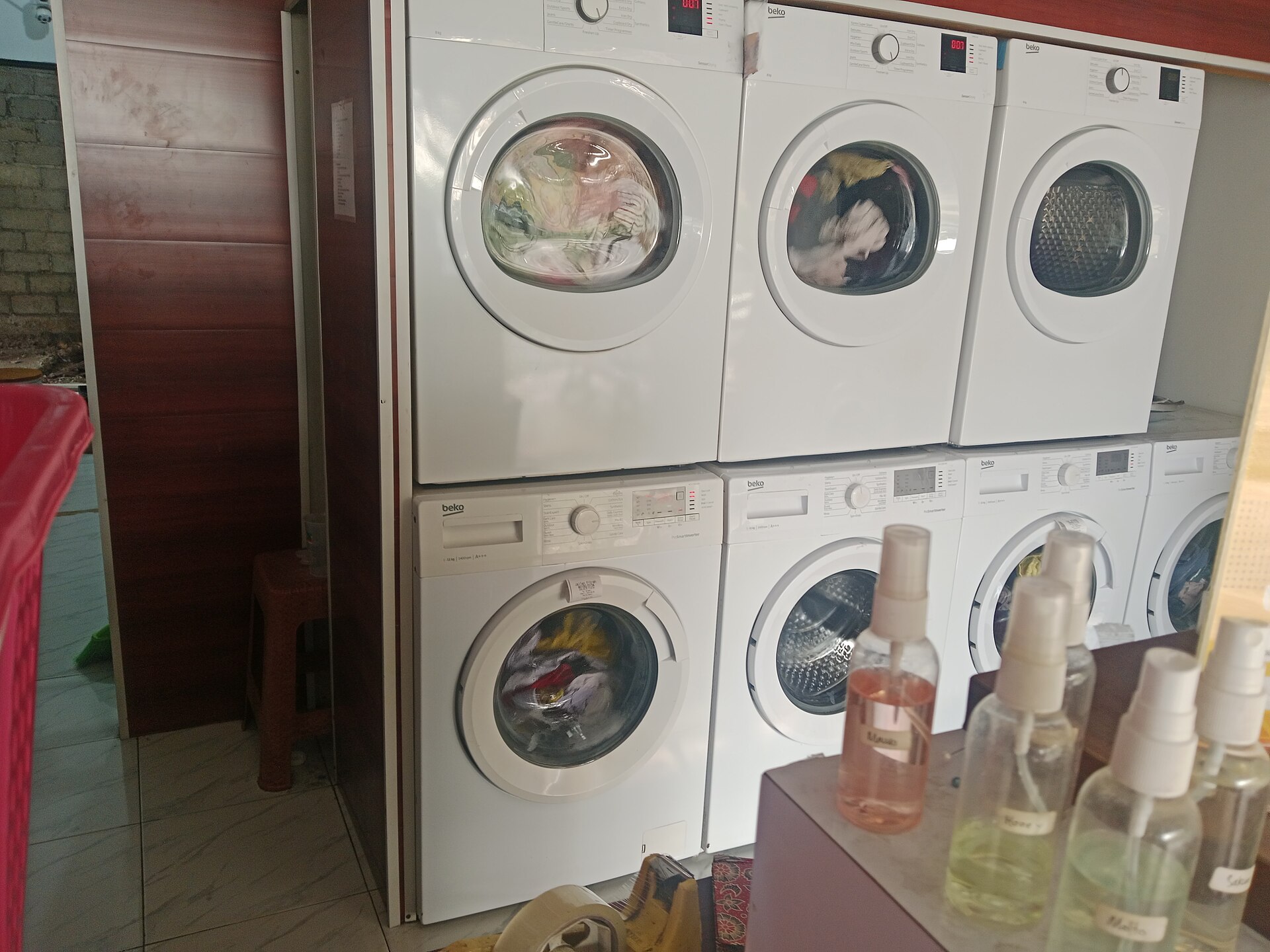
[Washing machines in a laundromat.] Photograph: Wikimedia Commons contributor
Image Credits: Wikimedia Commons
Clean clothes come out of the wash with black streaks, and the first instinct is to blame the load. In most cases, though, the marks come from the machine itself.
This article explains why a washing machine leaves black marks on clothes, including mould growth, residue buildup, worn seals, and grease leaks. It also gives a mark-by-mark diagnosis and the cleaning steps that match each cause.
The first check: the machine or the load
Marks that appear on several items in one load usually point to the machine. Marks on a single garment, especially near a pocket, more often point to something in that pocket.
A pen left in a pocket is a classic single-garment cause. Ink spreads during the wash and leaves irregular black marks on nearby fabric.
Machine-side marks repeat across loads and often worsen over time. That pattern is the key clue, since a one-off stain does not recur in the same way.
Check the drum, the door seal, and the detergent drawer before rewashing. The source is usually visible in one of those three places.
Mould and mildew in the door seal
Front-loading machines are especially prone to mould in the rubber door gasket. The seal traps water and lint after each wash, creating a damp, enclosed space.
Alibaba Product Insights explains that damp areas such as the rubber door gasket, detergent drawers, and drain pumps create ideal conditions for mould. Over time, colonies form and flake off during cycles, transferring onto fabrics.
The marks from mould often appear as black spots or streaks, and they usually come with a musty smell. Clothes may smell damp even after drying, which is a strong mould signal.
Leaving the door and detergent drawer open after each wash helps the seal dry. Airflow removes the moisture that mould needs, and that single habit prevents many cases.
Detergent and softener residue
Using too much detergent, or the wrong type, leaves residue inside the machine. That residue builds up in the dispenser, the drum, and hidden crevices.
Alibaba Product Insights describes residue as a mix of fabric softener, detergent, hard water minerals, and body oils. This sludge darkens through bacterial activity and dislodges during washes as gritty black debris.
Residue marks often feel greasy or waxy on the fabric. They appear more on synthetic fabrics, which hold the film more readily than cotton.
High-efficiency machines need high-efficiency detergent in the measured dose. Extra detergent does not clean better in these machines, since low water levels cannot rinse it away.
Worn rubber seals and gaskets
Rubber parts age, crack, and shed fragments. The door bellows, the flexible seal around the door, is the most common source of black rubber specks.
Alibaba Product Insights notes that as the bellows ages, small fragments break away and appear as black or gray specks on clothing. Cracks in the seal also trap dirt and mould, which then transfer to the wash.
Worn-seal marks often look like hard black flakes rather than stains. They may appear near seams or edges, where fabric presses against the seal during spinning.
A seal with visible cracks, splits, or missing chunks needs replacement. Cleaning cannot restore rubber that has already broken down.
Grease and bearing leaks
Older machines can leak grease from bearings or seals into the drum. The grease transfers during spinning as oily black spots.
Mombaby's appliance guidance notes that lubricant leaks are more common in front-load washers and older machines. The spots feel oily and resist normal washing, which separates them from mould marks.
Grease marks often appear with a grinding or rumbling noise during spinning. That noise signals bearing wear, and the grease leak is a symptom of the same failure.
A grease leak is a repair job, not a cleaning job. Running cleaning cycles will not stop oil from reaching the drum.
Foreign objects and debris
Small items trapped in the machine leave marks too. Coins, hairpins, and lint clumps collect in the drain pump filter and decompose, releasing dark particles.
Alibaba Product Insights lists pump and drain contamination as a distinct cause. Foreign objects in the filter break down and release debris into later washes.
Check pockets before every load, and clean the drain filter regularly. The filter sits behind a small panel at the bottom front of most machines, and the manual shows its exact location.
A single loud clunk during spinning often means something hard is loose in the drum. Stopping the machine early prevents that object from scratching the drum or tearing fabric.
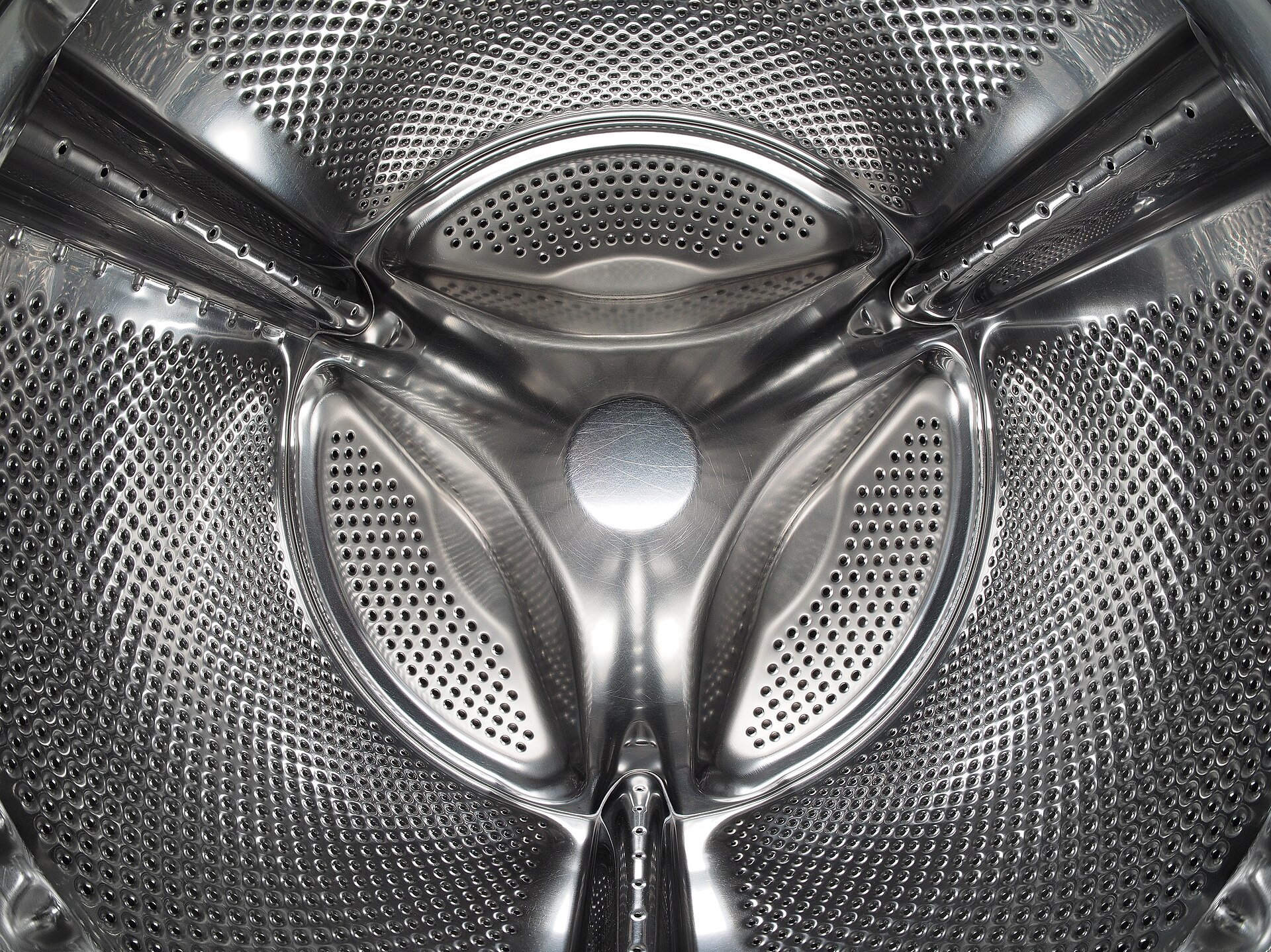
[Laundry inside a washing machine during a wash cycle.] Photograph: Wikimedia Commons contributor
Image Credits: Wikimedia Commons
Hard water and cold-only washing
Hard water minerals combine with detergent to form deposits. Those deposits darken over time and mix with residue, adding to the black debris in the machine.
Cold-only washing makes the problem worse. Low-temperature cycles do not dissolve residue as well, and they leave the machine damp for longer, which encourages mould.
Alibaba Product Insights notes that running only cold cycles, or using the machine sporadically, prevents internal parts from drying properly. That dampness encourages microbial growth.
A monthly hot cleaning cycle helps. Running the machine empty on its hottest setting, with a washing machine cleaner or as the manual directs, dissolves residue and dries internal parts.
Diagnosing by the mark
Soft black spots with a musty smell point to mould. Clean the seal, leave the door open, and run a hot cleaning cycle.
Greasy streaks that survive rewashing point to detergent residue or grease. Residue responds to cleaning and correct dosing, while grease with bearing noise needs repair.
Hard black flakes point to worn rubber or drum parts. Inspect the seal and drum fins for cracks, and replace damaged parts.
Marks on one garment only point to a pocket item. Check for pens, and rewash the garment alone after removing the source.
Cleaning steps that match each cause
Wipe the rubber seal with a cloth dampened with a diluted bleach solution, reaching into the folds. Rinse the cloth and wipe again with clean water, since bleach residue can damage fabric.
Remove and rinse the detergent drawer, clearing blocked jets. Wipe the drum rim and the door glass, where residue collects out of sight.
Clean the drain filter, removing lint, coins, and hair. Run a hot empty cycle with a washing machine cleaner, following the product and machine instructions.
After cleaning, leave the door and drawer open to dry. That airflow step matters as much as the cleaning itself, since a clean but damp seal grows mould again quickly.
When to call a repair technician
Call a technician when marks come with bearing noise, visible grease, or a seal that has cracked through. These are mechanical failures, not maintenance gaps.
Call too when cleaning cycles and correct dosing do not stop the marks after two or three washes. A persistent source may sit behind the drum, out of reach of home cleaning.
Stop using the machine if it leaks water or trips the power supply. Those faults go beyond stain problems and need professional attention.
Frequently asked questions
Are black specks from a washing machine harmful?
In most cases the specks themselves are not toxic, but mould spores and bacteria linked to them can irritate sensitive people. Alibaba Product Insights notes that mould and bacteria can trigger allergies or respiratory irritation, so the source should be addressed promptly.
Can I use bleach in a high-efficiency washing machine?
Yes, in small amounts and only in the designated dispenser, not directly in the drum. Never mix bleach with vinegar or ammonia-based cleaners, and follow the machine manual for the correct dose.
Why do black marks appear only on light clothes?
Dark marks show most clearly on light fabric, so the problem may exist on dark clothes too. Light garments simply make the same debris visible.
How often should I clean my washing machine?
A monthly hot cleaning cycle, plus wiping the seal weekly, prevents most cases. Homes with hard water or heavy use may need more frequent drawer and filter cleaning.
The bottom line
A washing machine leaves black marks when something inside it breaks down, builds up, or grows. Mould, residue, worn rubber, and grease cover most cases, and each leaves a different kind of mark.
Diagnose first, then clean or repair to match. A clean seal, correct detergent dose, and an open door after washing prevent most marks from returning.
Tags: washing machines, laundry, appliance care
Rive News's research desk covers everyday science and home topics from published sources, with no invented experts or first-hand claims.
Related
- How to stop your washing machine from smelling
- Why your washing machine shakes violently during the spin cycle
- Why your dryer takes two cycles to dry clothes
- How to clean grout that turned black
Subscribe to Rive News for one plain-English explainer each day.
Rive News follows a published standards policy: no invented facts, quotes, or statistics, and every number traces to a cited source.
Related stories
Why Your Faucet Keeps Dripping After You Turn It Off
A dripping faucet is usually a worn washer, O-ring, or cartridge that can no longer seal. One drip per second wastes over 3,000 gallons
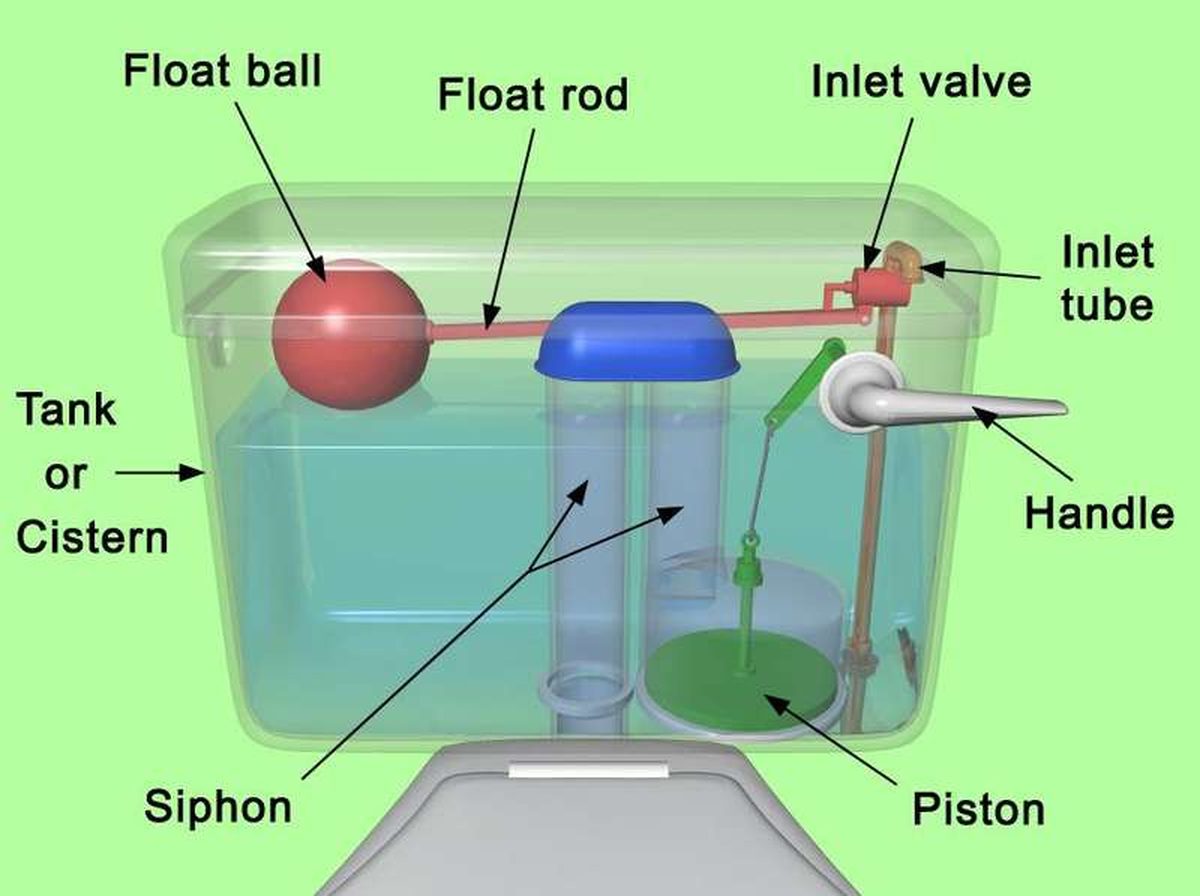
How to fix a running toilet without a plumber in 30 minutes
A running toilet can waste 200 gallons of water a day. Diagnose the flapper, float, or fill valve in two minutes, then fix it yourself

How to hang heavy shelves on drywall safely
Studs first, toggle bolts second, plastic anchors never for heavy loads. Weight ratings, installation steps, and mistakes that bring