
Why your washing machine smells even after a wash
By Rive News / Research desk | Rive News / Published October 29, 2026 at 9:00 AM PKT
Key takeaways
- The smell usually comes from biofilm, a slimy layer of microbes and residue hiding in the seal, drawer, and outer drum.
- A normal wash does not reach those hidden parts, so the film survives and re-smells the next load.
- A hot empty maintenance wash, a cleaned filter, and an open door between washes break the cycle.
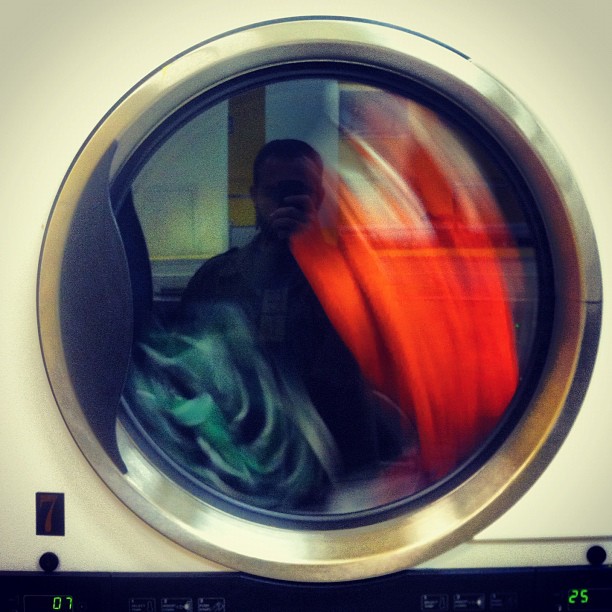
[A front-loading washing machine; its rubber door seal and detergent drawer are the two places odour hides first.] Photograph: the washing machine
Image Credits: Wikimedia Commons
A washing machine that smells even after a wash is not a contradiction. The wash cleans the clothes and the inside of the drum, but the smell lives in places the wash barely touches. Warm, damp, and fed by detergent residue, those places grow a microbial layer that survives ordinary cycles.
This article explains why your washing machine smells even after a wash, including what biofilm is, where it hides, why low-temperature cycles make it worse, and the maintenance routine that actually clears it.
The smell is not dirt you missed
The main culprit is biofilm. Biofilm is a community of bacteria and fungi held together in a slimy protective matrix that clings to surfaces. It feeds on detergent residue, fabric softener, body oils, and lint, and it holds moisture long after a cycle ends.
A 2025 study reported by Phys.org found that household washing machines host persistent microbial biofilms, especially around door seals and in the detergent drawers of front-loaders. Detergent alone struggles to remove these colonies, and each cycle can reinoculate freshly washed laundry from the film.
That reinoculation is why clothes can come out of a clean-smelling wash and still develop a musty odour as they dry. The bacteria are already on the fabric, and warmth plus slow drying lets them multiply and release smelly compounds.
One bacterium has been pinned down in detail. A Japanese study by Kubota and colleagues in 2012 traced the classic wet-dishcloth laundry smell to Moraxella osloensis, which produces a compound called 4-methyl-3-hexenoic acid. The species tolerates drying and ultraviolet exposure unusually well, which helps explain why the smell can survive a wash and a day on the line.
Where the smell hides
The rubber door gasket is the first place to check on a front-loader. Its folds trap water, hair, lint, and undissolved detergent. The visible top of the seal can look clean while the underside and inner lip carry a grey or black slimy coating.
The detergent drawer and its housing come second. Liquid detergent and softener leave a sticky residue that microbes feed on. Pull the drawer fully out and check the cavity behind it, which most owners never see.
The drain pump filter is third. It sits low in the machine, catches debris, and rests in residual water. A neglected filter holds a decaying mass of lint and coins that smells strongly and spreads odour through the whole appliance.
The hardest place to reach is the gap between the inner drum and the outer tub. Grime builds up there over years, and no wipe can reach it. If the smell returns quickly after cleaning every visible part, this hidden space is the usual suspect.
Why modern machines smell more
Modern machines use less water and run cooler cycles, which saves energy but helps microbes. Whitegoodshelp notes that wash temperatures of 30°C and 40°C do not kill the organisms that thrive inside a machine, and may actually encourage them by never reaching destructive temperatures.
Low detergent doses add to the problem. Too little detergent leaves residue behind rather than carrying it away. Fabric softener makes it worse, because it coats surfaces with a waxy layer that microbes colonise.
Closing the door between washes seals the system. The drum stays damp, air cannot circulate, and the inside becomes a warm greenhouse for mould and bacteria. RepairAid points out that a machine left shut between uses is far more likely to smell than one left ajar.
Overloading matters too. A packed drum does not rinse properly, so detergent and soil stay in the load and in the machine. Clothes left sitting wet in a closed drum for hours give bacteria time to multiply before the load is even hung out.
Machine smell or drain smell
Not every bad smell comes from the machine. If the odour is strongest when the machine drains, or smells more like sewage than damp laundry, the problem may sit in the drain hose or the household plumbing.
A partially blocked hose or stagnant water in the standpipe can send smells back into the drum. A missing or flattened drain loop can let drain water siphon back. In that case cleaning the machine will not help, and the drain run needs attention.
A simple test separates the two. Run an empty hot cycle and sniff the drum afterwards, then sniff near the drain hose during the next drain. If the drum smells clean but the drain area stinks, the fault is downstream of the machine.
The routine that actually works
Start with a proper maintenance wash. Run the machine empty at 90°C, or the hottest setting it offers, with a dedicated washing machine cleaner or a cup of white distilled vinegar in the drum. RepairAid advises that a smell that has built up over months may need a couple of hot cycles, not one.
Clean the seal by hand. Pull the gasket folds open, wipe away the slime with a cloth, and rinse. Do the same for the drawer and its housing, and rinse the pump filter under running water, removing trapped lint and debris.
Then change the habits that feed the film. Leave the door and drawer slightly open between washes so the inside dries.
Use the detergent dose the manufacturer recommends for your water hardness, and skip fabric softener on most loads. Run a hot wash regularly, at least once a month, even if most loads are cold.
Dry laundry promptly. Clothes left wet in the drum or dried slowly in a poorly ventilated room give bacteria and fungi time to grow, and mould adds its own earthy compounds.
Phys. org notes that human noses detect geosmin, the molecule behind the smell of rain-soaked soil, at just a few hundred parts per trillion, which is why a small amount of mould smells so strong.

[Laundry hanging outdoors to dry; prompt drying keeps odour-causing microbes from multiplying on damp fabric.] Photograph: the laundry
Image Credits: Wikimedia Commons
Frequently asked questions
Why does my washing machine smell even though I just cleaned it?
Cleaning usually reaches the drum, seal, and drawer, but biofilm also sits between the inner and outer drums and inside pipework. A hot empty cycle and a cleaned filter reach further than a wipe-down.
Will vinegar alone fix a smelly washing machine?
Vinegar helps break down residue in a hot maintenance wash, but a long-standing biofilm may need a dedicated cleaner and a second hot cycle. Vinegar also does not replace cleaning the seal, drawer, and filter by hand.
Should I leave the washing machine door open?
Yes, leaving the door and detergent drawer slightly ajar between washes lets the drum dry and slows microbial growth. It is the single easiest habit change for preventing the smell returning.
Does a hot wash damage the machine?
A 90°C empty maintenance wash is a standard manufacturer recommendation and is how most machines offer a drum-clean or boil-wash programme. It is not a substitute for descaling in very hard-water areas, but it will not harm a machine in normal condition.
When should I call an engineer?
Call one if the smell persists after two hot maintenance washes plus a full seal, drawer, and filter clean, if the machine does not drain, or if the odour smells of sewage. Those signs can mean a blocked pump, a failed drain, or a plumbing fault beyond routine cleaning.
The bottom line
A washing machine smells after a wash because the wash never reaches the smell. Biofilm in the seal, drawer, filter, and outer drum survives normal cycles and re-seeds each load with odour-causing microbes.
The fix is unglamorous but reliable: a hot empty maintenance wash, a hand-clean of the hidden parts, and airflow between washes. Do those three things and the smell usually stays away. If it does not, the fault is likely in the drain, and that is the next place to look.
Tags: washing machine, laundry, cleaning, home maintenance
The Rive News research desk writes plain-English explainers on how everyday things work, based on published sources and manufacturer guidance.
Related
- How to stop your washing machine from smelling: deep-clean steps
- Why your dryer takes two cycles to dry clothes
- Why does your room smell musty even when clean
- How to get rid of mould on bathroom walls safely
Subscribe for one practical home explainer each morning.
Rive News standards: every factual claim is tied to a named public source listed above; corrections are noted on the article.
Related stories
Why Your Faucet Keeps Dripping After You Turn It Off
A dripping faucet is usually a worn washer, O-ring, or cartridge that can no longer seal. One drip per second wastes over 3,000 gallons
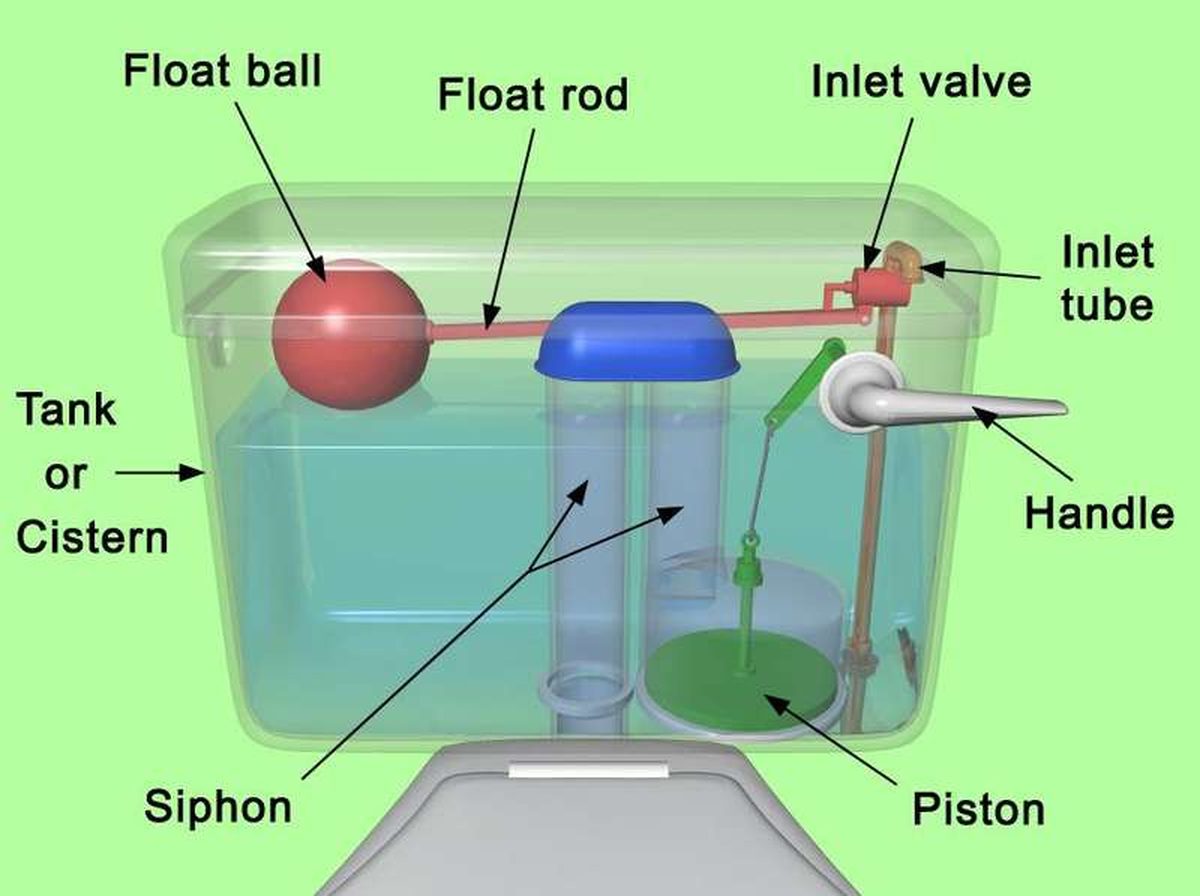
How to fix a running toilet without a plumber in 30 minutes
A running toilet can waste 200 gallons of water a day. Diagnose the flapper, float, or fill valve in two minutes, then fix it yourself

How to hang heavy shelves on drywall safely
Studs first, toggle bolts second, plastic anchors never for heavy loads. Weight ratings, installation steps, and mistakes that bring